
Transitioning your child from a bottle to a cup is a major milestone in their weaning journey, but there is no single age that fits every child. Instead of relying strictly on calendar months, the most successful transition happens when you align the cup design with your child’s physical and oral motor development. By observing how your child sits, grips, and swallows, you can select a cup that supports their natural progression, minimizes frustration, and encourages independent feeding.
Signs Your Child Is Ready to Transition from a Bottle
Before introducing any new drinking vessel, look for physical milestones that indicate your child’s body is ready. A primary indicator is the ability to sit upright unassisted in a high chair, which ensures safe swallowing and reduces choking risks. You should also observe their hand coordination; if they can grasp toys using a pincer grasp or a strong palmar grasp, they likely have the manual dexterity required to lift and tilt a cup.
Behavioral cues are equally telling signs. Your child might begin watching you intently while you drink, reaching out to grab your glass, or showing curiosity during family meals. Conversely, they might start pushing their familiar baby bottle away or biting the nipple instead of sucking, signaling that their feeding needs are changing.
Products mentioned in this guide


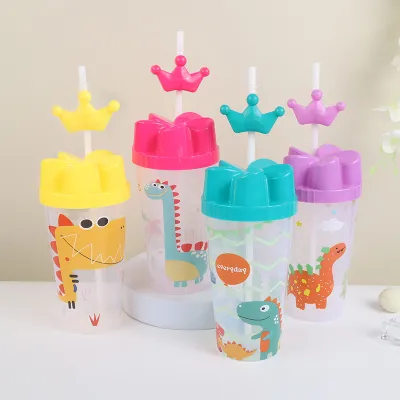
Prices are valid at publication and may change. Please refer to the product page for the latest price.
Finally, pay attention to their oral motor signs. A child who is ready for a cup can swallow purees or soft family foods smoothly without coughing. They should also demonstrate the ability to move their tongue from side to side, which is a crucial skill for managing liquids in a cup rather than relying on the simple front-to-back sucking reflex used with a bottle.
Evaluating Cup Types for Different Weaning Stages
Navigating the transition requires understanding how different cup designs interact with your child’s developing muscles. Each option serves a distinct developmental purpose, helping your child progress from simple sucking to mature swallowing.

Sippy Cups (Hard and Soft Spouts)
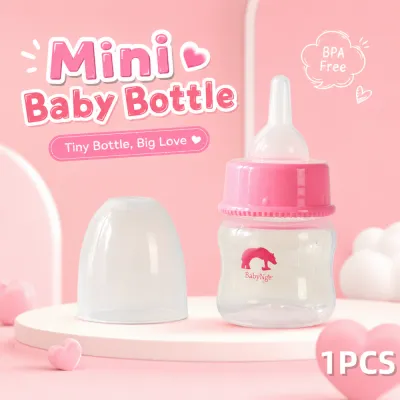
Sippy cups with spouts are often the first alternative parents consider because they closely mimic the familiar shape of a bottle. Soft silicone spouts are particularly useful during the early transition phase, as they require a similar sucking motion that feels comforting to a young baby. However, prolonged reliance on hard plastic spouts can potentially impact the natural alignment of developing teeth and the shape of the palate, as they keep the tongue in a low, forward position. When shopping, look for models featuring removable, easy-to-clean valves that allow you to control the liquid flow as your child’s drinking skills improve.
Straw Cups
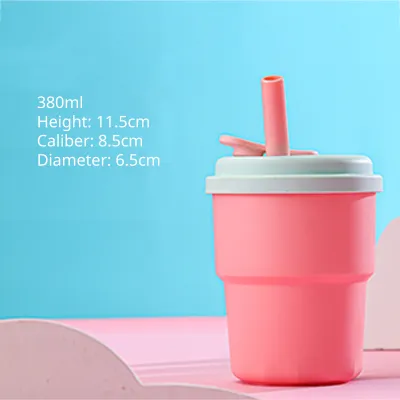
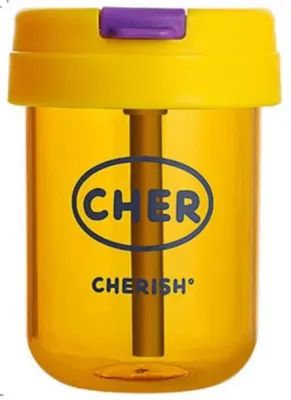
Straw cups are highly recommended by pediatric feeding specialists because they actively promote advanced oral motor skills. Drinking through a straw requires your child to seal their lips tightly around the tube and engage their cheek muscles, which helps strengthen the mouth for speech development. Before introducing a straw cup, ensure your child understands how to create suction to draw liquid upward rather than simply biting down on the tip. Because these cups feature narrow pathways, maintenance requires extra diligence. You must regularly inspect the flexible silicone straws for tiny bite marks or tears and use specialized micro-brushes to clean the inner tubes thoroughly.
360-Degree Cups
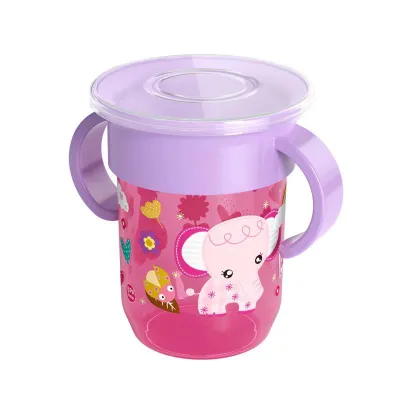
A 360-degree cup features a rimless design with a silicone valve that releases liquid only when pressure is applied by the child’s lips. This clever mechanism allows your child to drink from any side of the rim, mimicking the experience of an open cup while virtually eliminating spills. From a developmental standpoint, this design is excellent because it encourages proper tongue placement and natural lip closure. However, keep in mind that these cups require a specific combination of lip pressure and suction. Some children may find this mechanism frustrating if they have not yet developed the necessary oral strength, so patience is key during the initial introduction.
Open Training Cups
Open training cups represent the final stage of weaning and the ultimate goal of self-feeding mastery. These miniature cups are ideal for toddlers who have developed steady hand-eye coordination and precise wrist control. To make the learning process easier, look for open cups with a very small capacity, a weighted base to prevent tipping, and textured surfaces or dual handles for a secure grip. While open cups are fantastic for teaching mature swallowing patterns, caregivers must manage their expectations. Spills are an inevitable and necessary part of the learning process, so practicing during bath time or outdoors can make the experience stress-free.
How to Choose the Right Cup Based on Your Child's Current Skills
Choosing the right cup is not about finding a universal winner; it is about matching the cup’s physical demands to your child’s current abilities. Start by assessing their grasping and lifting capabilities. If your child still struggles to lift heavier objects, a lightweight plastic cup with dual handles is the most practical choice. As their grip strength and wrist rotation improve, you can transition them to handle-free cups or heavier, weighted-base designs that teach them how to control their movements.
Next, evaluate their suction and swallowing control. If your child tends to gulp liquids too quickly and choke, a valve-controlled straw cup or a slow-flow sippy cup can help regulate the pace. If they have mastered basic swallowing but still struggle with the tilting motion required for open cups, a 360-degree cup offers an excellent middle ground.
You should also consider your daily environment and your personal tolerance for spills. In a warm, tropical climate where hydration is essential throughout the day, a spill-proof straw cup is highly convenient for outdoor trips, stroller rides, or travel. However, during structured meal times at the high chair, offering an open training cup with just a splash of water allows your child to practice essential skills in a controlled setting.
Always be prepared to pause and reassess. If your child consistently cries, gags, or refuses to drink from a specific cup, do not force the issue. This resistance is often a sign that the cup’s flow rate or drinking mechanism is too advanced for their current oral motor skills. Temporarily stepping back to a familiar cup or trying a different style after a week or two can prevent negative associations with drinking.
Safety Checks, Cleaning, and Knowing When to Move On
Maintaining strict hygiene and safety standards is vital when managing weaning essentials. In warm, humid environments, moisture can easily trap bacteria, making regular inspection routines crucial. Every few days, carefully examine all silicone parts, valves, and straws for signs of wear, deep bite marks, or black mold spots. If you notice any tears or persistent discoloration that cannot be cleaned, replace the parts immediately to prevent choking hazards or bacterial exposure.
Before purchasing or using any new cup, always verify the recommended age range, weight limits, and specific method of use in the manufacturer’s product documentation. Do not rely solely on the product name or marketing labels to determine if a cup is safe for your child’s developmental stage. Additionally, ensure you verify any material safety standards or certifications directly on the packaging, as these specifications can vary widely between brands.
Proper cleaning protocols require complete disassembly of the cup. Never rely on a quick rinse; pull apart every valve, collar, straw, and lid. Check the manufacturer’s label to verify if the components are dishwasher-safe, or wash them by hand using warm, soapy water and dedicated straw brushes. Allow all pieces to air-dry completely in a well-ventilated area before reassembling them, as trapping moisture inside a sealed cup is a primary cause of mold growth.
Pay attention to the subtle signals that indicate your child is ready to move on to the next stage. If they are constantly chewing on a soft spout rather than drinking, or if they have developed the coordination to drink smoothly from your own glass, it is time to introduce a more advanced cup.
Finally, keep safety boundaries in mind. While minor coughing can occasionally happen as babies learn to manage liquid flow, consistent gagging, coughing, or a total refusal to drink liquids from any cup warrants attention. If these issues persist, stop using the cup and consult your pediatrician or a pediatric feeding specialist to ensure there are no underlying swallowing difficulties.
Frequently Asked Questions (FAQ)
Can I skip the sippy cup and go straight to a straw or 360-degree cup?
Yes, you can absolutely skip the traditional spout cup. Many pediatric feeding specialists recommend introducing a straw cup or an open training cup directly, as these designs promote healthier oral muscle development than spouts. If your child can sit upright and shows good lip control, they can transition straight to these advanced options. If you are unsure, check with a pediatric feeding specialist for personalized guidance.
How do I clean the valves and straws to prevent mold?
To prevent mold, always fully disassemble every component of the cup after each use. Use a specialized, thin wire brush to scrub the inside of straws and small valve openings with warm, soapy water. Refer to the manufacturer’s specific care instructions for sterilization limits, and ensure all parts are completely dry before reassembling.
What should I do if my child refuses to drink from the new cup?
If your child refuses a new cup, keep the pressure low. Try offering the cup at different times of day when they are relaxed, or experiment with different liquid temperatures, such as cool water on a warm afternoon. If they remain frustrated, temporarily revert to their previous cup for comfort and try introducing the new design again in a few weeks. If refusal persists and affects their hydration, seek professional feeding advice.

Community discussion
Share your experience or ask a question. Comments are reviewed before publication.