
When your baby is congested, finding a quick, safe, and effective way to clear their nasal passages becomes an absolute priority. In the Philippines, where the sudden transition from intense tropical humidity outdoors to dry, air-conditioned nurseries indoors can easily trigger nasal swelling and thick mucus, having a reliable clearing tool is essential. The primary and most highly recommended option to secure is the classic Chiboji Manual Hand-Pump Nasal Aspirator.
Unlike traditional bulb syringes that require deep insertion, mouth-suction tubes that carry cross-infection risks, or noisy electric models that can terrify sensitive infants, Chiboji’s signature design utilizes a patented hand-pump trigger mechanism. This manual pump generates powerful, highly customizable vacuum suction without requiring batteries or caregiver mouth-suction. It is exceptionally gentle, resting on the outside of the nostril rather than inside the delicate nasal canal, making it suitable for babies of all ages—from newborns to active toddlers—and highly effective at clearing both watery discharge and thick, stubborn mucus.
Choosing the right nasal care setup involves understanding how your baby’s age, the severity of their congestion, and the physical design of your chosen aspirator interact. By evaluating these factors, you can ensure a stress-free clearing process that keeps your little one breathing comfortably through seasonal colds, allergies, and temperature shifts.
Products mentioned in this guide
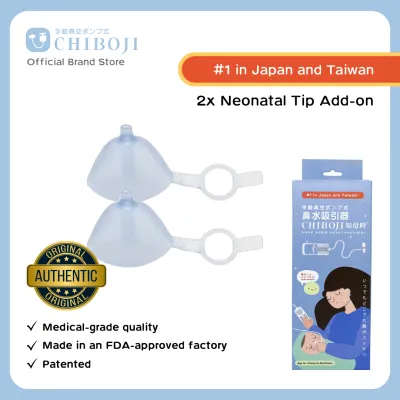
Prices are valid at publication and may change. Please refer to the product page for the latest price.
Key Factors for Choosing the Right Chiboji Aspirator
Baby's Age and Nasal Passage Size
Newborns are obligate nasal breathers, meaning they naturally breathe almost exclusively through their noses for the first few months of life. Because their nasal passages are incredibly narrow—often about the width of a small straw—even a tiny amount of mucus or mucosal swelling can severely disrupt their ability to feed and sleep. Their nasal linings are also highly vascular and delicate, making them prone to irritation, swelling, or minor bleeding if a device is inserted too deeply.
As infants grow into toddlers, their nasal anatomy expands, but their resistance to having their faces touched typically increases. This development makes speed, comfort, and non-invasiveness critical. The Chiboji manual aspirator is designed with a soft, bulbous silicone tip that creates an airtight seal at the entrance of the nostril rather than entering the nasal cavity. This design eliminates the risk of scraping the internal nasal walls, offering a safe option across all pediatric age groups. Caregivers should always verify the manufacturer’s age recommendations and safety warnings on the packaging before use to ensure proper handling.
Congestion Severity and Mucus Consistency
Not all congestion is created equal, and the type of mucus your baby has dictates the amount of suction power required. Clear, watery mucus—often caused by mild allergies or the initial stages of a viral cold—is thin and flows easily. This type of discharge requires only light, gentle suction to clear.
Conversely, thick, sticky, or yellowish mucus, which frequently develops during dry spells in air-conditioned rooms or during the later stages of a cold, acts like a physical plug. Clearing this stubborn blockage requires consistent, strong vacuum pressure that can draw the viscous fluid out without causing discomfort. A successful nasal clearance strategy relies on matching the suction mechanism to the mucus thickness, often requiring a softening agent like sterile saline to break down the mucus proteins before attempting suction.
Caregiver Control and Suction Power
The ability to control suction power in real-time is a vital safety and comfort feature during stressful clearing sessions. When a baby is crying or squirming, the caregiver must be able to adjust the vacuum pressure instantly to prevent mucosal injury.
Manual hand-pump systems allow the caregiver to regulate the suction pressure dynamically using hand strength; a slow, gentle squeeze yields mild suction, while a firmer, rapid squeeze provides the deep vacuum necessary for stubborn blockages. This manual control contrasts sharply with electric models, which operate on fixed, pre-set suction levels that cannot adapt instantly to a baby’s sudden movements. It also differs from mouth-suction models, where the suction power is strictly limited by the caregiver’s lung capacity and stamina.
Comparing Available Chiboji Nasal Aspirator Variants
To make an informed purchase through authorized online marketplaces or local baby boutiques in the Philippines, it is important to understand the product landscape. Chiboji’s standout reputation is built entirely on its signature manual hand-pump design. The brand does not manufacture electric or mouth-suction variants under its own label, as its core philosophy centers on providing superior manual vacuum power without the limitations of batteries or oral suction.

To help you decide if the Chiboji manual hand-pump design is the right fit for your family, it is highly useful to compare its features directly against the general categories of mouth-suction and electric aspirators available on the market.
Chiboji Manual Hand-Pump Nasal Aspirator
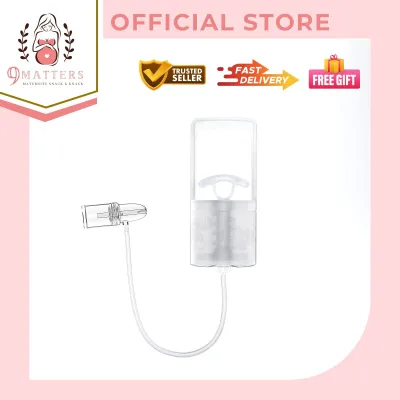
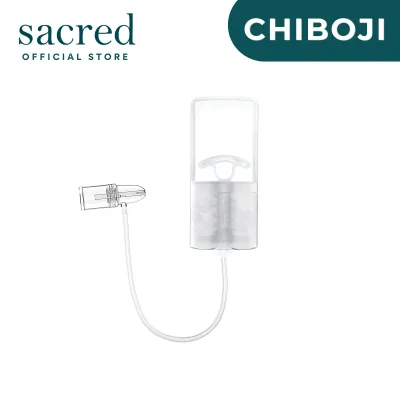
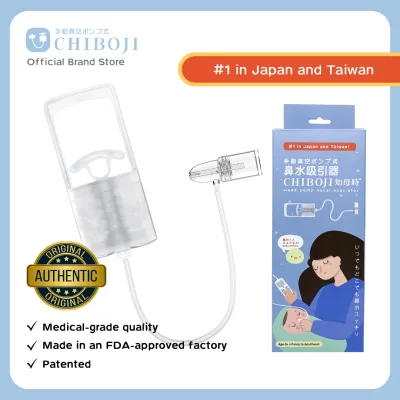
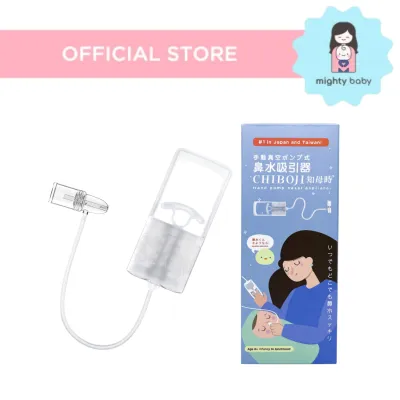
This is the flagship Taiwanese-designed manual aspirator that has become a favorite among Filipino parents. It consists of a hand-held pump handle (resembling a small, lightweight hand trigger), a long, flexible silicone tube, and a clear plastic collection cup fitted with a soft, olive-shaped silicone nose piece. Squeezing the trigger handle pulls a plunger inside a cylinder, creating a powerful vacuum that draws mucus directly into the collection cup.
- Pros: Offers exceptionally strong, highly adjustable suction controlled entirely by your hand grip. The operation is completely silent, which is a massive advantage when trying to clear the nose of a sleeping or highly anxious baby. Because the mucus is trapped entirely within the nose piece collection cup, there is zero risk of backflow into the long tube or the pump mechanism, making it highly hygienic. It requires no batteries, charging cables, or replacement filters, making it a reliable, one-time investment.
- Cons: Operating the device generally requires two hands—one hand to hold the nose piece gently against the baby's nostril, and the other to pump the trigger handle. This can make it slightly challenging if you are dealing with a highly active, squirming baby, though many caregivers quickly master the technique by cradling the baby securely in their lap.
- Ideal For: Parents seeking a durable, long-term tool capable of clearing all types of mucus—especially thick, stubborn congestion—for babies of any age, without the ongoing cost of batteries or filters.
Mouth-Suction (Tube) Aspirators (Alternative Category)
These traditional, non-branded or multi-brand devices consist of a flexible tube where one end is placed in the caregiver’s mouth and the other end, fitted with a protective tip, is placed in the baby’s nostril. The caregiver uses their own breath to suck the mucus out, which is caught in a central chamber fitted with a disposable foam filter.
- Pros: These devices are highly portable, inexpensive, and incredibly simple to pack in a diaper bag. They allow for highly intuitive, immediate control over the suction pressure, as you can feel the resistance of the mucus through your own breathing.
- Cons: The suction power is strictly limited by the caregiver's lung capacity, which can make clearing deep, thick mucus highly exhausting. There is a persistent risk of cross-contamination; despite the presence of physical foam filters, caregivers frequently report catching the same viral infections as their infants due to aerosolized pathogens. Additionally, purchasing replacement filters adds a continuous lifetime cost to the device.
- Ideal For: Quick, on-the-go clearing of light, watery mucus when portability is the primary concern.
Electric or Battery-Operated Aspirators (Alternative Category)
These automated devices utilize a small, battery-powered motor to generate a continuous stream of suction. They typically feature a plastic body with a power button and removable silicone tips of varying sizes.
- Pros: They offer convenient, one-handed operation, leaving your other hand completely free to cradle, soothe, or secure your baby's head. The continuous suction stream eliminates the physical effort of pumping or sucking manually.
- Cons: The electric motors produce a buzzing noise and vibration that can easily startle or upset sensitive infants. Because of strict safety regulations, the maximum suction power of consumer-grade electric aspirators is often kept relatively low, meaning they frequently struggle to extract thick, highly viscous mucus. They also carry a high maintenance burden, requiring frequent battery replacements or recharging, and have complex internal pathways that can be difficult to clean and sanitize thoroughly.
- Ideal For: Caregivers who prioritize one-handed convenience and only need to clear mild, thin nasal secretions.
Nasal Aspirator Comparison Matrix
| Feature | Chiboji Hand-Pump Aspirator | Mouth-Suction (Tube) | Electric Aspirator |
|---|---|---|---|
| Suction Control | Manual trigger grip (Highly variable) | Caregiver's breath (Moderate) | Fixed electronic levels (Low to Moderate) |
| Cleaning Ease | Very high (Only wash nose piece & cup) | Moderate (Requires washing tube & chamber) | Low (Complex parts; motor unit cannot get wet) |
| Noise Level | Completely silent | Completely silent | Buzzing motor noise |
| Portability | Moderate (Slightly bulky pump handle) | Exceptionally high (Fits in pocket) | High (Compact but requires batteries/charger) |
| Power Source | None (Manual mechanical power) | Caregiver's lung power | AA batteries or USB rechargeable |
| Ongoing Costs | None (No filters or batteries needed) | High (Requires disposable foam filters) | Moderate (Requires batteries or electricity) |
| Recommended Age | Newborn to toddler | Newborn to infant | Newborn to infant |
Safe Usage and Hygiene Maintenance
Using a nasal aspirator safely requires a gentle touch, proper positioning, and meticulous sanitation. Because baby nasal passages are incredibly delicate, rushing the process or neglecting hygiene can lead to physical discomfort, mucosal swelling, or bacterial contamination.
Preparation and Positioning
Before attempting any suctioning, it is crucial to assess the state of the mucus. If the mucus is dry, hard, or highly viscous—a common issue in air-conditioned homes in the Philippines—attempting to suction it directly can cause pain and minor bleeding.
- Soften the Mucus: Administer 1 to 2 drops of sterile, preservative-free saline drops into each of your baby's nostrils. Saline helps break down the ionic bonds in mucus proteins, thinning the secretions and making them significantly easier to extract.
- Position the Baby: Hold your baby in a slightly upright, semi-reclined position, cradled securely in your arm. You can also swaddle your baby in a light blanket to keep their arms secure and prevent them from knocking the device away. Never attempt to suction a baby's nose while they are lying completely flat on their back, as this increases the risk of choking, gagging, or forcing fluid into their middle ear via the Eustachian tubes.
- Wait Briefly: Allow the saline drops to sit in the nasal passages for approximately 30 to 60 seconds to fully loosen the blockages before beginning the suction process.
Gentle Insertion and Suctioning
Once the mucus is softened, you can proceed with the Chiboji aspirator.
- Create the Seal: Place the soft, olive-shaped silicone tip gently against the opening of your baby's nostril. Do not force, push, or insert the tip deep into the nasal canal. The Chiboji is designed to work purely through an external airtight seal. Hold the tip at a slight angle, pointing gently outward toward the ear on the same side, rather than pointing straight up toward the eyes, which avoids direct pressure on the sensitive nasal septum.
- Begin Suctioning: Squeeze the hand-pump trigger smoothly and steadily. Start with gentle, shallow pumps to gauge your baby's comfort level and watch the mucus flow into the clear collection cup. If the mucus is stubborn, you can increase the firmness of your squeeze to generate stronger vacuum pressure.
- Limit the Duration: Keep suctioning sessions brief. Limit the process to 2 or 3 gentle pumps per nostril. Over-suctioning or applying prolonged vacuum pressure can irritate the delicate mucosal lining, causing it to swell and paradoxically making your baby feel more congested than before. If the nose is not clear after a few attempts, stop, apply another drop of saline, and try again later.
Cleaning and Drying
Proper sanitation is essential to prevent the growth of mold, mildew, and bacteria, which multiply rapidly in the warm, humid climate of the Philippines. Fortunately, the Chiboji manual aspirator features an anti-backflow design that keeps mucus confined entirely to the nose piece and collection cup, keeping the long silicone tube and pump handle clean.
- Disassemble the Parts: Immediately after each use, detach the silicone nose piece and the clear plastic collection cup from the silicone tube.
- Wash Thoroughly: Wash the nose piece and collection cup in warm, soapy water using a mild baby bottle cleanser. Use a small cleaning brush to ensure all mucus residue is completely removed from the corners of the cup.
- Handle the Tube with Care: Under normal usage, mucus will not enter the long silicone tube. If water or condensation does get inside the tube during cleaning, flush it out with a small amount of rubbing alcohol to facilitate rapid evaporation. Moisture trapped inside a dark silicone tube is a prime breeding ground for black mold.
- Air-Dry Completely: Lay all washed parts out on a clean paper towel or a dedicated drying rack in a well-ventilated area. Ensure every component is completely dry before reassembling and storing the device.
- Verify Sterilization Limits: Check your specific Chiboji model's instruction manual before using steam sterilizers, UV sterilizers, or boiling water. High heat can warp or degrade certain plastic and silicone components, compromising the airtight seal required for proper suction.
Red Flags: When to Stop Suctioning and Consult a Doctor
While a manual nasal aspirator is an invaluable tool for providing temporary comfort and symptom relief, it is not a cure for underlying medical conditions or infections. Caregivers must monitor their baby closely and recognize when home care is insufficient.
Stop using the aspirator immediately and consult a pediatrician or seek prompt medical attention if you observe any of the following warning signs:
- Signs of Respiratory Distress: This includes rapid, shallow breathing; flaring of the nostrils; grunting sounds during breathing; or chest retractions, where the skin pulls in tightly around the ribs, collarbone, or stomach as the baby struggles to draw air.
- Persistent Bleeding: Minor, occasional blood-tinged mucus can occur due to dry nasal linings, but frequent, active, or heavy nosebleeds during or after suctioning require professional medical evaluation.
- High Fever: Any fever in an infant under three months of age requires immediate medical attention. For older infants, a persistent high fever accompanied by congestion warrants a visit to the doctor.
- Refusal to Feed: If your baby is so congested that they refuse to nurse or take a bottle, they are at high risk of dehydration. Watch for signs of dehydration, such as fewer than six wet diapers a day, a dry mouth, or crying without tears.
- Extreme Lethargy or Irritability: If your baby is unusually drowsy, difficult to wake up, or cries inconsolably despite having a cleared nasal passage, they should be evaluated by a healthcare professional.
Frequently Asked Questions (FAQ)
How often can I use a Chiboji nasal aspirator on my baby?
Pediatricians generally recommend limiting nasal suctioning to 3 to 4 times a day. The most effective times to suction are right before feedings and before bedtime, as this helps your baby breathe comfortably while sucking and sleeping. Suctioning too frequently can irritate and inflame the delicate nasal tissues, which can actually increase mucus production and worsen your baby’s congestion. Always prioritize using saline drops to keep the nasal passages moist, and consult your pediatrician if you feel your baby needs constant suctioning.
Can I use the Chiboji aspirator while my baby is sleeping?
Although the Chiboji manual hand-pump is completely silent and does not produce the loud buzzing noise of electric models, it is not recommended to use it while your baby is sleeping. The physical sensation of the silicone tip resting against the nostril and the sudden shift in nasal pressure will almost certainly startle your baby awake. This sudden movement can cause them to jerk their head, risking physical irritation or minor injury to the nose. It is much safer to perform the suctioning when your baby is awake, calm, and securely held in a stable position.
Do I need to replace the filters in my Chiboji mouth-suction model?
The classic Chiboji Manual Nasal Aspirator does not use disposable hygiene filters. Its unique mechanical design and collection cup isolate the extracted mucus completely, preventing it from traveling up the flexible tube toward the pump or the caregiver. This design makes the Chiboji highly cost-effective and low-maintenance, as you do not need to purchase recurring replacement parts. If you are using a standard mouth-suction tube aspirator from another brand, you must replace its single-use foam filters after every use according to the manufacturer’s instructions to prevent mold growth and cross-contamination.

Community discussion
Share your experience or ask a question. Comments are reviewed before publication.