
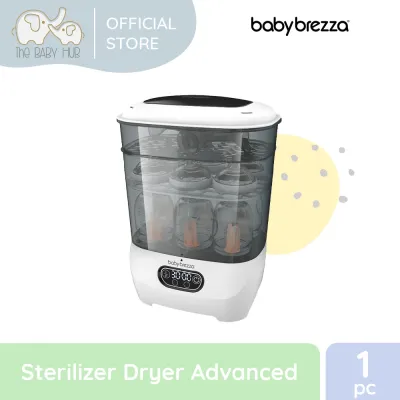
Steam sterilization is one of the most reliable ways to protect your baby’s developing immune system from harmful bacteria, viruses, and mold. For parents using the Baby Brezza sterilizer dryer, understanding which bottle materials can safely withstand this appliance’s intense heat is essential. Placing the wrong material inside can lead to warped plastics, melted parts, or the release of unwanted chemicals.
Generally, high-quality borosilicate glass, food-grade or medical-grade silicone, polyphenylsulfone (PPSU), and high-quality polypropylene (PP) are safe to sterilize in this machine. However, each material reacts differently to repeated heat cycles and requires specific care. Knowing how to identify these materials and spot early signs of wear ensures your feeding equipment remains safe, hygienic, and functional for your little one.
How Steam Sterilization Affects Bottle Materials
To eliminate 99.9% of household germs, steam sterilizers like the Baby Brezza operate by heating water until it turns into steam, reaching temperatures around 100°C (212°F). This hot steam envelopes the bottles and accessories, penetrating small crevices that normal washing might miss. While this high-heat environment is highly effective for sanitation, it places significant thermal stress on any object placed inside the chamber.
Products mentioned in this guide
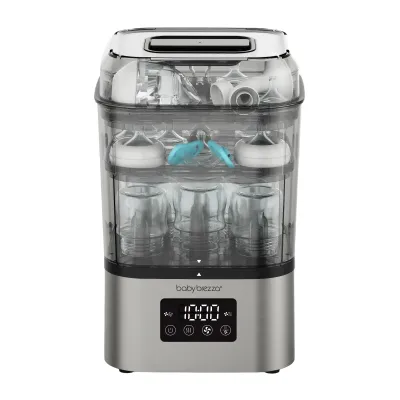
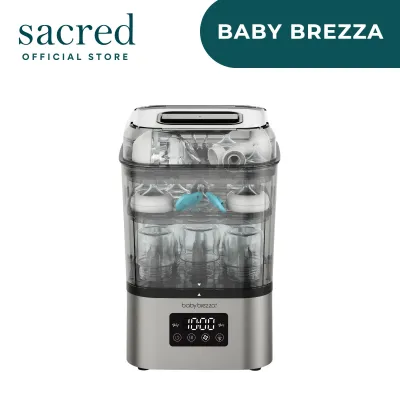
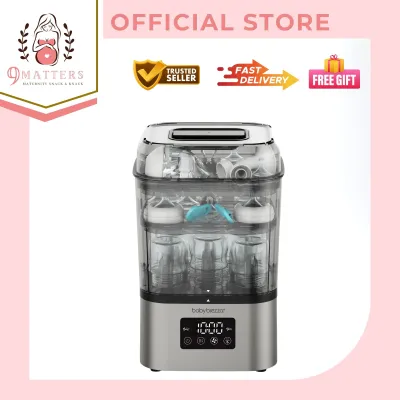
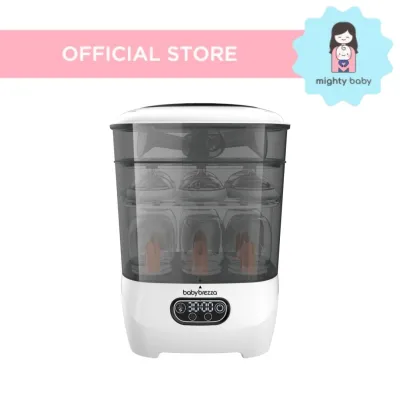
Prices are valid at publication and may change. Please refer to the product page for the latest price.
Many parents assume that if a bottle is labeled “microwave safe” or “dishwasher safe,” it is automatically suitable for a dedicated steam sterilizer. This is a common misconception. Dishwashers typically wash at lower temperatures (around 50°C to 70°C) and rely on water pressure rather than continuous, direct steam. Microwave-safe ratings simply mean the material won’t absorb microwave radiation, but it may still warp under the intense, sustained heat of a steam sterilization cycle.
Repeated exposure to high heat and moisture can accelerate the aging process of certain polymers. If a plastic is not specifically engineered to withstand sustained boiling temperatures, the heat can break down its chemical bonds. This structural degradation can cause the plastic to warp, crack, develop micro-scratches, or potentially leach chemical byproducts into the milk. Consequently, verifying the exact material of every bottle component is a critical safety step for every parent.
Material-by-Material Compatibility Guide
Selecting the right bottle material involves balancing durability, weight, convenience, and heat tolerance. Different materials require distinct handling practices to maximize their lifespan and maintain safety.

Glass and Silicone
Borosilicate glass is a premium material highly favored for its exceptional thermal resistance and chemical purity. Unlike standard glass, borosilicate glass is engineered to handle extreme temperature fluctuations without cracking. It does not degrade, scratch easily, or leach chemicals, making it an incredibly safe option for steam sterilization in the Baby Brezza.
Despite its durability, glass is still susceptible to thermal shock. This physical phenomenon occurs when a material undergoes a rapid, extreme change in temperature, causing uneven expansion and structural failure. To prevent your glass bottles from cracking or shattering, never transfer them directly from a cold refrigerator or freezer into the hot steam sterilizer. Allow the bottles to reach room temperature before starting a cycle, and let them cool down completely before handling or filling them with cold liquids.
Medical-grade silicone is another highly heat-resistant material commonly used for bottle nipples, collars, and flexible silicone bottles. It can easily withstand the 100°C steam environment without losing its flexibility or shape. However, silicone is naturally porous, meaning it can absorb food oils, milk residues, and strong odors over time.
If silicone parts are not thoroughly cleaned with warm, soapy water before sterilization, the intense heat can bake the remaining milk fats directly into the material. This often results in cloudy, white spots or a persistent sour smell. Always ensure all silicone components are completely free of residue before placing them in the sterilizer to maintain their clarity and hygiene.
PPSU and PP Plastics
Polyphenylsulfone (PPSU) is widely considered the gold standard for plastic baby bottles. Easily recognizable by its natural, honey-colored or amber tint, PPSU is a medical-grade plastic that boasts an exceptionally high heat deflection temperature, often exceeding 180°C. This makes it incredibly resilient against repeated steam sterilization and drying cycles.
Because PPSU does not warp, degrade, or absorb odors easily, it can withstand hundreds of sterilization cycles without losing its structural integrity. While PPSU bottles generally carry a higher upfront price tag in the Philippines—often costing more than standard plastic options—their long-term durability makes them a highly cost-effective investment. They rarely need to be replaced due to heat degradation, saving parents money over time.
Polypropylene (PP), on the other hand, is the most common plastic used for budget-friendly baby bottles. It is semi-translucent, lightweight, and generally safe for steam sterilization. However, PP has a much lower heat tolerance than PPSU, typically around 110°C to 120°C. This narrow safety margin means that while PP is safe for the Baby Brezza, it is far more prone to long-term degradation from repeated heating.
Over time, the cumulative thermal stress of steam cycles will cause PP bottles to age. Parents must regularly inspect PP bottles for physical signs of breakdown. Common indicators include a cloudy or hazy appearance, a distinct yellowing of the plastic, the formation of fine micro-scratches on the inner walls, or a sticky, tacky texture. These changes indicate that the plastic polymer is breaking down, which can harbor bacteria in the microscopic crevices. When these signs appear, the bottle must be replaced immediately.
Materials and Parts to Keep Out of the Sterilizer
Not all plastic baby products are built to handle high heat. Bottles made from Polyethylene Terephthalate (PET) or older Polycarbonate (PC) must never be placed in a steam sterilizer. PET is highly sensitive to heat and will quickly melt or warp out of shape at temperatures above 60°C. Polycarbonate, which was widely used in the past, can release Bisphenol A (BPA) when exposed to high temperatures, posing health risks.
You must also keep any components with electronic parts or batteries out of the sterilizer. Some modern smart bottles feature integrated temperature sensors, digital displays, or Bluetooth transmitters in their bases or collars. Exposing these electronic elements to hot steam will permanently damage the circuitry and create a safety hazard.
Specialized anti-colic venting systems also require careful attention. Many of these systems feature delicate, unverified silicone membranes, intricate plastic valves, or weighted straws designed to reduce air ingestion. While the main tube is often sterilizer-safe, some ultra-thin membranes can warp, tear, or lose their airtight seal under intense steam pressure. If these parts deform, the anti-colic system will fail to function correctly. Always consult the bottle manufacturer’s specific care instructions before sterilizing these intricate parts.
Additionally, painted accessories, decorative collars, or bottles with cheap printed designs may degrade in a steam sterilizer. The heat can cause the paint or decals to melt, bubble, or peel away. The Baby Brezza user manual explicitly advises parents to follow the individual bottle manufacturer’s guidelines, as the appliance manufacturer cannot guarantee the heat resistance of third-party accessories.
How to Verify Your Bottles Are Safe for the Baby Brezza
Before running your first sterilization cycle, establish a reliable routine to verify the safety of your baby bottles. This simple checklist will help prevent accidental damage to your equipment.
First, inspect the physical markings on the bottom of the bottle. Most manufacturers mold a recycling symbol and a material abbreviation directly into the plastic base. Look for the letters “PP” (Polypropylene), “PPSU” (Polyphenylsulfone), or a glass symbol. If you see “PET” or a recycling code “1”, do not place the bottle in the sterilizer.
Second, consult the original packaging or the bottle brand’s official website. Look for explicit confirmation that the product is “steam sterilizer safe” or “suitable for boiling.” Do not rely on generic marketing terms like “BPA-free” or “eco-friendly,” as these do not guarantee thermal stability.
Third, perform a thorough physical inspection of each bottle before loading. Run your fingers along the inner and outer surfaces to check for deep scratches, cracks, or chips. Pay close attention to the neck of the bottle where the collar screws on, as this area experiences high mechanical stress. If you detect any structural damage, discard the bottle, as cracks can harbor bacteria and weaken further under high heat.
Best Practices for Loading and Drying
To achieve optimal sanitization and protect your bottles from physical damage, proper loading technique is essential. Always completely disassemble every bottle before placing it in the Baby Brezza. This means separating the nipple from the collar, removing the cap, and taking apart any anti-colic valves or vents. Leaving parts assembled prevents steam from reaching the overlapping surfaces, creating cold spots where bacteria can survive.
When arranging items on the racks, place all bottles upside down. This allows the rising steam to enter the bottle cavity directly and circulate effectively. Ensure that no items are packed so tightly that they block the steam vents at the bottom of the chamber. Additionally, position the bottles so they do not touch the heating element or the sides of the sterilizer, which can cause localized overheating and melting.
In the warm and humid climate of the Philippines, proper drying is just as important as sterilization. Leftover moisture inside a warm bottle creates an ideal breeding ground for bacteria and mold. Use the Baby Brezza’s drying function to thoroughly dry all components. To facilitate this, angle nipples, collars, and valves on the upper rack so that water cannot pool in their crevices. Proper spacing ensures that the heated air can circulate freely, leaving your bottles completely dry, sterile, and ready for immediate use or storage.
Frequently Asked Questions (FAQ)
Can I sterilize bottle nipples and pacifiers in the Baby Brezza?
Yes, most high-quality silicone bottle nipples and pacifiers are perfectly safe for steam sterilization in the Baby Brezza. Silicone is highly heat-resistant and maintains its shape well. However, you must exercise caution with natural latex pacifiers or nipples. Natural latex is highly sensitive to heat and moisture; repeated exposure to steam will cause it to degrade rapidly, becoming sticky, weak, and prone to tearing. Always check the manufacturer’s specific material guidelines and age limits before sterilizing.
Why do my PP bottles turn yellow after steam sterilization?
Yellowing or cloudiness in polypropylene (PP) bottles is a common result of repeated high-heat exposure combined with mineral deposits from water. In many areas of the Philippines, tap water contains high levels of minerals (hard water), which can leave a white or yellowish residue on plastic surfaces when heated. While mild discoloration is primarily cosmetic, a sticky texture, persistent sour odor, or deep micro-scratches indicate that the plastic polymer is breaking down. If these structural signs appear, replace the bottle immediately.
Is it safe to steam sterilize bottles with printed measurement lines?
Most reputable baby bottle brands use food-safe, heat-resistant inks for their printed measurement markings, allowing them to withstand standard steam sterilization. However, if you notice the printed lines beginning to fade, bubble, peel, or scratch off after repeated cycles, it is best to replace the bottle. Flaking paint or ink can pose a minor ingestion risk and indicates that the outer surface of the bottle is starting to degrade.

Community discussion
Share your experience or ask a question. Comments are reviewed before publication.