
When preparing a bottle for your little one, safety is always your top priority. If you use a milk warmer for baby feeding routines, you might wonder which bottle materials can withstand the heat without compromising your child’s health. The quick answer is that high-quality borosilicate glass, food-grade silicone, and certified BPA-free plastics are generally safe to use in a milk warmer, provided they are rated for the warmer’s operating temperatures. However, safety is never universal; it depends entirely on the specific bottle manufacturer’s guidelines, the type of heating element your warmer uses, and regular inspections for material wear.
In a tropical climate like the Philippines, where high humidity and warm ambient temperatures can accelerate bacterial growth in milk, a dedicated warmer is a highly convenient tool. It allows you to heat expressed breast milk or formula quickly and evenly from the refrigerator. Yet, because different materials react uniquely to heat, understanding how your specific bottles interact with steam or hot water baths is essential to prevent chemical leaching, structural damage, or nutrient loss in the milk.
Understanding How Milk Warmers Affect Bottle Materials
Baby milk warmers typically heat bottles using one of two methods: a warm water bath or rapid steam. A water bath circulates warm water around the bottle, transferring heat gradually and evenly. Steam warmers use a smaller amount of water heated to a high temperature to create steam, which warms the bottle much faster but subjects the outer material to a sudden, intense burst of heat. Both methods are effective, but they place different levels of thermal stress on the bottle.
Products mentioned in this guide
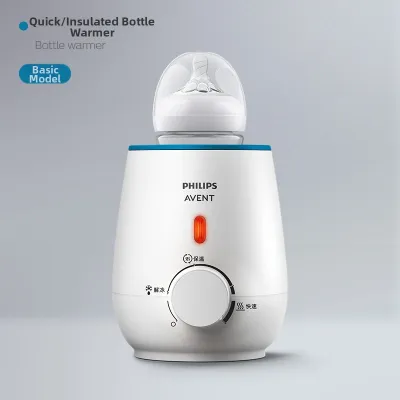
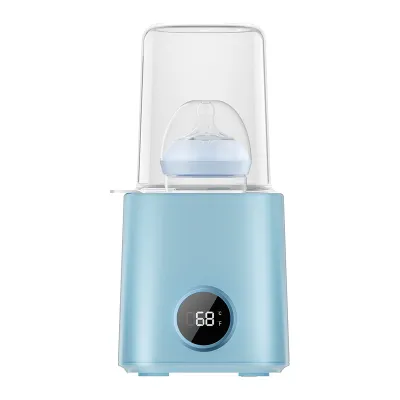
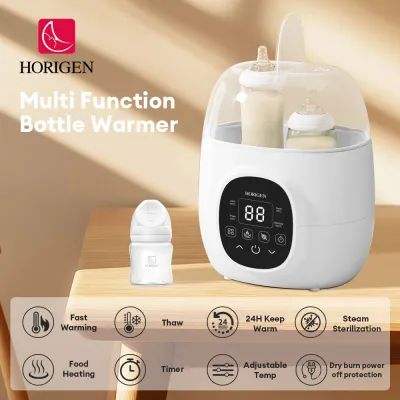
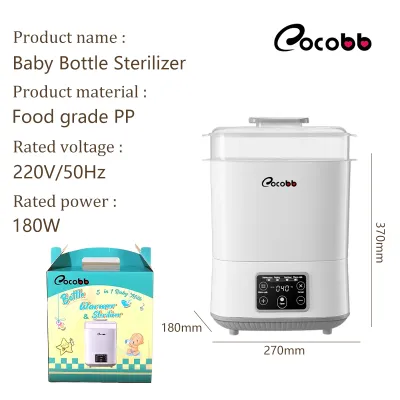
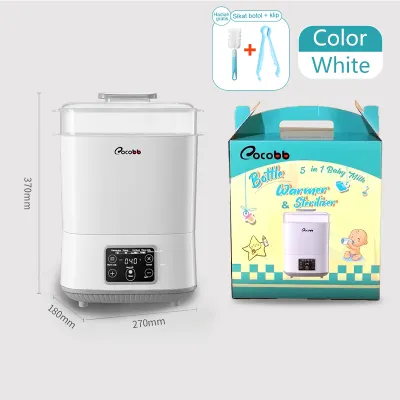
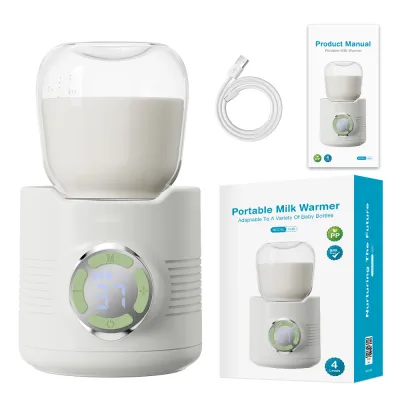
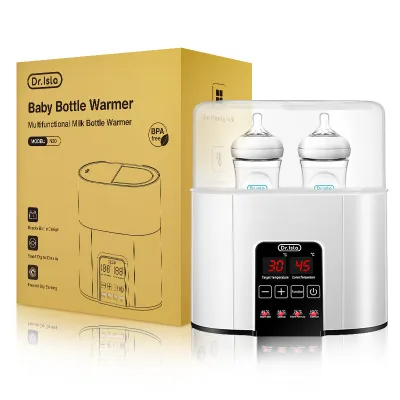
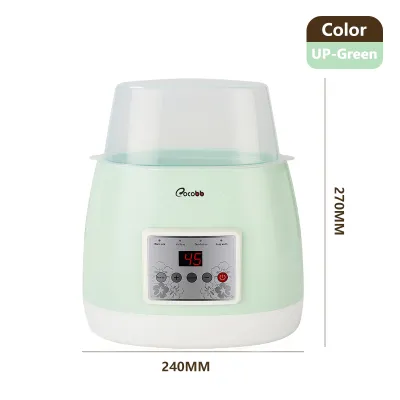
Prices are valid at publication and may change. Please refer to the product page for the latest price.
Every time you place a bottle into a warmer, the material undergoes a rapid temperature transition. Repeated cycles of heating and cooling cause materials to expand and contract, which can stress the structural integrity of the bottle over time. If a material is not designed to handle these rapid shifts, it can crack, warp, or degrade, potentially allowing microscopic particles or chemicals to migrate into the milk.
In the Philippines, the ambient tap water temperature is often higher than in temperate countries, usually ranging from 25°C to 30°C. This warmer starting temperature means your milk warmer may heat the water bath or generate steam much faster than the manufacturer’s default settings estimate. Consequently, the bottle material is subjected to rapid thermal changes, making high-quality construction and material compatibility even more critical to prevent overheating.
Furthermore, overheating can destroy the delicate nutrients, antibodies, and vitamins in breast milk. The rate at which heat transfers through the bottle wall depends on the material’s thickness and thermal conductivity. For instance, glass transfers heat much faster than silicone or thick plastic. If you do not match the warmer’s settings to the specific bottle material, you risk creating dangerous hot spots or overheating the milk.
Ultimately, whether a bottle is safe for a milk warmer depends on the manufacturer’s design, thickness, and specified temperature limits. You should never assume a bottle is safe based on its material type alone. Always verify the maximum temperature threshold listed in your bottle’s user manual against the maximum temperature your milk warmer can reach.
Evaluating Common Bottle Materials for Heat Safety
To make the best decision for your feeding setup, it is helpful to evaluate the physical properties, benefits, and limitations of the three primary bottle materials: glass, plastic, and silicone. Each material requires a different set of verification steps to ensure it can safely withstand the heating process without degrading or releasing unwanted substances.

Glass Bottles
Glass is a traditional choice favored by many parents for its chemical inertness and durability. When evaluating glass bottles for use in a milk warmer for baby, the primary factor to verify is the type of glass used. High-quality baby bottles are typically made from borosilicate glass or tempered glass, both of which are engineered to resist thermal shock.
Borosilicate glass contains boron trioxide, which gives it a very low coefficient of thermal expansion, meaning it can transition from cold to hot temperatures without cracking. Standard glass, on the other hand, can easily shatter when subjected to the rapid temperature changes of a steam warmer.
Before placing a glass bottle in your warmer, check the product packaging or the manufacturer’s website to confirm it is explicitly labeled as thermal-shock resistant. Additionally, consult your milk warmer’s instruction manual. Some warmers require specific adapters or basket inserts to prevent glass bottles from contacting the heating element directly, which could cause localized overheating and fracture the glass.
Plastic Bottles
Plastic bottles are lightweight, shatterproof, and widely accessible, making them a popular choice for busy households. However, because plastic is a synthetic polymer, heat safety is a critical consideration. You must verify that any plastic bottle you use is explicitly labeled as free from harmful chemicals, including bisphenol A (BPA), bisphenol S (BPS), and phthalates.
Most modern baby bottles sold in reputable retail stores in the Philippines are labeled as BPA-free, but you should always double-check the packaging or the recycling code on the bottom of the bottle. Look for recycling code 5, which stands for polypropylene (PP), a highly heat-resistant plastic commonly used for baby products. Look for the manufacturer’s stated maximum temperature limit, which is often around 100°C to 120°C for polypropylene, but can vary.
Even when using approved, high-quality plastics, repeated exposure to the heat of a milk warmer and sterilizer will cause the material to degrade over time. Heat can accelerate the breakdown of polymer chains, leading to micro-scratches, cloudiness, or structural softening. Regular inspection is necessary to ensure the plastic remains stable and safe for your baby.
Silicone Bottles
Silicone has gained popularity as a soft, flexible, and highly heat-resistant alternative to both glass and plastic. When choosing silicone bottles, verify that they are made from 100% food-grade or medical-grade silicone. These materials are generally stable at high temperatures, often resisting heat up to 200°C or more, which is well above the operating range of any standard milk warmer.
However, silicone bottles are rarely made of silicone alone. Most designs feature a rigid plastic collar, a threaded ring, or an internal plastic frame to help the bottle maintain its shape and secure the nipple. While the silicone body itself can withstand high heat, these plastic components often have much lower heat tolerances.
Before warming a silicone bottle, check the manufacturer’s guidelines to see if the entire bottle assembly is safe to put in the warmer, or if you need to loosen or remove certain parts first. Some brands also specify that because silicone is a natural insulator, it takes longer to heat milk in a silicone bottle than in glass or plastic, requiring you to adjust your warmer’s cycle time.
How to Verify Your Bottle's Compatibility Before Warming
Before you begin heating your baby’s milk, take a few practical steps to confirm that your specific bottle and warmer combination is completely safe. This simple verification routine helps protect your baby and extends the lifespan of your feeding gear.
- Check the Bottle Label and Symbols: Look closely at the packaging, the bottom of the bottle, or the manufacturer’s documentation. Search for symbols indicating the bottle is safe for microwave use, steam sterilization, or bottle warmers. Note the maximum temperature threshold and compare it to your warmer's specifications.
- Read the Warmer Manual: Every milk warmer for baby has its own set of rules. Open the user guide and look for the section on compatible bottle types. Some warmers explicitly restrict the use of certain materials, extra-wide neck bottles, or specific silicone brands. If your warmer uses a rapid steam cycle, ensure it does not warn against your bottle's specific plastic or glass type.
- Inspect for Wear and Tear: Before every heating cycle, inspect the bottle under good light. For plastic bottles, look for persistent cloudiness, a sticky or chalky texture, deep scratches, or warping. For glass bottles, feel for hairline cracks, chips around the rim, or deep scratches that could fail under thermal stress. For silicone, check for tears, thinning areas, or sticky residue.
- When in Doubt, Stop: If you cannot find the manufacturer’s instructions for either the bottle or the warmer, or if the guidelines are contradictory, do not risk it. Stop using the warmer for that specific bottle. Instead, use a safe alternative warming method, such as placing the bottle in a bowl of warm (not boiling) tap water, until you can contact the manufacturer for clarification.
Best Practices for Safe Bottle Warming and Handling
Using a milk warmer correctly is about more than just material safety; it is also about preserving the nutritional quality of the milk and ensuring your baby does not get burned. Implementing a consistent, safe routine will give you peace of mind during every feed.
- Avoid Overheating: It can be tempting to turn your warmer to the highest setting to quiet a hungry baby quickly, but overheating breast milk or formula destroys essential nutrients and proteins. Furthermore, excessive heat increases the risk of chemical migration from plastic bottles. Use the specific setting recommended for your bottle's material and volume, and never leave a bottle in a warmer longer than the recommended time.
- Test the Temperature Every Time: Milk warmers can heat unevenly, occasionally creating hot spots in the liquid that could scald your baby's mouth. After warming, secure the collar, shake the bottle gently to distribute the heat evenly, and drop a few drops of milk onto the inside of your wrist. The milk should feel lukewarm, not hot. If it feels hot on your skin, let it cool down before feeding.
- Handle Hot Bottles with Care: Removing a heated bottle from a warmer requires caution. Glass bottles, in particular, can retain a significant amount of heat on their outer surface and may be slippery from condensation. Use a clean towel, protective silicone grips, or the warmer's built-in basket to lift the bottle out safely.
- Clean and Dry Properly: In the warm, humid climate of the Philippines, moisture can quickly become a breeding ground for mold and bacteria. After feeding, disassemble all bottle parts and wash them thoroughly in warm, soapy water. Allow them to air-dry completely on a clean rack in a well-ventilated area. Residual milk fat left on a bottle can scorch during subsequent warming cycles, damaging the material and ruining the milk's flavor.
- Maintain Your Warmer: Hard water is common in many Philippine households, which can lead to a buildup of mineral scale on your warmer's heating element over time. This scale acts as an insulator, forcing the warmer to run hotter or longer to heat your bottles, increasing thermal stress on the bottle materials. Regularly descale your warmer with a mixture of white vinegar and water according to the manufacturer's instructions to ensure it heats accurately and safely.
Frequently Asked Questions (FAQ)
Can I put a cold glass bottle directly into a warm milk warmer?
Putting a cold glass bottle directly from the refrigerator into a pre-heated milk warmer is not recommended unless the manufacturer explicitly states it is safe. This sudden, extreme change in temperature causes thermal shock, which can cause even high-quality borosilicate glass to fracture or shatter instantly. To prevent this, either use a milk warmer that features a gradual-heating start from room temperature, or allow the refrigerated glass bottle to sit on the counter for a few minutes to take the chill off before starting the warming cycle. Always consult your specific bottle and warmer manuals for their precise temperature transition guidelines.
How do I know if my plastic bottle is degrading from heat?
You can identify a degrading plastic bottle by looking for clear physical changes in the material. Inspect the bottle regularly for persistent cloudiness or discoloration that does not wash away, a sticky or chalky texture on the surface, deep internal scratches, or warping of the bottle neck that makes it difficult to screw the collar on tightly. A lingering sour odor that persists even after thorough washing and sterilization is another common sign of material breakdown. If you observe any of these signs, stop heating the bottle immediately and replace it, as degraded plastic is more susceptible to chemical leaching and can harbor harmful bacteria in its microscopic cracks.

Community discussion
Share your experience or ask a question. Comments are reviewed before publication.