
Warming breast milk or formula to the ideal temperature requires a careful balance of convenience and safety. When using a milk heater electric appliance, the material of your baby’s bottle plays a critical role in how heat is transferred and whether the process remains entirely safe. Parents often choose between glass, plastic, and silicone bottles, but each material reacts differently to the thermal stress of electric warming.
Understanding these differences helps prevent physical damage to your feeding gear and protects your baby from potential chemical leaching. While glass offers excellent heat resistance, food-grade silicone and high-grade plastics have their own specific safety profiles and operational limits. By matching your bottle material to the correct heating method, you can ensure a safe, efficient feeding routine every time.
Core Safety Standards for Heating Baby Bottles
Before placing any bottle into a milk heater electric device, it is essential to understand how these appliances transfer heat. Most modern electric warmers operate using one of two primary methods: a gentle water bath or direct steam heating. A water bath system surrounds the bottle with warm water, gradually raising the temperature of the milk in a controlled manner. In contrast, steam heating uses a small amount of water vaporized at high temperatures to warm the bottle rapidly.
Products mentioned in this guide
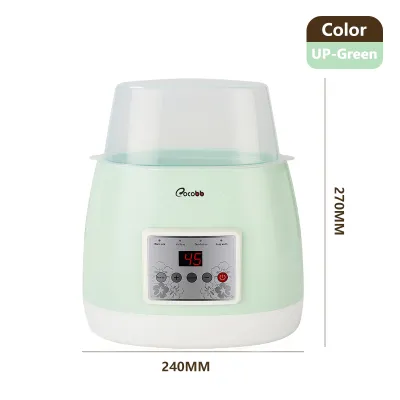
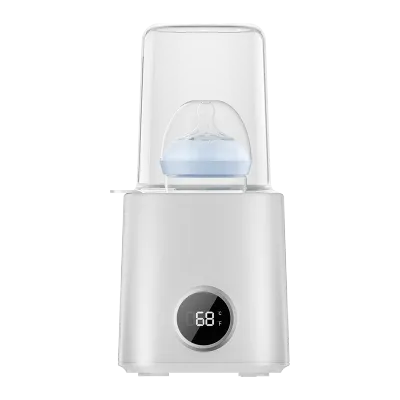
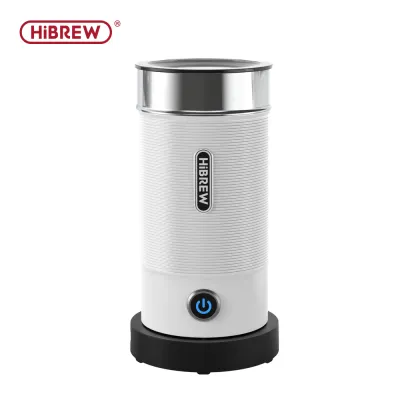
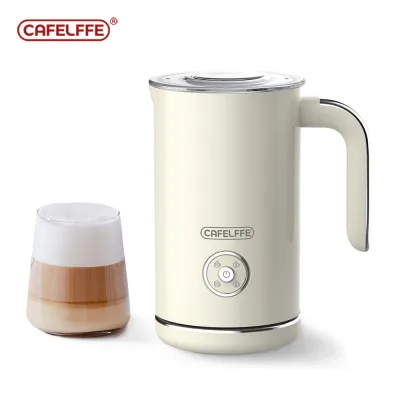
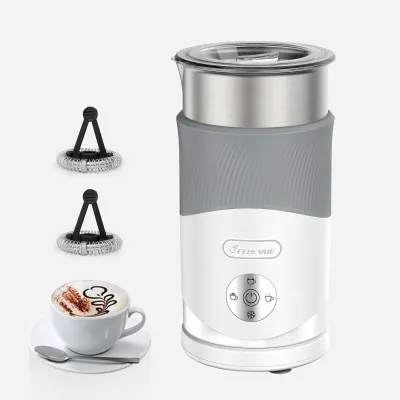
Prices are valid at publication and may change. Please refer to the product page for the latest price.
Each heating mode subjects bottle materials to different levels of thermal stress. Steam heating can quickly reach temperatures that exceed the safe thresholds of lower-grade plastics, potentially causing warping or accelerated material degradation. Consequently, verifying the maximum temperature limit of your bottle material is a fundamental safety step. Most high-quality bottles list these thermal limits on their packaging or in the user manual.
Repeated exposure to high temperatures can compromise the structural integrity of baby bottles over time. For some materials, this thermal stress increases the risk of chemical leaching, where microscopic compounds migrate from the container into the milk. To mitigate these risks, caregivers must carefully cross-reference the bottle’s care instructions with the operational settings of the electric heater. Never assume that a bottle is safe for all heating modes simply because it is labeled as heat-resistant.
Glass Bottles: Heat Resistance and Breakage Risks
Glass bottles are widely regarded as the gold standard for thermal stability and chemical purity. Because glass is an inert material, it does not contain industrial chemicals or plasticizers, meaning there is zero risk of chemical leaching during the heating process. Glass can easily withstand the high temperatures generated by both water bath and steam-based electric milk heaters, making it an exceptionally durable option for daily sterilization and warming.

However, the primary hazard associated with glass bottles is physical vulnerability, specifically the risk of thermal shock. Thermal shock occurs when glass experiences a rapid, extreme change in temperature, causing it to expand or contract unevenly and shatter. For example, taking a cold glass bottle directly from a refrigerator in an air-conditioned room and placing it immediately into a pre-heated, steaming milk heater electric unit can cause the glass to crack instantly.
To prevent thermal shock, always allow a chilled glass bottle to sit at room temperature for a few minutes before initiating the warming cycle. Alternatively, ensure your electric heater starts from a cool or lukewarm state rather than a pre-heated setting. Additionally, caregivers should regularly inspect glass bottles for micro-cracks, hairline fractures, or small chips around the rim and base. These minor imperfections can compromise the structural integrity of the bottle, leading to sudden breakage under the pressure of thermal expansion.
When removing a hot glass bottle from the heater, use caution. The exterior of the glass can retain significant heat, posing a burn risk to the caregiver or leading to accidental drops. Utilizing the heater’s built-in basket or wearing a protective silicone sleeve can help you safely handle the bottle without risking physical damage or spills on your kitchen counter.
Plastic Bottles: Checking Material Grades and Leaching Risks
Plastic baby bottles are highly popular due to their lightweight, shatterproof design, making them convenient for busy households and travel. However, because plastic is a synthetic polymer, caregivers must be highly vigilant about the specific material grade used in their bottles. Common safe plastic resins include Polypropylene (PP), Polyphenylsulfone (PPSU), and Polyethersulfone (PES). It is crucial to verify that any plastic bottle you use is explicitly certified as BPA-free and BPS-free on the product label.
PP bottles are generally the most affordable but have a lower thermal tolerance and tend to degrade faster under repeated heating cycles. PPSU and PES are high-grade, medical-grade plastics that offer superior heat resistance and durability, often surviving hundreds of heating and sterilization cycles without warping. Despite their durability, all plastic bottles eventually show signs of wear and tear that indicate they should no longer be subjected to heat.
Caregivers should perform regular visual and tactile inspections of all plastic bottles. Look for signs of degradation such as persistent cloudiness, deep scratches, warping, or a sticky, tacky texture on the surface. Scratches on the inner walls of a plastic bottle can harbor bacteria and accelerate the breakdown of the polymer when exposed to the heat of a milk heater electric appliance. If any of these signs are present, the bottle should be retired from heating duties immediately.
Always check the manufacturer’s stated maximum temperature limit for your specific plastic bottle against the highest temperature setting of your electric heater. If your heater features a rapid-steam mode that exceeds the bottle’s safe limit, stick to the gentle water bath setting. Replacing plastic bottles every four to six months (which typically cost around ₱300 to ₱800 each) is a practical way to maintain feeding safety.
Silicone Bottles: Heat Tolerance and Heater Stability
Food-grade silicone has emerged as a popular alternative to both glass and plastic, offering a soft, squeezable texture that mimics the feel of natural feeding. High-quality silicone bottles are typically made from 100% food-grade or medical-grade silicone, which possesses excellent thermal stability. Silicone can withstand high temperatures well within the range of standard electric milk heaters and steam sterilizers without melting or releasing harmful chemicals.
Despite its high heat tolerance, the physical flexibility of silicone presents unique operational challenges inside a milk heater electric unit. Because silicone bodies are soft and pliable, they can easily tip over or deform if they are not placed securely within the heater’s basket or rack. A tipped bottle can spill milk directly into the heating chamber, creating a difficult cleanup task and potentially damaging the appliance’s heating element. Always ensure the bottle sits upright and stable before starting the cycle.
Another critical factor to consider is heat distribution. Silicone is a relatively poor thermal conductor compared to glass or thin plastic. This means that heat transfers through the thick silicone walls much more slowly, which can result in unevenly warmed milk or significantly longer heating times. Caregivers may need to adjust their warming routines, occasionally swirling the milk gently mid-cycle to ensure even heat distribution and prevent localized hot spots that could burn a baby’s sensitive mouth.
Furthermore, silicone is a porous material that can absorb milk fats, soap residues, and environmental odors over time, especially in warm, humid tropical climates. Repeated heating cycles can lock in these odors, leading to a persistent stale smell. Regularly inspecting the surface of the silicone for physical degradation, discoloration, or a sticky residue is essential to ensure the material remains safe and hygienic for your baby.
Step-by-Step Compatibility Check for Your Specific Gear
To ensure your bottle and milk heater electric appliance work safely together, follow a systematic compatibility check before your first use. Begin by cross-referencing the user manuals for both products. The bottle manufacturer will specify the maximum safe temperature and approved heating methods, while the heater manual will outline the temperature ranges achieved by its various operational modes. If the two sets of instructions conflict, always defer to the more conservative temperature limit.
Next, select the appropriate heating mode on your electric appliance. For daily warming, a gentle water bath mode is highly recommended for all material types, as it minimizes thermal stress and reduces the risk of localized overheating. Reserve rapid-steam modes only for materials with verified high-temperature ratings, such as glass or premium PPSU, and ensure you monitor the process closely.
During the heating cycle, observe the bottle for any immediate physical changes. If you notice warping, a sudden chemical odor, or excessive steam escaping from the heater, halt the process immediately and unplug the appliance. Once the cycle is complete, carefully check the surface temperature of the bottle before offering it to your baby. Swirl the liquid to distribute the heat evenly, and test a few drops on the inside of your wrist to verify it is safe.
If you encounter persistent issues, such as a plastic bottle warping at a standard setting or a silicone bottle failing to warm the milk within a reasonable timeframe, contact the respective manufacturers for guidance. Do not attempt to bypass safety recommendations by using unapproved settings or modifying the heating chamber, as this can compromise both the appliance’s safety and your baby’s health.
Decision Framework: Which Material Fits Your Routine?
Choosing the right bottle material for your electric milk heater depends on your daily routine, handling preferences, and safety priorities. Glass is the ideal choice if your primary concern is absolute chemical purity and long-term durability. It is perfect for parents who do not mind the extra weight and are willing to take precautions against thermal shock and physical breakage.
If you prioritize lightweight convenience and portability, high-grade plastic bottles like PPSU or PES are excellent alternatives. They are highly durable and shatterproof, making them perfect for travel or active days out. However, choosing plastic requires a commitment to regular inspections, strict adherence to temperature limits, and replacing the bottles at the first sign of wear or cloudiness.
Silicone bottles offer a middle ground, combining the shatterproof safety of plastic with a high thermal tolerance similar to glass. They are excellent for babies who prefer a soft, squeezable bottle, provided you verify that the bottle fits securely in your electric heater’s basket and you are prepared for slightly longer warming times due to silicone’s natural insulation properties.
Before finalizing your setup, verify the age and condition of your current gear. If you are using older hand-me-down plastic bottles, or if the manufacturer’s heating instructions are missing entirely, it is safest to replace them with new, clearly labeled options. Always prioritize a setup that allows you to warm your baby’s milk safely, consistently, and without unnecessary stress.
Frequently Asked Questions (FAQ)
Can I leave the bottle in the electric milk heater overnight?
No, you should never leave a bottle of milk inside an electric heater overnight. Keeping milk at a warm, constant temperature for extended periods creates an ideal breeding ground for harmful bacteria, which can multiply rapidly and pose a severe health risk to your baby. Additionally, prolonged exposure to heat can accelerate the degradation of plastic and silicone bottle materials. For convenient night feeds, keep pre-measured water at room temperature and mix the formula fresh, or warm a pre-prepared bottle only when your baby wakes up.
Does heating plastic bottles in a water bath release microplastics?
Repeatedly heating plastic baby bottles, even in a gentle water bath, can contribute to the gradual degradation of the polymer structure, which may release microplastics into the liquid. High temperatures, physical scrubbing, and acidic cleaning agents can accelerate this shedding process. To minimize this risk, avoid using boiling water or high-heat steam settings with plastic bottles, and never use abrasive brushes that scratch the inner walls. Regularly inspect and retire any plastic bottles that appear cloudy, scratched, or worn.
Why does my silicone bottle smell after using the milk heater?
Silicone is a porous material that can easily absorb milk fats, dishwashing detergents, and environmental odors, especially when subjected to the heat of an electric warmer. When heated, the pores of the silicone expand, allowing these residues to settle deeper into the material. To resolve this, wash the bottle thoroughly with a mild, fragrance-free dish soap immediately after feeding. If a persistent odor remains, you can boil the silicone parts in clean water with a small amount of baking soda, provided this method is approved by the bottle manufacturer’s care guidelines. If the smell persists despite deep cleaning, it may be time to replace the bottle.

Community discussion
Share your experience or ask a question. Comments are reviewed before publication.