
Securing your home for an active baby requires a systematic approach that matches your child’s developmental milestones with the right protective gear. Bonjour Baby offers a diverse range of baby-proofing products designed to address common household hazards, but the most effective setup depends entirely on your specific living space, furniture types, and installation methods. Rather than buying a generic bundle, parents should evaluate each room’s unique layout to select the exact locks, guards, and straps that fit their needs.
In the Philippines, tropical humidity and local home construction materials—such as concrete walls and varnished hardwood furniture—play a significant role in how safety devices perform. Adhesives may degrade faster in warm, humid climates, and mounting hardware must be compatible with solid masonry or lightweight drywall. By understanding these environmental factors and matching them with verified product specifications, you can create a reliable safety net that supports active adult supervision.
Identifying Room-Specific Hazards Before You Shop
Before browsing any product catalog, you must systematically assess your home from your child’s physical perspective. A baby’s world changes dramatically as they transition from crawling on the floor to pulling themselves up on low surfaces. What was once a distant, safe object suddenly becomes a reachable hazard, making it essential to anticipate these developmental shifts before they occur.
Products mentioned in this guide
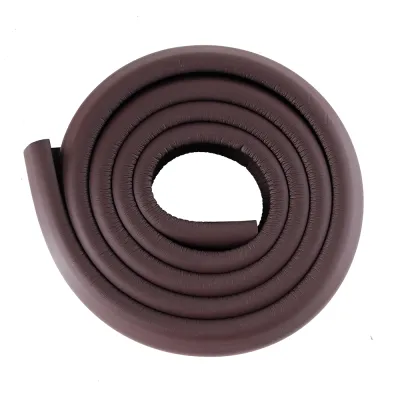
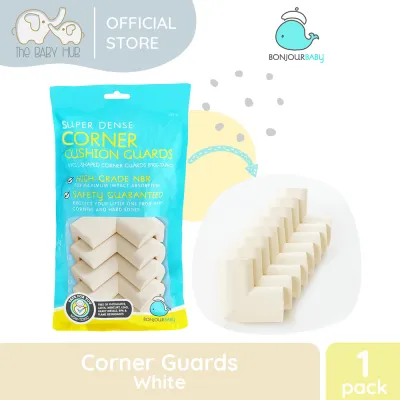
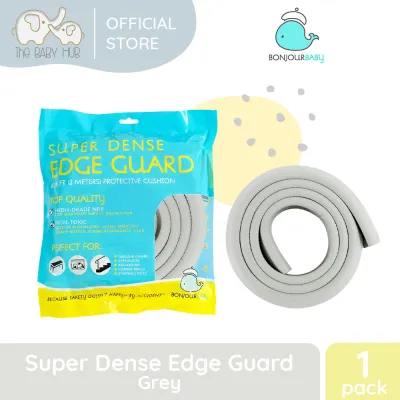
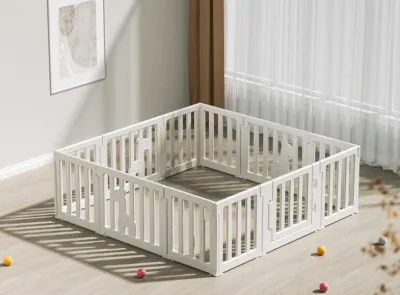
Prices are valid at publication and may change. Please refer to the product page for the latest price.
To conduct a thorough home assessment, get down on your hands and knees and perform a floor-level walkthrough of every accessible room. From this vantage point, you will easily spot hidden pinch points, exposed electrical outlets, dangling cords, and sharp edges on low-lying furniture. Take note of heavy items like television screens, bookshelves, and console tables that could easily tip over if a child attempts to climb them.
The layout of your home also dictates your containment and zoning strategies. Open floor plans, which are increasingly popular in modern residential designs, present different challenges than traditional segmented layouts. While segmented rooms can often be isolated using standard safety gates, open spaces may require a combination of extra-wide barrier gates, playpens, and localized furniture securing systems to keep your child within a supervised zone.
Additionally, consider the specific materials of your floors and walls during this initial walkthrough. Smooth ceramic tiles, common in tropical climates for their cooling properties, offer very little traction for crawling knees and can make falls more impactful. Identifying these high-risk zones early allows you to prioritize which areas require immediate intervention and which products will physically fit your home’s structural elements.
Securing Living and Play Areas Against Falls and Impacts
The living room is typically the hub of family activity, making it the most common site for minor bumps, scrapes, and falls. Low coffee tables, media consoles, and exposed shelving units often feature sharp corners and hard edges that sit directly at a toddler’s eye or forehead level. Installing soft corner and edge protectors is a practical first step to cushion these inevitable impacts.

When selecting edge guards, verify the attachment method and material composition specified by the manufacturer. In humid environments, high-quality, heat-resistant adhesives are necessary to prevent the guards from peeling away when subjected to daily wear and tear. Ensure the materials are labeled as non-toxic, as curious infants frequently attempt to bite or chew on soft foam protectors installed within their reach.
Entertainment centers present a dual hazard of electrical risks and heavy, unstable objects. Standard outlet covers are essential for blocking access to open wall sockets, but cord management boxes or shorteners are equally important for keeping power strips and long cables out of sight. Dangling cords from lamps, speakers, or media players pose both a strangulation hazard and a risk of pulling heavy appliances down onto your child.
Furniture tip-overs represent one of the most severe risks in living areas, especially as children learn to pull themselves up to a standing position. Heavy items such as television stands, bookcases, and display cabinets must be securely anchored to the wall using heavy-duty furniture straps. When installing these straps, always verify the weight limits and installation guidelines provided by both the furniture manufacturer and the safety strap producer.
In homes with concrete or masonry walls, standard drywall screws included in safety kits will not suffice. You must use appropriate masonry anchors and a hammer drill to ensure a secure hold that can withstand the force of a climbing child. If you are unsure about your wall’s structural integrity or lack the necessary tools, consult a qualified local handyman to complete the installation safely.
Childproofing the Kitchen and Dining Room
The kitchen is a high-traffic zone filled with unique hazards, from sharp utensils and toxic cleaning agents to hot appliances and heavy cookware. Securing cabinets and drawers is paramount to keeping these items completely out of reach. Parents generally choose between magnetic locking systems and mechanical latch locks, each offering distinct operational advantages.
Magnetic locks are installed entirely inside the cabinet or drawer, keeping them completely hidden from view and preserving the aesthetic of your kitchen. They require an external magnetic key to disengage the lock, which makes them highly secure against persistent toddlers. However, you must store the magnetic keys in a high, secure location out of the child’s reach while ensuring they remain easily accessible to adult family members.
Mechanical latch locks, on the other hand, allow the cabinet or drawer to open slightly before catching on a plastic hook, requiring an adult to press down on the latch to release it. While these are often easier to install and do not require a key, they do create a small gap where tiny fingers can potentially get pinched if the drawer is slammed shut. Additionally, older or more observant toddlers may eventually learn how to press the latch themselves.
Before purchasing any locking system, carefully check the compatibility of the safety locks with your specific cabinet handle designs and drawer depths. Some locks require a flat interior surface for adhesive mounting, while others must be screwed directly into the cabinet frame. If you have modern handleless cabinets or drawers with shallow clearances, standard latches may not function correctly, requiring alternative strap locks or external loop locks.
Stove areas and major appliances require specialized protection to prevent severe burns and electrical accidents. Stove knob covers prevent toddlers from accidentally turning on gas or electric burners, while appliance locks keep oven, refrigerator, and microwave doors securely shut. Ensure that any safety device used near heat sources is rated for high-temperature exposure and does not interfere with the appliance’s ventilation pathways.
Managing Bathroom and Nursery Risks
Bathrooms present significant water and chemical hazards that require strict access control. Installing a reliable toilet lid lock is a crucial step to prevent curious toddlers from opening the lid, which poses both a drowning hazard and a risk of contact with unsanitary water. Additionally, door knob covers or high safety latches should be installed on bathroom doors to restrict unsupervised entry entirely.
In the nursery, safety measures must focus on maintaining a secure sleep environment without introducing new hazards. When adding any safety devices or monitors near cribs and bassinets, verify that they do not interfere with the structural integrity of the furniture. Never attach aftermarket accessories directly to crib rails unless they are explicitly approved by the crib manufacturer, as they can create entrapment points or compromise stability.
Keep all cords from baby monitors, lamps, and humidifiers at least three feet away from the crib. Active infants can easily reach through crib slats to pull cords inside, creating a serious strangulation risk. If you use wall-mounted monitors, ensure the cables are encased in rigid plastic cord covers that are securely fastened to the wall, rather than left hanging loose.
While anti-slip mats and bath seat rings are helpful tools for the tub, they have distinct limitations and must never be viewed as safety guarantees. These products are designed solely to assist with positioning and traction, not to prevent drowning. There is no substitute for constant, hands-on adult presence during bath time; never leave your child unattended in the bathroom, even for a few seconds to answer a phone or grab a towel.
Pre-Purchase Checklist for Baby Safety Gear
To ensure you invest in safety gear that is durable, effective, and suitable for your specific home environment, use this practical checklist before making any purchases:
- Verify Age and Weight Limits: Always read the product labels and manufacturer documentation for specific age, weight, or developmental stage recommendations. Using a safety gate or lock that your child has outgrown can lead to failure, as older toddlers may possess the strength or coordination to bypass or break the device.
- Check Material Safety: Ensure all plastics, foams, and adhesives are certified non-toxic and free from harmful chemicals like BPA, phthalates, and heavy metals. Look for products with smooth, rounded edges and verify that there are no small, detachable parts that could pose a choking hazard if they become loose.
- Compare Prices and Shipping: Compare prices in ₱ across authorized brand websites and reputable online marketplaces. When purchasing bulky items like extra-wide safety gates or multi-pack safety kits, factor in shipping costs and delivery times to ensure you get the best value without compromising on authenticity.
- Assess Installation Compatibility: Review the installation instructions before buying to confirm the product is compatible with your home's surfaces. If a safety gate requires drilling into a door frame but you live in a rental property with strict drilling restrictions, you will need to look for pressure-mounted alternatives.
- Know When to Seek Professional Help: If the installation instructions for heavy items like furniture anchors or wall-mounted gates conflict with your home's wall materials (such as hollow blocks or plaster), stop the installation. Consult a qualified professional contractor to ensure the safety gear is anchored securely and correctly.
Frequently Asked Questions (FAQ)
Can adhesive safety products damage my furniture or walls?
Adhesive-backed safety locks and corner guards can potentially damage certain household surfaces, depending on the material and how they are removed. Untreated wood, freshly painted walls, and delicate wallpaper are particularly susceptible to peeling or staining when adhesives are pulled off. To minimize this risk, always test a small, inconspicuous area of the furniture or wall before applying the adhesive to highly visible sections. When it is time to remove the safety gear, follow the manufacturer’s removal instructions carefully; using a hairdryer to gently warm and soften the adhesive, or applying a mild solvent like rubbing alcohol, can help release the bond without tearing the underlying surface.
When is the right time to remove baby-proofing devices?
The decision to remove baby-proofing gear should be based on your child’s individual behavioral milestones rather than a strict calendar age. You can begin gradually removing certain locks and guards once your child consistently understands and obeys safety boundaries, demonstrates safe navigation of stairs and corners, and possesses the physical dexterity to bypass the locks anyway. However, some safety devices should remain in place indefinitely regardless of your child’s age. Furniture anchoring straps, for example, should never be removed as long as heavy wardrobes, bookshelves, and televisions remain in your home, as these items pose a tip-over risk to older children and adults alike during earthquakes or accidental impacts.

Community discussion
Share your experience or ask a question. Comments are reviewed before publication.