
Keeping your baby comfortable and safe during sleep is a top priority for every parent, especially in a tropical climate where temperatures fluctuate between humid afternoons and cool, air-conditioned nights. While a cozy kumot pang bata (baby blanket) might seem like a nursery essential, introducing loose bedding too early poses serious safety risks. Safe sleep guidelines emphasize that a baby’s development, rather than age alone, should dictate what kind of sleep covering is appropriate. By understanding your child’s physical milestones, you can choose the right wearable options or traditional blankets to ensure they stay safe and comfortable throughout the night.
Assessing Your Child's Readiness for Different Blanket Types
To establish a secure sleep environment, parents must first understand the baseline safety standards recommended by pediatric experts. For young infants, the gold standard is a completely bare sleep space—meaning no loose blankets, pillows, bumpers, or soft toys in the crib. This bare-crib rule is crucial because loose fabrics can easily cover a baby’s nose and mouth, leading to accidental suffocation or rebreathing of carbon dioxide.
Instead of relying on a calendar to decide when to introduce a traditional blanket, you should closely observe your child’s motor milestones. A baby is not ready for loose bedding until they can consistently roll over in both directions, push objects away from their face, and independently adjust their position. These physical capabilities ensure that if a blanket accidentally covers their face, they have the strength and coordination to remove it.
Products mentioned in this guide
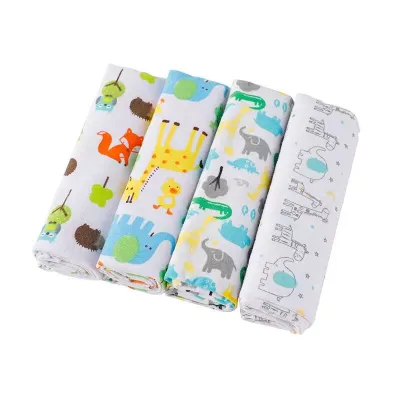
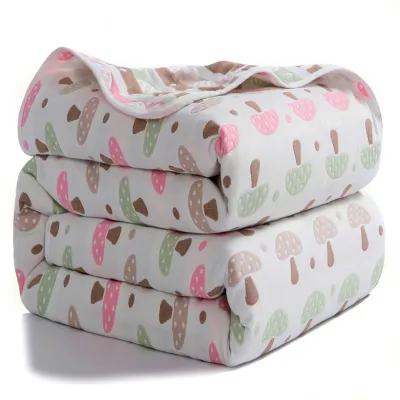
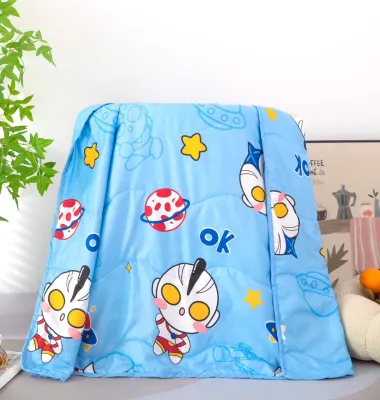
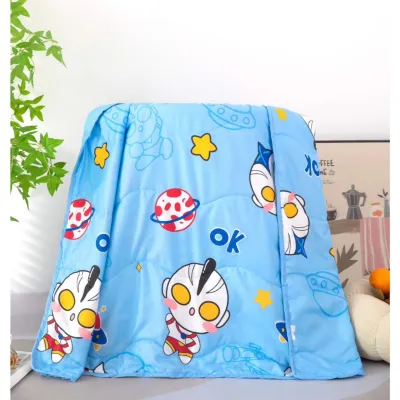
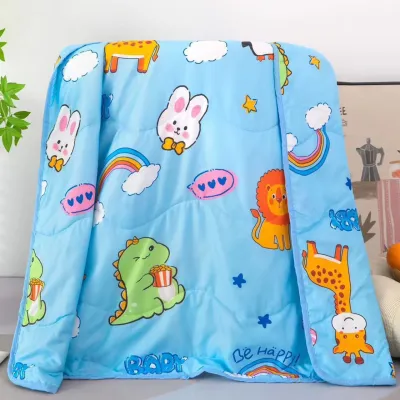
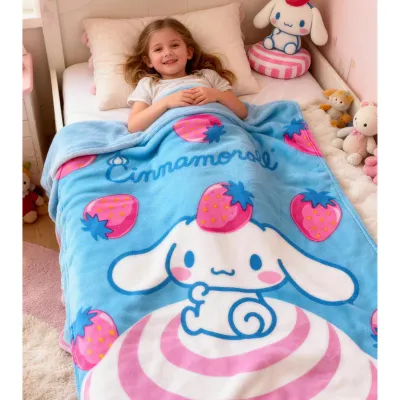
Prices are valid at publication and may change. Please refer to the product page for the latest price.
Because every child develops at their own pace, it is always best to consult your pediatrician before making changes to their sleep setup. Your pediatrician can evaluate your baby’s specific health profile, growth, and motor control to provide personalized guidance on when it is safe to transition from wearable sleepwear to a loose blanket.
Safe Warming Alternatives for Infants Under 12 Months
For babies under one year old, wearable sleep options provide the necessary warmth without the hazards of loose sheets. In tropical regions, managing the sleep environment requires balancing natural ventilation or air conditioning with lightweight, breathable layers. Parents should always check the manufacturer’s documentation for specific weight, height, and age limits to ensure a secure fit that prevents the garment from riding up over the baby’s face.

Swaddles for Early Newborns
Swaddling is a traditional method that helps newborns feel secure by mimicking the snug environment of the womb. However, this practice must be carefully timed and executed. The most critical rule of swaddling is to stop immediately at the first sign of your baby attempting to roll over. Whether they are rolling from back to front or front to back, once they show this mobility, swaddling poses a severe risk because they cannot use their arms to reposition themselves.
When swaddling, you must also prioritize hip health. Tight wrapping that forces the legs straight down can lead to hip dysplasia. Instead, use a hip-healthy wrapping technique that allows your baby’s hips and knees to bend naturally, keeping their legs in a relaxed, slightly flared “frog-leg” position.
Additionally, always verify that the swaddle material is highly breathable, such as lightweight cotton muslin, to prevent overheating in warm climates. The swaddle must fit securely around the chest but remain loose enough around the hips, ensuring no loose fabric can unravel and cover the baby’s airway.
Wearable Blankets and Sleep Sacks
Once your baby outgrows the swaddle, wearable blankets—often called sleep sacks—are the ideal next step. These garments act like a sleeping bag with armholes or sleeves, keeping your baby warm while keeping their face completely clear. When purchasing a sleep sack, do not rely solely on the age range printed on the box; instead, match the product’s sizing chart to your baby’s current weight and height.
Before putting your baby to sleep, perform a quick fit check. Ensure the neckline is snug enough that the baby’s head cannot slip down inside the sack, yet loose enough to be comfortable. The armholes should also fit well, preventing the baby’s arms from slipping inside the garment. While high-quality sleep sacks can range from ₱500 to over ₱2,000 on various online marketplaces, prioritize fit and fabric breathability over brand name.
Always read the care labels on these wearable blankets. Proper washing preserves the fabric’s integrity and maintains any flame-resistant properties specified by the manufacturer. Avoid using fabric softeners if the label warns against them, as they can degrade the safety treatments of certain materials.
Transitioning to Crib Blankets for Older Babies and Toddlers
Introducing a traditional, loose blanket is a milestone usually reserved for toddlers who have developed full mobility. When you decide to make this transition, select a blanket with dimensions that match the toddler bed or crib mattress precisely. Excessively large blankets create unnecessary folds of fabric that can lead to entanglement or trapping during active sleep. Avoid any heavy, weighted, or heavily embellished blankets, as these can restrict movement or present choking hazards.
Identifying Signs of Readiness
Before placing a loose blanket in your child’s bed, observe their behavior during waking and sleeping hours. A key indicator of readiness is the child’s ability to consistently and easily uncover their own face if a cloth is placed over it. If they still struggle with basic motor coordination or panic when their face is covered, they are not yet ready for loose bedding.
Most pediatric guidelines suggest waiting until the child is at least 12 months old before introducing any loose items into the crib. By this age, toddlers have typically developed the neck strength, trunk control, and limb coordination needed to navigate their sleep space safely.
Additionally, monitor how much your child moves during sleep. If they are highly active sleepers who constantly spin, roll, or kick, they may easily become tangled in a loose blanket. For these active sleepers, continuing to use a larger toddler-sized sleep sack with foot openings may be a safer and more comfortable option.
Selecting the Right Size and Material
When choosing a traditional blanket, look for dimensions specifically designed for toddler beds. Adult throw blankets or full-sized bedsheets are far too large and pose a significant risk of wrapping around a small child. A compact, toddler-sized blanket provides just enough coverage without the extra bulk.
The material of the blanket is especially important in tropical climates. Prioritize lightweight, breathable fabrics such as open-weave cotton, bamboo-derived rayon, or muslin. These fabrics allow air to circulate freely, reducing the risk of overheating even if the blanket ends up over the child’s head.
Before buying, inspect the weave of the fabric. Avoid loose, knitted, or crocheted blankets with large gaps. Tiny fingers and toes can easily get caught in these loops, which can cut off circulation or cause distress during the night. A tight, fine weave is much safer for young children.
Pre-Use Safety Inspection Checklist
Before any blanket enters your child’s sleep space, perform a thorough physical inspection. Check all edges and seams for loose threads, unraveling, or weak stitching. Active toddlers can easily pull on loose threads, which can wrap around their fingers or limbs, creating a constriction hazard.
Next, ensure the blanket is entirely free from decorative embellishments. Items like buttons, bows, ribbons, tassels, or detachable appliqués are major choking hazards if they become loose. Keep the bedding as simple and plain as possible.
Always wash the blanket before its first use according to the manufacturer’s instructions. This initial wash removes any chemical residues, dust, or starch from the manufacturing and shipping process, while also softening the fabric to prevent skin irritation.
Finally, check for any recent product recalls or safety warnings. You can search online databases or the manufacturer’s official website using the product’s model number or name to verify that the item is safe for continued use.
Frequently Asked Questions (FAQ)
Can I use a lightweight receiving blanket for my newborn's sleep?
Receiving blankets are versatile tools, but they are not designed to be left loose in an infant’s crib. They are ideal for supervised activities like swaddling, burping, protecting a stroller seat, or providing a clean surface for tummy time. Using a loose receiving blanket in a crib poses the same suffocation risks as any other loose bedding. For unsupervised sleep, always opt for a secure swaddle or a wearable sleep sack that cannot be kicked up over the baby’s face.
How do I know if my baby is too hot or too cold with their current blanket?
To accurately gauge your baby’s temperature, do not rely on their hands or feet, as extremities naturally feel cooler due to developing circulation. Instead, gently feel the nape of their neck or their chest. If the skin feels hot, sweaty, or damp, your baby is too warm, and you should remove a layer or adjust the room’s ventilation. If the chest or neck feels unusually cold, they may need a slightly warmer sleep sack or a minor adjustment to the room’s air conditioning.

Community discussion
Share your experience or ask a question. Comments are reviewed before publication.