
Welcoming a newborn in the Philippines requires careful preparation, especially when selecting bedding and sleep essentials. A receiving blanket for newborn babies is one of the most versatile items in a nursery, serving as a swaddle, a stroller cover, a burp cloth, or a clean surface for diaper changes. However, choosing the right option in a tropical climate involves balancing comfort with safety. The ideal receiving blanket must keep your baby secure without causing them to overheat in warm, humid weather. To make the best choice, parents should prioritize lightweight, breathable fabrics that support natural temperature regulation.
How to Choose the Best Receiving Blanket for a Tropical Climate
Selecting baby essentials in the Philippines requires a different approach than in cooler regions. The primary challenge is managing the combination of high ambient temperatures and high relative humidity. For a newborn, whose internal temperature regulation system is still developing, an inappropriate blanket can quickly lead to discomfort, heat rash, or more severe health risks.
Material breathability is the most critical factor to assess. Fabrics with an open weave allow air to circulate freely around your baby’s body, preventing trapped heat from raising their temperature. Alongside breathability, moisture-wicking properties are essential. Newborns sweat when they are warm, and a fabric that absorbs and quickly dissipates moisture helps keep their skin dry, reducing the risk of friction-induced irritation or prickly heat.
Products mentioned in this guide
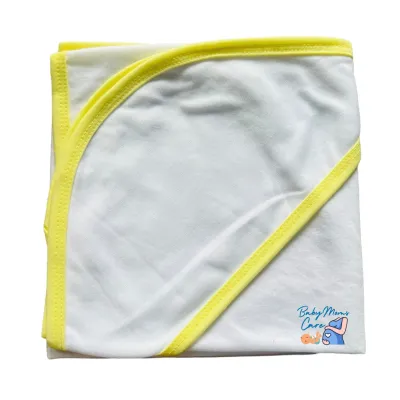
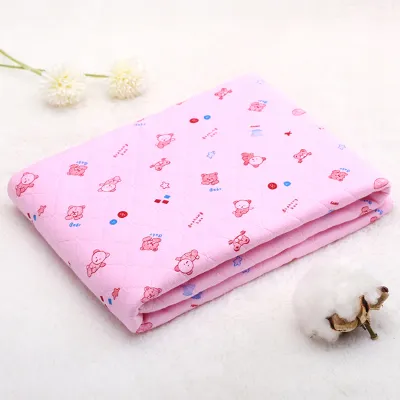
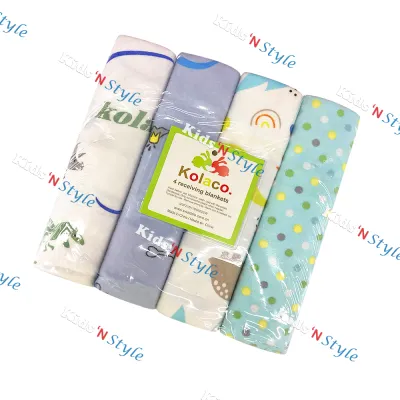
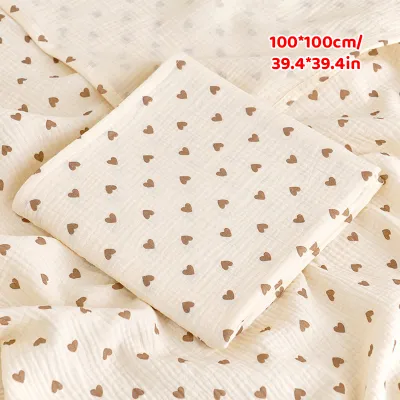
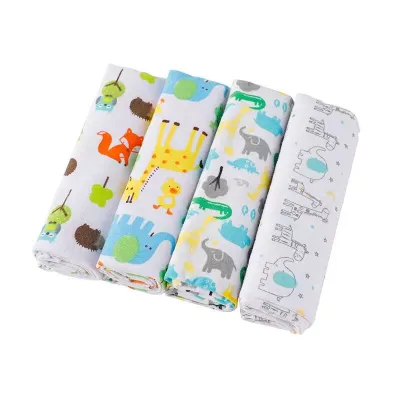
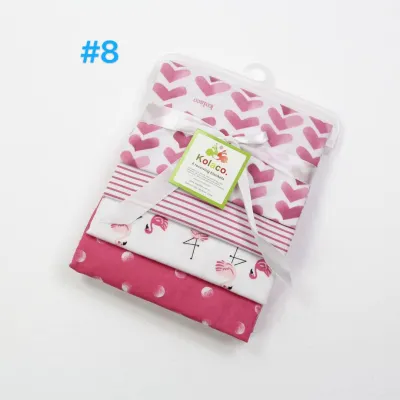
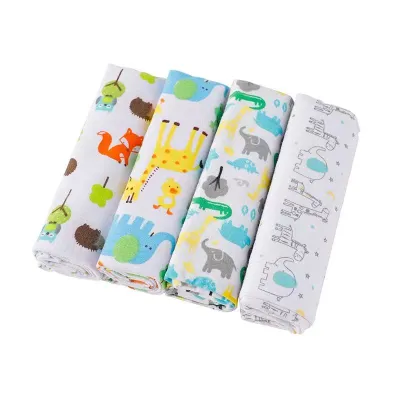
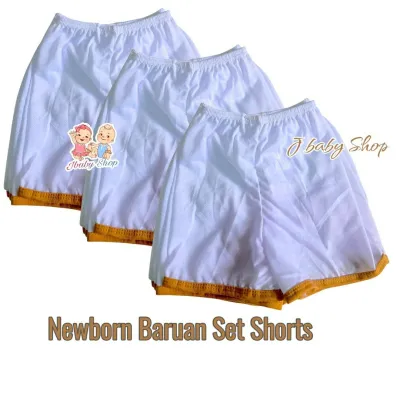
Prices are valid at publication and may change. Please refer to the product page for the latest price.
Weave tightness directly influences both airflow and insulation. A loose, open weave, such as that found in traditional muslin, offers excellent ventilation. Conversely, tightly woven fabrics trap a layer of warm air close to the skin, which is rarely suitable for daytime use in non-air-conditioned Philippine homes. When evaluating blankets, hold the fabric up to the light; a visible, grid-like pattern with tiny gaps indicates a highly breathable weave.
Size is another crucial decision dimension. Standard receiving blankets often measure around 30 by 30 inches, which is highly practical for burping or lining a stroller but can be difficult to wrap securely around a growing baby. Oversized blankets, typically measuring 40 by 40 inches or 47 by 47 inches, provide enough fabric for a secure, hip-healthy swaddle that will not easily unravel as your newborn moves.
Thickness must be carefully calibrated to your specific home environment. While a single-ply, lightweight blanket is ideal for natural ventilation during warm afternoons, you may require a slightly thicker option if your baby sleeps in a room with constant air conditioning. The goal is to maintain a comfortable microclimate around the infant without adding unnecessary weight or bulk.
Heavy, non-breathable, or purely synthetic fabrics should be avoided for everyday swaddling. Materials like polyester, thick acrylic knits, or heavy cotton quilts trap body heat and humidity, creating a damp, hot environment that can cause rapid overheating. Overheating is a recognized risk factor for sleep-related infant distress, making fabric selection a safety-critical decision.
Finally, consider the practicalities of laundry. In the Philippines, high humidity and frequent rainy periods can make drying clothes a slow process. Receiving blankets require constant washing due to spit-up, diaper leaks, and sweat. Selecting fabrics that are easy to machine wash and quick to air-dry ensures you always have a clean, dry blanket ready without needing an excessive inventory.
Recommended Receiving Blanket Materials for Warm Weather
Understanding the properties of different textiles allows you to match the blanket to your baby’s sleeping environment. Different materials perform uniquely under various temperature and humidity levels.

Muslin Cotton Blankets
Muslin cotton is widely regarded as an exceptional fabric choice for tropical climates due to its lightweight nature and open-weave construction. This specific weave style allows air to flow through the fabric continuously, which significantly reduces the risk of overheating during sleep. The natural fibers are highly breathable, making muslin an excellent option for both daytime naps and overnight sleep in warm rooms.
One of the most appealing characteristics of muslin cotton is how its texture evolves over time. Rather than stiffening or degrading, high-quality muslin becomes progressively softer with repeated washing. This natural softening process makes it incredibly gentle against a newborn’s delicate skin, minimizing the risk of chafing or mechanical irritation during a snug swaddle.
However, muslin cotton does have specific limitations that caregivers should keep in mind. Because it is a natural, loosely woven fiber, it is prone to shrinkage if washed in hot water or dried on high heat settings. To maintain the blanket’s original dimensions, it is best to use cool or lukewarm water and air-dry the fabric. Additionally, parents should check the ply count of the blanket. A 2-ply muslin blanket provides minimal insulation and maximum airflow, which is perfect for hot days, while a 4-ply version offers slightly more structure and warmth for air-conditioned nights.
Bamboo Blend Blankets
Bamboo-derived fabrics, often blended with cotton, have grown in popularity due to their unique performance characteristics in warm weather. Bamboo fibers possess natural cooling properties, often feeling noticeably cool to the touch. This material is exceptionally smooth and silky, providing a luxurious texture that minimizes friction against sensitive skin, making it highly suitable for babies prone to eczema or dry skin.
The moisture absorption capacity of bamboo is another significant benefit. It can absorb moisture more efficiently than standard cotton, pulling sweat away from the baby’s skin and allowing it to evaporate. This active moisture management helps maintain a stable, comfortable body temperature even during humid nights.
When shopping for bamboo blankets, it is important to check the care label for the exact blend ratio. A blend such as 70% bamboo viscose and 30% cotton often strikes an ideal balance, combining the silky softness and cooling properties of bamboo with the structural durability of cotton. Pure bamboo fabrics can sometimes stretch out of shape or pill over time if not laundered with care. To prevent pilling, wash these blankets on a gentle cycle inside a mesh laundry bag, and avoid washing them alongside rough items like zippers or velcro.
Lightweight Fleece or Minky
While lightweight fleece and minky fabrics are incredibly soft and plush, their use in a tropical climate like the Philippines must be highly selective. These materials are made from synthetic fibers, such as polyester, which are designed to retain heat. Consequently, they do not offer the same breathability or moisture-wicking capabilities as natural fibers and can quickly cause a baby to overheat in standard, uncooled room temperatures.
These plush blankets are best reserved for specific, controlled environments. If your nursery is kept consistently cool with air conditioning, or if you are traveling in a vehicle with strong AC, a lightweight fleece blanket can provide the necessary warmth to keep your baby comfortable. They are also useful during the cooler, rainy months of the Habagat season, when indoor temperatures naturally drop.
Due to their stretchable nature and high heat retention, fleece and minky fabrics should not be used for tight swaddling. A tight swaddle with a non-breathable fabric significantly increases the risk of overheating and can restrict airflow if the blanket rides up near the baby’s face. Instead, utilize these plush blankets as loose covers for stroller outings in air-conditioned malls, as a soft surface for supervised tummy time on a cool floor, or as an extra layer draped over a securely swaddled baby under direct supervision.
Material Comparison: Breathability, Warmth, and Care
To help you quickly evaluate your options, the table below compares the three primary receiving blanket materials based on their physical properties, ideal environments, and maintenance needs.
| Material | Breathability Rating | Warmth Level | Best Use Case | Key Care Requirement |
|---|---|---|---|---|
| Muslin Cotton | Excellent | Low | Everyday swaddling, warm rooms, outdoor stroller cover | Wash in cool water; air-dry to prevent shrinkage |
| Bamboo Blends | Very Good | Low to Medium | Humid nights, babies with highly sensitive or dry skin | Wash on gentle cycle; use a laundry bag to avoid pilling |
| Lightweight Fleece/Minky | Low | Medium to High | Heavily air-conditioned rooms, travel, rainy season | Avoid high heat in dryer; do not use for tight swaddling |
Safe Swaddling and Sleep Guidelines for Newborns
Using a receiving blanket for newborn sleep requires strict adherence to safety guidelines to protect your baby from sleep-related hazards and developmental issues. Swaddling can soothe a newborn by mimicking the snug feeling of the womb, but it must be done correctly.
When swaddling, always employ a hip-healthy technique. The blanket should be wrapped snugly around the baby’s chest and arms to prevent the startle reflex from waking them, but it must remain loose and roomy around the hips and knees. Your baby’s legs should be able to bend naturally at the hips and knees, forming a position often described as a “frog-leg” posture. Forcing a baby’s legs into a straight, tight position can lead to hip dysplasia or developmental dislocation of the hip.
It is critical to recognize the developmental milestone that signals when to stop swaddling. You must stop swaddling your baby as soon as they show any signs of attempting to roll over on their own. This milestone typically occurs between 2 and 4 months of age, but can happen earlier. If a swaddled baby rolls onto their stomach, they will not have their arms free to push themselves up or turn their head, which presents a severe suffocation risk.
For unsupervised sleep, including overnight sleep and daytime naps, safe sleep guidelines dictate that no loose items should be present in the crib or bassinet. A receiving blanket should only be used in the crib if it is securely swaddled around the baby. If you are not swaddling, or if your baby has transitioned past the swaddling stage, the blanket must not be left loose in the sleeping area. Loose blankets can easily shift, covering the baby’s nose and mouth and obstructing their airway.
Given the warm climate of the Philippines, monitoring your baby for signs of overheating is a constant responsibility. Check your baby’s physical state regularly during sleep. Signs of overheating include sweating, damp hair, flushed cheeks, rapid breathing, or a chest that feels hot to the touch. If you observe any of these signs, immediately remove the swaddle, adjust the room’s ventilation or air conditioning, and dress your baby in a lighter layer of clothing. If your baby continues to show signs of distress or if you have concerns about their temperature regulation, consult a pediatrician or healthcare professional for guidance.
Smart Shopping: What to Verify Before You Buy
When browsing local retail stores or online marketplaces in the Philippines, it is easy to be overwhelmed by the vast array of baby blankets available. To ensure you are purchasing a safe, high-quality product, you must verify several key details before making a purchase.
Always check the physical material composition tag on the product or read the detailed specifications online. Be cautious of vague descriptions such as “soft cotton blend” or “natural fibers” without specific percentages listed. A high-quality manufacturer will clearly state the exact fiber breakdown, such as 100% cotton or 70% bamboo and 30% cotton. Knowing the exact composition helps you understand how the fabric will perform, wash, and wear over time.
User reviews on e-commerce platforms can provide valuable real-world insights into how a blanket performs after practical use. Look specifically for feedback from parents who have washed the blankets multiple times. Pay attention to comments regarding significant shrinkage, color bleeding during the first wash, or fraying along the stitched edges. If multiple reviews mention that the edges unravel or that the fabric becomes excessively rough after washing, it is best to consider alternative options.
Verify the authenticity of the seller and look for products that comply with recognized textile safety standards. For infant products, verifying that the dyes and materials used are free from harmful chemicals is highly recommended. Look for sellers who provide clear product descriptions, responsive customer service, and straightforward return or exchange policies in case the product arrives damaged or does not match the advertised specifications.
Before any textile touches your newborn’s skin, it must be thoroughly laundered. Pre-washing all new receiving blankets, clothes, and sheets is essential to remove any chemical residues, dust, or starch left over from the manufacturing and packaging processes. Use a mild, fragrance-free detergent formulated specifically for babies to minimize the risk of skin irritation or allergic reactions.
Frequently Asked Questions (FAQ)
How many receiving blankets do I need for a newborn?
For most families in the Philippines, starting with a collection of 4 to 8 receiving blankets is highly practical. The exact number you need depends on your access to laundry facilities and how quickly clothes dry in your local climate, especially during the rainy season. Because newborns frequently spit up, experience diaper leaks, and sweat during warm afternoons, you may go through several blankets in a single day. Having a modest supply ensures you always have a clean, dry blanket available while others are in the wash.
Can I use a receiving blanket as a nursing cover or burp cloth?
Yes, receiving blankets are highly versatile and can easily serve multiple purposes. A lightweight muslin blanket makes an excellent, breathable nursing cover that keeps both you and your baby cool during public feedings, and it can also be draped over a stroller to block bright sunlight. While a receiving blanket can quickly clean up minor drool or spit-up, dedicated burp cloths are often more effective for heavy feeding messes. Dedicated burp cloths typically feature a thick, absorbent middle layer designed specifically to trap liquids and prevent them from soaking through to your clothes.
When should I stop swaddling my baby with a receiving blanket?
You must stop swaddling your baby with a receiving blanket as soon as they show any physical signs of trying to roll over, which commonly occurs between 2 and 4 months of age. Once your baby reaches this developmental milestone, continuing to swaddle poses a safety hazard. To transition away from swaddling while still keeping your baby comfortable, you can switch to a wearable blanket or a sleep sack designed for older infants, ensuring their arms remain free to move naturally.
Community discussion
Share your experience or ask a question. Comments are reviewed before publication.