
Quick Answer: Matching Bebeta Materials to Your Needs
When selecting the ideal baby bottle, there is no single material that fits every family’s needs. The right choice depends on your baby’s age, your lifestyle, and your daily feeding routines. For parents browsing the Bebeta product lineup, the decision usually comes down to three primary materials: glass, polyphenylsulfone (PPSU), and silicone. Each option offers distinct advantages.
Glass provides maximum scratch resistance and pure taste, making it excellent for home use. PPSU offers a lightweight, drop-resistant alternative that withstands high-heat sterilization, making it perfect for travel. Silicone features a soft, squeezable texture that closely mimics breastfeeding, which can help babies transitioning to bottle-feeding. Before purchasing, always verify the specific Bebeta model’s packaging for exact age recommendations and sterilization limits to ensure safe and proper use.
Bebeta Material Profiles: Glass, PPSU, and Silicone
To make an informed decision, it is essential to understand the fundamental physical characteristics of each material. Bebeta offers bottles in glass, PPSU, and silicone to accommodate different parental preferences and developmental stages. Below is a detailed breakdown of how these materials perform in daily use.
Products mentioned in this guide
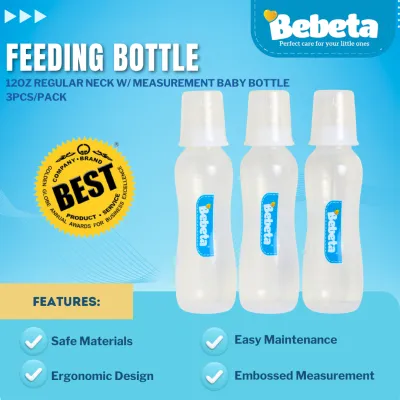
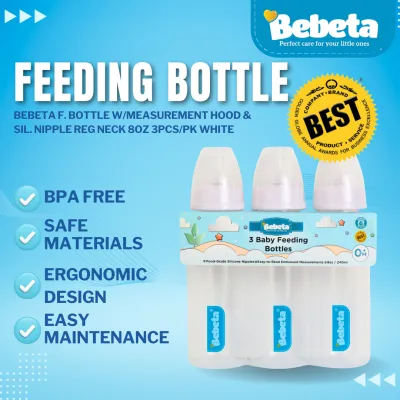
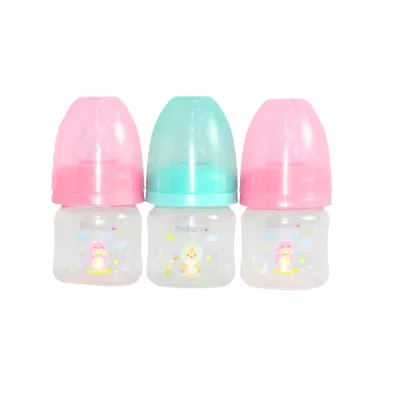
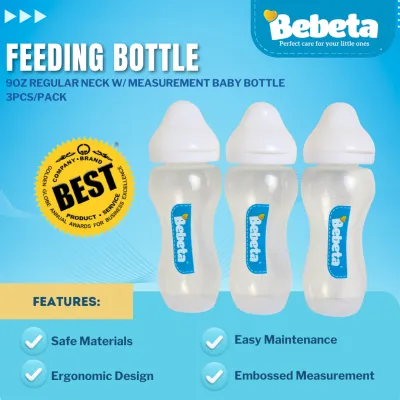
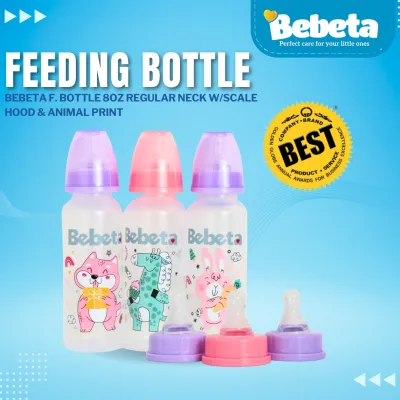
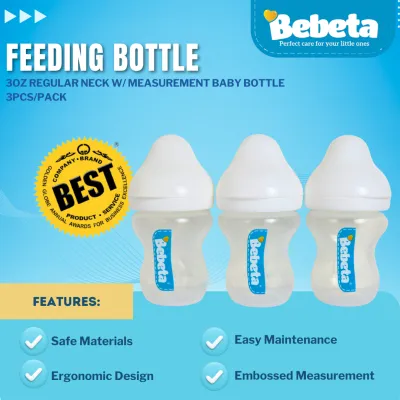
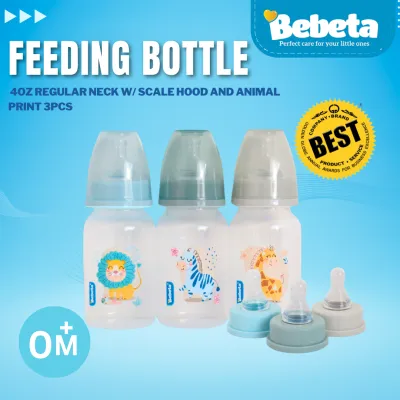
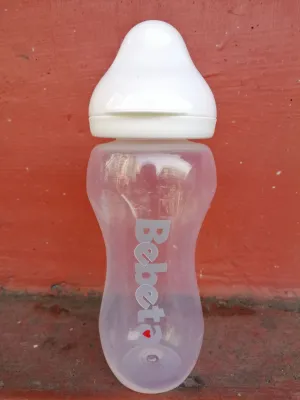
Prices are valid at publication and may change. Please refer to the product page for the latest price.

Glass Bottles
Glass has long been the traditional choice for infant feeding due to its exceptional clarity and hygienic properties. Glass bottles do not retain odors or stains from milk fats, ensuring a clean vessel for every feed. They are highly scratch-resistant, which prevents the microscopic grooves where bacteria can multiply.
However, glass is inherently heavy and can cause hand fatigue during long feeding sessions. The primary drawback is its breakability; a dropped glass bottle can shatter, creating a safety hazard in the nursery. Because of this risk, glass bottles are best suited for supervised, caregiver-led feedings at home rather than independent feeding by older infants.
PPSU (Polyphenylsulfone) Bottles
PPSU is a medical-grade plastic known for its high durability and heat resistance. It is easily recognizable by its natural amber or honey-colored tint. This material combines the lightweight convenience of plastic with the robust thermal properties of glass, making it highly popular among busy parents.
These bottles are virtually shatterproof and can withstand repeated drops onto hard kitchen tiles or outdoor pavements. While PPSU is highly resistant to heat, you should always check the specific product label for exact temperature limits before using high-heat sterilization methods. It is an excellent middle ground for parents who want the safety of a drop-resistant bottle without sacrificing heat tolerance.
Silicone Bottles
Silicone is a modern, flexible material that offers a unique tactile experience for babies. Its softness and squeezability mimic the natural feel of a mother’s breast, which can ease the transition from breastfeeding to bottle-feeding. The pliable body allows babies to practice their grip without the stiffness of traditional plastic or glass.
Despite these benefits, silicone has a natural tendency to attract dust, lint, and pet hair due to static electricity. It also requires careful handling during cleaning and assembly; using sharp objects or applying excessive force can tear the material. Caregivers must handle silicone bottles with care to ensure they remain intact and hygienic.
Safety, Hygiene, and Sterilization Limits for Bebeta Bottles
Ensuring your baby’s bottles are clean and free from harmful chemicals is a top priority. Modern baby bottles are generally expected to be BPA-free and BPS-free, but you should always verify specific safety certifications on the Bebeta packaging before use. Different materials react differently to repeated sterilization, which can impact their hygiene and overall lifespan.
Sterilization is crucial in the humid climate of the Philippines, where warmth and moisture can encourage rapid bacterial growth. Glass and PPSU handle high-heat sterilization methods, such as boiling water or electric steam sterilizers, exceptionally well. Glass is completely inert and does not degrade under high heat. PPSU is also designed to withstand repeated thermal stress, though you must always refer to the manufacturer’s guidelines on the packaging to avoid exceeding the material’s maximum temperature threshold.
Silicone requires more caution when it comes to sterilization. While food-grade silicone is heat-resistant, repeated exposure to UV sterilizers can cause some silicone formulations to degrade or discolor over time. If you use a UV sterilizer, check the Bebeta product box to confirm if the specific bottle is rated for UV exposure. For boiling, ensure the silicone components do not touch the hot metal sides of the pot, as localized hot spots can damage the material.
Another critical hygiene factor is the development of micro-scratches. Over time, bottle brushes and abrasive cleaning agents can create tiny scratches on the inner walls of plastic bottles. These micro-scratches are ideal breeding grounds for bacteria and can be difficult to clean thoroughly. Glass is highly resistant to scratching, maintaining a smooth, hygienic surface for much longer. PPSU is harder and more scratch-resistant than standard polypropylene (PP) plastics, but it still requires a soft sponge or silicone brush rather than a stiff nylon bristle brush. Silicone is soft and less prone to scratching, but it must be inspected regularly for tiny tears or a sticky texture, which indicates the material is starting to break down.
To maintain the safety and integrity of your feeding gear, always follow the exact sterilization instructions provided on the specific Bebeta product box. Deviating from these instructions can damage the bottle, compromise hygiene, or void the product warranty.
Durability, Drops, and Daily Maintenance
In a busy household, baby bottles are subjected to constant washing, dropping, and traveling. Evaluating how each material holds up to daily wear and tear will help you choose a bottle that fits your lifestyle and budget.
- Drop Resistance: Glass is the most fragile option. A single fall onto a concrete patio or a tiled kitchen floor can ruin the bottle and create a hazardous cleanup. PPSU is incredibly resilient; it can bounce off hard surfaces without cracking or chipping, making it the ideal choice for active families who are always on the go. Silicone is naturally shock-absorbent and will simply bounce when dropped, eliminating any risk of breakage or injury.
- Staining and Odors: Milk contains natural fats and proteins that can cling to bottle walls. Silicone and traditional plastics are semi-porous, meaning they can absorb odors and colors from liquids over time, especially if breast milk or formula is left in the bottle for too long. Glass is non-porous and completely neutral; it will not retain smells, yellow over time, or absorb food coloring, ensuring a fresh feed every time.
- Cleaning Ease: Standard rigid bottles like glass and PPSU are easy to scrub with a standard bottle brush because their walls do not bend under pressure. Silicone's flexibility can make manual scrubbing slightly more challenging, as the walls yield when you press against them. Additionally, in the humid climate of the Philippines, silicone's static-prone surface can quickly attract household dust and lint. This requires parents to dry silicone bottles in a well-ventilated area and store them in a clean, closed container immediately after drying.
- Lifespan and Replacement Cues: No baby bottle lasts forever, and knowing when to replace them is vital for safety. Glass bottles have the longest lifespan and only need replacement if they develop chips, cracks, or deep scratches. PPSU bottles should be replaced if they become excessively cloudy, show deep scratches, or develop a stubborn odor. Silicone bottles should be discarded immediately if they feel sticky to the touch, show signs of tearing, or exhibit persistent discoloration that does not wash away.
Matching Materials to Your Baby's Feeding Stage
As your baby grows, their physical abilities and feeding needs change. Matching the bottle material to your baby’s developmental stage ensures a safer and more comfortable feeding experience.
Newborns (0 to 3 Months)
During the first few months of life, infants are entirely dependent on caregivers for feeding. At this stage, the primary focus is on absolute hygiene, precise flow control, and ease of sterilization. Because newborns feed frequently, caregivers spend a significant amount of time washing and sterilizing bottles.
Glass and PPSU are highly suitable for newborns. Since parents do all the holding, the weight of glass is not an issue, and its superior scratch resistance ensures the highest level of hygiene. PPSU is also an excellent option because it can handle the constant sterilization cycles required during a newborn’s fragile early weeks.
Infants Transitioning (4 to 8 Months)
Between four and eight months, babies begin to develop their fine motor skills, hand-eye coordination, and grip strength. They will start reaching for the bottle and attempting to hold it themselves. This is also the period when many mothers transition their babies from exclusive breastfeeding to a combination of breast and bottle-feeding.
Lighter materials are highly beneficial during this transition. PPSU bottles are light enough for an infant to lift without straining their small wrists. Alternatively, soft silicone bottles provide a tactile experience that mimics the warmth and flexibility of the breast, helping to reduce nipple confusion and making the transition smoother for the baby.
Older Babies and Toddlers (9 Months and Above)
As babies reach nine months and older, they become highly active and independent. They will often insist on holding their own bottles and may throw them when they are finished feeding or during a tantrum. This stage involves a high risk of drops and impacts.
For self-feeding toddlers, safety is the paramount consideration. PPSU and silicone are the safest and most practical choices. They eliminate the risk of shattered glass, protecting your toddler from sharp shards and preventing accidental cuts. Using lightweight, durable materials allows your child to practice independent drinking safely.
Final Decision Guide: Which Bebeta Bottle to Buy
To help you finalize your purchase, use this structured decision framework to match your daily routine to the right Bebeta bottle material.
- Choose Glass if: You primarily feed your baby at home, prioritize maximum scratch resistance, want a material that never retains odors or stains, and can safely manage the risk of drops.
- Choose PPSU if: You want a premium, lightweight bottle that is highly durable for travel, can withstand frequent drops on hard surfaces, and can handle rigorous high-heat sterilization.
- Choose Silicone if: Your baby is transitioning from breastfeeding and prefers a soft, squeezable texture, or if you want a shatterproof bottle that is easy for small hands to grip.
Before making your final purchase, always verify the specific Bebeta model’s availability in local stores or online marketplaces. Check the nipple flow compatibility, as different bottle shapes may require specific nipple designs, and double-check the exact sterilization limits printed on the product packaging to ensure it matches your home sterilizer setup.
Frequently Asked Questions (FAQ)
Can I mix different Bebeta bottle materials for the same baby?
Yes, mixing different materials is entirely safe and highly practical. Many parents use glass bottles at home for maximum hygiene and switch to lightweight PPSU or silicone bottles when traveling or visiting relatives. If you choose to mix materials, ensure that the nipples and collars are compatible across the different bottle shapes. You must also track the unique sterilization requirements and replacement timelines for each specific material to maintain safety.
How often should I replace PPSU or silicone Bebeta bottles?
While glass bottles can last indefinitely if undamaged, PPSU and silicone bottles require regular replacement. You should inspect these bottles daily for signs of wear, such as cloudiness, deep scratches, stickiness, or small tears. Generally, it is recommended to follow the manufacturer’s suggested replacement timeline printed on the Bebeta packaging. For plastic and silicone bottles, this typically ranges from three to six months depending on the frequency of use and sterilization.
Are silicone bottles harder to clean in humid climates?
In humid tropical climates like the Philippines, silicone bottles can require extra care. Silicone has a natural static charge that attracts dust, and high humidity can slow down drying times, increasing the risk of mold or mildew buildup. To prevent this, wash silicone bottles thoroughly with a mild dishwashing liquid, rinse them completely, and air-dry them in a well-ventilated area. Once dry, store them in a clean, sealed container to keep them dust-free.

Community discussion
Share your experience or ask a question. Comments are reviewed before publication.