
Choosing the right baby cup for your little one’s weaning stage depends entirely on their current physical and oral motor development. While there is no single cup that suits every baby from the start, transitioning from a bottle or breast to an open trainer cup or a straw cup is highly recommended by pediatric dental and feeding specialists to support healthy oral development.
Starting around six months of age, when solid foods are introduced, you can begin offering small sips of water to help your baby build the coordination needed for independent drinking. By matching the cup style—whether an open cup, a 360-degree rim cup, or a weighted straw cup—to your baby’s emerging skills, you can make the weaning process a positive and developmental milestone.
Understanding Your Baby's Drinking Milestones
Before purchasing any baby cup, it is essential to observe your baby’s physical readiness signals. Weaning is not just about changing what your baby consumes; it is a complex physical transition that requires new motor skills.
Products mentioned in this guide
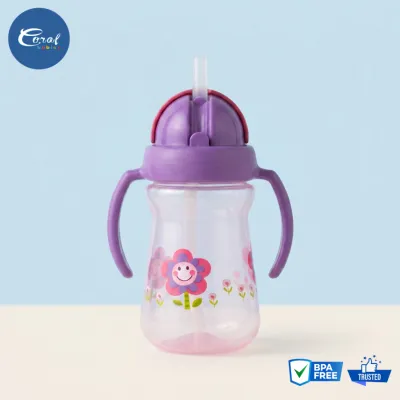
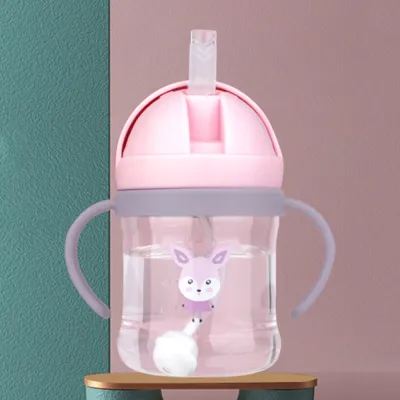
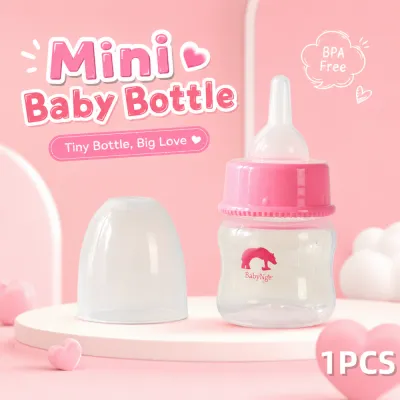
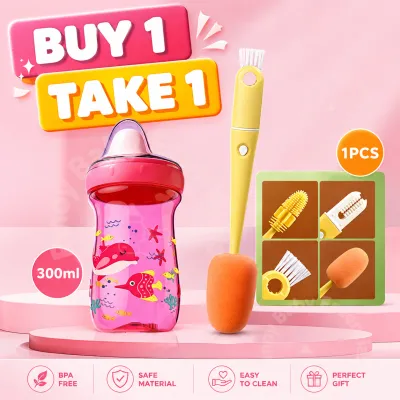

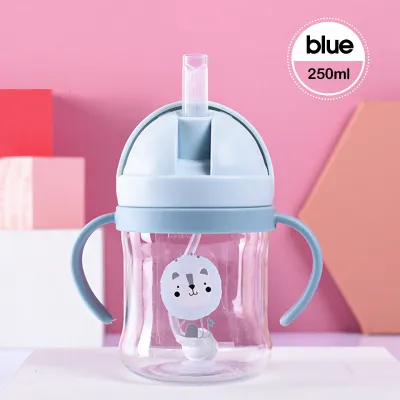
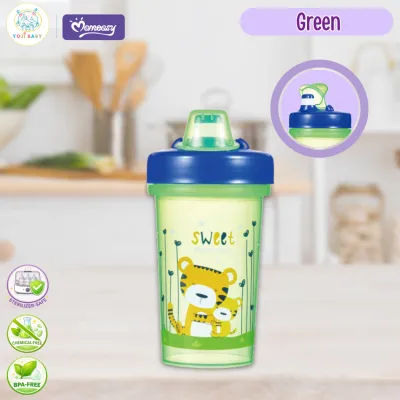
Prices are valid at publication and may change. Please refer to the product page for the latest price.
Look for signs that your baby can sit upright independently with minimal support, as proper posture is crucial for safe swallowing. Your baby should also demonstrate a strong grasp, showing interest in reaching for objects and successfully bringing them to their mouth. This hand-to-mouth coordination is the foundation for holding and tilting a cup.
Oral motor development is another critical factor to monitor during this transitional phase. Unlike the simple suckling reflex used for a bottle or breast, drinking from a cup requires your baby to coordinate lip closure, tongue elevation, and swallowing.
You can observe these skills when your baby begins to swallow purees or soft foods without immediately pushing them out with their tongue. Managing the flow of liquid is a learned skill, and early signs of readiness include the ability to control small amounts of moisture in the mouth without coughing or spilling.
Every baby develops at their own unique pace, and milestones can vary significantly. Some infants may master the straw cup quickly but struggle with an open cup, while others might show an immediate preference for sipping from a rim.
It is important to avoid rushing this process or comparing your child’s progress to others. If you notice that your baby consistently struggles with basic swallowing coordination, experiences frequent choking, or shows no interest in grasping objects by their late infancy, consider consulting your pediatrician or a pediatric feeding specialist for personalized guidance.
Matching Cup Types to Developmental Readiness
Selecting the right cup involves evaluating how different designs align with your baby’s physical abilities. Each cup type serves a specific developmental purpose, helping your baby transition from a primitive suckle to a mature adult swallowing pattern.

Open Trainer and 360 Cups for Early Sipping
Open trainer cups and 360-degree cups are excellent tools for teaching your baby how to drink from a rim. Learning to drink from an open cup is a foundational skill that encourages the development of mature lip closure and tongue posture.
When a baby sips from a rim, they must actively use their upper lip to stabilize the cup and control the flow of liquid. This action strengthens the facial muscles and supports healthy jaw development, which is beneficial for speech and long-term dental health.
A 360-degree cup features a specialized silicone valve that allows liquid to flow only when the baby applies pressure with their lips along the rim. This design mimics the action of drinking from an open cup while offering excellent spill resistance, making it a popular choice for busy households and travel.
However, because the valve requires a specific biting or suction force to release liquid, some babies may find it confusing at first. In contrast, a small, open trainer cup provides immediate feedback but requires constant parental supervision and assistance to prevent messy spills.
When introducing these cups, expect to provide significant hands-on support. For an open cup, choose a small, baby-sized model, preferably with handles and a weighted base to prevent tipping.
You will need to hold the cup with your baby, helping them guide it to their lips and tilting it just enough for a tiny sip. For a 360-degree cup, you may need to demonstrate how the valve works by gently pressing it with your finger to show that water comes out. Over time, as your baby’s hand-to-mouth coordination improves, you can gradually reduce your assistance.
Straw Cups for Advanced Swallowing Coordination
Straw cups are highly recommended by pediatric specialists because they promote excellent oral motor coordination. Drinking through a straw requires a baby to seal their lips tightly around the straw, draw the tongue back, and create active suction.
This action works different muscle groups than bottle feeding, helping to transition the baby away from the infant suckling reflex. The tongue retraction learned during straw drinking is particularly beneficial for speech development and proper swallowing patterns.
When shopping for a straw cup, look closely at the manufacturer’s specifications regarding materials and design features. Many modern baby straw cups feature a weighted ball at the bottom of the straw, which allows the baby to drink from any angle, even when tilted.
This is especially helpful for younger babies who are accustomed to tilting bottles upward. Additionally, look for soft, medical-grade silicone straws that are gentle on developing gums and teeth, as well as spill-resistant valves that prevent liquid from leaking when the cup is dropped or turned upside down.
Transitioning from a bottle nipple to a straw cup can sometimes be challenging because the mechanics of suction are different. To help your baby understand the concept, you can use a simple training method with a reusable silicone straw.
Dip the straw into water, place your finger over the top to trap a small amount of liquid, and let your baby sip it from the bottom. Once they realize that liquid comes out of the tube, they will be much more likely to apply suction when using the fully assembled straw cup.
Evaluating Sippy Cups for Transitional Use
Traditional spout sippy cups have long been a household staple, but their role in modern weaning is increasingly viewed as transitional rather than essential. Most traditional sippy cups feature a hard plastic spout that requires a baby to use a sucking motion very similar to bottle feeding.
Prolonged use of these hard spouts can keep the tongue positioned forward and low in the mouth, which may interfere with the natural development of a mature swallowing pattern and potentially affect palate formation over time.
Despite these limitations, there are narrow conditions where a soft-spout sippy cup can serve as a brief, temporary tool. If your baby is highly resistant to both straw and open cups, a soft, silicone-spouted cup can help bridge the gap between the familiar texture of a bottle nipple and a firmer cup structure.
The key is to treat this as a short-term phase rather than a permanent solution. Choose a model with a flexible, wide spout that encourages a slightly wider latch, and limit its use to a few weeks.
To prevent developmental delays, establish clear signals for when to phase out the sippy cup entirely. If your baby has successfully learned to hold a cup, shows improved hand-to-mouth coordination, or is beginning to master the straw cup, it is time to retire the spouted cup.
Ideally, aim to transition your baby to a combination of open cups and straw cups as they approach their first birthday, ensuring their oral muscles continue to develop naturally and healthily.
Creating a Step-by-Step Transition Plan
A successful transition to a baby cup requires patience, consistency, and a willingness to follow your baby’s lead. It is completely normal for babies to show frustration, refuse the cup, or even gag slightly as they learn to manage a new flow of liquid.
If your baby displays signs of distress or consistently pushes the cup away, do not force the issue. Take a step back, offer comfort, and try again a few days later with a slower flow rate or a different cup style to keep the experience positive.
To make the introduction smooth, establish a gradual routine during daily meals. Start by offering a very small amount of water—just one or two tablespoons—in the new cup during solid food sessions.
This helps your baby associate the cup with eating and allows them to practice without the pressure of satisfying their hunger or thirst. Once they are comfortable handling the cup with water, you can begin offering expressed breast milk or prepared formula in the cup during one of their regular feeding times, gradually replacing bottle sessions over several weeks.
If your baby consistently refuses all alternative cups over an extended period, or if you notice persistent coughing, sputtering, or fluid avoidance, it is best to pause the transition. Every child develops on their own timeline, and some may require a more gradual approach.
In such cases, consult a pediatrician, lactation consultant, or pediatric feeding therapist. These professionals can evaluate your baby’s oral anatomy and swallowing mechanics to provide tailored strategies and ensure your baby remains well-hydrated.
Safety, Hygiene, and Maintenance Checks
Ensuring the safety and hygiene of your baby’s cups is a continuous responsibility that requires regular inspection. Before each use, carefully inspect all cup components for signs of wear and tear.
Check silicone straws, valves, and spouts for micro-tears or cracks, which can easily occur when babies begin teething and biting on the soft materials. Loose valves or damaged straw pieces can detach during use, presenting a serious choking hazard that requires immediate disposal of the damaged part.
Material safety is another critical factor to verify directly on the product packaging or manufacturer specifications. Ensure that all plastic and silicone parts are labeled as BPA-free and BPS-free to prevent exposure to harmful chemicals.
In warm and humid tropical climates, hygiene requires extra vigilance. Moisture can easily become trapped in the small crevices, valves, and internal straw mechanisms of baby cups, creating an ideal environment for mold and bacteria to grow.
To maintain a hygienic feeding environment, establish a strict routine for daily cleaning. Disassemble the cup completely after every use, removing all valves, straws, and silicone seals.
Wash each part thoroughly with warm, soapy water using specialized straw brushes to clean the hard-to-reach interiors. Allow all components to air dry completely in a well-ventilated area before reassembling the cup. If you notice persistent discoloration, a sour odor, or mold spots that cannot be removed, replace the affected parts or the entire cup immediately to protect your baby’s health.
Frequently Asked Questions (FAQ)
When should I completely stop using a bottle or sippy cup?
Most pediatricians and pediatric dentists recommend phasing out baby bottles and traditional spouted sippy cups by 12 to 18 months of age. Prolonged use beyond this window can increase the risk of tooth decay, particularly if the baby drinks milk or juice from the bottle throughout the day or night.
It can also affect the alignment of developing teeth and the natural development of oral muscles. If you are unsure about the best timeline for your child, consult your pediatrician for personalized advice based on their dental and physical development.
What should I do if my baby refuses to drink from a new cup?
If your baby refuses a new cup, start by adjusting the temperature of the liquid, as some babies prefer slightly warm milk or cool water. You can also try modeling the behavior by drinking from a similar cup yourself, as babies learn rapidly through imitation.
If they dislike a specific style, try switching from a straw cup to an open trainer cup, or vice versa. Keep the sessions short and stress-free, and always seek professional support from a pediatrician or feeding specialist if the refusal persists or affects your baby’s daily fluid intake.

Community discussion
Share your experience or ask a question. Comments are reviewed before publication.