
Choosing a baby bag is not about finding a single, universally perfect product. Instead, the right choice depends on your daily physical movements, commute style, and the volume of gear you must carry. The ideal bag should support your routine, whether you are walking through humid streets, boarding public transit, or driving. By evaluating your daily activities against the distinct advantages of backpacks, totes, and messenger bags, you can select a carrying style that prevents physical strain and keeps your baby essentials organized.
Assess Your Daily Routine and Carrying Needs
Before looking at specific designs, take a close look at how you move through your typical day. If your routine involves walking long distances, climbing stairs at transit stations, or navigating crowded local markets, your physical comfort will depend heavily on how a bag distributes weight. A heavy load carried on one shoulder can quickly lead to neck and back strain, especially in hot and humid tropical weather where physical exertion feels more taxing.
Consider the duration of your typical outings and the volume of supplies required. A newborn requires a high volume of items, including multiple changes of clothes, diapers, wipes, feeding bottles, and swaddles. Older babies and toddlers might need fewer diapers but more snacks, toys, and water cups. If you frequently spend half or full days away from home, you will need a bag with a larger capacity than someone who only takes short, one-hour trips to a nearby park.
Products mentioned in this guide
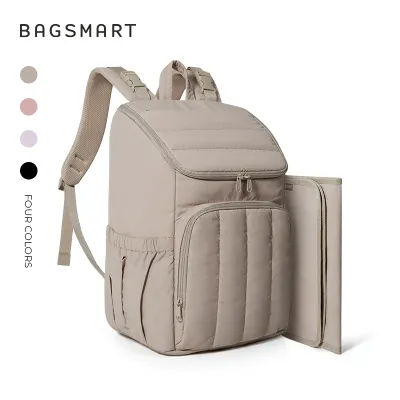
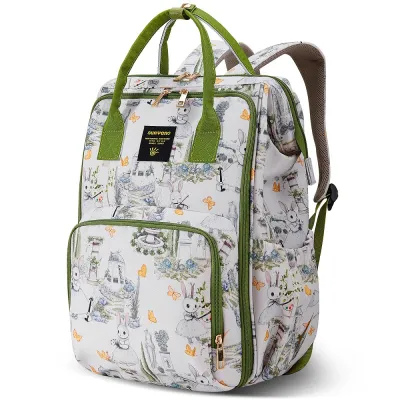
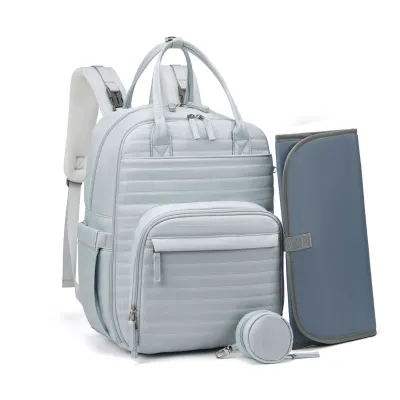
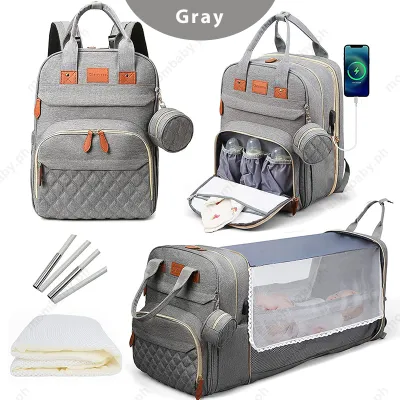
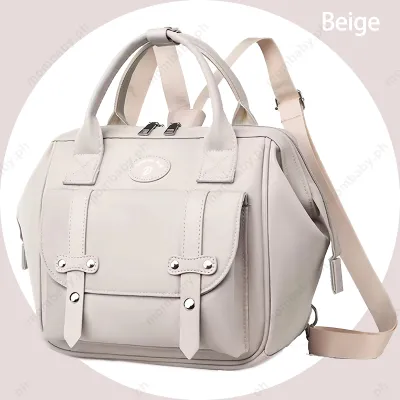
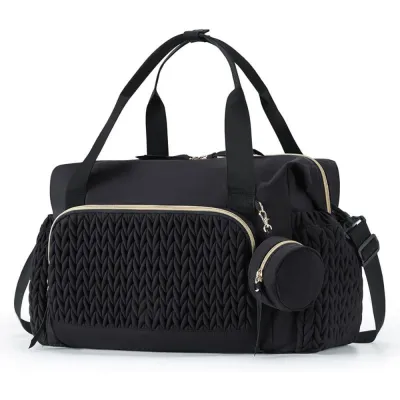
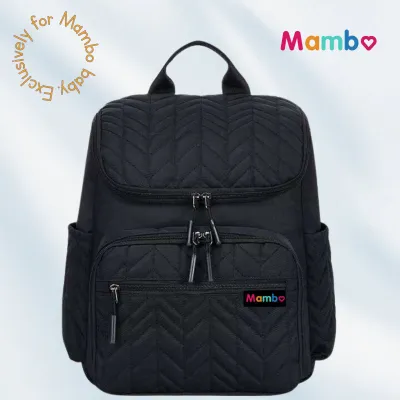
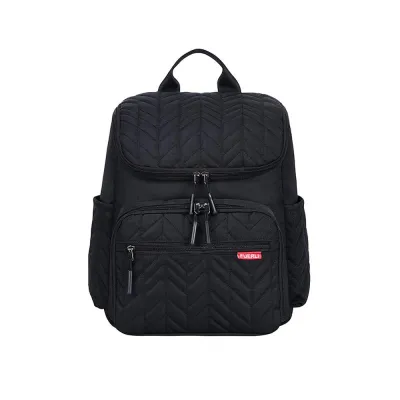
Prices are valid at publication and may change. Please refer to the product page for the latest price.
Your primary mode of transportation also dictates the best bag structure. Parents who drive can easily rest a bag on the passenger seat or keep it in the trunk, making quick-access designs highly convenient. If you rely on public transport like jeepneys, tricycles, or trains, you need a secure, compact bag that stays close to your body and does not block narrow aisles.
Finally, think about how many children you are managing and whether you need your hands completely free. Chasing an active toddler while carrying an infant requires maximum mobility. If you constantly find yourself holding a baby in one arm and paying a vendor or opening a door with the other, a bag that requires constant adjustment or slips off your shoulder will quickly become a source of frustration.
Compare the Main Baby Bag Styles
The three primary baby bag styles—backpacks, totes, and messengers—each distribute weight differently and offer distinct levels of accessibility. Understanding these structural differences is the key to choosing a bag that fits your daily physical demands.

Baby Bag Backpacks: Practical for Hands-Free Mobility and Heavy Loads
Backpacks offer excellent ergonomic support for parents who carry heavy loads or spend long periods on their feet. By distributing weight evenly across both shoulders and down your back, a backpack minimizes the risk of localized muscle strain. This symmetrical weight distribution is particularly beneficial during long walks in warm weather, as it prevents a single strap from digging into your shoulder and causing discomfort.
The primary advantage of a backpack is complete hands-free mobility. With the bag securely on your back, you can easily push a stroller, carry your baby in a front carrier, or hold a toddler’s hand while walking. This style is highly practical for navigating busy streets, boarding public transit, or climbing stairs, as your center of gravity remains balanced and your hands are free to hold handrails or manage fares.
However, backpacks do have practical trade-offs. The most notable drawback is that you cannot access your items while wearing the bag. To retrieve a diaper, wipe, or bottle, you must stop, take the backpack off, and find a clean surface to set it down or awkwardly hold it while unzipping the compartments. This can be inconvenient during sudden diaper emergencies or when trying to soothe a crying baby quickly.
Baby Bag Totes: Convenient for Quick Access and Car Seat Compatibility
Totes are designed with wide top openings that provide immediate visibility and quick access to everything inside. If you want to reach in and grab a pacifier, wipe, or toy with one hand while holding your baby with the other, a tote is exceptionally convenient. The open structure allows you to see all your organized pouches at a glance without digging through deep compartments.
This style is highly compatible with car-centric lifestyles. A tote can sit upright on the passenger seat or floorboard, allowing you to reach inside easily while parked. Many totes feature structured bases that help them stay upright when placed on flat surfaces, making them easy to pack and unpack at home or at a destination.
The main trade-off of a tote bag is physical strain. Carrying a heavy tote on a single shoulder for extended periods can cause muscle fatigue and uneven posture. Additionally, because totes often rely on a single zipper or magnetic snap at the top, they are more prone to spilling their contents if they tip over on an uneven surface, such as a car trunk or a park bench.
Baby Bag Messengers: Suitable for Light Loads and Minimalist Outings
Messenger and crossbody bags offer a middle ground between the accessibility of a tote and the security of a backpack. Worn diagonally across the body, a messenger bag stays secure against your hip or back while allowing you to quickly swing it forward to access the main compartment. This makes it easy to retrieve items on the go without taking the bag off.
This style is ideal for short trips, quick errands, or outings with older babies who require fewer supplies. If you only need to carry a couple of diapers, a travel pack of wipes, a changing mat, and a single bottle, a compact messenger bag keeps your load light and manageable. The crossbody strap provides better stability than a single-shoulder tote, preventing the bag from slipping off when you bend over.
However, messenger bags are not suited for heavy loads or all-day outings. Because the weight is still supported by a single strap crossing your chest and shoulder, overloading a messenger bag can cause neck and shoulder fatigue over time. The asymmetrical load can also become uncomfortable during long walks, making it less suitable for parents who need to carry a high volume of gear.
Key Features to Check Before You Buy
When evaluating potential baby bags, look closely at the manufacturer’s specifications and product labels to ensure the materials and construction can withstand daily wear. In humid climates, interior lining materials are critical. Look for bags with water-resistant, wipeable linings that can be easily cleaned with a damp cloth to prevent mold, mildew, and lingering odors from spilled milk or formula.
Verify the storage configuration to ensure it matches your feeding and organizing habits. Check for dedicated, insulated bottle pockets if you plan to carry warm water or chilled breast milk, as these help maintain temperature during outings. Look for easily accessible exterior pockets for your personal items, such as keys, a phone, or a wallet, so you do not have to search through baby gear to find them.
Stroller compatibility is another essential safety feature to verify. Many baby bags come with dedicated stroller straps or clips. However, you must always consult your stroller’s user manual and the bag manufacturer’s warnings regarding hanging heavy bags on the handlebar. Hanging a heavy bag can cause the stroller to tip backward, posing a serious safety hazard to your child. If you plan to use stroller straps, ensure the bag’s weight remains within the stroller’s safe limits.
Finally, inspect the hardware and zippers. A baby bag will be opened and closed thousands of times, often under tension when packed tightly. Look for durable, smooth-gliding metal or heavy-duty plastic zippers and reinforced stitching at the strap attachment points to ensure the bag does not fail during an outing.
Match Your Lifestyle to the Right Bag
To finalize your decision, match your daily routine to the bag style that best supports your movements. The following framework can help you identify the most practical option for your household:
| Lifestyle Profile | Primary Commute | Typical Gear Load | Recommended Bag Style |
|---|---|---|---|
| Active Commuter | Walking, public transit, stairs | Heavy (all-day supplies) | Backpack |
| Car-Dependent Parent | Driving, short walks | Medium to heavy | Tote |
| Minimalist / Short Trips | Quick errands, driving, walking | Light (essentials only) | Messenger / Crossbody |
If your budget allows, you might consider using a primary, larger bag for long day trips and a secondary, smaller crossbody bag or pouch for quick errands. This prevents you from carrying unnecessary weight on short outings while ensuring you always have a high-capacity option when needed.
Before making a purchase, check the retailer’s return and exchange policies. If possible, test the bag at home by packing it with your typical gear load and wearing it for a short period. This real-world test will help you determine if the weight distribution and strap comfort are suitable for your body before you commit to using it daily.
Frequently Asked Questions (FAQ)
Do I really need a specialized baby bag, or can I use a regular backpack?
You do not strictly need a specialized baby bag, but dedicated designs offer convenient features like insulated bottle pockets, wipeable linings, and integrated changing mats. If you choose to use a regular backpack or tote, you can achieve similar organization by using separate, color-coded pouches to organize diapers, clothes, and feeding gear. Ensure that any regular bag you use is made of durable, easy-to-clean fabric to handle inevitable spills.
How do I clean and maintain my baby bag to prevent odors?
Always check the care label or manufacturer’s instructions before cleaning your baby bag, as washing methods vary by material. Generally, you should empty all pockets, shake out crumbs, and wipe down both the interior and exterior surfaces with a damp cloth and mild soap. Allow the bag to air-dry completely in a well-ventilated area away from direct sunlight to prevent fabric damage. If your bag has specific waterproofing treatments, leather trim, or integrated electronic components like USB ports, consult the manufacturer’s guidelines to avoid damaging these features.

Community discussion
Share your experience or ask a question. Comments are reviewed before publication.