
Quick Answer: Top Features to Look for in a Mommy Bag
Choosing a mommy bag is a highly practical decision that directly impacts your daily comfort and efficiency as a caregiver. To find a bag that truly supports your routine, you should prioritize three core features: highly durable, water-resistant materials; a well-organized compartment system with dedicated wet and dry zones; and ergonomic, comfortable carrying options. These essential elements address the most common parenting pain points, ensuring you can access wipes, bottles, and diapers in seconds without rummaging through a cluttered mess.
In a tropical climate like the Philippines, where high humidity and sudden afternoon downpours are common, the material of your bag becomes even more critical. A bag that resists moisture prevents mold growth and protects your baby’s clean clothes from dampness. By focusing on these non-negotiable elements, you can keep your baby’s essentials secure, hygienic, and easily accessible whether you are running a quick errand or spending the day outdoors.
Assessing Your Lifestyle and Daily Baby-Care Needs
Before browsing online marketplaces or visiting local department stores, take a close look at your daily routine. Your lifestyle dictates the ideal size, capacity, and style of your mommy bag. A parent who primarily takes short trips to nearby malls or neighborhood parks will have very different needs compared to a family that frequently travels long distances or plans for weekend staycations.
Products mentioned in this guide
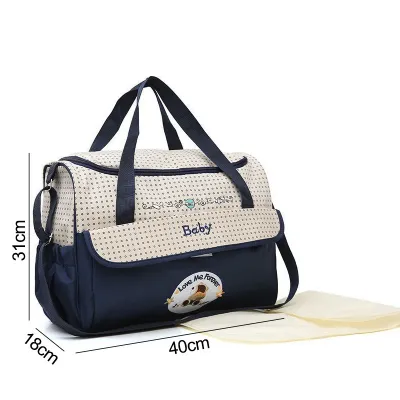
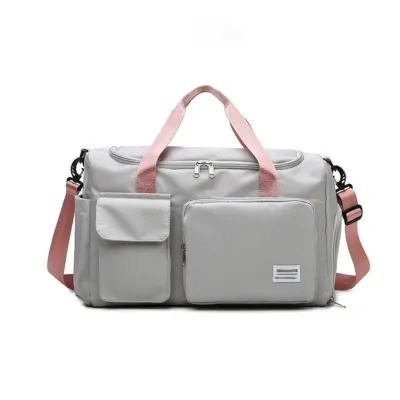
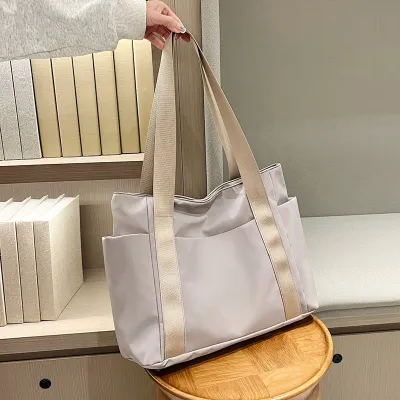
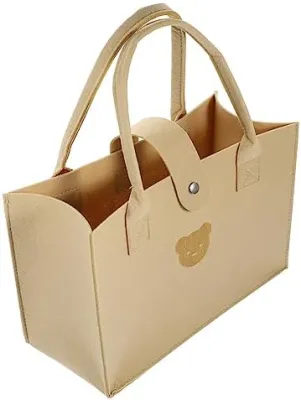
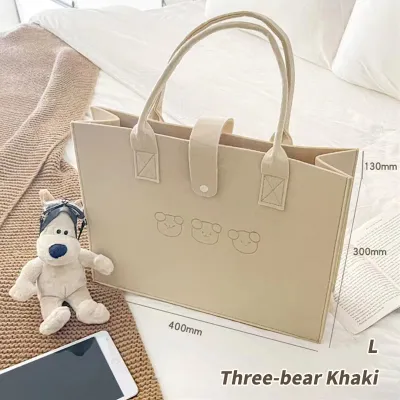
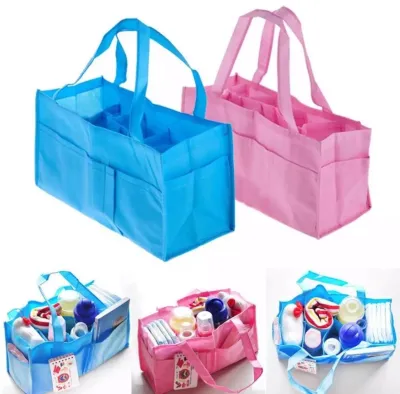
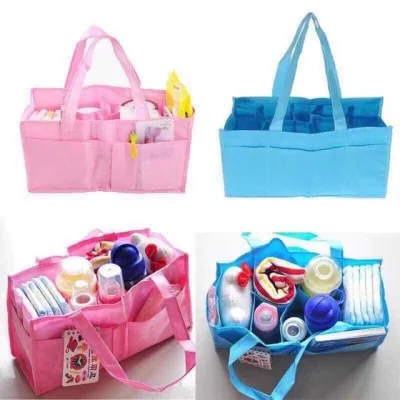
Prices are valid at publication and may change. Please refer to the product page for the latest price.

For quick daily errands, a compact bag with a few well-placed compartments is often sufficient. It keeps you light on your feet and prevents you from overpacking unnecessary items. On the other hand, long day trips, hospital visits, or flights require a high-capacity bag with specialized compartments to house extra changes of clothes, multiple feeding bottles, and emergency medical supplies.
Your preferred method of transportation also plays a major role in your choice. If you frequently commute via public transport or walk long distances in warm weather, a hands-free carrying option is essential for physical comfort and balance. Parents who rely on strollers can look for bags with integrated stroller straps, allowing the stroller frame to bear the weight instead of their shoulders.
Additionally, consider the age and number of your children. Newborns require an extensive inventory of diapers, swaddles, feeding bottles, and burp cloths, demanding a bag with maximum organization. As your child grows into a toddler, your storage needs will shift toward snacks, water tumblers, toys, and spare clothes for messy play, which may require larger, open compartments rather than numerous small pockets.
Must-Have Features for Everyday Functionality
Everyday functionality relies on smart structural design and high-quality materials. When evaluating potential mommy bags, start by examining the internal and external organization. A great bag features dedicated, easily accessible pockets for high-frequency items like baby wipes, pacifiers, and your personal belongings. Look for external side pockets designed specifically for quick-access wipes, allowing you to pull a sheet out with one hand during an unexpected spill.
Separate compartments for clean and soiled items are equally vital. Waterproof wet pockets lined with specialized materials allow you to isolate damp clothes, used bibs, or soiled diapers from clean items, preventing cross-contamination and unpleasant odors. This separation is crucial for maintaining hygiene while on the go, especially when you are far from a trash bin or laundry facility.
The choice of material directly impacts how easy the bag is to maintain over time. Look for exterior fabrics like high-density nylon, polyester, or treated canvas that naturally repel water and resist stains. The interior lining should be completely wipeable, allowing you to clean up spilled milk, formula powder, or crushed snacks with a simple damp cloth or disinfectant wipe.
In humid environments, breathable mesh panels on the back of the bag and the underside of the shoulder straps are highly beneficial. These panels promote airflow, reducing sweat buildup and making the bag much more comfortable to wear during hot afternoon outings. Avoid heavy, non-breathable synthetic leathers if you plan to spend significant time outdoors.
Do not overlook the hardware and construction quality of the bag. Zippers are the most common failure point on heavily used bags, so look for thick, smooth-gliding metal or heavy-duty nylon zippers with double pulls. Reinforced stitching at key stress points, such as where the shoulder straps meet the main body of the bag, ensures the construction can withstand the weight of heavy water bottles and baby gear without tearing.
Nice-to-Have Upgrades and Specialized Add-ons
While basic organization and durability are essential, several specialized features can significantly elevate your daily parenting experience. Insulated bottle pockets are a popular upgrade, designed to help maintain the temperature of breast milk, warm water, or prepared formula. While these pockets do not replace a dedicated cooler bag for long-term storage, they offer excellent short-term convenience during standard outings.
Another highly practical add-on is a matching, fold-out changing pad that fits neatly inside a dedicated sleeve. This ensures you always have a clean, familiar surface to lay your baby on during diaper changes in public restrooms or outdoor spaces. Stroller attachment straps or integrated clips are also incredibly useful, allowing you to secure the bag directly to your stroller handlebar to relieve physical strain.
For parents who travel frequently, a luggage sleeve—a wide fabric band on the back of the bag that slides over the telescoping handle of a rolling suitcase—is a game-changer. This keeps your hands free and your luggage secure as you navigate busy airports or transit terminals.
Modern mommy bags also cater to the parent’s personal tech needs. Look for bags that feature padded device sleeves to protect tablets or small laptops, as well as secure, zippered pockets for your smartphone and wallet. A built-in key leash or clip inside the main compartment saves you from digging through layers of baby gear to find your house or car keys at the end of a long day.
Building Your Shortlist: Matching Bag Types to Your Routine
Once you understand your feature priorities, you can choose the bag style that best aligns with your daily routine. Backpack-style mommy bags are widely favored for their ergonomic design. They distribute weight evenly across both shoulders, reducing back strain during long walks, and keep both of your hands completely free to tend to your baby, carry a stroller, or hold shopping bags.
Tote-style bags offer a more classic, handbag-like aesthetic and are ideal for parents who prefer quick, top-down access to their gear. These bags are perfect for shorter outings, doctor visits, or transitioning back to professional settings, though they can cause shoulder strain if overloaded. Many modern totes come with detachable crossbody straps, offering a secondary carrying method when you need to go hands-free temporarily.
Crossbody or messenger-style bags are excellent for minimalists or parents of older toddlers who no longer require a massive inventory of baby gear. These compact bags allow you to swing the compartment to the front of your body for rapid access without taking the bag off. They are highly efficient for quick diaper changes but may not offer enough space for full-day outings with newborns.
Before making your final purchase from an online marketplace or an official brand store, establish a clear verification checklist. Carefully review the product specifications, paying close attention to the exact dimensions, weight when empty, and material composition. Check the seller’s return policy and warranty terms to ensure you are protected against manufacturing defects, such as broken zippers or loose seams, upon delivery.
If you are purchasing a bag online, look for detailed customer reviews that include photos or videos of the bag’s interior. This helps you verify the actual color, pocket layout, and material texture, ensuring the product matches your expectations. Investing a little extra time in verifying these details helps you secure a reliable, functional companion for your parenting journey.
Frequently Asked Questions (FAQ)
Can I use a regular backpack instead of a dedicated mommy bag?
Yes, you can use a standard backpack, but you may find it lacks the specialized functionality of a dedicated mommy bag. Standard backpacks typically feature one or two large compartments where small items easily get lost at the bottom, and they rarely include water-resistant wet pockets or insulated bottle holders. If you choose to use a regular backpack, consider using small, color-coded organizing pouches to separate diapers, clothes, and feeding supplies, and verify that the fabric is easy to spot-clean.
How do I clean and maintain a mommy bag to ensure it lasts?
Always consult the manufacturer’s care label or instruction manual before attempting to wash your mommy bag, as materials vary widely. For most water-resistant fabrics, spot cleaning with a soft cloth, mild soap, and lukewarm water is the safest and most effective method. Avoid using harsh chemical bleaches or abrasive brushes, as these can strip away protective water-resistant coatings. Allow the bag to air dry completely in a well-ventilated, shaded area away from direct sunlight to prevent fabric fading and mold growth.
Community discussion
Share your experience or ask a question. Comments are reviewed before publication.