
You should start using baby toothpaste the moment your baby’s very first tooth breaks through the gum line. Many parents believe that oral care only begins when a child has a full mouth of teeth, but protecting that initial tooth is vital for long-term dental health. Before this milestone, oral hygiene focuses on keeping the gums clean and healthy without any paste. Once that first tiny white speck appears, introducing a minuscule amount of specially formulated baby toothpaste helps shield developing enamel from decay. Establishing this habit early sets the stage for a lifetime of healthy brushing routines.
Signs Your Baby Is Ready for Toothpaste
The primary trigger for introducing toothpaste is the physical emergence of the first tooth through the gum line. While the average age for this milestone is around six months, every baby develops at their own pace. Some infants may sprout their first tooth as early as three months, while others might not show any signs until after their first birthday.
Before the tooth actually breaks through, you will likely observe several classic teething signs. Your baby may experience increased drooling, a constant urge to chew on hard objects, and swollen or tender gums. In the warm, humid climate of the Philippines, heavy drooling can sometimes lead to mild skin irritation around the chin and neck, making regular, gentle wiping essential. Keep a close eye on your baby’s gums during this phase.
Products mentioned in this guide
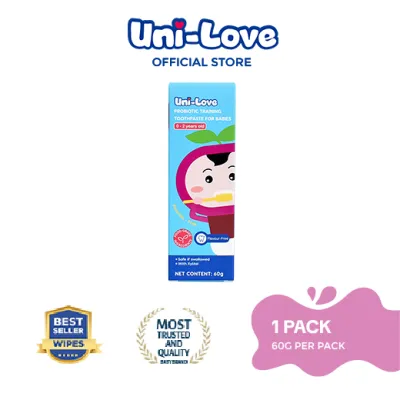
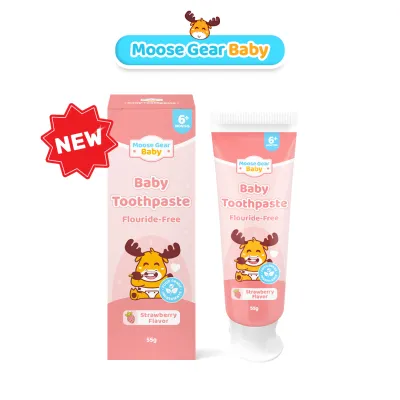
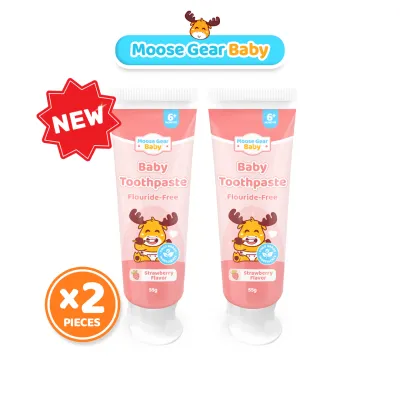
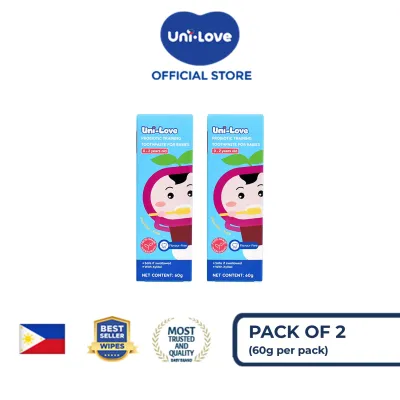
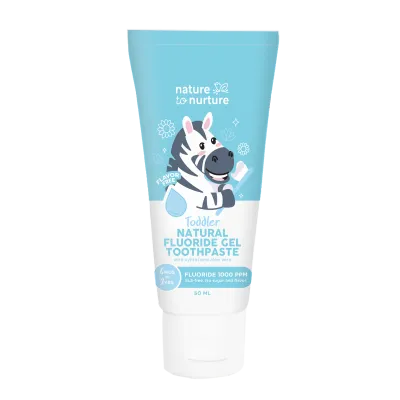
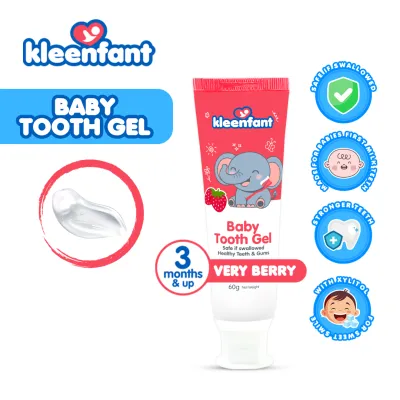
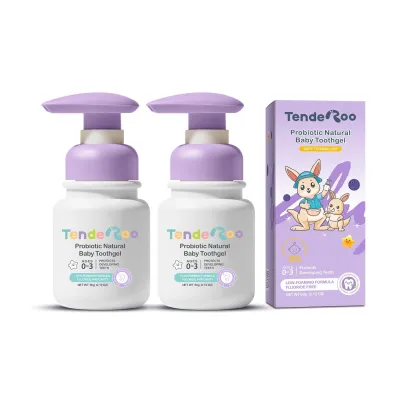
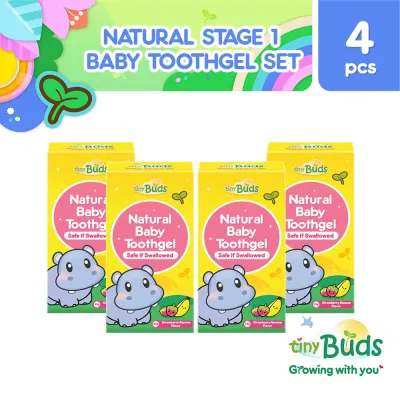
Prices are valid at publication and may change. Please refer to the product page for the latest price.
As soon as you see or feel the hard edge of a tooth cutting through the gum tissue, it is time to transition from simple gum wiping to using a tiny amount of baby toothpaste. This transition is crucial because even a single tooth is vulnerable to plaque buildup and decay from milk sugars.
Pre-Teething Oral Care: Cleaning Gums Without Toothpaste
During the pre-teething stage, toothpaste is completely unnecessary and potentially unsafe. Because infants have not yet developed the reflex to spit, they will swallow anything placed in their mouths. Introducing toothpaste to bare gums offers no cavity-protection benefits and unnecessarily exposes your baby to swallowing cleaning agents or fluoride.

Instead, you should focus on keeping the gums clean using safe, gentle alternatives. A clean, damp washcloth (often referred to locally as a soft pranela), a sterile piece of cotton gauze wrapped around your clean finger, or a soft silicone gum massager are all excellent choices. Moisten the cloth or gauze with clean, cooled drinking water before gently wiping your baby’s gums.
Building a consistent routine is the most valuable aspect of pre-teething oral care. Aim to gently wipe your baby’s gums at least twice a day, ideally after the first morning feeding and right before bedtime. In tropical environments, milk residue left in a warm mouth can quickly sour, creating an environment where bacteria can thrive. Wiping the gums removes this residue, keeps the mouth fresh, and helps your baby get used to the sensation of daily oral cleaning long before their teeth arrive.
Toothpaste Stages: Matching Amounts to Teething Milestones
As your baby grows, their oral care needs will change alongside their physical development. Managing the transition between different stages of toothpaste usage requires careful attention to both the number of teeth present and your child’s ability to coordinate swallowing and spitting.
The First Tooth: Introducing a Smear-Size Amount
The moment that first tooth breaks through the gums, you should begin using a “smear” or “rice-grain” size amount of baby toothpaste. This tiny portion is highly effective at cleaning the small surface area of a newly emerged tooth while remaining safe if swallowed.
Strictly limiting the amount of toothpaste is essential for safety. At this stage, your baby cannot spit out the excess, meaning they will ingest whatever paste you apply. Keeping the portion to a tiny smear minimizes the risk of swallowing too much fluoride or other active ingredients, protecting their developing system while still delivering localized protection to the tooth enamel.
To apply this safely, choose a soft-bristled, infant-sized toothbrush or a flexible silicone finger brush. Gently sweep the bristles over the front and back of the new tooth, as well as along the surrounding gum line. Always supervise this process closely, ensuring your baby does not chew on the brush head or swallow the bristles. Refer to the manufacturer’s instructions on the toothbrush packaging to verify the recommended age range and usage guidelines.
Multiple Teeth and Toddler Years: Adjusting the Amount
As your child grows and more teeth emerge—including the primary molars—you will need to adjust both the amount of toothpaste and your brushing technique. This milestone typically occurs around the age of three, or when your child has developed the motor skills and cognitive ability to reliably spit out excess toothpaste rather than swallowing it.
At this developmental stage, you can transition to a “pea-sized” amount of toothpaste. Before making this transition, actively monitor your child’s ability to spit. You can practice this together by turning spitting into a game during bath time or over the bathroom sink. If they continue to swallow the paste consistently, revert to the smaller rice-grain smear until they master the skill.
With the arrival of molars, brushing becomes more complex. Molars have deep grooves and crevices on their chewing surfaces that easily trap food particles and sugars. You must guide the toothbrush to cover these hard-to-reach areas, using gentle circular motions. Caregiver supervision remains mandatory during every brushing session to prevent choking, ensure thorough cleaning, and make sure the child does not ingest the toothpaste directly from the tube.
What to Look for When Buying Baby Toothpaste
Navigating the baby care aisle can be overwhelming, with shelves filled with various brands ranging from widely available local drugstore options to premium imported selections, typically priced between ₱100 and ₱300. When selecting a baby toothpaste, safety and ingredient verification should be your top priorities.
The debate between fluoride and fluoride-free toothpaste is a central consideration for parents. Fluoride is highly effective at strengthening enamel and preventing cavities, but because infants swallow toothpaste, excessive ingestion can lead to mild cosmetic issues like dental fluorosis on permanent teeth. Many pediatric dental guidelines recommend using a tiny smear of fluoride toothpaste from the first tooth, while others suggest starting with fluoride-free alternatives until the child can spit. Because individual needs vary, check the product packaging carefully and consult your pediatrician or a pediatric dentist to determine the best choice for your baby’s specific oral health risk.
When reading the ingredient list, verify that the formulation is free from harsh chemical additives. Avoid toothpastes containing sodium lauryl sulfate (SLS), a foaming agent that can irritate sensitive oral tissues and potentially cause painful mouth sores. You should also look for options free from artificial dyes, parabens, and strong synthetic flavorings. While mild, natural fruit flavors can make brushing more pleasant, overly sweet flavors might encourage your baby to swallow or try to eat the toothpaste.
Always check the packaging for age-appropriate labeling, safety warnings, and clear manufacturer instructions. Treat baby toothpaste as a specialized care product rather than a toy or a snack. Store the tube securely out of your baby’s reach in a cool, dry place to prevent accidental over-ingestion and preserve the product’s integrity in humid tropical conditions.
When to Consult a Pediatric Dentist
While consistent home care is the foundation of infant oral hygiene, professional dental evaluations are essential to ensure your baby’s mouth is developing correctly. Relying solely on home brushing can sometimes overlook early signs of developmental issues or decay that only a trained professional can detect.
The general pediatric consensus is to schedule your baby’s first dental visit by their first birthday, or within six months of the appearance of their first tooth. This early introduction helps your baby become familiar with the dental office environment, reducing anxiety during future visits, and allows the dentist to assess jaw development and overall oral health.
You should seek prompt professional attention if you notice any warning signs between regular checkups. These include white or brown spots on the teeth, which can indicate early enamel demineralization or decay. Persistent bad breath, swollen, bleeding, or unusually red gums, and delayed teething—such as no teeth emerging by 15 months—all warrant an immediate evaluation by a pediatric dentist.
During your consultation, discuss specific factors that influence your baby’s oral care routine. This includes your local water fluoridation levels, which vary widely across different municipalities in the Philippines, and your baby’s dietary habits, such as nighttime bottle feeding. Your dentist can provide tailored advice on whether to use fluoride toothpaste and how to safely manage your child’s unique preventive care needs.
Frequently Asked Questions (FAQ)
Can I use regular adult toothpaste for my baby?
No, you should never use regular adult toothpaste for your baby. Adult formulations contain significantly higher concentrations of fluoride and harsher abrasive agents designed for mature, resilient enamel. Because babies cannot spit and will swallow the paste, the high fluoride levels in adult products pose a risk of acute toxicity or dental fluorosis. Additionally, the strong minty flavors and foaming agents can irritate your baby’s sensitive mouth and make brushing an uncomfortable experience. Always choose a toothpaste explicitly labeled for infants or toddlers.
What should I do if my baby swallows a large amount of toothpaste?
If your baby swallows a small, daily-use amount of baby toothpaste, there is generally no cause for concern. However, if they consume a large quantity directly from the tube, give them a small glass of milk or a few sips of water. The calcium in milk binds to fluoride in the stomach, helping to reduce its absorption. Monitor your baby for signs of stomach upset, nausea, or vomiting. If they have ingested a significant portion of a tube, contact your pediatrician or a local poison control helpline immediately for guidance.
Is it normal for my baby's gums to bleed when I start brushing?
Mild, occasional bleeding can occur when you first begin brushing, especially if your baby is actively teething. The gums surrounding an erupting tooth are often inflamed, swollen, and highly sensitive, making them prone to minor bleeding when touched. However, persistent or heavy bleeding is not normal. If the bleeding continues for more than a few days, or if it is accompanied by severe swelling or pus, stop brushing the affected area gently and consult a pediatric dentist to rule out infection or ensure your brushing technique is not too aggressive.

Community discussion
Share your experience or ask a question. Comments are reviewed before publication.