
The Short Answer: When Is It Safe to Introduce a Pillow?
Most pediatric experts recommend waiting until your child is at least 18 to 24 months old before introducing a pillow. Before this toddler stage, a flat, firm mattress with a tight-fitting sheet is the safest setup for sleep.
The primary reason for this delay is safety. Infants and young toddlers have smaller airways and developing motor skills, meaning soft bedding increases the risk of suffocation, entrapment, and airway obstruction.
Every child develops at their own pace. Before making the transition, it is always best to consult your pediatrician for an individualized developmental assessment to ensure your child is ready.
Products mentioned in this guide
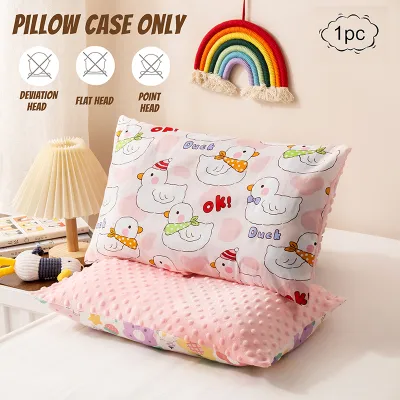
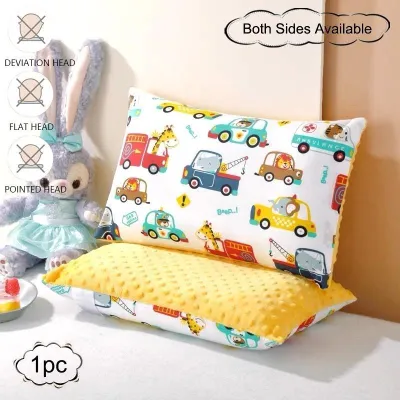


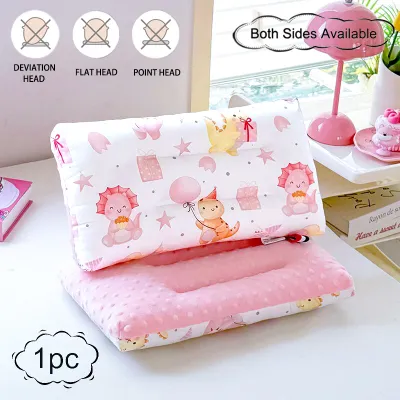
Prices are valid at publication and may change. Please refer to the product page for the latest price.
Observable Signs Your Child Is Ready for a Pillow
As your child grows into a toddler, you might notice specific behavioral cues during sleep. If you see your child consistently resting their head on a stuffed animal, a bunched-up blanket, or even their own arm, they may be seeking extra elevation.

Physical milestones also play a major role in this transition. As toddlers grow, their shoulders broaden, which can make sleeping on a flat surface uncomfortable, especially for side sleepers whose heads may droop downward.
Pay close attention to their overall sleep quality. If your child is suddenly tossing and turning, waking up frequently, or struggling to find a comfortable position, it might indicate that their flat mattress no longer provides adequate comfort.
In tropical climates like the Philippines, comfort also involves temperature regulation. If your toddler is constantly moving around to find a cool spot on the bed, or if they wake up with a sweaty head, a breathable toddler pillow might help improve their sleep quality.
Why Waiting Is Crucial: Safety Risks of Early Pillow Use
Understanding the risks of early pillow introduction helps reinforce why waiting is so important. For infants and young toddlers, soft objects in the sleep space present severe suffocation and entrapment hazards.
This risk is directly linked to Sudden Infant Death Syndrome (SIDS) and other sleep-related accidents. Pediatric safety guidelines emphasize keeping the sleep environment completely clear of pillows, quilts, comforters, and bumper pads during the first year of life.
Spinal alignment is another critical factor. Unlike adults, babies and young toddlers have different body proportions, with heads that are relatively large compared to their bodies, meaning their spines are still developing.
A flat surface allows a young child’s spine to rest in a natural, neutral position. Introducing a pillow before their shoulders have widened sufficiently can push their chin toward their chest, which can restrict their airway during sleep.
How to Choose a Safe Pillow for Kids
When you decide your toddler is ready, shopping for a pillow for kids requires careful attention to specific features. Never use a standard adult pillow; instead, look for a pillow specifically designed for toddlers, which is much smaller, flatter, and firmer.
The ideal toddler pillow should measure approximately 13 by 18 inches and have a low loft, meaning it is relatively flat. When you press down on the pillow, it should quickly regain its shape rather than sinking deeply, ensuring it provides firm support.
Material and breathability are crucial, especially in warm, humid environments. Look for hypoallergenic fills and washable covers made from natural fibers like cotton or bamboo to allow air to circulate and help prevent heat rash.
Always verify safety certifications and age-grade labels on the product packaging. Look for certifications that ensure the materials are free from harmful chemicals, and check the manufacturer’s warning tags to confirm the product is rated for children aged two and older.
When shopping on online marketplaces or at local baby boutiques in the Philippines, you may find prices ranging from ₱300 to over ₱1,500. Prioritize safety labels, firm construction, and washability over aesthetic designs or low prices.
Transitioning to a Pillow: Safe Sleep Environment Checklist
Introducing a pillow is a major transition, and it requires adjusting the entire sleep space. Before placing the new pillow in the bed, remove any other soft items like heavy blankets, large stuffed toys, or crib bumpers to prevent overcrowding.
Position the pillow correctly under your child’s head. It should support the head and neck without extending down to the shoulders or pushing the neck forward at an awkward angle, ensuring the pillow does not cover or crowd their face.
Monitor your child closely during the first few nights of using the pillow. Observe how they interact with it during sleep, and if they tend to slide off it, pull it over their face, or show signs of breathing discomfort, remove the pillow immediately.
Establish clear stop conditions. If your child seems distressed, wakes up sweating excessively, or consistently pushes the pillow away, it is a sign that they are not yet ready, so store the pillow safely away and try again in a few weeks.
Frequently Asked Questions (FAQ)
Can I use a regular adult pillow for my toddler?
No, you should never use a regular adult pillow for a toddler. Adult pillows are far too large, thick, and soft for a young child’s developing body, posing a significant risk of neck strain and airway obstruction if they roll over.
What should I do if my child refuses to use the new pillow?
If your child refuses the pillow, do not force the transition. Some toddlers prefer sleeping on a flat surface for a long time; simply remove the pillow from the bed and try introducing it again later when they show more interest.

Community discussion
Share your experience or ask a question. Comments are reviewed before publication.