
Pediatric consensus recommends waiting until your child is at least 12 to 18 months old before introducing a pillow, with many experts advising parents to wait until age two. During the first year of life, introducing a pillow for baby sleep is not only unnecessary but highly dangerous. An infant’s spine is naturally straight, meaning they do not require any head elevation to sleep comfortably or develop correctly.
The fundamental rule for infant sleep spaces is “bare is best.” A safe crib environment consists solely of a firm mattress and a tightly fitted sheet. You must omit blankets, bumper pads, stuffed toys, and pillows from this space entirely. Chronological age serves as a helpful baseline, but physical development, motor skills, and transitions in the sleep environment are the ultimate indicators of when your child can safely use bedding.
Why a Pillow for Baby Use Is Unsafe in the First Year
Suffocation and Airway Obstruction
A baby’s respiratory system is highly vulnerable, and their physical capabilities are still developing. In the first few months of life, infants lack the neck strength and motor control required to lift or turn their heads if their nose and mouth become covered by soft fabrics. If a baby rolls over onto a soft pillow, or if a loose pillow shifts during sleep, the material can easily conform to their face and block their airway, leading to silent suffocation.
Products mentioned in this guide
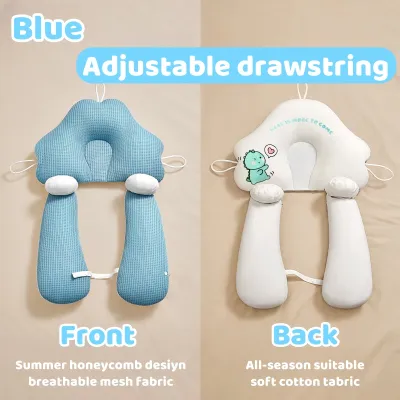
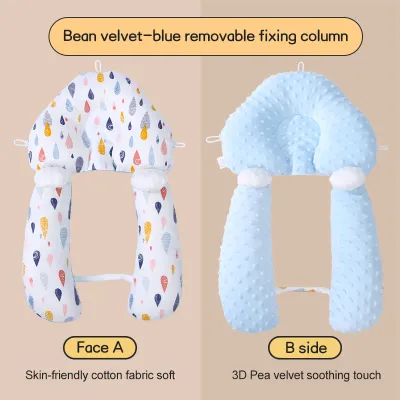
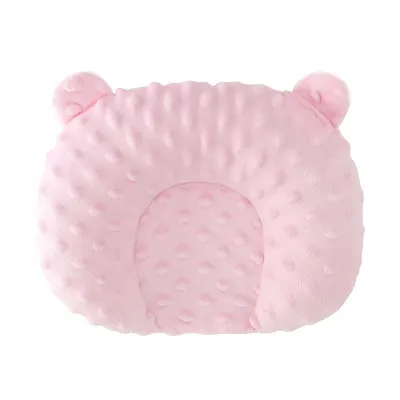
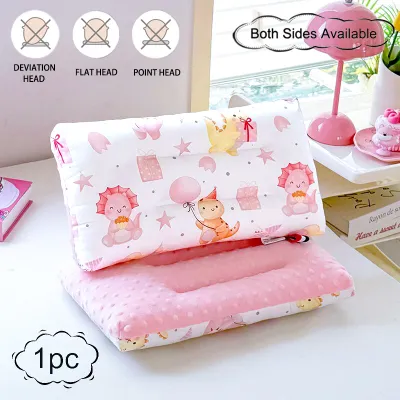
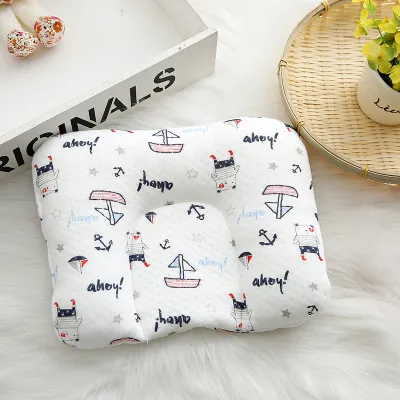
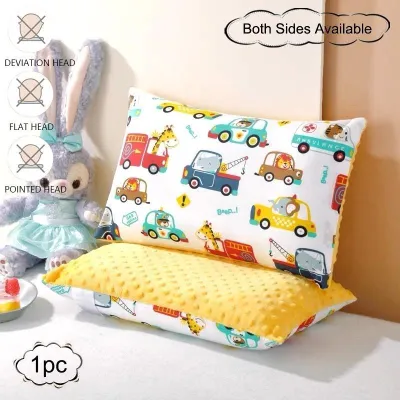
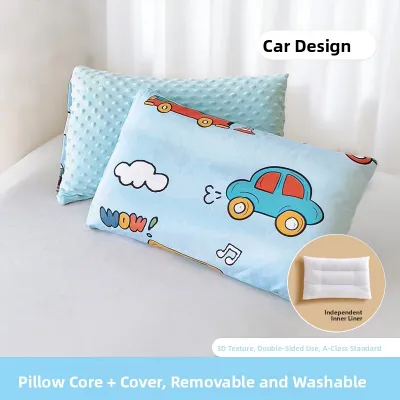
Prices are valid at publication and may change. Please refer to the product page for the latest price.
Sudden Infant Death Syndrome (SIDS)
Soft sleep surfaces, loose bedding, and plush objects are primary environmental risk factors associated with SIDS and sudden unexpected infant deaths (SUID). Safe sleep guidelines emphasize that keeping the crib empty is the single most effective action a caregiver can take to mitigate these risks. Introducing a pillow prematurely directly compromises this protective environment.
Overheating
Infants regulate their body temperature much less efficiently than older children or adults, and they release excess body heat primarily through their heads. When a baby’s head rests on a thick, plush pillow, the material traps body heat and prevents proper air circulation, causing their temperature to rise rapidly. Overheating is a well-documented physiological stressor that significantly increases the risk of SIDS.
Rebreathing
When a baby’s face is pressed against a soft pillow, a pocket of exhaled air can form around their nose and mouth. Instead of inhaling fresh oxygen, the baby breathes in their own exhaled carbon dioxide. This process, known as rebreathing, leads to rapid oxygen deprivation and can cause the baby to lose consciousness before they can wake up or struggle.
Developmental Signs Your Toddler Is Ready for a Pillow
Age and Mobility Milestones
Between 18 and 24 months, toddlers undergo rapid physical transitions that prepare them for basic bedding. At this stage, your child must be highly mobile, meaning they can roll over effortlessly in both directions, sit up independently, reposition their body during sleep, and easily push objects away from their face. These gross motor skills are critical safety prerequisites that minimize the risk of accidental entrapment or suffocation.

Physical Proportions
An infant’s head is proportionally larger than their body, which naturally aligns their neck and spine when they lie flat on a mattress. As they grow into toddlers, their shoulders broaden. When a toddler’s shoulders become wider than their head, lying flat on their side can cause their head to tilt downward at an uncomfortable angle, straining their neck muscles. At this point, a very thin pillow can help support proper spinal alignment.
Behavioral Cues
Toddlers often communicate their physical discomfort or changing sleep needs through observable behaviors. You might notice your child resting their head on a stuffed animal, bunching up their bedsheets to create an elevated headrest, or resting their head against the padded rails of their crib. These actions suggest they are seeking neck support and may be physically ready for a small pillow.
The Crib-to-Bed Transition
Moving your child from a crib to a toddler bed is often the most practical and natural time to introduce a pillow. This transition usually occurs between ages two and three, a period when the risk of sleep-related accidents is significantly lower and the child is physically mature enough to use basic bedding safely. Reconfiguring the sleep space at this stage allows you to introduce safe bedding options systematically.
How to Choose a Safe First Pillow for Your Toddler
Size and Thickness
A standard adult pillow is far too large and thick for a toddler’s developing spine and can cause severe neck strain. Look for toddler-specific pillows, which typically measure around 13 by 18 inches and are no more than 2 to 3 inches thick. A thin, low-profile pillow prevents the neck from being bent at an unnatural angle, protecting their posture.
Firmness Over Fluffiness
While adults often prefer soft, fluffy pillows, a child’s pillow must be firm to remain safe. You can test this by pressing your hand firmly into the center of the pillow; if it leaves a deep, lasting indentation or fails to bounce back immediately, it is too soft. A safe pillow should quickly return to its original shape, ensuring it cannot conform to your child’s face and block their breathing if they roll over.
Safe Materials and Fill
Choose hypoallergenic, solid fills such as organic cotton, bamboo fiber, or high-density memory foam designed specifically for toddlers. Avoid loose fills like buckwheat, polystyrene microbeads, or plastic beans. If the outer cover tears, these small materials present a severe choking hazard. In the Philippines, high-quality toddler pillows generally range from ₱300 to ₱1,500 depending on the fill material and cover quality. Always verify the manufacturer’s material safety disclosures and check for any active product recalls before purchasing.
Cover Security and Hygiene
Toddlers are prone to spills, drool, and nighttime accidents, making hygiene a priority. Choose a pillow with a removable, machine-washable cover made from breathable fabric. Ensure the cover features a secure, child-safe zipper—ideally a hidden zipper design—to prevent your child from opening the pillow and accessing the inner fill.
Adapting Sleep Bedding for Tropical and Humid Climates
Breathability and Moisture-Wicking
In the tropical climate of the Philippines, high humidity and heat can make sleep uncomfortable and sweaty for young children. Choose pillowcases and sheets made from highly breathable, moisture-wicking natural fibers like 100% cotton or bamboo. These materials allow air to circulate, keeping your toddler’s skin dry and preventing heat-related skin irritations like prickly heat (miliaria).
Managing Overheating Risks
A thick, synthetic pillow will trap heat and moisture, quickly causing your toddler to overheat. Keep a close eye on your child during their first few nights with a pillow; feel the back of their neck or their upper back. If the skin is damp with sweat or hot to the touch, the pillow or bedding is too insulating and should be removed. If skin irritation or heat rash persists, consult a qualified professional for guidance.
Room Environment
Maintaining a comfortable sleeping temperature is key to safe sleep. If you use an air conditioner, set it to a stable, moderate temperature (typically between 24°C and 26°C) and ensure the unit does not blow cold air directly onto the toddler’s bed. If using an electric fan, position it so it circulates air throughout the room rather than pointing a strong breeze directly at your child’s face.
Minimalist Bedding
In warm climates, a “less is more” philosophy is essential. Your toddler does not need heavy blankets, duvets, or multiple decorative pillows. A single, thin toddler pillow and a light cotton blanket or wearable sleep sack are more than enough to keep them comfortable without introducing unnecessary safety hazards.
Frequently Asked Questions (FAQ)
Can I use a nursing pillow or positioning pillow for my baby's sleep?
Absolutely not. Nursing pillows and positioning pillows are designed exclusively for supervised, awake activities such as feeding or tummy time. They are strictly unsafe for unsupervised sleep. The soft, curved, and elevated design of these pillows increases the risk of an infant rolling over, sliding down, or getting their face trapped in the crevice, which can lead to rapid suffocation. If your baby falls asleep on a nursing pillow, immediately transfer them to a flat, firm sleep surface.
What if my toddler refuses to sleep without a pillow?
If your toddler is under 18 months old, you must prioritize safety over their apparent preference and keep the pillow out of the crib. For older toddlers who seem to crave head elevation but are not yet ready for a full pillow, you can consult your pediatrician about placing a thin, tightly rolled cotton blanket securely under the crib mattress to create a very slight, stable incline. Remember that sleeping flat on a mattress is perfectly natural and healthy for a child’s spinal development; they do not actually require a pillow to sleep comfortably and will adapt quickly.
Are anti-flat head (positional) pillows safe for infants?
No, anti-flat head or positional pillows are not safe for unsupervised infant sleep. Major pediatric health organizations and safety authorities advise against using any sleep positioning devices, as they pose significant suffocation and entrapment risks. If you are concerned about flat spots (plagiocephaly) on your baby’s head, the safest and most effective approach is to provide plenty of supervised tummy time while they are awake. This builds the neck and shoulder muscles necessary for healthy physical development. If the flat spot persists, consult a pediatrician or physical therapist for professional guidance rather than relying on commercial sleep positioners.
Community discussion
Share your experience or ask a question. Comments are reviewed before publication.