
When preparing a nursery, it is natural to focus on comfort and aesthetics. Many parents shopping for a pillow for baby girl nurseries are eager to create a cozy, beautiful sleep space. However, introducing a pillow too early poses serious safety risks that every caregiver must understand.
Pediatric guidelines generally recommend waiting until a child is at least 18 to 24 months old before introducing any pillow to their sleep environment. Before this age, a flat, firm mattress free of any loose bedding or soft objects is the standard recommended setup for your child. While age is a helpful baseline, individual developmental readiness varies, making it essential to consult your pediatrician before making any changes to your child’s crib.
Quick Answer: The Recommended Age for Baby Pillows
The transition from a bare mattress to using a pillow is a major milestone in a toddler’s life. Most pediatric experts agree that the recommended time to introduce a small, firm pillow is between 18 and 24 months of age. This timeframe aligns with the period when a child’s neck strength, motor skills, and overall physical development have progressed significantly.
Products mentioned in this guide
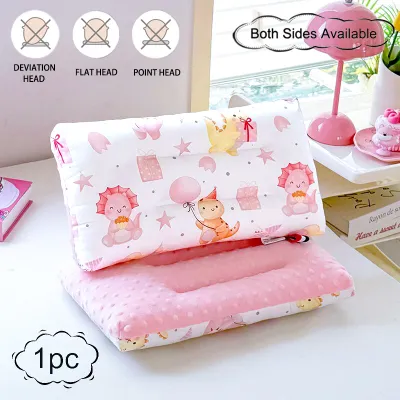
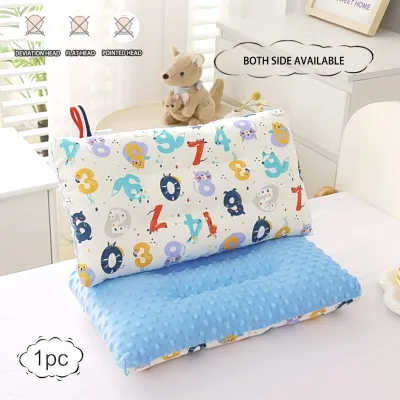
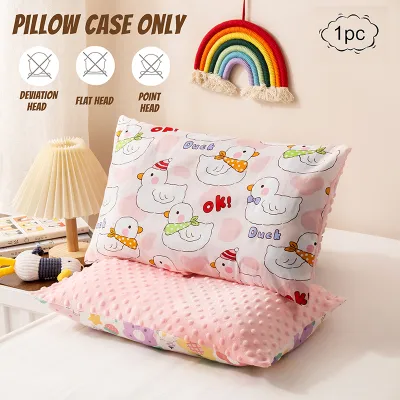
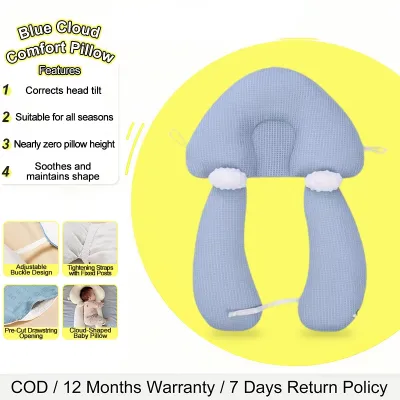
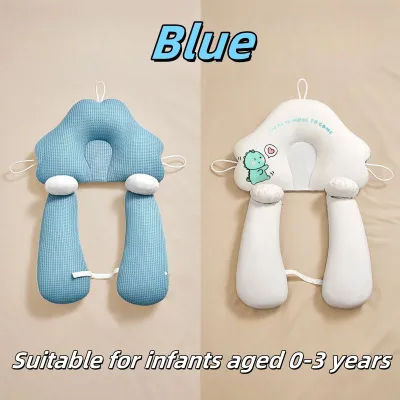
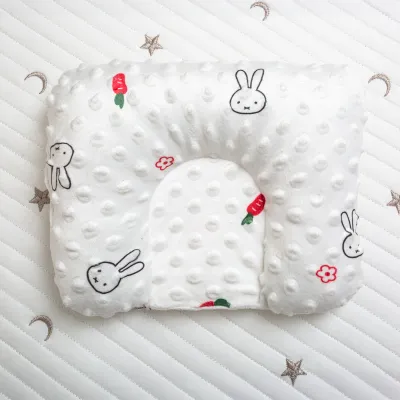
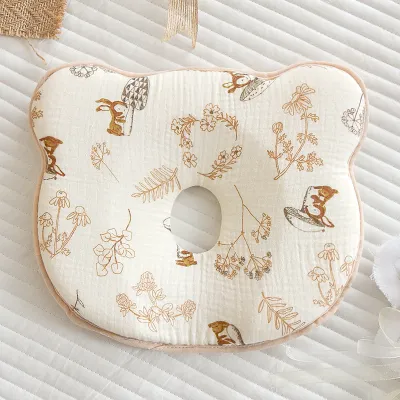
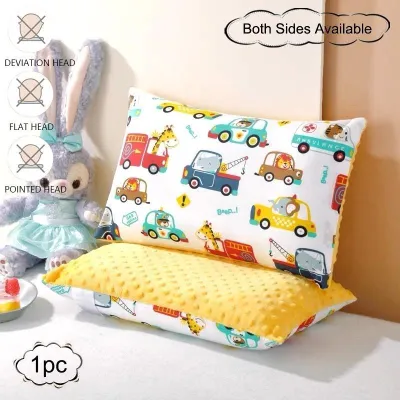
Prices are valid at publication and may change. Please refer to the product page for the latest price.
It is crucial to view this age range as a minimum threshold rather than an automatic green light. Just because a child reaches their second birthday does not mean they immediately require a pillow. Some toddlers sleep well without one for several more months, or even years.
Before placing a pillow in the bed, observe your child’s sleeping habits and physical capabilities. Consulting your pediatrician during a routine checkup is a reliable way to confirm that your child is ready for this transition. A professional can evaluate your child’s growth and offer personalized guidance based on their specific developmental milestones.
Why Early Pillow Use Poses Safety Risks
Placing a pillow in a crib or bassinet before a baby is developmentally ready introduces severe hazards to their sleep environment. The primary concern is the risk of suffocation and entrapment. If an infant rolls over and presses their face against a soft pillow, they may not have the strength or coordination to turn their head away, leading to a blocked airway.

Soft bedding, including pillows, quilts, and bumper pads, is directly linked to an increased risk of Sudden Infant Death Syndrome (SIDS) and other sleep-related infant deaths. During the first year of life, an infant’s respiratory system is highly vulnerable. Even a slight obstruction can quickly lead to oxygen deprivation or positional asphyxia, where the baby’s head tilts forward and closes off the windpipe.
An infant’s physical proportions also play a role in sleep safety. A baby’s head is proportionally larger and heavier relative to their body than an adult’s. When placed on a pillow, their head can easily be pushed forward, chin to chest. This position can crimp their relatively soft and narrow airway, making breathing difficult or impossible. Because infants cannot easily communicate distress or adjust their posture, this silent hazard can occur without warning.
Young babies lack the motor skills and neck strength required to rescue themselves from airway hazards. If a pillow shifts or covers their face during the night, an infant cannot easily push the object away or reposition their body. This vulnerability is heightened in warm, humid climates, such as in the Philippines, where excess bedding can also contribute to overheating—another known risk factor for sleep-related infant distress. Keeping the sleep surface completely bare is the most effective way to mitigate these dangers.
Developmental Signs Your Baby Might Be Ready
As your child grows, certain physical and behavioral milestones will indicate that they are transitioning out of the high-risk infant stage. One of the most critical physical milestones is the ability to roll over freely in both directions, push objects away with their hands, and sit up independently. These motor skills demonstrate that your child has developed the neck strength and coordination necessary to move away from potential airway obstructions.
You may also notice specific behavioral cues during sleep or rest times. For instance, a toddler might start resting their head on a favorite stuffed animal, a folded blanket, or even their own arm while settling down. This behavior suggests they are seeking a bit of elevation and comfort for their head and neck.
Another common contextual trigger is the transition from a crib to a toddler bed. This transition often occurs around the same time that a child is physically ready for a pillow. Moving to a larger bed or a toddler bed is an ideal opportunity to introduce a toddler-sized pillow, as the sleep environment is already changing. However, always ensure that these physical and behavioral signs are present before making the addition.
How to Choose a Safe Pillow for Your Toddler
Once your child has reached the appropriate age and displays the necessary developmental signs, selecting the right pillow is the next step. It is vital to avoid standard adult pillows, which are far too large, thick, and soft for a toddler’s developing spine. Instead, look for a pillow specifically designed for toddlers.
An appropriate toddler pillow should be firm, flat, and small. When you press down on the pillow, it should quickly regain its shape rather than leaving a deep indentation. This firmness helps ensure that the child’s head will not sink deeply into the material, reducing the risk of suffocation.
When shopping, carefully check product labels for age recommendations and safety certifications. Opt for hypoallergenic materials to minimize the risk of skin irritation or respiratory allergies, especially in humid environments where dust mites can thrive. If you are looking for a pillow for baby girl toddler beds, prioritize structural safety and material quality over decorative elements.
In tropical regions where night temperatures and humidity remain high, breathability is a critical factor. Look for covers made from natural, woven fibers like 100% cotton or bamboo-derived fabrics. These materials allow air to circulate freely, helping to dissipate heat and sweat. A breathable cover not only keeps your child comfortable but also reduces the moisture buildup that can lead to mold or mildew inside the pillow core.
Avoid pillows that feature loose fills, such as down or feathers, as these can easily bunch up and create suffocation hazards. Additionally, steer clear of pillows with decorative elements like ribbons, buttons, tassels, or zippers. These components can detach over time, presenting a serious choking hazard to a curious toddler.
Safe Sleep Environment Checklist
Introducing a pillow does not mean safety precautions should be set aside. Maintaining a secure sleep space requires ongoing attention to the entire bed setup. Use this checklist to ensure your toddler’s sleep environment remains secure:
- Clear the Bed: Keep the sleep area free of other soft items, such as heavy blankets, bumper pads, and large stuffed toys. The pillow should be the only soft object in the bed.
- Use Wearable Blankets: Instead of loose quilts or heavy blankets, which can easily cover a child's face, continue using a lightweight wearable blanket or sleep sack designed for toddlers to maintain warmth safely.
- Inspect Regularly: Periodically examine both the pillow and the mattress for signs of wear, tears, loose stitching, or exposed filling. If you notice any damage, replace the item immediately to prevent choking hazards.
- Ensure a Snug Fit: Verify that the pillowcase fits the toddler pillow tightly. A loose pillowcase can bunch up and create an unnecessary airway hazard.
- Monitor Room Temperature: In tropical climates like the Philippines, ensure the room is well-ventilated. Overheating remains a concern even for older toddlers, so choose breathable cotton fabrics for all bedding.
Frequently Asked Questions (FAQ)
Can I use a nursing pillow or rolled blanket as a pillow for my baby?
No, you should never use a nursing pillow, rolled blanket, or any other makeshift cushion as a sleep aid for an infant. These items are designed for supervised waking hours or feeding support, not for unsupervised sleep. Inclined sleep surfaces and soft, irregular cushions significantly increase the risk of airway obstruction and positional asphyxia. Infants must always sleep on a flat, firm surface without any elevation.
What should I do if my toddler refuses to sleep with a pillow?
If your toddler refuses to use a pillow or repeatedly pushes it out of the bed, there is no need to worry. Toddlers do not physically require a pillow for spinal alignment or comfort the way adults do. Their bodies are comfortable sleeping flat on a mattress. If they show no interest, simply remove the pillow and try introducing it again in a few months when they may be more receptive.
Are decorative nursery pillows safe to keep in the crib?
Decorative nursery pillows are not safe to keep in a crib or toddler bed during sleep. These pillows are often designed solely for aesthetics, meaning they may be too soft, oversized, or embellished with hazardous buttons and ribbons. While they can look beautiful as part of a nursery display during the day, they must be removed from the sleep space before you lay your child down to rest.

Community discussion
Share your experience or ask a question. Comments are reviewed before publication.