
Introducing a nursery pillow is a major milestone for parents, but doing so too early poses serious safety risks. Pediatricians and child safety organizations generally recommend waiting until a child is at least two years old before introducing a pillow to their sleep environment. Before this age, a baby’s sleep space must remain completely flat, firm, and free of any loose bedding, toys, or soft accessories. In the tropical climate of the Philippines, where high temperatures and humidity are daily realities, maintaining a minimalist and highly breathable sleep setup is not just a matter of comfort, but a fundamental safety practice.
Many parents naturally worry that their baby is uncomfortable sleeping on a flat mattress, especially when observing their own sleep preferences. However, infants do not have the same anatomical needs as adults. Their bodies are designed to sleep flat, and introducing a pillow prematurely can compromise their breathing and physical development. Understanding the physical milestones of readiness and knowing how to select a safe, toddler-specific pillow will help you make an informed decision when the time is right.
Why Wait? Understanding Sleep Safety and Suffocation Risks
To understand why a nursery pillow is unsafe for infants, it is essential to look at a baby’s physical development. An infant’s head is proportionally larger and heavier than the rest of their body, while their neck muscles are still developing. When a baby is placed on a pillow, the elevation can force their chin downward toward their chest. Because an infant’s trachea, or windpipe, is highly flexible and narrow, this chin-to-chest position can easily compress the airway, leading to positional asphyxiation.
Products mentioned in this guide
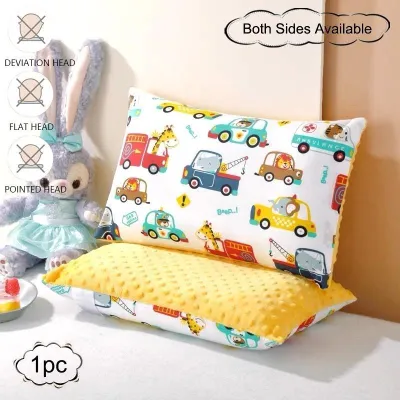
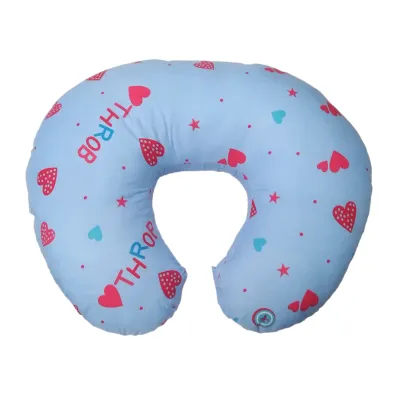
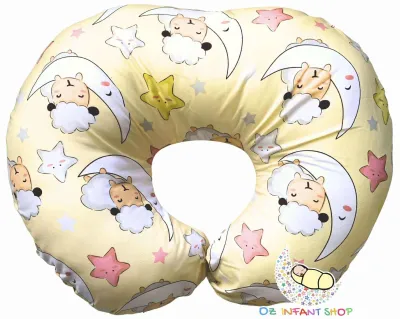
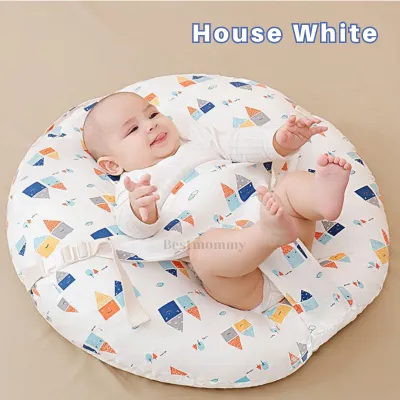
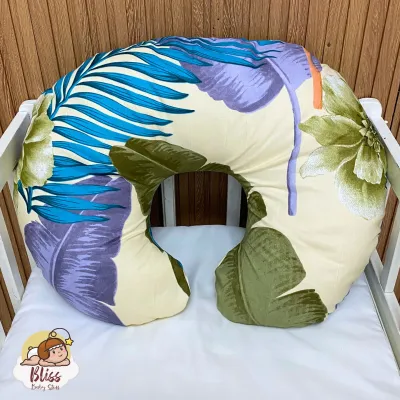
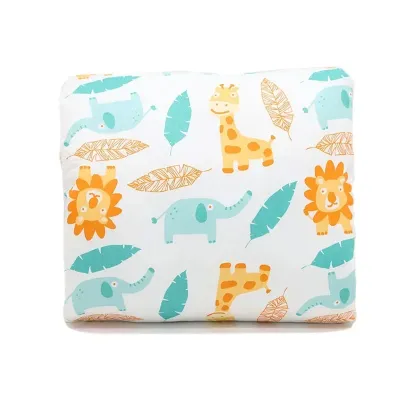
Prices are valid at publication and may change. Please refer to the product page for the latest price.
Another critical concern is the risk of suffocation and re-breathing. If a baby rolls over or turns their face into a soft pillow, they may not have the neck strength or motor coordination to pull away. This can trap their nose and mouth against the fabric, blocking fresh oxygen. In a soft sleep environment, a baby can also end up re-breathing their own exhaled carbon dioxide, which quickly depletes their oxygen levels and can lead to sudden infant death syndrome (SIDS).
The warm, humid climate of the Philippines adds another layer of risk to soft bedding. Thick pillows and plush fabrics tend to trap body heat and sweat, which can cause a baby to overheat rapidly during sleep. Overheating is a recognized risk factor for sleep-related infant deaths. A flat, firm mattress covered only by a tight-fitting sheet allows for maximum airflow around the baby’s head and body, helping to regulate their temperature naturally.
Because every child develops at a unique pace, age guidelines should always be paired with professional guidance. Before introducing any new bedding or changing your baby’s sleep setup, consult your pediatrician. They can assess your child’s physical development, neck strength, and overall health to provide personalized advice on when it is safe to transition to a pillow.
Recognizing the Right Time: Developmental Milestones Over Exact Age
While the age of two is a common benchmark, physical and behavioral milestones are often more reliable indicators of when your child is ready for a nursery pillow. One of the most practical triggers for this transition is moving your child from a crib to a toddler bed. This transition typically occurs between 18 months and three years of age, a period when a child’s motor skills and physical strength have advanced significantly, reducing many of the risks associated with loose bedding.

You can also look for specific behavioral cues during your child’s daily routines. Observe how they rest during supervised quiet time or when lounging on the floor. If you notice your child consistently propping their head up on a folded blanket, a plush toy, or even a cushion from the sofa, they may be seeking extra support for their head and neck. This active search for elevation suggests that their body is beginning to crave a different sleeping posture.
Physical growth also plays a major role in determining readiness. As toddlers grow, their shoulders widen, eventually becoming broader than their head. When a child with wider shoulders sleeps on their side on a completely flat mattress, their head may tilt downward at an uncomfortable angle, straining the neck muscles. A thin, firm pillow can help bridge this gap, keeping the head, neck, and spine in a comfortable, neutral alignment.
Even if your child displays all of these signs, it is vital to verify their physical readiness with a healthcare professional. During a routine wellness check, ask your pediatrician if your toddler’s neck strength, spinal alignment, and sleep habits are suitable for a pillow. This step ensures that you are making the transition based on clinical readiness rather than just observing behavioral trends.
Choosing a Safe Nursery Pillow: What to Look For
Once your pediatrician confirms that your child is ready, the next step is selecting a pillow designed specifically for toddlers. Standard adult pillows are entirely unsuitable for young children; they are too thick, too soft, and too large, posing both physical strain and safety hazards. A safe nursery pillow must meet strict criteria regarding size, firmness, materials, and safety standards.
Size and thickness, often referred to as loft, are the first specifications to evaluate. A toddler pillow should be relatively small, typically measuring around 13 by 18 inches, and very low-profile, with a thickness of no more than two to three inches. This low loft ensures that the child’s neck is not pushed upward at an unnatural angle, which could cause chronic discomfort or restrict their airway.
Firmness is another non-negotiable safety feature. The pillow must be firm enough to support the head without allowing the face to sink into the material. You can test this by pressing your hand firmly into the center of the pillow; when you release your hand, the pillow should immediately bounce back to its original shape. If it retains an indentation or feels plush and fluffy, it is too soft and poses a suffocation risk.
In the Philippines, selecting the right materials is crucial for managing heat and humidity. Look for pillows with highly breathable, hypoallergenic fills and covers. Natural fibers like 100% cotton or bamboo-derived fabrics are excellent choices for the outer cover, as they wick away moisture and allow for optimal airflow, keeping your toddler cool and dry throughout the night. Avoid synthetic covers that trap heat and can lead to heat rashes or restless sleep.
Finally, always check the product packaging and labels for manufacturer guidelines and safety certifications. Verify the recommended age and weight limits stated by the manufacturer, as these are tailored to the product’s specific design and testing. Look for recognized independent certifications that verify the materials are free from harmful chemicals and emissions. Never purchase a pillow that lacks clear safety labeling or age recommendations.
Safe Sleep Environment Setup and Ongoing Precautions
Introducing a nursery pillow requires a careful reorganization of your child’s sleep space to maintain a safe environment. The addition of a pillow should not open the door to a cluttered bed. Keep the sleep zone minimalist by ensuring that loose blankets, heavy quilts, and excess plush toys remain out of the bed. The pillow should be the only loose item in the sleep space, and it should be positioned securely at the head of the bed.
Ensure that the mattress remains firm and fits the bed frame snugly, leaving no gaps along the sides or corners. A loose mattress or an ill-fitting frame can create dangerous crevices where a pillow or a child’s head could become trapped. The sheet covering the mattress must also remain tight and secure, with no loose fabric that could bunch up near the pillow.
During the first few nights of using the new pillow, monitor your child’s sleep posture and breathing closely. You can do this by checking on them periodically or using a reliable baby monitor. Observe how they interact with the pillow; some toddlers may naturally slide off it or push it aside, which is completely normal as they adjust to the new sensation.
Be prepared to stop using the pillow immediately if you observe any warning signs. If your child consistently slides down so that the pillow covers their face, or if they wake up showing signs of neck stiffness, discomfort, or unusual restlessness, remove the pillow from the bed. Return to a flat sleep surface and consult your pediatrician to re-evaluate whether your child is truly ready for the transition.
Frequently Asked Questions (FAQ)
Can I use a regular adult pillow for my toddler?
No, you should never use a regular adult pillow for a toddler. Adult pillows are designed for much larger body proportions and are far too thick and soft for a young child’s developing neck and spine. The excess material and loft of an adult pillow create a significant suffocation hazard and can cause severe neck strain. Always use a dedicated nursery pillow that is specifically sized and proportioned for toddlers.
Are flat pillows safer than contoured ones for young children?
For toddlers transitioning to their first pillow, a simple, flat, and firm design is generally the safest and most appropriate choice. Contoured pillows, which are often marketed for ergonomic support, are typically designed for older children or adults and may not align correctly with a toddler’s unique anatomy. Always check the manufacturer’s guidelines for any specific age restrictions or developmental requirements before considering a contoured model.
What should I do if my baby rolls onto the pillow during sleep?
If your baby is under the recommended age or developmental stage and manages to roll onto a pillow, you must remove the pillow from their sleep environment immediately. Ensure that their airway is completely clear and that they are breathing normally. Return them to a flat, firm mattress with no loose bedding, and consult your pediatrician before attempting to reintroduce any pillows or soft sleep accessories.

Community discussion
Share your experience or ask a question. Comments are reviewed before publication.