
Finding the right toys for baby walker use involves matching the physical design of your baby’s mobile seat with lightweight, secure, and developmentally appropriate playthings. A baby walker provides a dynamic environment where your child can explore their surroundings, but it also requires careful selection of accessories to prevent safety hazards. In tropical climates like the Philippines, where humidity can affect suction cup adhesion and dust can accumulate quickly, choosing the right materials and attachment styles is essential for a clean, safe play experience.
By understanding how different toys interact with your walker’s frame, tray, and safety boundaries, you can create an engaging setup that supports fine motor skills. The most compatible options generally fall into three main categories: tray-mounted activity centers, clip-on sensory toys, and secure teething attachments. Each style offers unique benefits and requires specific checks to ensure they remain safely anchored during movement.
Understanding Walker and Toy Compatibility
Baby walkers come in a wide variety of structural designs, and not every toy is suitable for every model. Some walkers feature large, flat plastic trays designed for feeding or play, while others come with built-in electronic consoles that leave very little flat surface area. There are also open-front models or those with simple bumper bars that require entirely different attachment mechanisms. Identifying the physical layout of your specific walker is the first step in determining which toys will fit securely.
Products mentioned in this guide
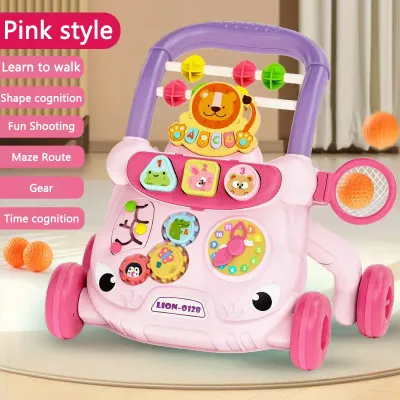
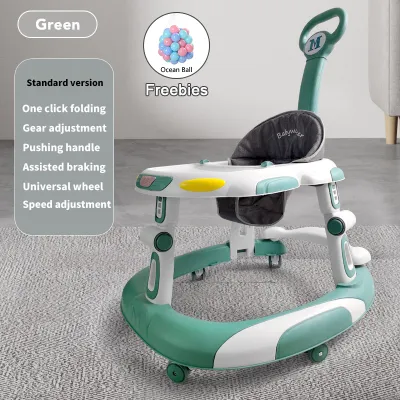
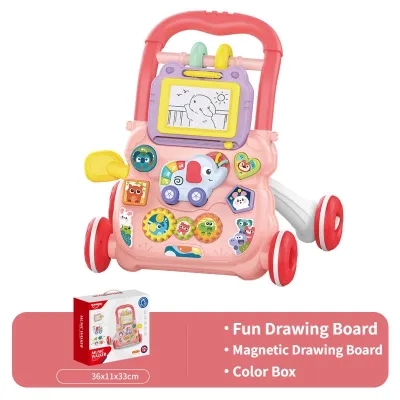
![[BABY WALKER] Training Walker for Babies 5-14 months old with Push Control Bar.. Music and Light-201](https://img.lazcdn.com/g/p/2a64f203adafdd05d3f71f178b85853c.jpg_400x400q80.jpg_.webp)
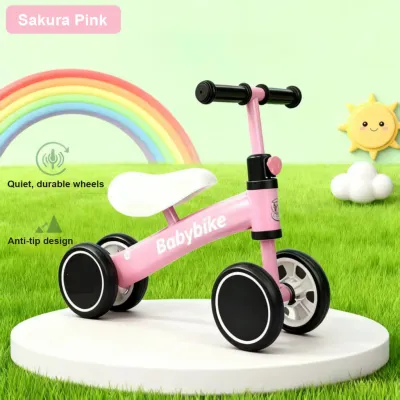
Prices are valid at publication and may change. Please refer to the product page for the latest price.
The baby’s physical reach and seating position also dictate toy compatibility. A baby seated in a walker has a limited range of motion and cannot easily reach items placed too far forward or to the sides. Toys must sit comfortably within this reach zone so the baby does not have to lean dangerously over the edge of the seat. Furthermore, the size and weight of the toy must not block the baby’s view of their feet or the floor, as visual feedback is crucial for spatial awareness as they learn to navigate.
Weight distribution is another critical factor that parents often overlook. Placing heavy or bulky items on one side of a walker tray can shift its center of gravity, making the unit unstable. Always consult the manufacturer’s instruction manual for your specific walker model to check for weight limits or warnings against adding aftermarket accessories. Following these guidelines helps prevent accidental tipping and ensures the walker functions as intended.
Top Toy Categories for Baby Walkers
Selecting the right toys for baby walker setups requires looking at how a child interacts with their environment at different developmental stages. The ideal toys encourage fine motor skills, such as grasping, spinning, and pressing, without interfering with the walker’s primary mobility function.

These toys generally fall into three main categories based on how they attach to the walker and how the baby interacts with them. By choosing items from these categories, you can provide a balanced sensory experience that keeps your little one engaged and safe.
Tray-Mounted Activity Centers
For walkers equipped with a spacious, flat front tray, tray-mounted activity centers are an excellent option. These toys are designed to sit directly on the plastic surface, providing a centralized play area. To keep them from sliding off or being pushed onto the floor, look for models featuring robust suction cups or non-slip rubber bases.
In warm, humid environments, dust and moisture can quickly compromise suction cup adhesion. Regularly wiping down both the walker tray and the suction base with a damp cloth helps maintain a firm grip. Look for interactive elements such as spinning gears, colorful beads on a wire, small mirrors, and buttons that trigger gentle sounds. These features encourage cause-and-effect learning and keep the baby entertained while seated.
Safety is paramount when selecting these centers. Avoid any toys with small, detachable parts or loose components that could easily break off and fall into the fabric seat area. The toy should be a single, cohesive unit that remains firmly anchored even during enthusiastic play.
Clip-On and Hanging Sensory Toys
If your baby’s walker features a toy bar, a protective canopy, or side fabric loops, clip-on and hanging sensory toys are highly compatible. These toys utilize specialized attachment mechanisms to hang within your baby’s reach, encouraging them to stretch, pull, and explore different textures.
When shopping, prioritize toys that feature secure C-clips or locking plastic carabiners rather than simple open rings. Open rings can easily slip off when pulled hard, leading to dropped toys. Ensure the hanging length is short enough to prevent any risk of entanglement around the baby’s neck or limbs. Always check the manufacturer’s safety labels for exact length limits.
Sensory toys should offer rich tactile and visual feedback. Look for high-contrast patterns, crinkle fabrics that make satisfying sounds when squeezed, and soft rattles. These features stimulate auditory and visual development while keeping the baby entertained as they move around the room.
Teething and Grasping Attachments
Babies using walkers are often at an age where they explore the world with their mouths. Teething and grasping attachments are essential for soothing sore gums while keeping the toy securely within reach.
Opt for solid, single-piece teethers made from food-grade silicone or natural rubber. These materials are highly durable and easy to sanitize, which is particularly important in tropical environments where moisture can encourage bacterial growth. Avoid liquid-filled teethers, as they can puncture under pressure.
To prevent these items from constantly falling to the floor, use short, dedicated toy tethers or silicone straps designed specifically for baby gear. These straps must be short enough to avoid wrapping around the baby’s neck or limbs. Always check the packaging for safety certifications, ensuring the materials are free from BPA, phthalates, and other harmful chemicals.
Essential Safety Checks for Walker Toys
Before attaching any toy to a baby walker, a thorough safety inspection is necessary. The dynamic nature of a walker means toys are subjected to constant movement, pulling, and bumping, making safety checks even more critical than they are for stationary play.
First, inspect the toy for potential choking hazards. Ensure that no individual parts can detach under pressure or rough handling. A helpful rule of thumb is to use a standard choke tube tester; any toy or component that fits entirely inside the tube is unsafe for unsupervised play. Regularly check the toy for signs of wear, such as cracked plastic or loose stitching.
Second, evaluate the risk of strangulation. Any cord, ribbon, or tether used to secure a toy to the walker must be kept as short as possible. Check the manufacturer’s safety labels on both the walker and the toy strap for recommended maximum lengths, and never use makeshift strings or household ribbons to tie toys down.
Third, consider the weight and balance of the walker. Adding heavy toys to the front tray or hanging them from one side can alter the walker’s center of gravity. This imbalance increases the risk of tipping, especially when the walker transitions over thresholds, rugs, or minor unevenness on the floor. Keep attachments lightweight and evenly distributed.
Finally, check for potential pinch points. Examine the toy’s hinges, folding mechanisms, and battery compartments. Ensure that battery covers are securely screwed down and that there are no small gaps where tiny fingers could get pinched as the baby manipulates the toy.
Matching Toys to Your Walker’s Design
To ensure a seamless fit, you must map the specific attachment style of the toy to the physical architecture of your baby walker. Not all toys work with all walker designs, and forcing an incompatible match can lead to dropped toys or safety hazards.
For walkers with solid, flat plastic trays, focus your search on flat-bottomed toys, suction-based activity centers, or large, self-contained play boards. These designs maximize the available flat surface area and rely on suction or friction to stay in place.
For walkers featuring open fronts, built-in steering wheels, or electronic consoles, look for toys that clamp securely to the side rims or the steering column. These clamps must be adjustable and lined with rubber or textured plastic to prevent slipping on rounded walker frames.
For walkers equipped with fabric canopies or high fabric backs, lightweight clip-on toys are the best choice. Heavy items will pull the fabric down, obstructing the baby’s view or causing the canopy to collapse. Stick to soft, plush toys with simple plastic C-clips.
Below is a quick reference table to help you map your walker’s design features to compatible toy attachment types:
| Walker Design Feature | Compatible Toy Attachment Type | Key Considerations |
|---|---|---|
| Solid, Flat Plastic Tray | Suction cups, flat-bottomed bases, large activity boards | Clean surface regularly to maintain suction grip |
| Open Front / Bumper Bar | Clamps, wrap-around spiral toys, secure straps | Ensure clamps fit the diameter of the bar |
| Built-in Steering Wheel / Console | Side-rim clamps, small tethered teethers | Avoid blocking built-in buttons or steering mechanisms |
| Fabric Canopy / High Back | Lightweight plastic C-clips, soft plush hanging toys | Keep toys lightweight to prevent fabric sagging |
Creating Your Shopping Shortlist
When you are ready to purchase toys for baby walker use, building a curated shortlist will save you time and prevent buying incompatible items. Whether shopping online or visiting local baby boutiques, a systematic approach ensures safety and compatibility.
Start by carefully reading product descriptions. Look for specific keywords such as “walker compatible,” “stroller/walker clip,” or “tray friendly.” These terms indicate that the manufacturer designed the attachment mechanism with standard baby gear dimensions in mind.
Next, verify the recommended age and developmental stage printed on the packaging. A toy that is too advanced may frustrate your baby, while one designed for younger infants might fail to keep them engaged. Match the toy’s interactive features to your baby’s current fine motor abilities, such as pinching, spinning, or pressing.
Review user feedback on online marketplaces, paying close attention to comments regarding suction cup strength, clip durability, and how well the toy fits on standard walker trays. Real-world reviews from other parents can highlight potential design flaws, such as suction cups that lose grip quickly in humid weather or clips that break easily.
Finally, always verify the retailer’s return policy before finalizing your purchase. Because walker tray dimensions and frame thicknesses vary widely across brands, there is always a chance a toy might not fit your specific model. A flexible return policy allows you to test the fit safely at home.
Frequently Asked Questions (FAQ)
Can I use regular crib mobiles on a baby walker?
No, regular crib mobiles are not safe or suitable for use on a baby walker. Crib mobiles are designed for stationary environments and typically feature long strings, delicate hanging parts, and heavy mounting brackets intended for fixed wooden crib rails. When attached to a mobile baby walker, the constant movement can cause the mobile to swing violently, potentially hitting the baby or tangling in their hands. Additionally, the mounting clamps on crib mobiles are rarely compatible with the rounded plastic or metal frames of a walker, posing a significant fall hazard. Stick to toys specifically tested and labeled for mobile baby gear like strollers and walkers.
How do I clean toys that are attached to the walker?
Keeping walker toys clean is essential for your baby’s health, especially in warm, humid climates where moisture can encourage bacterial growth. For hard plastic and silicone toys, wipe them down daily with a damp cloth and a mild, baby-safe soap, or use specialized baby gear wipes. If the toys are fabric, check the care label to see if they are machine-washable; many soft sensory toys can be placed in a mesh laundry bag and washed on a gentle cycle. Always remove electronic toys from the walker before cleaning, and check that battery compartment seals are completely tight. Never submerge electronic components in water; instead, use a slightly damp cloth to clean the exterior surfaces.

Community discussion
Share your experience or ask a question. Comments are reviewed before publication.