
Selecting the right gear for your child involves balancing physical comfort, home compatibility, and strict safety checks. When shopping for a walker for a baby boy, it is easy to get distracted by bright colors, toy attachments, or themed designs. However, the most critical factors lie in the structural specifications, height adjustability, and wheel design of the product.
In the Philippines, where homes often feature smooth tiled floors, polished concrete, or compact layouts, choosing a walker requires careful attention to how the device moves and stays upright. Prioritizing build quality and safety certifications over aesthetic themes ensures your baby has a secure environment to explore their surroundings. Before making a purchase, caregivers should understand which technical specifications to verify on the product label and packaging.
Safety and Stability Specifications to Verify
A wide, stable base is the primary defense against tipping. When evaluating a walker, look for a model where the bottom frame is significantly wider than the top tray. This wide footprint lowers the center of gravity and prevents the walker from tipping over when your baby leans over the side to reach for an object. Always check the product dimensions on the box to ensure the base can easily clear your doorways and hallways without getting stuck.
Products mentioned in this guide
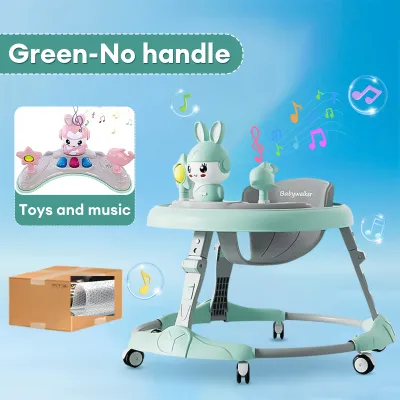
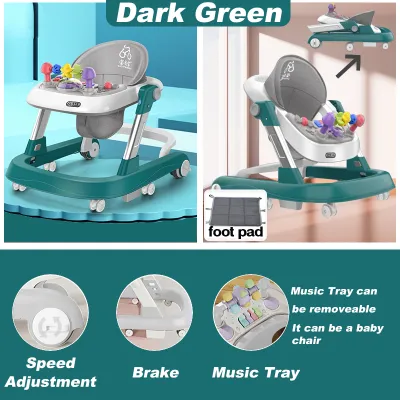
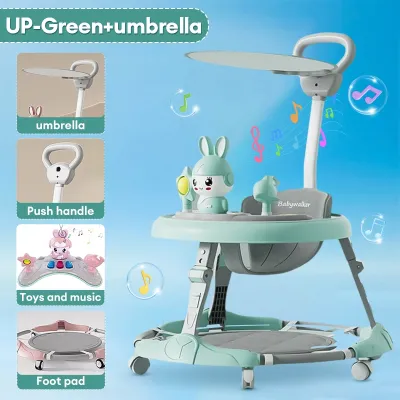
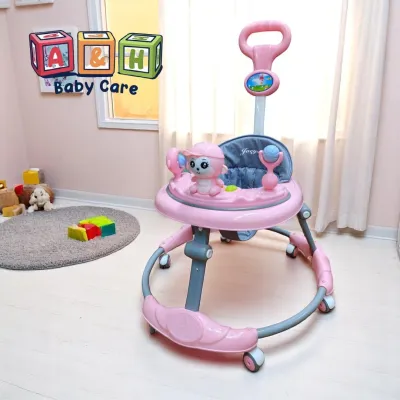
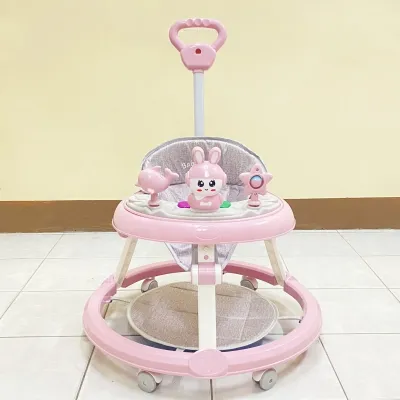
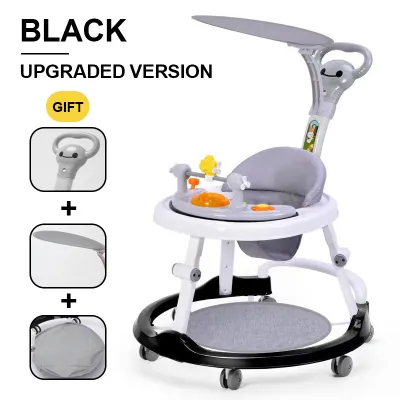
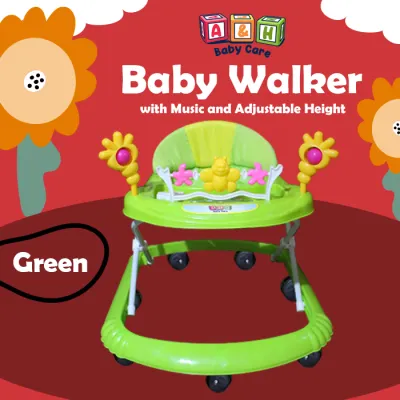
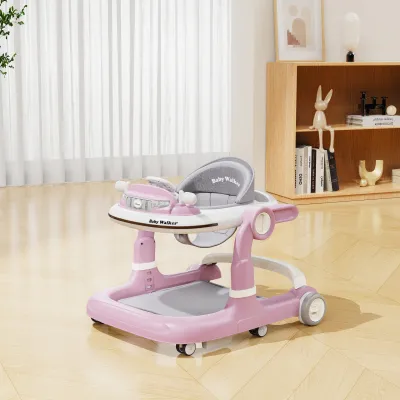
Prices are valid at publication and may change. Please refer to the product page for the latest price.
Stair-fall prevention mechanisms are essential safety features to look for on the underside of the frame. Many modern walkers are equipped with friction strips or rubber stoppers designed to grip the floor and halt the walker if a wheel loses contact with the ground. Keep in mind that these stoppers require flat, clean, and dry floor conditions to function as intended. They are not a substitute for physical barriers, so caregivers must still install secure baby gates at the top of all stairways.
Weight and age limits vary significantly between different models and brands. Rather than relying on a general age recommendation, always consult the manufacturer’s documentation for the exact maximum weight and height limits. Stop using the walker immediately once your baby reaches any of these limits, or as soon as they display the developmental milestone of standing up or attempting to climb out of the seat.
Adjustability and Fit for Growing Babies
Babies grow rapidly, making multiple seat height adjustment settings a necessity for any walker. The correct height setting allows your baby’s feet to rest flat on the floor with a slight bend in the knees. If the seat is adjusted too high, the baby will only be able to touch the floor with their toes, which can lead to toe-walking and strain their developing calf muscles. Conversely, a seat that is too low causes excessive knee bending and poor posture.

Seat depth and back support are critical for maintaining a healthy, upright position. Look for a seat bucket that features a high, rigid backrest to support your baby’s spine. The seat fabric should be durable, heavily padded, and breathable to keep your baby comfortable in warm, humid tropical climates. Ensure the seat depth is sufficient to prevent the baby from slouching or sliding forward while moving.
Frame height clearance must be checked to protect your baby’s hands and fingers. Examine the adjustment joints and folding mechanisms to ensure there are no exposed gaps where small fingers could get pinched when the walker is in use. Verify that the height adjustment locks are robust and cannot be accidentally released by the baby’s weight or sudden movements.
Wheel Types, Brakes, and Floor Compatibility
The material and size of the wheels dictate how smoothly the walker moves across your home’s surfaces. Hard plastic wheels are common but can slide too quickly on smooth ceramic tiles or scratch polished wooden floors. Rubberized or soft-grip wheels provide better traction, help control the walker’s speed on slick surfaces, and protect your flooring from scuffs and scratches.
Speed restrictors and locking brakes offer caregivers greater control over the baby’s mobility. Some walkers feature adjustable tension on the wheels, allowing you to increase resistance for babies who are still building leg strength. Locking brakes are highly useful when you want to temporarily secure the walker in place, transforming it into a stationary activity center while you supervise nearby.
Swivel wheels versus fixed wheels affect how easily the walker can be steered. Many models utilize 360-degree swivel casters on the front to allow easy turning, combined with fixed directional wheels on the rear to keep the walker moving in a predictable path. Walkers with swivel wheels on all four corners can drift sideways, which may frustrate a baby who is still learning how to direct their steps forward.
Which Features to Deprioritize When Choosing
An overabundance of electronic toys, flashing lights, and loud music on the activity tray is often unnecessary. While these features may seem engaging, they can overstimulate your baby and distract them from the physical task of learning to balance and walk. Opting for a simpler, removable toy tray is often more practical, as it allows you to easily clean the surface and use it for snack times.
Gendered designs, specific colorways, and character themes do not contribute to the safety, durability, or developmental value of the walker. When searching for a walker for a baby boy, focus entirely on the structural integrity, frame strength, and safety certifications of the product. A well-built neutral walker can also be easily reused for younger siblings in the future.
Foldability claims should be viewed with caution if they lack secure locking mechanisms. While a folding frame is highly convenient for storage in smaller living spaces, it must feature manual safety pins or dual-action locks. Avoid any model that collapses too easily, as a faulty or simple latch could fail under the weight of an active baby, leading to an accidental collapse during use.
Frequently Asked Questions (FAQ)
At what age or developmental stage should a baby start using a walker?
A baby should only begin using a walker once they can sit up completely unassisted, hold their head up steadily without support, and have sufficient neck strength to control their movements. This stage typically occurs around six months of age, but individual development varies. Always consult your pediatrician before introducing a walker, and verify the specific manufacturer’s minimum age, weight, and height guidelines on the product packaging.
Are push walkers safer than traditional sit-in walkers?
Traditional sit-in walkers suspend the baby in a fabric seat, allowing them to move by pushing off the floor before they are ready to bear their own weight. Push-behind walkers require the baby to stand upright, balance, and actively support their own body weight while pushing the toy forward. Because push walkers encourage a more natural walking posture and do not restrict hip movement, they are often preferred by developmental specialists, though both types require constant caregiver supervision.
Community discussion
Share your experience or ask a question. Comments are reviewed before publication.