
Finding ways to soothe a fussy infant is a top priority for parents, especially when navigating the warm, humid climate of the Philippines. A baby patting pillow—designed to mimic the gentle, reassuring touch of a caregiver’s hand—has become a popular nursery addition. However, choosing the right one requires balancing comfort with strict safety standards. To make an informed decision, you must evaluate the pillow’s breathability, structural integrity, material safety, and developmental suitability. This guide outlines the essential features, material choices, and safety checks to help you select a high-quality soothing aid that keeps your little one comfortable and secure.
Essential Safety Checks and Certifications to Verify
Before focusing on cute designs or soothing features, safety must be your absolute priority. Infant sleep and lounging accessories are subject to rigorous safety standards, but it is up to the caregiver to verify these claims. When browsing online marketplaces or local baby boutiques, start by looking for independent third-party safety certifications on the product packaging, tags, or manufacturer website. Certifications such as OEKO-TEX Standard 100 indicate that the textile components have been tested for harmful substances, which is vital for materials that will be in direct contact with your baby’s skin.
Beyond chemical safety, physical hazards require a meticulous hands-on inspection. Examine the pillow closely for loose threads, raw seams, or small decorative elements like buttons, ribbons, and plastic eyes. In the hands of an infant, these small parts can easily become detached and present severe choking hazards. Ensure that all stitching is double-reinforced, especially around weighted sections or areas containing filling materials, to prevent any loose fibers or beads from escaping.
Products mentioned in this guide
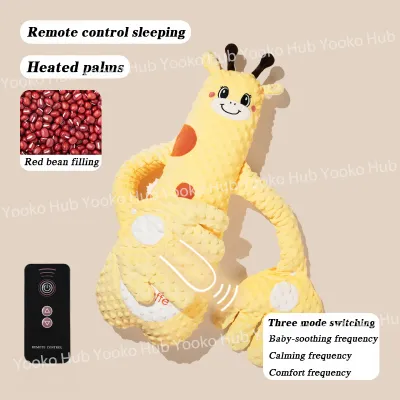
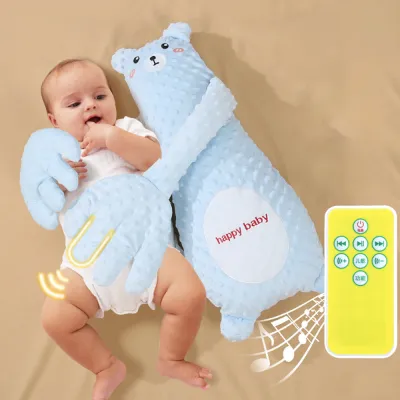
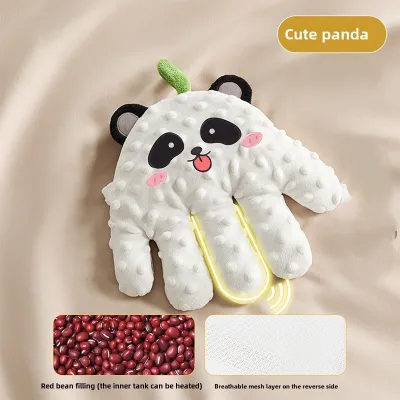
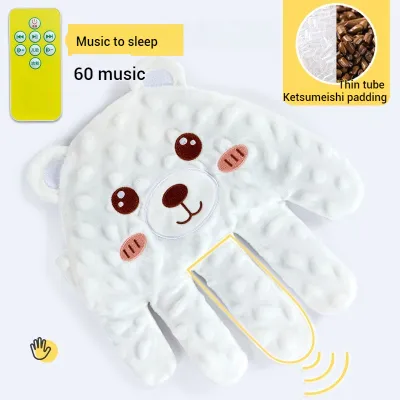
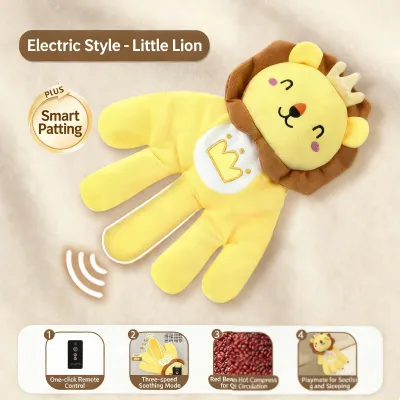
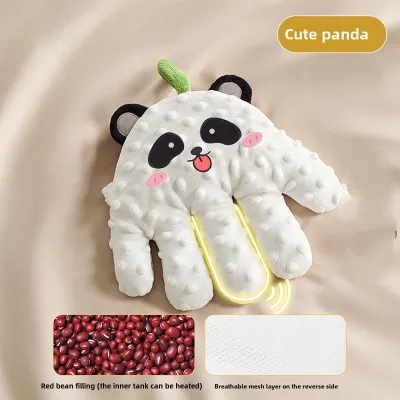
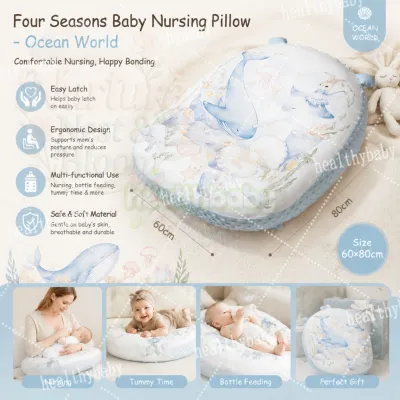
Prices are valid at publication and may change. Please refer to the product page for the latest price.
Breathability and structural firmness are critical factors in reducing the risk of accidental suffocation. A baby’s sleep surface must remain firm and resilient; soft, plush pillows that conform too easily to an infant’s face can block their airway if they turn over. Perform a simple firmness check by pressing your hand firmly into the center of the pillow; it should quickly spring back to its original shape rather than leaving a deep, lasting indentation. Additionally, verify that the manufacturer explicitly states the product complies with infant safe-sleep breathability guidelines before introducing it to your nursery.
Always remember that soothing accessories are designed to assist caregivers, not replace them. A patting pillow should never be used in an unsupervised sleep environment, such as an infant’s crib or bassinet overnight. The safest sleep environment for a baby is a flat, bare surface free of loose bedding, pillows, and bumper pads. Keep this fundamental rule in mind as you evaluate different products, ensuring that any soothing aid you purchase is used strictly under active adult supervision during supervised lounging or awake times.
Choosing Breathable and Skin-Friendly Materials
The tropical climate of the Philippines presents unique challenges for infant bedding. High temperatures and elevated humidity levels mean babies sweat frequently, which can quickly lead to skin irritation, heat rash (commonly known as bungang-araw), or eczema flare-ups. Consequently, the outer cover of the patting pillow must be exceptionally breathable and gentle on delicate skin. Natural fibers like organic cotton and bamboo-derived fabrics are excellent choices because they naturally wick moisture away from the skin and allow for optimal airflow.

Another highly effective material for tropical climates is 3D mesh fabric. This synthetic material features a unique honeycomb structure that creates a continuous path for air to circulate, preventing heat from building up beneath your baby’s head and body. If you choose a pillow with a synthetic outer cover, ensure it is specifically engineered for infant use and feels soft to the touch, as rougher synthetic blends can cause friction and irritate sensitive facial skin.
The inner filling of the pillow determines both its support level and its hypoallergenic properties. Look for fillings made from hypoallergenic polyester fiberfill, natural latex, or specially formulated infant-safe memory foam. Avoid fillings that trap heat or contain loose, unsealed feathers and down, which can harbor dust mites and trigger allergic reactions. The filling should provide consistent, even support across the entire surface of the pillow, preventing the baby’s head from sinking too deeply while maintaining a comfortable, natural alignment.
Hygiene is another critical consideration when selecting materials. Babies are prone to spit-ups, drool, and diaper leaks, meaning the pillow will require frequent cleaning. Look for a patting pillow that features a fully removable, machine-washable outer cover. A cover that is easy to zip off and toss into the washing machine ensures you can maintain a clean, hygienic environment for your baby. Additionally, verify that the inner filling itself is either washable or protected by a water-resistant, wipeable inner liner to prevent moisture from seeping into the core and encouraging mold growth.
Key Design Features for Effective Soothing
When comparing different patting pillows, it is easy to get distracted by aesthetic details, but functional design features are what truly aid in relaxation. Many high-quality pillows incorporate ergonomic shapes, such as a gentle center indentation or contoured edges, which help keep the baby centered and supported. If the pillow features a gentle incline, verify that the angle is subtle and designed to support the natural curve of your baby’s upper body without forcing their chin toward their chest, which can restrict breathing.
Weight distribution is a key design element in many patting pillows, often utilizing weighted “arms” or “hands” filled with non-toxic beads or grains to simulate the comforting pressure of a parent’s hand. When evaluating these weighted features, check that the weight is evenly distributed and not overly heavy for your baby’s size. The stitching enclosing these weighted compartments must be exceptionally secure, as loose beads pose a severe safety hazard if the fabric tears or wears down over time.
Some modern patting pillows come equipped with built-in sensory features, such as gentle vibration mechanisms, white noise machines, or simulated heartbeat sounds. While these features can be highly effective at soothing a restless infant, they require careful inspection. Ensure that the battery compartment is completely secure, requiring a screwdriver to open, and is located in a heavily padded section of the pillow far away from where the baby rests. Always follow the manufacturer’s instructions regarding battery safety and avoid leaving electronic components inside the pillow during washing.
Finally, pay close attention to the size, weight, and thickness restrictions specified by the manufacturer. A pillow that is too large for your baby’s current developmental stage can overwhelm them or create safety hazards in their lounging area, while a pillow that is too small will fail to provide adequate support. Check the product label for recommended age and weight ranges, and select a size that matches your baby’s current physical dimensions rather than buying a larger size for them to “grow into.”
Building Your Shortlist: Matching Features to Your Needs
To narrow down your options and build a practical shortlist, start by identifying your primary use case. If you are looking for a pillow to help soothe your baby during supervised daytime naps or transition periods, prioritize models with excellent breathability and gentle weight distribution. If your primary goal is post-feeding support to keep your baby slightly elevated while awake, focus on pillows with a supportive, ergonomic incline and a wipeable, water-resistant cover that can handle frequent spit-ups.
Before making your final purchase, run through a strict pre-purchase checklist to ensure the product aligns with your household’s safety habits. Read the manufacturer’s warnings, age limits, and supervision requirements thoroughly. Ask yourself if you can consistently provide the level of active supervision required during the pillow’s use. If a product’s instructions are vague or lack clear safety warnings, it is best to cross it off your list and choose a brand that prioritizes transparent safety communication.
It is equally important to plan for the future and know when it is time to stop using the patting pillow. As babies grow, their physical capabilities change rapidly, and accessories that were safe during the newborn stage can become hazardous. The most critical milestone to watch for is when your baby begins attempting to roll over on their own. Once your baby can roll, push up on their hands and knees, or has outgrown the manufacturer’s weight limit, you must immediately discontinue using the pillow to prevent accidental rolling or entrapment.
Frequently Asked Questions (FAQ)
At what age is it safe to introduce a patting pillow?
Always check the product label for the manufacturer’s specific minimum age and weight requirements before introducing a patting pillow to your baby. Many soothing pillows are designed for infants who are at least a few weeks old, while others may have higher age thresholds depending on their size and weight distribution. Never assume a product is suitable for a newborn unless the packaging explicitly states it has been tested and approved for that specific age group.
In addition to manufacturer guidelines, you must adhere to safe sleep recommendations established by pediatric health organizations. These guidelines emphasize that infants should sleep on a flat, firm surface free of any loose bedding, pillows, or positioning aids until they reach at least one year of age. Therefore, a patting pillow should only be introduced during supervised, awake lounging times and must never be left in an unattended crib or bassinet.
Monitor your baby’s physical development closely to determine when to stop using the pillow. The moment your baby shows signs of attempting to roll over, turn their head independently, or push themselves up, the pillow must be removed from their routine. These milestones indicate that your baby has gained the mobility to potentially roll off or face-plant into the pillow, which increases safety risks.
Can a patting pillow help prevent acid reflux in infants?
It is important to distinguish between general soothing comfort and medical management when it comes to infant acid reflux. While a patting pillow with a gentle, supportive incline can help keep your baby comfortably elevated after a feeding, it is not a medical device and cannot cure or prevent gastroesophageal reflux. The primary purpose of the pillow is to provide a comfortable, supervised resting spot while your baby digests their milk.
If you are considering a pillow specifically for reflux support, verify that the manufacturer explicitly recommends the product’s incline for post-feeding elevation and that it complies with pediatric safety standards. Avoid using makeshift pillows or steep inclines that are not designed for infants, as these can cause your baby’s head to slump forward, potentially compromising their airway.
If your baby experiences persistent, severe reflux symptoms—such as frequent projectile vomiting, excessive crying during or after feedings, or poor weight gain—do not rely on a soothing pillow for treatment. Pause the use of any positioning aids and consult a qualified pediatrician. A medical professional can provide an accurate diagnosis and recommend safe, evidence-based strategies or treatments tailored to your baby’s health needs.

Community discussion
Share your experience or ask a question. Comments are reviewed before publication.