
At two years old, your toddler is undergoing rapid developmental changes, including the eruption of their first set of molars. This milestone marks a critical transition in their oral hygiene routine, shifting from passive gum cleaning to active brushing. Finding the right toothbrush for a 2-year-old requires balancing two distinct needs: supporting your child’s desire for independence while ensuring you can comfortably step in to complete the job. A standard baby brush or an adult-sized alternative will not suffice; instead, you must look for specific features tailored to a toddler’s unique anatomy and developing motor skills. Choosing the correct tool helps establish healthy habits early on, preventing early childhood cavities and making daily brushing a positive, stress-free experience for both parent and child.
Why Toddler Toothbrushes Require Specific Design Features
During the toddler years, a child’s mouth undergoes significant structural changes as primary teeth continue to emerge. Infant finger brushes or silicone gum wipes, which were perfect for cleaning soft gums and early incisors, are no longer adequate once the back molars begin to erupt. These new teeth have deep grooves and crevices that easily trap food particles, requiring a brush with actual bristles to sweep away plaque effectively.
Furthermore, a two-year-old’s mouth is still incredibly small, and their gag reflex remains highly sensitive compared to older children. Using a brush designed for older kids can easily cause discomfort, leading to a negative association with oral care. At the same time, toddlers are developing their gross motor skills but still lack the fine motor control required for precise brushing. This developmental stage requires a dual-brushing dynamic: the toothbrush must be easy for a toddler to hold and explore, yet designed in a way that allows a parent to easily take over and thoroughly clean the hard-to-reach areas of the mouth.
Products mentioned in this guide
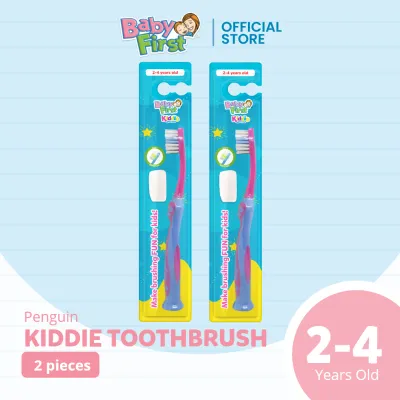
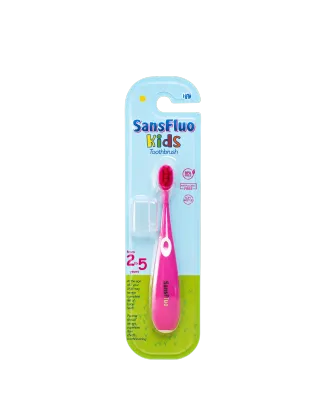
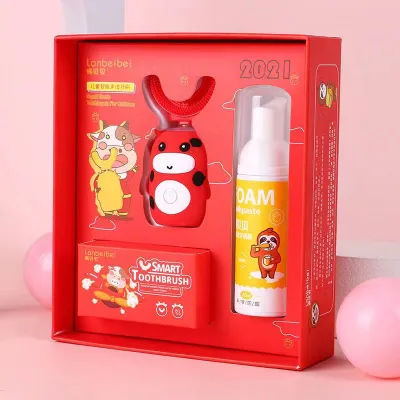
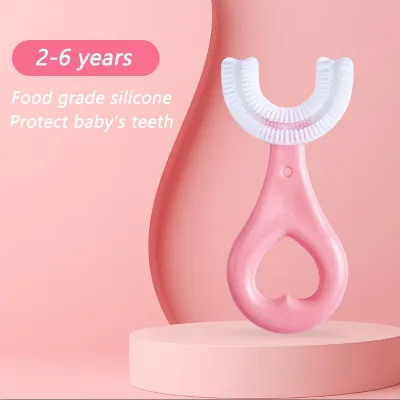
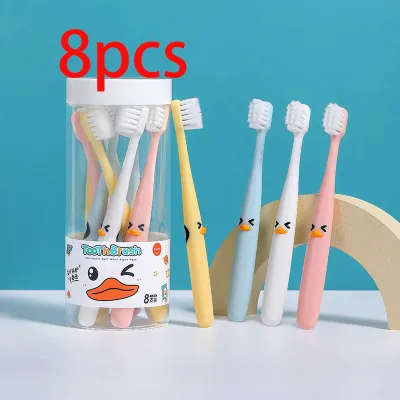
Prices are valid at publication and may change. Please refer to the product page for the latest price.
Bristle Standards: Evaluating Softness, Density, and Tip Shape
The bristles are the most critical component of any toothbrush, as they come into direct contact with your toddler’s delicate teeth and gums. Gums at this age are highly sensitive and easily irritated by stiff materials, which can lead to bleeding or discomfort. When evaluating options, always look for packaging explicitly labeled “extra soft” or “ultra soft.” Standard soft bristles meant for older children or adults can still be too abrasive for a two-year-old’s developing enamel.

Beyond softness, the shape of the bristle tips plays a vital role in protecting oral tissues. High-quality toddler toothbrushes feature rounded or polished bristle ends, which prevent micro-abrasions on the gums and cheeks. Because you cannot see these microscopic details with the naked eye, verify that the manufacturer explicitly states “end-rounded bristles” or “polished tips” on the product packaging.
Consider the density and trim of the bristles as well. A flat, densely packed bristle head provides a uniform sweeping motion that effectively removes plaque without requiring heavy, painful pressure. While multi-level trims can be useful for reaching uneven surfaces, they must be exceptionally soft to avoid poking sensitive gum tissue.
Material choice is another key consideration. While silicone brushes are popular for teething infants due to their gentle massaging effect, nylon bristles are generally more effective at sweeping away plaque once the molars have erupted. Check the manufacturer’s age recommendations to ensure the material matches your child’s current stage of dental development, and verify that the nylon used is high-quality and resistant to shedding.
Head Size and Shape: Ensuring Safe Access to Toddler Molars
A toddler’s oral cavity is remarkably small, making maneuverability a primary safety concern when selecting a toothbrush. The brush head must be compact enough to navigate the tight spaces between the cheeks, tongue, and back teeth without causing discomfort. As a general rule, the head should only span the width of two to three of your toddler’s front teeth, allowing for precise movement in tight spaces.
Opt for rounded or oval head shapes rather than rectangular ones. Sharp corners on a brush head can easily poke the delicate inner lining of the cheeks or the gums, causing pain that might make your child resist future brushing sessions. Some toddler brushes feature a rubberized or padded head, which provides an extra layer of cushioning against accidental bumps.
Pay close attention to the neck of the toothbrush. A thin, slightly flexible neck allows the brush to reach the back molars without putting excessive pressure on the front teeth. It also helps prevent triggering the gag reflex, which is highly active in two-year-olds.
Before purchasing, use the packaging window to visually estimate the fit. Hold the brush up to your child’s mouth if possible, or compare it to a known object to ensure the head is not too large for their current stage of growth. If the head looks too wide or long, it is best to look for a more compact alternative.
Handle Design: Balancing Toddler Grip with Parental Control
At two years old, children use a palmar grasp—holding objects with their entire fist rather than their fingers. To accommodate this, look for a chunky, rounded handle that fits comfortably inside a small fist. A handle that is too thin will slip out of their grasp, leading to frustration and a loss of interest in brushing.
Incorporate non-slip materials into your selection criteria. Wet hands and soapy water are common in tropical bathrooms, making rubberized grip zones essential. These textured areas help your toddler maintain a secure hold and give you better control when you take over to finish the brushing.
Safety features like built-in choke guards or wide base flanges are highly recommended. These physical barriers prevent the toothbrush from being pushed too far into the mouth if the toddler slips or overreaches, protecting the throat from accidental injury. A wide handle base can also double as a stand, keeping the brush head off dirty bathroom surfaces.
Some designs feature a dual-handle or a large ring-shaped handle. These configurations are excellent for cooperative brushing, allowing the parent to hold one part of the brush to guide the motion while the toddler holds the other, fostering a sense of independence while ensuring a thorough clean.
Optional Extras: Color Indicators, Stands, and Character Appeal
Some toothbrushes feature colored bristles in the center to show where to place toothpaste, or fading bristles that indicate when it is time for a replacement. While helpful, these indicators should be treated as secondary guides rather than absolute rules for toddler brushes, as physical wear is often a more reliable indicator.
In humid, tropical climates like the Philippines, proper storage is crucial to prevent mold and bacterial growth. Toothbrushes with suction cup bases or weighted bottom stands allow the brush to stand upright on the sink, ensuring it air-dries thoroughly between uses. This simple feature helps keep the bristles clean and hygienic in warm, damp environments.
Bright colors and familiar cartoon characters can significantly reduce resistance. Letting your toddler choose their own brush from a selection of safe options empowers them and builds positive associations with their daily oral care routine.
Light-up timers or musical elements can encourage toddlers to brush for a longer duration. However, ensure these features do not become a distraction that causes your child to chew on the brush rather than practicing proper brushing motions. The primary focus should always remain on safe and effective plaque removal.
Your Shopping Checklist: How to Screen Options In-Store and Online
When shopping for a toothbrush 2 years old, always verify the specific age grading printed on the packaging. Look for labels that specify “1-3 years” or “2+ years” rather than relying on generic marketing terms like “toddler” or “kids,” which can span a wide range of developmental stages.
If shopping in a physical store, take a moment to examine the packaging closely. Feel the handle through the plastic if there is a textured window, and check for clear indicators of bristle softness and manufacturing standards.
When browsing online marketplaces, use precise search terms and filter for reputable baby care brands. Read through customer reviews specifically looking for feedback on bristle shedding, handle durability, and whether the choke guard stays securely in place during use.
Consider the overall value by looking at multi-packs. Because toddlers tend to chew on their brushes, you will need to replace them frequently; comparing the price in Philippine Pesos (₱) per individual brush in a multi-pack can help you stay within budget without sacrificing quality.
Watch out for red flags. Avoid unbranded brushes that lack clear age specifications, brushes with stiff bristles, or “family pack” options that claim a single brush head size is suitable for both adults and toddlers. Investing in a dedicated, age-appropriate brush is essential for your child’s safety.
Daily Care, Replacement Triggers, and Safety Boundaries
After each brushing session, rinse the toothbrush thoroughly under running water to remove all traces of toothpaste and food debris. Store the brush upright in an open area where air can circulate freely, keeping it away from closed cabinets where tropical humidity can foster bacterial growth.
Inspect the brush daily for visual signs of wear. Toddlers frequently bite down on bristles, which can cause them to splay, fray, or fall out. If you notice splayed bristles, discoloration, or bite marks on the plastic handle, replace the brush immediately to prevent choking hazards or gum irritation.
Even if the brush looks clean, plan to replace it every three months as recommended by dental professionals, or sooner if your child has recently recovered from an illness. This practice helps limit the accumulation of bacteria on the bristles over time.
Establish clear safety boundaries during brushing. Never allow your toddler to run, walk, or play while holding a toothbrush, as a sudden fall can cause severe oral or throat injuries. Always supervise the entire process and store the brush out of reach when not in use.
Frequently Asked Questions (FAQ)
Can a 2-year-old use an electric toothbrush instead of a manual one?
Yes, provided it is specifically designed for toddlers. Check the manufacturer’s age rating to ensure the vibration intensity is gentle enough for a two-year-old’s sensitive gums. Look for models with small, extra-soft brush heads and ergonomic handles designed for parental guidance. While electric brushes can make plaque removal easier, some toddlers may be sensitive to the noise or vibration. Introduce the brush gradually, allowing them to feel the vibration on their hand first, and always supervise use to prevent chewing on the vibrating head.
How much toothpaste should be used with a toddler toothbrush?
For a two-year-old, use only a tiny smear of toothpaste, roughly the size of a single grain of rice. This minimal amount ensures that even if your toddler swallows the toothpaste, they are not consuming an unsafe amount of fluoride. Look for age-appropriate toothpaste formulations and verify the packaging instructions for specific usage guidelines. The dense, soft bristles of a toddler toothbrush are designed to distribute this small smear evenly across the teeth, maximizing cleaning efficiency without requiring a large volume of paste.
What should I do if my toddler refuses to let me brush their teeth?
Resistance is a common developmental phase at age two. Try leveraging the toothbrush’s character appeal, playing a favorite song, or letting them brush your teeth first to make the experience interactive and fun. If positioning is a challenge, try sitting behind them with their head resting gently in your lap, which provides a clear view and secure control. If the refusal is persistent, accompanied by signs of pain, or seems related to sensory aversions, pause the routine and consult a pediatric dentist for personalized guidance.

Community discussion
Share your experience or ask a question. Comments are reviewed before publication.