
Finding the right toothbrush for kids is a crucial step in safeguarding your child’s oral health from their very first tooth through to their pre-teen years. Because a child’s mouth, teeth, and motor skills develop rapidly, a single type of brush cannot serve them throughout childhood. Matching the toothbrush to your child’s specific developmental stage ensures effective plaque removal, protects delicate gums, and makes the brushing experience comfortable.
In tropical climates like the Philippines, oral hygiene tools require careful selection. High humidity can encourage rapid bacterial growth on wet bristles, making the design and care of these tools even more critical. By understanding the distinct needs of each growth phase, you can confidently choose a brush that supports your child’s developing independence while keeping their smile healthy.
Understanding How Oral Development Dictates Toothbrush Needs
A child’s oral cavity is a dynamic environment undergoing continuous growth. During the first decade of life, the size of the jaw, the sensitivity of the gums, and hand-eye coordination evolve significantly. These physical milestones dictate the exact specifications required in oral care tools, from handle length to bristle density.
Products mentioned in this guide
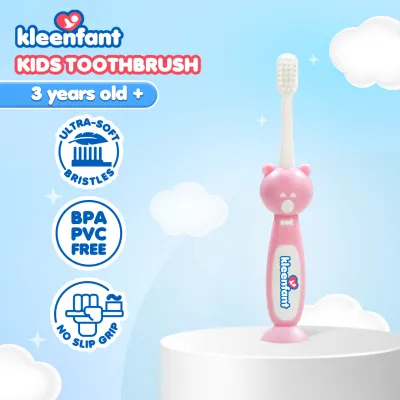
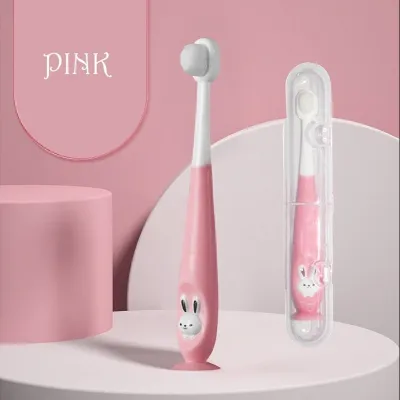
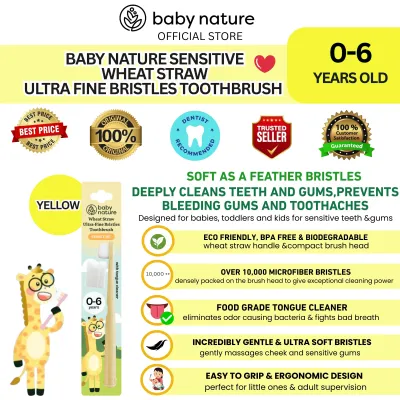
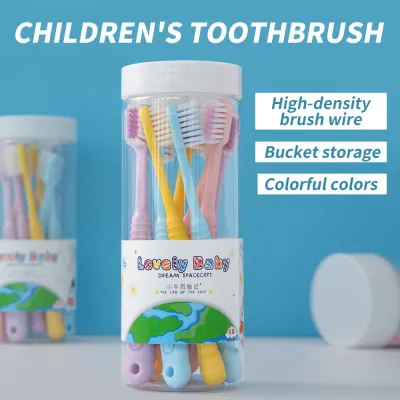
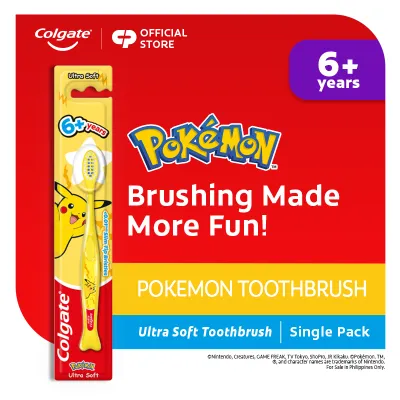
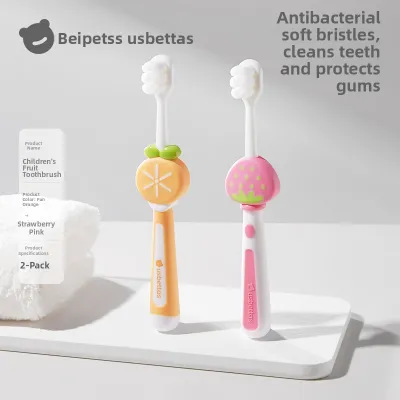
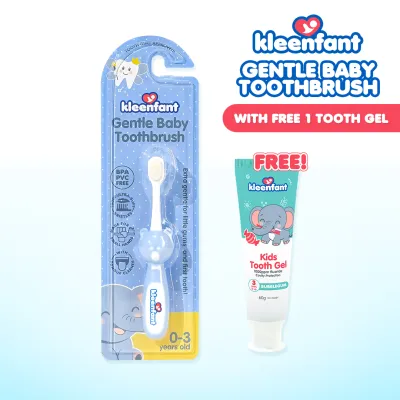
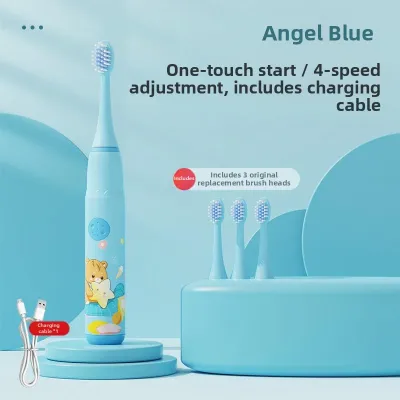
Prices are valid at publication and may change. Please refer to the product page for the latest price.
Using an inappropriate toothbrush can lead to immediate oral health challenges. For instance, a brush head that is too large cannot navigate the tight spaces at the back of a small mouth, leaving primary molars vulnerable to decay. Conversely, bristles that are too firm can cause micro-trauma to delicate gum tissue, leading to pain that may cause your child to resist brushing altogether.
To avoid these issues, parents must prioritize functional design over aesthetic appeal. While cartoon characters can serve as helpful motivators, they should never override safety and ergonomic requirements. Always verify the manufacturer’s age and developmental guidelines on the product packaging before making a purchase, as these indicators are calibrated to average oral dimensions and safety standards.
Stage 1: Infants and First Teeth (0–2 Years)
The foundation of lifetime oral health begins long before the first permanent teeth arrive. Caring for an infant’s mouth requires a gentle touch and specialized tools designed to soothe teething discomfort while maintaining basic oral hygiene.

Recognizing Teething and Readiness Signals
Teething is a significant developmental milestone that typically begins around six months of age. Parents can identify this phase through several highly observable signals, including increased drooling, a persistent desire to chew on hard objects, swollen or red gums, and mild irritability. You may also notice your baby rubbing their cheeks or ears as a response to referred discomfort from the jaw.
While these symptoms are a normal part of physical development, they require careful monitoring. If you observe unusual delays in tooth eruption, excessive pain that disrupts sleep and feeding, or unexplained bleeding from the gums, it is important to stop home remedies and consult a pediatric dentist. A professional evaluation can rule out underlying issues and provide safe, targeted relief for your infant.
Selecting Infant Oral Care Tools
Before teeth actually erupt, oral care focuses on cleaning the gums and easing teething pressure. Soft silicone finger brushes are ideal for this stage, allowing parents to gently massage the gums and clear away milk residue. Once the first primary tooth emerges, you should transition to an extra-soft, small-headed infant toothbrush designed specifically to clean tiny enamel surfaces without scratching the surrounding tissue.
Safety is the paramount consideration when choosing these early tools. Look for infant toothbrushes equipped with built-in choke guards or wide safety shields that physically prevent the brush from sliding too far back into the baby’s throat. These protective features are crucial because infants lack the motor control to prevent gagging or choking if they grab the brush.
When shopping for infant oral care products, always check the packaging for clear safety certifications. Ensure the materials are explicitly labeled as BPA-free and non-toxic, as babies naturally chew on the brush heads. Verify that the product is rated for the 0–2 years age bracket to guarantee the head size and bristle softness are appropriate for your infant’s delicate oral cavity.
Stage 2: Toddlers Learning to Brush (2–4 Years)
As children transition into toddlerhood, they begin to seek autonomy in their daily routines. This stage is characterized by the development of basic motor skills and the eruption of more primary teeth, requiring a shift in toothbrush design.
Matching Handle Design to Toddler Motor Skills
Toddlers typically use a palmar grasp, holding objects tightly inside their closed fists rather than using their fingers for fine control. To accommodate this limited manual dexterity, look for toothbrushes with chunky, easy-grip handles. Ergonomically contoured handles allow small hands to maintain a secure hold without dropping the brush or losing control during movement.
In the warm and humid climate of the Philippines, children’s hands can easily become sweaty or slippery during bathroom routines. Choosing handles wrapped in non-slip, textured rubber materials helps prevent accidental slips that could cause the brush head to strike the gums or throat. Even as toddlers practice holding and moving the brush, remember that adult assistance is still mandatory; parents must always perform the final, thorough brushing to ensure all plaque is removed.
Bristle and Head Specifications for Small Mouths
A toddler’s mouth remains highly compact, even as more teeth emerge. To navigate this small space effectively, the brush head must be exceptionally small, ideally covering only 1.5 to 2 teeth at a time. A compact head allows you to reach the outer, inner, and chewing surfaces of the back molars without triggering the child’s sensitive gag reflex.
The bristles must remain soft or extra-soft to protect developing enamel and sensitive gum margins. Toddler enamel is significantly thinner than adult enamel, making it highly susceptible to wear from abrasive scrubbing. Soft nylon bristles with rounded ends provide the necessary cleaning friction to remove sticky plaque without scratching the teeth or irritating the gums.
Stage 3: Selecting a Toothbrush for Kids in Preschool and Mixed Dentition (5–8 Years)
The preschool and early school years bring dramatic changes to a child’s mouth. This period, known as the mixed dentition phase, involves the shedding of primary teeth and the eruption of permanent teeth, creating a complex oral landscape.
Adapting to Mixed Dentition and Larger Oral Spaces
During the mixed dentition stage, your child’s jaw is growing to accommodate larger, permanent teeth. This expansion allows for a transition to a slightly larger toothbrush head than what was used during toddlerhood. However, the head must still remain compact enough to navigate the uneven terrain of loose baby teeth, empty gaps, and newly emerging adult molars.
Even though permanent teeth are stronger than primary ones, soft bristles remain the absolute standard. Newly erupted adult teeth are not fully mineralized and are highly vulnerable to enamel wear and decay. Furthermore, the gums surrounding loose teeth or erupting molars can be tender and prone to bleeding, making soft, flexible bristles essential for comfortable, daily plaque removal.
Fostering Brushing Independence
By age five, children are developing a pincer grasp, which allows them to hold objects between the thumb and fingers. Toothbrushes designed for this stage should feature slimmer, more contoured handles that support this refined grip, allowing for better control over the angle of the brush. This design transition helps children learn to tilt the bristles toward the gumline at the recommended 45-degree angle.
While many manufacturers offer toothbrushes decorated with popular cartoon characters, flashing lights, or built-in music, parents must keep functional quality at the forefront. An engaging design is an excellent tool for motivation, but it should never replace high-quality bristles or an appropriately sized brush head. A beautifully decorated brush with hard bristles or an oversized head will ultimately hinder, rather than help, your child’s oral health.
Even as children gain confidence and brush independently, parental supervision remains essential. Children in this age group often brush only the front teeth that they can easily see in the mirror. Parents should continue to inspect their child’s teeth after brushing and perform a quick touch-up, paying close attention to the hard-to-reach back molars and the delicate margins along the gumline.
Stage 4: Older Children and Pre-Teens (9–12 Years)
By the pre-teen years, most primary teeth have been replaced by permanent ones, and the oral cavity is approaching adult proportions. This phase is about transitioning to advanced tools and establishing independent, adult-like oral care habits.
Transitioning to Youth Sizes and Features
As your child enters their pre-teen years, they outgrow toddler and preschool toothbrushes. It is time to transition to youth-sized or compact adult toothbrushes. These models feature longer handles that allow for a deeper reach into the back of the mouth, where second permanent molars may be erupting, and slightly larger heads to cover broader tooth surfaces efficiently.
Despite the increase in physical strength and jaw size, soft bristles remain the recommended standard for pre-teens. Older children often apply excessive physical pressure when brushing, believing that harder scrubbing results in cleaner teeth. Soft bristles act as a safety buffer, preventing gum recession and enamel abrasion that can occur from overly aggressive manual brushing.
Evaluating Manual vs. Electric Options
The pre-teen years are an excellent time to evaluate whether an electric toothbrush is suitable for your child. Electric models can offer significant benefits, particularly for children who struggle with manual dexterity, wear orthodontic braces, or lack the motivation to brush for the full recommended two minutes. Many youth electric models include built-in timers that pulse every 30 seconds to encourage thorough cleaning of all four quadrants of the mouth, as well as pressure sensors that stop the vibration if the child presses too hard.
Whether you choose a manual brush costing between ₱100 and ₱300 or an electric model ranging from ₱1,000 to ₱3,000, prioritize functional design and safety certifications over cost. Before purchasing a powered brush, parents must carefully verify the manufacturer’s age recommendations on the packaging. Some electric toothbrushes are designed with high-vibration frequencies or heavy handles that are unsuitable for younger hands and developing teeth. Consult your pediatric dentist to ensure that the specific electric model and brush head you are considering align with your child’s unique dental health needs and orthodontic requirements.
Signs It Is Time to Replace the Toothbrush
Regardless of your child’s age or the type of toothbrush they use, regular replacement is vital to maintain both cleaning efficacy and hygiene. Over time, physical wear and environmental factors degrade a toothbrush’s performance.
Parents should regularly inspect their child’s toothbrush for visual indicators of wear. Frayed, splayed, or bent bristles lose their flexibility and can no longer effectively reach into the crevices between teeth or slide under the gumline. Instead of cleaning, worn bristles simply slide over plaque, leaving it behind to harden into tartar. Furthermore, splayed bristles can become sharp and abrasive, causing irritation and micro-scratches on the gums.
The standard recommendation is to replace a child’s toothbrush every three to four months. However, children often chew on their brush heads or brush aggressively, meaning their tools may wear out much faster than those of an adult. If you notice the bristles spreading outward before the three-month mark, replace the brush immediately to ensure continued cleaning efficiency.
In the humid, tropical environment of the Philippines, wet bristles dry slowly, creating an ideal breeding ground for bacteria, mold, and yeast. To mitigate this risk, store the toothbrush upright in an open-air holder away from the toilet, and never cover a wet toothbrush with a plastic cap. Additionally, always replace the toothbrush immediately after your child recovers from a contagious illness, such as a cold, flu, or throat infection, to prevent the reintroduction of harmful pathogens into their mouth. Always check the specific care and replacement guidelines printed on the product packaging to maximize hygiene.
Frequently Asked Questions (FAQ)
When should I introduce toothpaste to my child's brushing routine?
You should introduce toothpaste as soon as your child’s very first primary tooth erupts, which typically occurs around six months of age. For infants and toddlers under the age of three, use a tiny smear of fluoride toothpaste, roughly the size of a single grain of rice. Once your child reaches age three, you can transition to a pea-sized amount of fluoride toothpaste, ensuring they learn to spit out the excess rather than swallowing it. Always verify the toothpaste manufacturer’s age guidelines on the packaging, and consult your pediatric dentist for personalized fluoride recommendations tailored to your local water supply and your child’s specific cavity risk.
Is an electric toothbrush safe for toddlers?
While some manufacturers produce specialized electric toothbrushes rated for children aged three and up, these devices are generally not recommended for infants or very young toddlers. The rapid vibrations and heavier weight of a powered handle can be overwhelming for a toddler’s small mouth and developing hand grip. If you choose to introduce an electric model to a toddler over the age of three, you must strictly follow the manufacturer’s minimum age and development guidelines printed on the packaging. Always seek approval from your pediatric dentist before introducing any powered oral care tools to ensure they are safe and appropriate for your toddler’s dental development.
Community discussion
Share your experience or ask a question. Comments are reviewed before publication.