
Feeding your baby while traveling, running errands, or visiting family in the Philippines requires careful preparation, especially given the country’s tropical climate. High humidity and warm temperatures can quickly compromise the quality of infant formula, causing it to clump or spoil if not stored correctly. A reliable powder container with a scooper simplifies on-the-go feeding by keeping formula dry, portioned, and hygienic. Instead of carrying bulky, original formula tins that expose the entire batch to moisture every time you open them, a portable container offers a compact, sealed environment. Choosing the right container involves evaluating specific design elements that prevent leaks, simplify dispensing, and maintain strict hygiene standards. This guide outlines the essential features to look for so you can make an informed decision when shopping on e-commerce platforms or at local baby boutiques.
Core Features for On-the-Go Feeding
When traveling with baby formula, preventing spills and maintaining hygiene are the top priorities. A high-quality powder container must feature a robust, leak-proof sealing mechanism. Look for containers equipped with thick silicone sealing rings embedded in the lid, paired with secure snap-lock latches. These components work together to create an airtight barrier that keeps humid tropical air out and fine powder in. Before purchasing, inspect product images or physical samples to ensure the silicone ring is seamless and fits snugly within its groove, as any gaps can lead to messy spills inside your diaper bag.
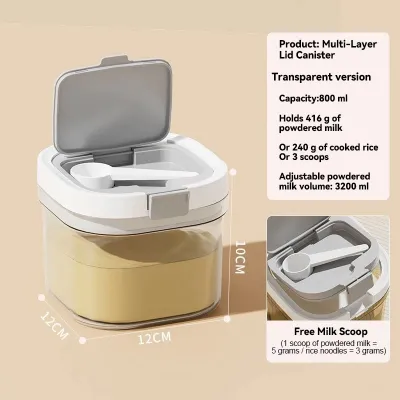
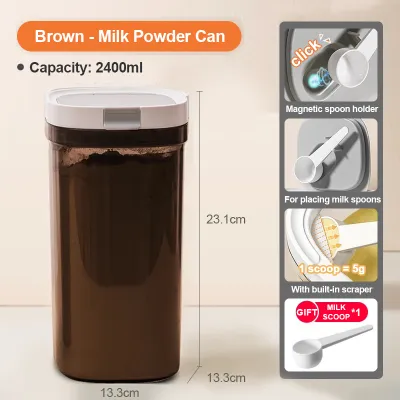
Another critical feature is dedicated, built-in scooper storage. In standard containers, the scooper often sits directly in the powder, meaning your fingers must contact the formula every time you retrieve it. This transfer of moisture and skin oils can promote bacterial growth. Opt for designs that feature a separate compartment, an elevated shelf, or a lid hanger specifically for the scooper. This physical barrier ensures the handle remains clean and the powder stays untouched until it is ready to be mixed.
Products mentioned in this guide
Prices are valid at publication and may change. Please refer to the product page for the latest price.
Material safety is equally vital when selecting food storage for your infant. Always verify that the container is labeled as BPA-free and manufactured from food-grade plastics, such as polypropylene (PP) or polyphenylsulfone (PPSU). These materials are durable, lightweight, and resistant to high temperatures, which is essential if you plan to sterilize the container regularly. Check the product packaging or online specifications for official food safety certifications to ensure the materials will not leach harmful chemicals into your baby’s milk.
Matching Container Capacity to Your Outing Needs
Selecting the right container size depends heavily on your typical outing duration and your baby’s feeding schedule. To avoid overpacking, calculate your formula requirements based on the number of hours you expect to be away from home. For instance, if your baby feeds every three to four hours, a short afternoon trip to the mall may only require one or two pre-measured portions, whereas an all-day family gathering will necessitate a much larger supply. Carrying only what you need reduces the physical load in your diaper bag and minimizes the risk of wasting formula.

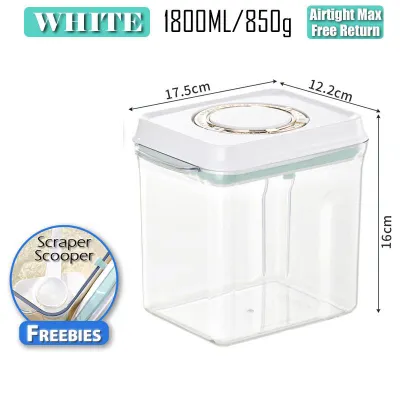
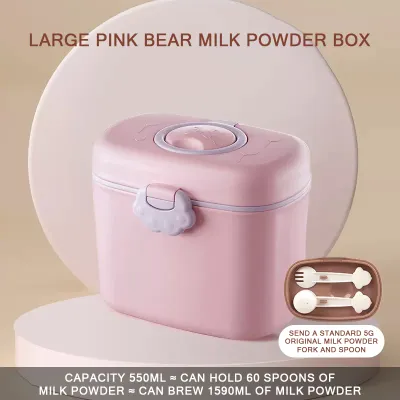
Parents generally choose between single-serve multi-compartment dispensers and large-capacity standalone canisters. Multi-compartment dispensers feature separate, pre-measured sections that allow you to pour formula directly into a bottle without needing to scoop on the go. This design is highly convenient for quick trips where speed is essential. Conversely, large-capacity canisters store a bulk amount of powder and require you to scoop and measure each feed manually. While canisters offer more flexibility for longer trips, they require a stable surface and careful attention to ensure accurate portioning while away from home.
Diaper bag space and weight limits should also influence your decision. Bulkier, multi-portion designs can quickly crowd your bag, leaving less room for diapers, wipes, and change of clothes. Consider the physical dimensions of the container and how easily it slides into the side pockets or main compartment of your bag. Lightweight, cylindrical shapes tend to pack more efficiently than wide, square boxes, helping you maintain an organized and manageable travel setup.
Evaluating Portability and Dispensing Mechanisms
The ease with which you can transfer formula from the container to a baby bottle can make or break your on-the-go feeding experience. Look for containers that feature funnel-shaped lids or narrow dispensing spouts. These designs allow you to pour the powder directly into narrow-neck baby bottles without spilling. Wide-mouth openings, while easier to fill initially, often lead to wasted powder and messy cleanups when attempting to pour into a bottle in a moving vehicle or a crowded public space.
The structural design of the container also plays a major role in portability. Stackable tray designs, often referred to as formula towers, allow you to screw multiple compartments together vertically. This modular approach lets you bring only the number of layers required for that specific trip, saving valuable space. Standalone cylindrical canisters, on the other hand, offer a single, unified storage space that is highly durable but less customizable in terms of size.
Consider the practicality of one-handed operation when evaluating different dispensing mechanisms. When managing a hungry, crying baby in one arm, you need a container lid that can be easily popped open and closed with your free hand. Push-button releases or simple flip-top caps are highly practical for these high-stress moments. Avoid containers with complex screw-on lids or stiff latches that require two hands and significant effort to open, as these can easily lead to accidental spills.
Cleaning and Maintenance on the Road
Maintaining strict hygiene while traveling is essential to protect your baby’s developing immune system. Formula residue can easily accumulate in the tight crevices of container lids and silicone seals, creating a breeding ground for bacteria. Choose a container that can be completely dismantled, allowing you to remove the silicone rings and individual lid components for thorough washing. Regularly soaking and scrubbing these parts in warm, soapy water ensures that no hidden powder buildup remains.
In the humid climate of the Philippines, proper drying is a critical step in the cleaning process. Any lingering moisture inside the container will cause the next batch of formula powder to clump, spoil, or develop mold. After washing, allow all components to air-dry completely on a clean towel in a well-ventilated area before refilling them. Avoid towel-drying the interior, as this can introduce lint or external contaminants to the storage surfaces.
When performing back-to-back feeds outside the home, keeping the scooper sanitary can be challenging. If you do not have access to clean running water, carry dedicated baby-safe sanitizing wipes to clean the scooper handle and head between uses. Ensure the scooper is completely dry before returning it to the container, as even a single drop of water can ruin the remaining powder. If you notice any signs of wear, cracking, or mold growth that cannot be cleaned, stop using the container immediately and consult a healthcare professional.
Building Your Shortlist: A Pre-Purchase Checklist
Before finalizing your purchase on an e-commerce platform or at a local baby store, use this checklist to evaluate your options:
- Verify Heat Resistance: Check the manufacturer's specifications to ensure the container can withstand steam sterilization, boiling water, or dishwasher cycles if you prefer automated cleaning.
- Confirm Age Suitability: Ensure the container and its included scooper volume align with your baby's current feeding stage and portion requirements.
- Inspect User Reviews: Look for feedback regarding long-term seal durability, how securely the scooper fits in its holder, and whether other parents have experienced leaks during travel.
- Check Return Policies: Review the retailer's return policy in case the container's dispensing spout does not align properly with your preferred brand of baby bottles.
- Compare Budget Options: While basic models may cost under ₱200, premium options with advanced sealing mechanisms can range higher, making it important to balance your budget with your specific travel needs.
Frequently Asked Questions (FAQ)
Can I use a regular food storage container instead of a dedicated formula dispenser?
Using a regular food storage container for infant formula is generally not recommended due to hygiene and safety concerns. Generic containers lack dedicated, isolated compartments for the scooper, forcing you to store the tool directly in the powder where hand oils and moisture can cause contamination. Additionally, dedicated formula dispensers are specifically engineered with airtight seals designed to keep fine, moisture-sensitive powders dry, whereas standard food containers may allow humid air to seep in over time.
How do I keep the scooper dry and hygienic inside the container?
To keep the scooper dry and hygienic, always ensure it is completely dry before placing it back into the container. Utilizing a container with an elevated holder, a lid hook, or a separate compartment physically isolates the scooper from the formula powder, preventing moisture transfer. If the scooper becomes damp during a feed, wipe it thoroughly with a clean, dry cloth or paper towel before storing it to prevent the remaining powder from clumping.

Community discussion
Share your experience or ask a question. Comments are reviewed before publication.