
Preparing baby formula while away from home requires precision, speed, and strict hygiene, especially when managing a hungry infant in a busy public space. A dedicated milk powder container is an essential tool that simplifies this process by keeping pre-measured formula dry, safe, and ready for mixing. Unlike standard kitchen containers, these specialized travel dispensers are engineered to prevent spills, block moisture, and streamline pouring under less-than-ideal conditions. Selecting the right container features can mean the difference between a smooth, stress-free feeding session and a messy, contaminated spill in the middle of a crowded commute.
Why On-the-Go Formula Prep Requires Specialized Containers
Feeding a baby at home offers a controlled environment where clean counter space, sterilized measuring tools, and stable surroundings are guaranteed. Outside the home, however, caregivers must contend with unpredictable variables such as sudden movement, limited surface areas, and a lack of immediate handwashing facilities. Attempting to measure loose powder from a large, original formula tin while sitting in a moving vehicle, navigating a busy shopping mall, or waiting in a transit hub often leads to wasted formula, inaccurate dosing, and heightened parental stress.
In tropical climates like the Philippines, high relative humidity poses a constant threat to powdered formula. When exposed to humid air, powder quickly absorbs moisture, leading to clumping, reduced solubility, and an increased risk of localized bacterial growth. Standard food storage containers or plastic bags rarely provide the airtight barrier necessary to block this ambient moisture during day trips.
Products mentioned in this guide
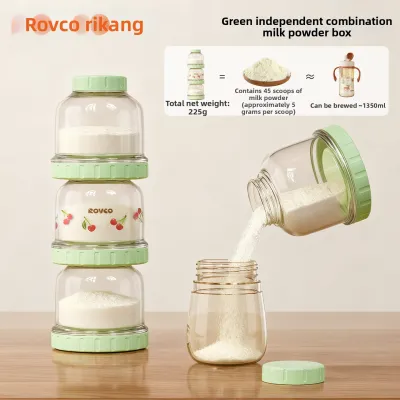
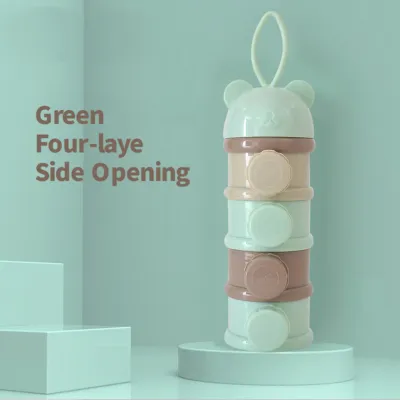
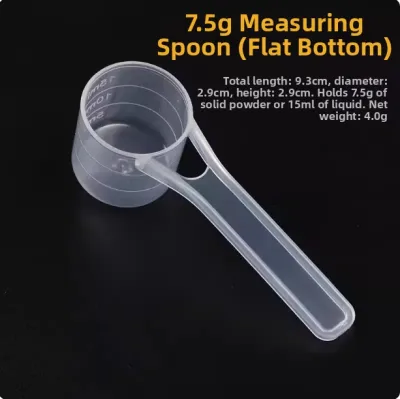
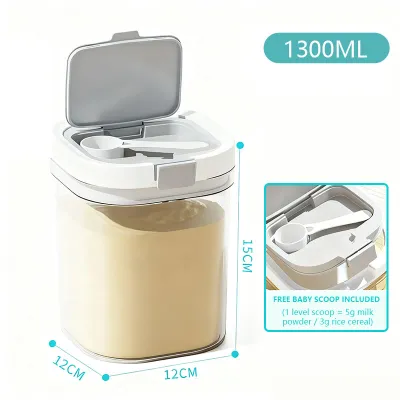
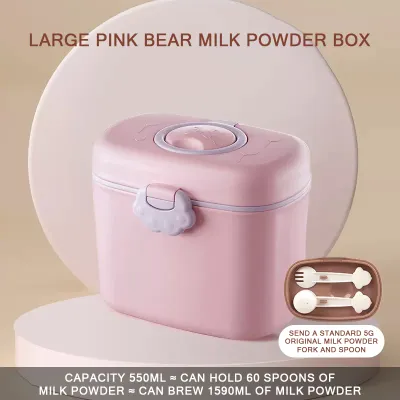
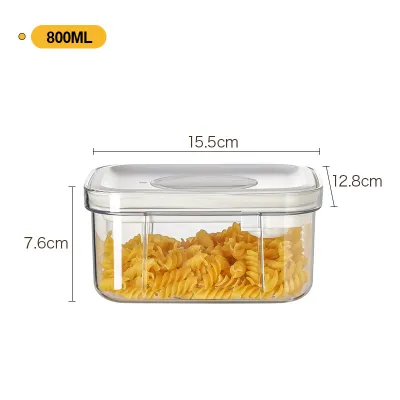
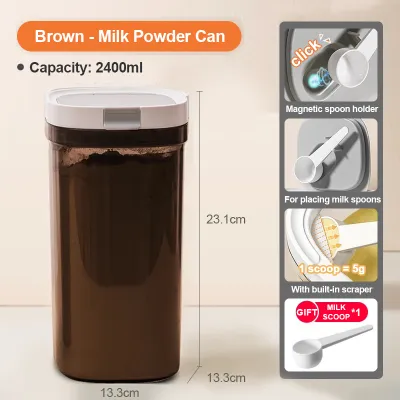
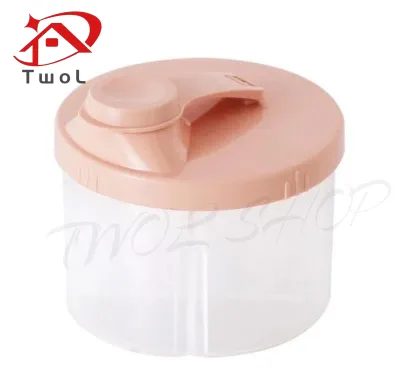
Prices are valid at publication and may change. Please refer to the product page for the latest price.
Furthermore, the physical demands of travel increase the likelihood of accidental spills inside diaper bags. A container that easily pops open under pressure or leaks powder from its seams can ruin expensive formula and soil baby gear. When a baby is hungry and crying, a caregiver needs a reliable system that eliminates the need for frantic scooping and minimizes exposure to external contaminants. Specialized travel containers address these challenges by isolating individual feeds and providing secure, mess-free dispensing mechanisms.
Must-Have Features of a Quality Milk Powder Container for Travel
When evaluating different storage options, parents should look beyond aesthetic appeal and focus on functional design elements that protect the formula’s integrity and simplify preparation. The right container must withstand the physical rigors of travel while ensuring that every feed remains sanitary and easy to mix.

Airtight Seals and Moisture Resistance
The primary defense against powder spoilage is a robust, airtight seal. Powdered infant formula is highly hygroscopic, meaning it readily draws moisture from its surroundings. In warm, humid environments, even a brief exposure to air can cause the powder to form hard lumps, making it difficult to dissolve completely in water and potentially altering the concentration of the feed.
To ensure maximum protection, prioritize containers that feature high-quality silicone sealing rings and secure locking mechanisms. Snap-tight lids, multi-point latches, or threaded screw caps provide a more reliable barrier than simple press-fit lids, which can warp or loosen over time. A reliable seal not only keeps moisture out but also prevents fine powder from dusting the interior of your diaper bag.
Before purchasing, verify the container’s sealing capabilities by checking the manufacturer’s technical specifications and reading user feedback regarding long-term performance. Look for reviews from parents living in warm, humid regions, as their experiences will offer a realistic assessment of how well the container maintains a dry internal environment over several hours of outdoor exposure.
Accurate Portioning and Mess-Free Dispensing
Speed and accuracy are crucial when preparing a bottle on the go. Traditional scooping is highly prone to error when you are distracted or moving, which can result in a feed that is too concentrated or too diluted. Specialized containers resolve this by utilizing pre-measured compartments or built-in dispensing funnels that allow you to pour the exact amount of powder directly into the bottle neck.
Compare the design of different dispensing mechanisms to find one that suits your routine. Some models feature a rotating lid with a single, narrow pour spout that aligns with one compartment at a time, while others use individual stackable layers with a dedicated funnel lid. The spout or funnel should be narrow enough to fit securely inside standard and wide-neck baby bottles, preventing powder from spilling over the sides during the transfer.
Always verify that the capacity of each compartment matches your baby’s current feeding volume and the specific scoop size of your formula brand. Because formula powders vary in density and scoop sizes differ among manufacturers, ensure that the pre-portioned compartments can comfortably hold the required number of scoops without requiring you to pack or compress the powder, which can make dispensing difficult.
Material Safety and Easy-Clean Design
Because these containers come into direct contact with your baby’s food, material safety is paramount. Caregivers should carefully inspect product labels and manufacturer documentation to confirm that the container is made from food-grade materials and is certified BPA-free. Avoid products that lack clear material labeling or those manufactured with low-quality plastics that may leach chemicals or retain strong odors.
Hygiene on the go also depends on how easily the container can be cleaned between uses. Intricate designs with hard-to-reach crevices, narrow tubes, or non-detachable parts are highly susceptible to trapping powder residue, which can quickly breed mold or bacteria in warm weather. Look for wide-mouth openings, fully removable silicone gaskets, and modular components that can be completely disassembled for washing.
Always consult the manufacturer’s specific care instructions regarding sterilization limits, dishwasher safety, and temperature tolerances. Some plastics may warp or degrade when exposed to high heat in steam sterilizers or boiling water, which can compromise the airtight seal. Ensure that the cleaning routine recommended by the manufacturer aligns with your home sanitizing setup to maintain the container’s structural integrity over time.
Choosing the Right Container Design for Your Itinerary
The optimal container design depends heavily on the duration of your outing and the amount of gear you plan to carry. Matching the container’s physical format to your specific itinerary ensures you have enough formula on hand without cluttering your diaper bag with unnecessary bulk.
Quick Errands and Daily Commutes
For short trips, such as a quick visit to the pediatrician, a brief grocery run, or a short commute, space and portability are the primary considerations. In these scenarios, compact, single-serve dispensers or vertical stackable portion trays are highly efficient solutions. These designs easily slip into a small side pocket of a diaper bag, a purse, or even a stroller organizer.
Stackable containers typically feature three to four individual compartments that screw into one another, with a single funnel cap on top. This modular setup allows you to carry only the number of feeds you need for the afternoon, reducing the physical weight of your travel kit. It also keeps each portion completely isolated, eliminating any risk of cross-compartment leakage during transit.
However, these compact designs come with specific trade-offs. Because they hold a limited volume, they require frequent refilling at home before each outing. Caregivers must also handle the threaded joints carefully when assembling the stack; cross-threading a compartment can compromise the seal, leading to accidental leaks or moisture entry.
Long Travel and Overnight Stays
When planning extended trips, full-day outings, or overnight stays, a higher-capacity storage solution is necessary. For these journeys, multi-compartment carousels or larger, dedicated airtight canisters are more practical than small stackable trays. These high-capacity options allow you to carry a full day’s or weekend’s supply of formula in a single, organized unit, reducing the need to pack multiple small containers.
A multi-compartment carousel typically features a large, round body divided into three or four spacious sections, covered by a rotating lid with a single dispensing opening. These are excellent for keeping a full day of feeds organized in one place. Alternatively, a small, dedicated airtight canister with a built-in leveler and scoop holder allows you to bring a larger bulk quantity of powder, giving you the flexibility to measure out custom portion sizes as needed during your stay.
The main trade-off with high-capacity containers is their physical footprint. They occupy significantly more space in your luggage or diaper bag and can be heavier to carry. When opting for a larger canister or carousel, it is critical to verify that the lid locking mechanism is exceptionally secure, as a failure in the seal of a large container could ruin your entire formula supply for the trip.
Practical Tips for Safe Storage and Cleaning on the Go
Maintaining hygiene and preserving the nutritional quality of infant formula while traveling requires careful handling. Even the highest-quality container cannot protect the powder if it is exposed to extreme temperatures or unsanitary conditions.
Always store your formula container in a cool, dry, and shaded area of your bag. Avoid leaving it in direct tropical sunlight, near heat sources, or inside a parked car, where internal temperatures can skyrocket. High heat can degrade the nutrients in the formula and cause the plastic material of the container to expand, potentially weakening the airtight seal.
If your travel container does not feature individual pre-measured compartments, always carry a dedicated, clean, and dry scoop. Store this scoop in a separate, clean zip-top bag to avoid placing your hands directly into the powder. Introducing moisture from damp hands or a wet bottle neck into the main storage area can trigger rapid bacterial growth.
When washing facilities are limited during an outing, do not attempt to wash the container in public restrooms, as tap water in these locations may not be safe for infant feeding items. Instead, use a clean, dry brush or a clean paper towel to remove any residual dry powder. Save the thorough washing for when you return home, where you can wash all parts with hot, soapy water and allow them to air dry completely.
Finally, always consult the specific storage, preparation, and handling instructions provided by your formula manufacturer. Different formula brands may have unique guidelines regarding how long their powder can remain stable once removed from the original packaging.
Frequently Asked Questions (FAQ)
Can I use a regular food storage container for milk powder?
While standard kitchen containers or plastic food tubs can physically hold powder, they are generally not recommended for storing infant formula during outings. Generic containers often lack the specialized airtight seals required to block ambient humidity, which can lead to rapid clumping and spoilage in warm climates. Additionally, they do not feature targeted dispensing spouts or pre-measured compartments, making it highly difficult to pour the powder into a narrow bottle neck without spilling or risking contamination. Specialized milk powder containers are specifically designed with food-grade, BPA-free materials and engineered to facilitate safe, hygienic, and precise preparation under travel conditions.
How long can I keep pre-portioned formula in a container before it goes bad?
There is no universal time limit for keeping pre-portioned formula in a travel container, as shelf life depends heavily on the airtight quality of the container, the specific formula brand, and local environmental conditions. In warm and highly humid climates, it is best to portion out only the amount of formula needed for that specific day’s outings to minimize the risk of moisture absorption. Always consult your formula manufacturer’s guidelines regarding storage times once the product is removed from its original protective tin. If you notice any signs of clumping, moisture intrusion, discoloration, or an unusual odor when opening the container, discard the powder immediately and do not feed it to your baby.
Community discussion
Share your experience or ask a question. Comments are reviewed before publication.