
The transition to solid foods is a major milestone in your baby girl’s first year. It marks an exciting shift from exclusive milk feeding to a world of diverse textures, colors, and flavors. While it is easy to get swept up in choosing cute designs or matching color schemes for a plate for baby girls set, the primary focus must remain on functionality, safety, and developmental support. At around six months, babies begin developing their palmar grasp, eventually transitioning to a more precise pincer grasp. The tableware you introduce plays a direct role in how easily they navigate this learning curve. A well-designed plate does not just hold food; it acts as an active learning tool that minimizes frustration, contains inevitable messes, and adapts to your household’s daily cleaning and storage routines.
In tropical environments where high humidity can affect food storage, hygiene, and cleanup, choosing the right materials and designs becomes even more critical. This guide breaks down the essential safety checks, design features, and practical maintenance considerations to help you select a durable, safe, and highly functional plate set for your little one’s weaning journey.
Essential Safety and Material Checks for Weaning Plates
When selecting tableware for your baby girl, safety is the absolute priority. Because weaning plates come into direct contact with warm food and are frequently chewed on by teething babies, you must carefully verify the materials used in their construction. Food-grade silicone, bamboo, and high-quality plastics are the most common options available, each with distinct characteristics that you should verify on the product packaging or manufacturer’s official documentation.
Products mentioned in this guide
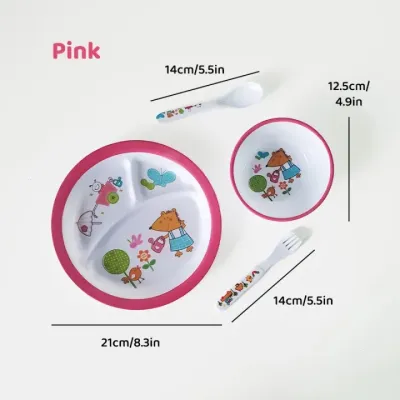
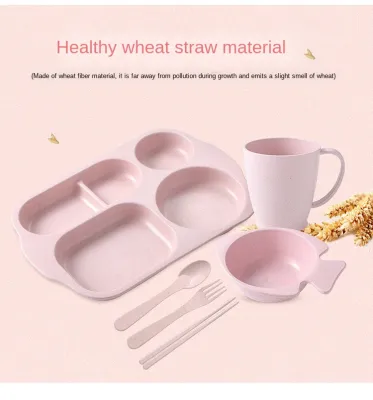
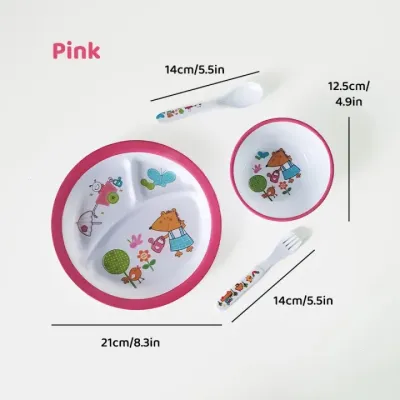
![[Same Day Ship] 3Pcs/Set Baby Dinnerware Anti-hot Wheat Training Plate Baby Feeding Bowl Set Tableware Plates with Spoon and Fork](https://img.lazcdn.com/g/p/9cda1e044dc592f7b066dd13eb7d6311.jpg_400x400q80.jpg_.webp)
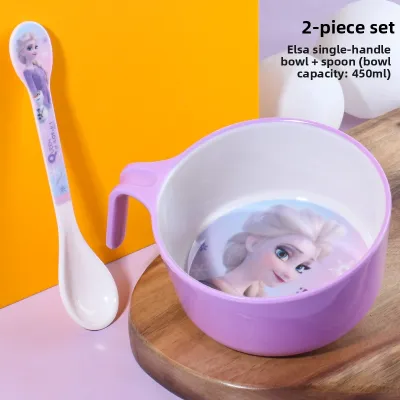
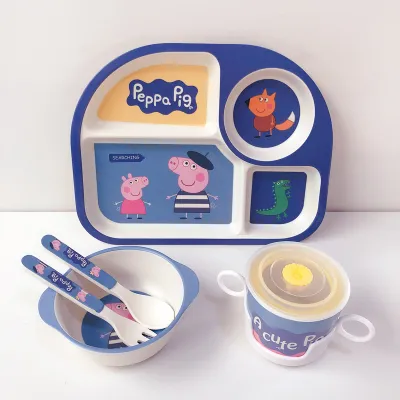
Prices are valid at publication and may change. Please refer to the product page for the latest price.
Food-grade silicone has become a popular choice for weaning tableware due to its flexibility, durability, and resistance to breaking. It is soft on developing gums and can withstand both high and low temperatures. When shopping, verify that the product is made from 100% food-grade silicone, which does not leach chemicals into food. A simple way to check quality is the “pinch test”—if you twist or pinch the silicone and white shows through, the material likely contains plastic fillers rather than pure food-grade silicone.
Bamboo plates offer a natural, aesthetic appeal and are highly durable. However, because natural bamboo cannot be molded into complex shapes on its own, these plates are typically held together by food-safe melamine resins or glues. It is vital to check the manufacturer’s instructions regarding heat exposure, as bamboo is generally not microwave-safe and can crack if exposed to extreme heat or prolonged soaking. In humid tropical climates, bamboo requires meticulous drying after washing to prevent mold growth and bacterial buildup within the wood grain.
If you choose plastic plates, ensure they are specifically labeled as food-grade and free from harmful chemical compounds. Look for clear labeling indicating the absence of Bisphenol A (BPA), polyvinyl chloride (PVC), and phthalates. These chemicals are known endocrine disruptors and are strictly regulated in modern baby products. Always inspect the packaging for recognized safety markings or compliance certifications relevant to your region before making a purchase.
Each material comes with distinct trade-offs regarding durability and heat resistance. While silicone is highly durable and heat-resistant, it can sometimes retain soapy scents or food odors if washed with heavily perfumed dish soaps. Plastic is lightweight and inexpensive but can scratch easily, creating tiny crevices where bacteria can multiply over time. Bamboo is beautiful and sturdy but demands high maintenance, requiring hand-washing and occasional oiling to preserve the wood. Always cross-reference the manufacturer’s care guidelines before sterilizing or heating any weaning plate.
Design Features That Support Self-Feeding
The physical design of a baby plate directly influences how successfully your baby girl can feed herself. As she learns to coordinate her hands and mouth, the right plate design can encourage independence, improve her ability to grasp food, and significantly reduce mealtime cleanup.

A strong suction base is a parent’s primary defense against flying plates and spilled meals. These bases work by creating a vacuum seal between the bottom of the plate and the highchair tray or dining table. For the suction to hold effectively, the surface must be completely smooth, clean, dry, and non-porous. Textured wood tables, matte finishes, or surfaces with minor scratches will allow air to seep under the suction cup, causing it to fail. It is also worth noting that as your baby girl grows, her curiosity and physical strength will develop. Many toddlers eventually figure out how to peel up the edges of the suction base, meaning suction is a helpful temporary aid rather than a permanent solution to mealtime messes.
Divided plates feature built-in compartments that keep different food groups separate. This is highly beneficial for portion control and for babies who prefer their foods not to touch. Compartments also make it easier for parents to present a balanced meal, such as separating a starch, a protein, and a fruit or vegetable. On the other hand, undivided or open plates offer greater flexibility. They are ideal for one-pot meals like pasta, stews, or larger items like pancakes and toast strips. Open plates also prepare babies for transitioning to standard adult tableware later on.
The physical shape of the plate’s walls is crucial for self-feeding success. Plates with low, flat edges make it difficult for babies to scoop up purees or small pieces of food, often resulting in food being pushed off the plate onto the tray. Look for plates with raised, vertical, or slightly inward-curved walls. These sloped sides act as a barrier, allowing your baby to push food against the edge to load it onto her spoon or grasp it with her fingers. Some advanced designs even feature a built-in spoon rest or a wider lip that gives caregivers a secure grip while feeding.
Practicality for Parents: Cleaning, Maintenance, and Storage
While the plate must support your baby’s development, it must also fit seamlessly into your daily household routine. Tableware that is difficult to clean, dry, or store will quickly become a source of frustration.
Daily maintenance is a major factor in how satisfied you will be with your plate set. If your household relies on a dishwasher, you must verify that the plates are explicitly labeled as dishwasher-safe. Some materials, particularly those with integrated suction rings or wooden components, must be hand-washed to prevent warping or degradation of the adhesive. Microwave safety is another critical check; heating food directly on a non-microwave-safe plate can damage the material or cause uneven heating, creating dangerous hot spots in your baby’s food.
Food-grade silicone is highly convenient but is prone to absorbing oils, strong food odors, and bright pigments (such as those from carrots, squash, or tomato-based sauces). In warm, humid environments, these residues can quickly become unpleasant. To prevent staining and odor retention, rinse the plates immediately after use with warm water. Avoid using highly fragranced dish soaps, as the silicone can absorb the perfume, altering the taste of the next meal. If a soapy taste or musty odor develops, a gentle soak in a mixture of warm water and baking soda or white vinegar can help neutralize the buildup without damaging the material. Avoid using harsh abrasive sponges or steel wool, which can scratch the surface and create breeding grounds for bacteria.
Kitchen cabinet space is often at a premium. Look for plate sets that stack neatly together to minimize their storage footprint. If you frequently travel, visit relatives, or dine out, consider how portable the plates are. Lightweight silicone plates that can bend slightly without losing their shape are excellent for packing into a diaper bag. Some sets come with travel lids, allowing you to prep meals at home, seal them securely, and feed your baby girl on the go without needing extra containers.
Building Your Weaning Tableware Shortlist
Synthesizing all these features into a practical purchasing decision requires looking at your baby’s unique feeding style and developmental stage. Your choice of plate should complement your chosen weaning approach.
If you are practicing Baby-Led Weaning (BLW), where your baby feeds herself whole pieces of soft-cooked food from day one, a wide, open plate or a divided plate with large compartments is ideal. This gives her ample space to spread out food, examine different textures, and practice her palmar grasp. If you are starting with traditional purees and spoon-feeding, a smaller, deeper bowl or a plate with high, sloped walls is more practical for scooping up smooth textures.
Before purchasing any plate for baby girls set, run through a quick quality and safety checklist. Verify the manufacturer’s recommended age and developmental stage on the packaging to ensure the size and weight are appropriate for your baby. Inspect the physical product for any sharp edges, loose parts, or manufacturing defects. Ensure that all safety certifications, material declarations, and care instructions are clearly printed and visible.
It is tempting to buy a large, multi-piece tableware set in various pastel colors or cute animal shapes. However, babies have distinct preferences, and what works for one child might not work for another. Budget-wise, while premium sets can range from ₱500 to over ₱1,500 on online marketplaces, starting with a minimal, versatile set—perhaps one divided suction plate and one open bowl—is often the most practical approach. This allows you to test how your baby girl interacts with the tableware, how well the suction adheres to your specific highchair tray, and how easy the material is to clean in your daily routine. Once you identify what works best, you can confidently expand your collection.
Frequently Asked Questions (FAQ)
When should I transition from a suction plate to a regular plate?
The transition away from suction tableware depends largely on your baby’s behavioral and motor development rather than a strict age limit. You can begin introducing regular, non-suction plates when your child demonstrates improved hand-eye coordination, successfully uses utensils, and shows a decreased tendency to throw or tip over her tableware. This transition typically occurs between 18 and 24 months, but it varies for every child. Always check the manufacturer’s age guidelines on your tableware, as some non-suction plates are designed with weighted bases to ease this transition gradually.
Are divided plates necessary for baby-led weaning?
Divided plates are highly convenient for Baby-Led Weaning, but they are not strictly mandatory. The primary goal of baby-led weaning is to allow your baby to explore different textures, shapes, and flavors at her own pace. Compartments can help you organize different food groups and prevent wet foods from mixing, which some babies prefer. However, an open, undivided plate or even a clean highchair tray works perfectly fine. The most important factor is ensuring the feeding surface is clean, safe, and easily accessible to your baby’s hands.

Community discussion
Share your experience or ask a question. Comments are reviewed before publication.