
Finding the right baby gear requires balancing entertainment with physical development. A jumperoo bouncer offers a secure space for your baby to bounce, play, and explore their surroundings. To choose the best model for your home, you need to focus on structural stability, adjustable height settings, ergonomic seat support, and sensory features that engage without overstimulating.
Developmental Readiness and Weight Limits
Before purchasing any baby gear, verify the specific age, weight, and height limits set by the manufacturer. These specifications are typically printed on the product packaging or detailed in the user manual. Because babies develop at different rates, physical milestones are far more critical than age guidelines.
Your baby must be able to hold their head up completely unassisted and have sufficient torso control before using a jumperoo. Constant caregiver supervision is essential during every play session to ensure your baby remains safe and comfortable.
Products mentioned in this guide
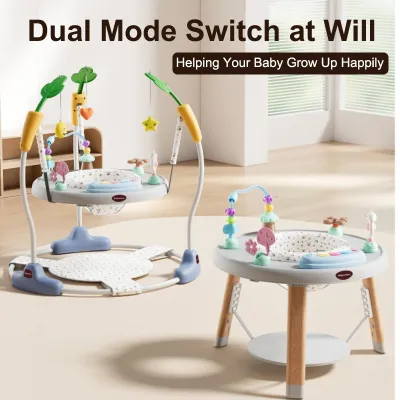


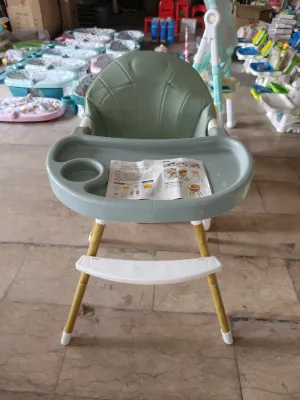
Prices are valid at publication and may change. Please refer to the product page for the latest price.
You should also identify the exact indicators for when to stop using the bouncer. For instance, once your baby can sit up unassisted, begins trying to climb out, or starts walking, it is time to transition away from the jumperoo to prevent falls. Always consult your pediatrician if you have questions about your baby’s physical readiness.
Seat Design, Adjustability, and Comfort
The seat is the core of the jumperoo experience, directly affecting your baby’s comfort and posture. A seat that rotates a full 360 degrees allows your baby to turn and access all the attached toys independently. This design encourages movement and exploration, keeping them engaged as they look around the room.

Proper leg alignment is crucial for healthy hip development. Look for a jumperoo with multiple height adjustment settings. When adjusted correctly, your baby’s feet should rest flat on the floor, or with only the balls of their feet touching, rather than having their legs fully suspended or their knees excessively bent. Avoid positions that cause constant toe-walking, and adjust the height as your baby grows.
Given the warm, humid tropical climate in the Philippines, breathability and hygiene are major considerations. Look for a seat with a removable, machine-washable fabric cover that can handle frequent washing. The seat should also feature adequate padding to support your baby’s lower back and hips comfortably without restricting their natural leg movements.
Entertainment and Sensory Features
A great jumperoo keeps your baby entertained with a variety of sensory elements. Look for models that feature a mix of textures, spinners, mirrors, and light-up panels. These interactive toys help develop fine motor skills and hand-eye coordination as your baby reaches, grasps, and bats at the objects.
Repositionable or removable toys offer excellent versatility. Being able to detach the toys allows you to clean them thoroughly or let your baby play with them on a play mat. This feature also helps prevent boredom, as you can swap the toys around to create a fresh play experience.
Electronic features with music and lights can be highly engaging, but they can also become overwhelming. Ensure the jumperoo has physical volume controls or a complete mute switch. This allows you to manage the sensory stimulation for your baby and maintain a quieter household environment when needed.
Safety, Stability, and Storage
Active bouncing requires a highly stable foundation. Inspect the base of the jumperoo to ensure it is wide and equipped with non-slip feet. A broad footprint prevents the unit from sliding or tipping over on smooth tiled or wooden floors, even during vigorous jumping sessions.
Safety standards and certifications are critical details to verify before buying. Look for recognized compliance marks on the packaging or product labels, which indicate the frame has met standard manufacturing safety requirements. Always inspect the springs and straps to ensure they are covered with protective fabric sleeves to prevent pinching.
Consider how the unit fits into your living space. Many freestanding jumperoos have a large footprint that can crowd a room. If you have limited space, look for models with frames that fold down easily. A folding design makes it much simpler to store the unit when not in use or to move it between rooms.
Specs That Matter Less for Daily Use
When comparing models, some premium features do not significantly improve the daily experience. For example, overly complex electronic light shows and endless pre-recorded melodies do not offer extra developmental value. Simple, mechanical toys often engage a baby just as effectively as electronic ones.
While portability is convenient, avoid choosing an ultra-lightweight frame if it compromises structural stability. A slightly heavier, sturdier base is generally preferable for active bouncers.
Additionally, branded character themes or exclusive color palettes often come with a higher price tag but do not affect the mechanical safety, durability, or comfort of the jumperoo. Focus your budget on structural quality and adjustability rather than aesthetic trends.
Frequently Asked Questions (FAQ)
How long can a baby safely stay in a jumperoo per day?
Pediatric experts generally recommend limiting your baby’s time in restrictive seating or jumping devices to short sessions, typically no more than 15 to 20 minutes at a time. Prolonged use can put unnecessary stress on developing hips and joints. Always watch your baby for signs of fatigue, fussiness, or overstimulation, which indicate it is time for a break. Prioritize supervised floor time, such as tummy time and crawling practice, to support natural motor development.
Are doorway jumpers a safe alternative to freestanding jumperoos?
Doorway jumpers require careful consideration and strict adherence to manufacturer instructions. You must verify that your doorframe is structurally sound and compatible with the clamp mechanism before installation. Unlike freestanding models with a stable base, doorway jumpers carry a risk of the baby swinging into the doorframe or walls. Always check the manufacturer’s specific weight limits and warnings, and ensure constant adult supervision to prevent accidental impacts.

Community discussion
Share your experience or ask a question. Comments are reviewed before publication.