
Why the Right Utensils Matter for First Solid Foods
Around the age of six months, infants reach a significant developmental milestone: the transition from an exclusive liquid diet of breastmilk or formula to complementary solid foods. In the Philippines, this exciting phase often begins with soft mashes of local vegetables like kalabasa (squash), kamote (sweet potato), or ripe avocados. Introducing solids is not just about nutrition; it is a sensory and motor exploration that helps shape a child’s relationship with food.
Using a properly designed spoon and fork set for baby feeding plays a critical role in supporting this milestone. During the early months of weaning, babies transition from a sucking reflex to using their tongue and lips to sweep food off a utensil. Offering tools that are appropriately sized and ergonomically designed encourages hand-eye coordination and helps infants master the fine motor skills required for independent self-feeding.
It is important for parents to recognize that not all baby utensils are created equal. A spoon designed for a parent to feed a reclining infant is vastly different from a tool meant for a baby practicing a palmar grasp. Selecting the right set requires evaluating your child’s current physical readiness, their developmental stage, and the specific textures of the foods you are introducing to their plate.
Products mentioned in this guide
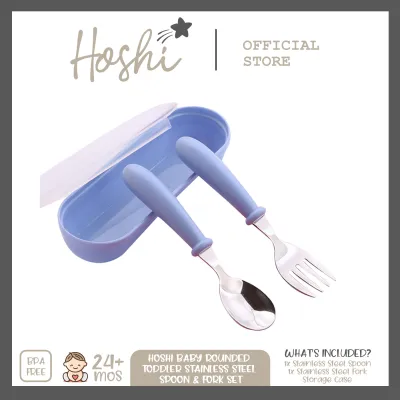
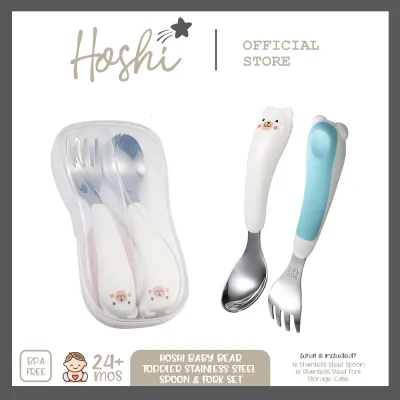
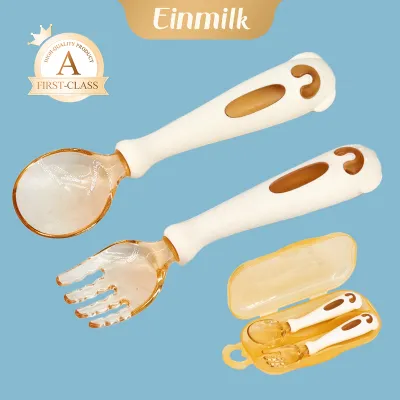
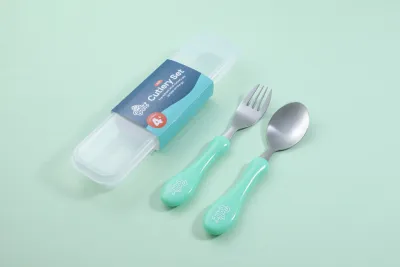
![[COD] BPA Free Infant Toddlers Suction Divider Plate Baby Silicone Spoon and Fork Set 100% Food Grade Silicone](https://img.lazcdn.com/g/p/3d96cb5be5e541fc9d0c4bfc3aba671d.jpg_400x400q80.jpg_.webp)
Prices are valid at publication and may change. Please refer to the product page for the latest price.
Essential Safety Features to Verify Before Buying
When purchasing feeding tools for your child, safety must always be the primary consideration. Because these items go directly into your baby’s mouth, parents must diligently verify materials and design safety before making a purchase. Never rely solely on online product titles or search descriptions, as these can sometimes be misleading or lack regulatory oversight.

Material Safety Labels
Always inspect the physical packaging or the manufacturer’s official documentation for explicit safety certifications. Look for products labeled as food-grade and certified free from harmful chemicals, including Bisphenol A (BPA), polyvinyl chloride (PVC), phthalates, and lead. In the tropical climate of the Philippines, plastic and silicone utensils are subjected to frequent washing and warm temperatures, making high-quality, chemical-free materials even more critical to prevent chemical leaching.
Choking Hazard Prevention
Young infants who are just learning to feed themselves do not yet have refined control over their arm movements. This lack of coordination makes it easy for them to accidentally shove a utensil too far into their mouths, triggering a painful gag reflex or presenting a choking hazard. To prevent this, look for baby spoons and forks equipped with built-in choke guards. These are wide, collar-like barriers integrated into the handle design that physically prevent the utensil from being pushed too deep into the oral cavity.
Heat Sensitivity and Warnings
Many modern spoon sets feature heat-sensitive tips that change color when food is too hot. While these color-changing indicators are convenient supplementary tools, they are not foolproof and can degrade over time due to washing and sterilization. Parents must always manually test the temperature of any food on the inside of their own wrist before offering it to their baby, rather than relying entirely on a visual cue from the utensil.
Age and Developmental Guidelines
Manufacturers assign age recommendations to baby utensils for critical safety reasons. Tools designed for older toddlers often feature firmer materials, sharper edges, or longer handles that can injure a younger infant’s delicate gums and throat. Always verify that the utensil matches your baby’s current age bracket and physical capabilities. If your child struggles with swallowing, exhibits persistent oral aversion, or experiences frequent gagging, stop using the utensils immediately and consult your pediatrician or a pediatric occupational therapist for professional guidance.
Comparing Baby Utensil Materials: Silicone, Stainless Steel, and Wood
Choosing the right material for your baby’s spoon and fork set involves balancing durability, hygiene, ease of maintenance, and sensory comfort. The three most common materials on the market each offer distinct advantages and trade-offs.
Food-Grade Silicone
Food-grade silicone is widely regarded as the ideal starter material for early weaning. Its soft, flexible texture is incredibly gentle on sensitive, teething gums, reducing the risk of accidental bruising when babies are still learning to control their hand movements. Silicone also provides a natural, non-slip grip that is easy for tiny hands to hold, and it possesses excellent heat resistance.
However, silicone does have some practical limitations. It is highly susceptible to staining from vibrant local foods, such as carrots, tomatoes, or kalabasa purees. Additionally, parents must carefully examine product specifications to ensure they are buying 100% solid, high-quality silicone. Some cheaper alternatives feature a thin silicone coating over a cheap plastic core, which can warp, split, or trap moisture and bacteria over time.
Stainless Steel
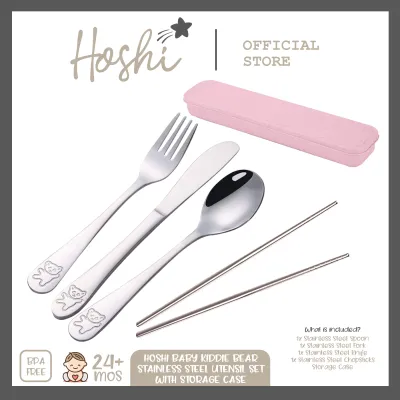
As infants transition to chunkier, textured foods and develop more refined motor control, stainless steel utensils become a practical option. Stainless steel is exceptionally durable, completely resistant to food stains and odors, and incredibly easy to sanitize. It mimics the look and feel of adult cutlery, which can highly motivate babies who love to copy their parents during family mealtimes.
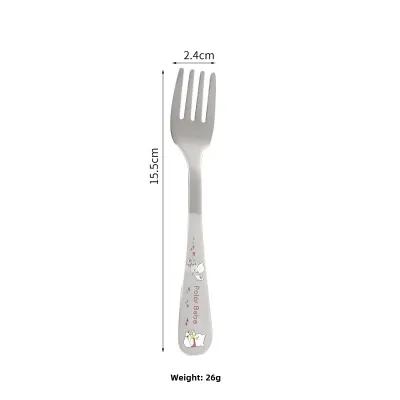
Because hard metal can be unforgiving on tender gums, stainless steel is generally better suited for older babies who have moved past the initial puree stage and no longer bite down randomly on their utensils. When shopping for stainless steel sets, look for hybrid designs. These feature soft, easy-to-grip silicone or textured plastic handles paired with smooth, rounded stainless steel heads, offering the perfect blend of comfort and function.
Bamboo and Wood
For eco-conscious households, bamboo and wooden baby utensils offer a lightweight, natural, and aesthetically pleasing alternative. These materials do not conduct heat quickly, meaning they stay cool to the touch even when dipped into warm porridges or broths.
Despite their visual appeal, wooden and bamboo utensils require strict, high-effort maintenance. They are highly porous and can easily harbor bacteria or mold if exposed to the high humidity typical of the Philippine climate. Wooden utensils must be hand-washed immediately after use, dried thoroughly in a well-ventilated area, and never left soaking in water. They are generally not suitable for electric steam sterilizers, UV sterilizers, or dishwashers, as extreme heat and moisture will cause the wood to splinter, crack, or warp. Parents must regularly inspect wooden tools for any rough edges or splinters that could injure a baby’s mouth.
Design Elements That Make Self-Feeding Easier
Beyond material choices, the physical shape and design of a spoon and fork set directly impact how easily a baby can transition from being fed to feeding themselves. Well-thought-out design elements accommodate a baby’s developing anatomy and limited coordination.
- Handle Ergonomics: Infants initially grasp objects using a palmar grasp, clenching their entire fist around the handle. Long, thin spoons designed for adults are incredibly difficult for babies to maneuver. Instead, look for utensils with short, thick, rounded, or textured handles. These chunky shapes fit naturally into a baby's small palm, providing the leverage they need to guide the tool toward their mouth.
- Spoon Bowl Depth and Shape: The bowl of the spoon should be shallow and narrow. A deep spoon bowl makes it very difficult for an infant to clear all the food using only their upper lip, leading to frustration and messy cleanups. A shallow, narrow bowl fits comfortably inside a small mouth and allows the baby to easily sweep off purees and mashes.
- Fork Tine Design: Baby forks should never have sharp, pointed tines like adult forks. Instead, look for blunt, rounded tines made of silicone or thick plastic. These tines must be firm enough to pierce soft, cooked foods like steamed carrots, chayote (sayote), or ripe bananas, but dull enough to prevent any puncture injuries to the baby's face, lips, or gums if they slip.
- Angled or Curved Heads: Many self-feeding sets feature curved or angled heads. These specialized utensils are designed to help babies who have not yet developed the wrist rotation required to bring a straight spoon directly to their mouth. By angling the head of the spoon toward the baby's face, these tools make it easier for them to successfully feed themselves with less spilling, though they are typically most useful for slightly older infants who are actively practicing self-feeding.
Matching Spoon and Fork Features to Your Baby's Feeding Stage
To help you choose the right tools, it is helpful to align the physical features of the utensils with your baby’s current developmental stage. The table below outlines how to match these elements effectively.
| Feeding Stage | Ideal Material | Spoon/Fork Design Features | Key Safety Focus |
|---|---|---|---|
| Early Purees (6+ months) | 100% Food-Grade Silicone | Long handle for parent-led feeding; shallow, narrow spoon bowl. | Soft on gums; free from BPA, phthalates, and lead. |
| Soft Lumps & Minced (8-10 months) | Silicone or Hybrid (Silicone Handle + Plastic Head) | Short, chunky, textured handles; integrated choke guards. | Choking prevention; easy palmar grasp for self-feeding practice. |
| Chunky Solids (12+ months) | Stainless Steel with Silicone Handles | Blunt, rounded fork tines; slightly deeper spoon bowl for scooping. | Durability; ensuring fork tines are completely blunt to prevent injury. |
Every baby develops at their own unique pace. While age-based guidelines on packaging are helpful starting points, it is far more important to observe your baby’s individual readiness cues, motor control, and comfort levels. Always prioritize your child’s safety, supervise every mealtime closely, and consult your pediatrician or a feeding specialist if you have any questions about your baby’s developmental progress.
Frequently Asked Questions (FAQ)
When is the right time to introduce a baby fork?
Forks are typically introduced later than spoons, usually when a baby has transitioned to chunkier solid foods and has developed a reliable pincer grasp—using their thumb and index finger to pick up small objects. This milestone commonly occurs between 9 and 12 months of age, though individual timelines vary. When starting out, offer soft, easily pierceable foods like steamed vegetables or soft fruits, and ensure you are using a child-safe fork with blunt, rounded tines. Caregivers must always supervise the baby closely during use to prevent accidental injuries.
How should I clean and sterilize different utensil materials?
Cleaning and sterilization methods depend entirely on the material of the utensil set. Solid food-grade silicone and high-quality stainless steel are highly durable and can typically withstand boiling water, steam sterilizers, UV sterilizers, and top-rack dishwasher cycles. Conversely, wooden and bamboo utensils must never be boiled, sterilized, or placed in a dishwasher, as intense heat and moisture will cause them to warp, split, and harbor bacteria. To ensure the safety and longevity of your baby’s feeding tools, always read and follow the specific care and cleaning instructions provided by the manufacturer on the product packaging.

Community discussion
Share your experience or ask a question. Comments are reviewed before publication.