
Starting solid foods is an exciting milestone in your baby’s development, marking the transition from an all-liquid diet to a world of diverse textures and flavors. In the Philippines, where high humidity and warm temperatures require extra care in food preparation and hygiene, choosing the right feeding bowl for baby is a critical decision. The ideal bowl does more than just hold purees or soft grains like lugaw; it supports your child’s emerging motor skills, prevents frustrating spills, and ensures that no harmful chemicals leach into their meals. Finding a balance between material safety, practical suction mechanics, and ease of maintenance will make this developmental transition smoother and cleaner for both you and your little one.
What to Look for in a Baby Feeding Bowl for First Solids
When evaluating baby feeding bowls, material safety is your absolute priority. You must carefully inspect product packaging and manufacturer specifications for verified food-grade silicone, BPA-free, PVC-free, and phthalate-free labels. It is important to remember that generic material names alone do not guarantee safety; parents should actively verify that the product has undergone rigorous testing and holds certifications from recognized bodies, such as the US Food and Drug Administration (FDA) or European LFGB standards. These certifications ensure that the materials will not leach harmful chemicals, even when exposed to warm foods or acidic ingredients.
A strong suction base is highly beneficial for babies who are just beginning to explore solid foods, as they often tend to swat, pull, or throw their dishes. The suction mechanism relies on creating a vacuum between the bowl’s base and the eating surface. To ensure the suction works effectively, you should test the bowl on various surfaces, keeping in mind that suction typically performs best on completely smooth, non-porous materials like plastic high-chair trays or polished glass. Textured wood, matte finishes, or uneven surfaces will allow air to seep under the seal, causing the suction to fail.
Products mentioned in this guide
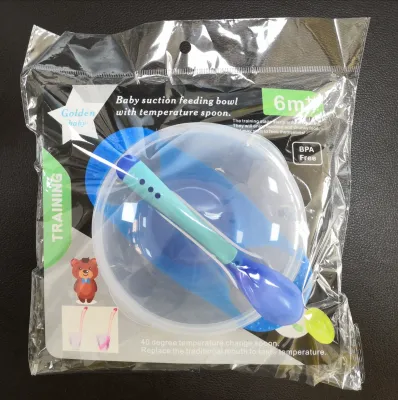
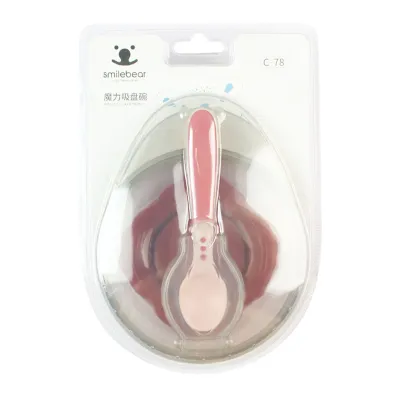
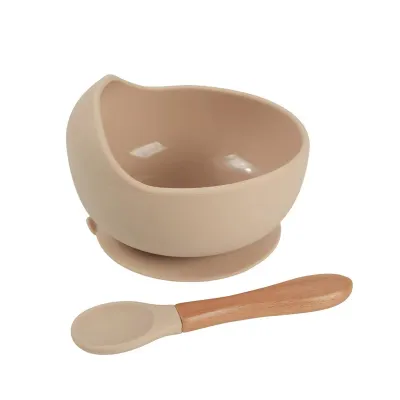
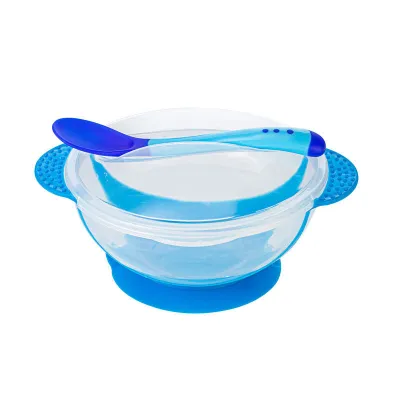
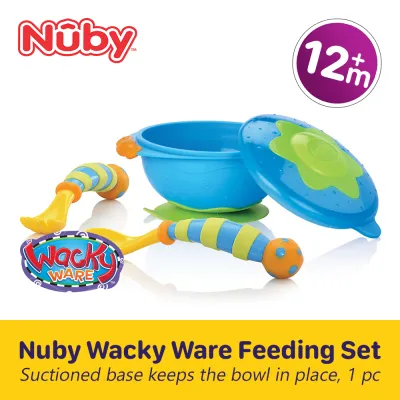
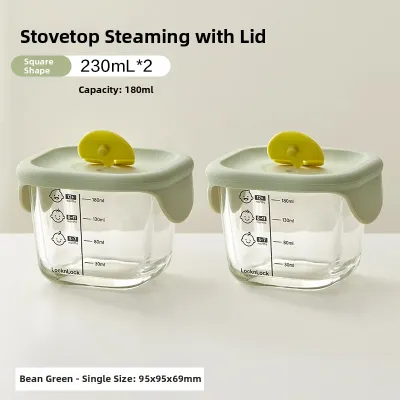
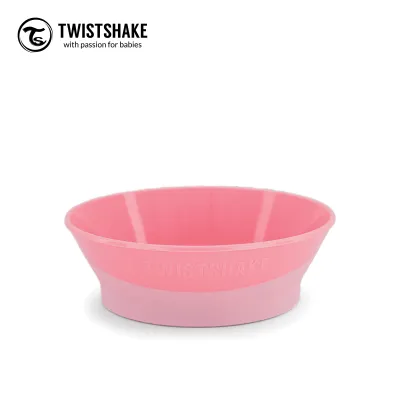
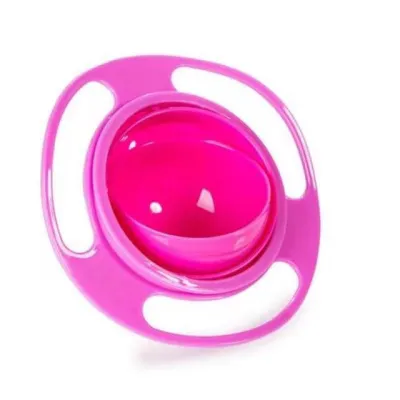
Prices are valid at publication and may change. Please refer to the product page for the latest price.
In a tropical and humid climate like the Philippines, ease of cleaning is directly linked to hygiene and health. You should prioritize seamless designs that lack deep crevices, tight corners, or removable components where food particles and moisture can easily become trapped. These hidden areas are prime breeding grounds for bacteria and mold, which thrive in warm, damp environments. Opting for dishwasher-safe materials can simplify your routine, but even when washing by hand, a simple, smooth interior ensures that you can thoroughly clean every millimeter of the bowl with minimal effort.
The physical design of the bowl plays a significant role in supporting your baby’s developmental milestones, especially if you are practicing baby-led weaning (BLW). Shallow, wide bowls with gently curved inner edges are highly recommended because they allow babies to easily scoop up food using their hands or early utensils. A bowl that is too deep or has sharp, vertical walls can frustrate a learning infant, hindering their hand-eye coordination and motor skill development. Additionally, the bowl should fit comfortably within the dimensions of your specific high-chair tray, leaving enough room for your baby to reach it naturally.
Best Types of Feeding Bowls for Every Feeding Scenario
Categorizing feeding bowls based on your daily routine helps you select options that fit your lifestyle, whether you are feeding your baby at home, dining out, or preparing meals in advance. By matching the bowl’s design to specific scenarios, you can minimize mess, streamline meal preparation, and ensure your baby remains focused on learning to eat. The following curated selections represent widely available, high-quality options in the Philippine market, ranging from local baby boutiques to major online marketplaces.

Best Suction Bowls for Messy Eaters and Beginners
Suction bowls are engineered to anchor the dish firmly to the table, preventing the entire meal from being flipped onto the floor. The effectiveness of this design depends on proper application; you must press down firmly on the center of the bowl to expel all trapped air and establish a secure vacuum seal. Many high-quality silicone suction bowls feature a heavy base and a wide diameter to distribute weight evenly, along with a discreet quick-release tab that allows parents to easily lift the bowl when mealtime is over.
One highly regarded option available in the Philippines is the Marcus & Marcus Silicone Suction Bowl. Constructed from food-grade silicone, this bowl is durable, flexible, and features a wide suction base that adheres well to most smooth high-chair trays. It typically retails between ₱500 and ₱700 in local mother-and-baby stores. A key limitation to keep in mind is that while it adheres exceptionally well to smooth plastic and glass, its suction will degrade on textured wooden tables or trays with matte finishes. Caregivers must ensure the surface is clean and dry before pressing the bowl down.
Another excellent choice is the Richell Suction Bowl with Spoon, which is widely distributed in premium baby boutiques across the country. Priced around ₱600 to ₱800, this Japanese-designed bowl features a reliable suction base and comes with a matching spoon designed for early feeding. The primary limitation is that the suction ring is sometimes a separate component, which requires careful disassembly and thorough drying during cleaning to prevent moisture buildup.
Best Divided Bowls for Introducing Food Variety
Divided bowls and plates are excellent tools for parents who want to introduce a variety of food groups in a single meal without the different items mixing together. This separation is particularly helpful for babies who may be overwhelmed by mixed textures or who prefer to explore purees, soft grains, and finger foods individually. The compartments should be deep enough to keep liquids or purees from spilling into adjacent sections, yet shallow enough to allow your baby to reach the food easily.
The EZPZ Mini Bowl is a popular combined placemat and bowl made from high-quality silicone that naturally suctions to flat surfaces. Retailing for approximately ₱1,000 to ₱1,300, this design is exceptionally stable and helps contain messes within the borders of the built-in placemat. However, a notable limitation is its overall footprint; the wide placemat design may not fit on smaller or highly contoured high-chair trays, such as the popular basic high chairs used in many Filipino households. You must measure your high chair’s tray before purchasing.
For a more compact divided option, the Marcus & Marcus Divided Suction Plate offers distinct sections for separating proteins, vegetables, and grains. This plate is heavy and sturdy, making it difficult for babies to lift, but its bulkier profile means it takes up more storage space in your kitchen cabinets and is less convenient for travel.
Best Travel-Friendly Bowls for On-the-Go Meals
Feeding a baby while away from home requires lightweight, durable, and highly portable gear. Travel-friendly bowls prioritize secure, snap-on lids that prevent leaks and protect the interior from contamination while packed in a diaper bag. Some designs also feature collapsible silicone bodies that fold flat to save valuable space when empty.
The Pigeon Feeding Dish with Spoon is a classic, highly practical travel option widely available in Philippine department stores and baby shops, priced between ₱300 and ₱450. It features a tight-fitting lid with a dedicated compartment to store the feeding spoon hygienically. While the lid is secure enough to prevent dry snacks or thick purees from escaping, it is not entirely leakproof for thin liquids, so you should keep the bowl upright when carrying watery foods.
Alternatively, collapsible silicone bowls from reputable brands offer excellent space-saving benefits for travel. While highly convenient, you must verify that the folding mechanism does not compromise the structural stability of the bowl when filled with warm food, as a sudden collapse can cause accidental spills.
Best Microwave-Safe Bowls for Quick Reheating
For busy parents who prepare baby food in batches and store it in the refrigerator, microwave-safe bowls offer a quick and convenient reheating solution. When using these bowls, you must strictly verify the manufacturer’s labels to confirm they are rated for microwave use and to identify their maximum temperature limits.
The Beaba Silicone Suction Bowl, retailing around ₱700 to ₱900, is designed to safely transition from the refrigerator to the microwave. Because food-grade silicone can withstand high temperatures without degrading, it is a highly durable option for daily reheating. However, you must always stir the reheated food thoroughly and test the temperature yourself before feeding your baby, as microwaves can create localized hot spots in silicone bowls that could burn your baby’s sensitive mouth.
A more budget-friendly alternative is the Pigeon Microwaveable Feeding Bowl, made from heat-resistant polypropylene and priced around ₱200 to ₱350. While lightweight and highly functional, plastic bowls can scratch more easily than silicone, so you must avoid using metal utensils or abrasive sponges that could compromise the plastic surface over time.
Materials to Avoid and Essential Safety Checks
When choosing a feeding bowl for baby, certain materials should be strictly avoided to protect your child’s health. You should steer clear of unverified, cheap plastics that do not explicitly state they are BPA-free, as they may leach harmful endocrine-disrupting chemicals. Melamine is another material to avoid for infant feeding; although durable and lightweight, melamine can release small amounts of melamine and formaldehyde into food, especially when exposed to high heat, microwave radiation, or highly acidic foods like tomato-based purees. Additionally, avoid bowls with painted interiors, decorative decals, or printed patterns on the eating surface, as these coatings can chip, peel, and be accidentally ingested by your baby over time.
Before using any new feeding bowl for the first time, you must perform a thorough pre-use cleaning routine. Wash the bowl thoroughly with warm, soapy water using a mild, baby-safe dishwashing liquid and a soft sponge. You should strictly follow the manufacturer’s initial care and sterilization instructions, as some materials may require a quick dip in boiling water, while others can be damaged by extreme heat. This initial wash removes any chemical residues, dust, or contaminants accumulated during manufacturing and shipping.
Caregivers must establish a regular inspection routine for all baby feeding gear. Before every meal, take a moment to examine the bowl for signs of wear and tear, such as micro-tears in silicone, deep scratches in plastic, or peeling surfaces. Damaged areas are highly problematic because they can harbor harmful bacteria that standard washing cannot reach. Furthermore, compromised silicone or plastic can tear further, creating small pieces that pose a serious choking hazard. If you detect any structural damage, deep scratches, or degradation, you must discard the bowl immediately and replace it.
How to Clean and Maintain Baby Feeding Bowls Safely
To maintain optimal hygiene, wash your baby’s feeding bowls immediately after every meal using warm, soapy water and a soft sponge or silicone brush. Avoid using abrasive scrubbing pads, steel wool, or harsh scouring powders, as these will create microscopic scratches on both plastic and silicone surfaces. These tiny scratches act as reservoirs for food particles, grease, and bacteria, making subsequent cleanings less effective and increasing the risk of contamination.
While sterilizing baby gear is a common practice, you must verify the specific sterilization limits of your feeding bowls. Many food-grade silicone bowls can safely withstand boiling water, steam sterilizers, or UV sterilizers, but plastic bowls or composite bowls with removable suction rings often have lower temperature tolerances. Always check the manufacturer’s maximum temperature guidelines before sterilizing; exceeding these limits can cause the materials to warp, melt, or degrade, rendering the suction base useless and compromising the bowl’s safety.
Silicone is highly durable, but its porous nature means it can easily absorb strong food odors and vibrant stains from ingredients like carrots, squash, or sweet potatoes. To safely remove stubborn stains and smells without resorting to harsh chemical bleaches, you can create a paste using baking soda and warm water. Apply the paste to the affected areas, let it sit for approximately 30 minutes, and then scrub gently with a soft sponge before rinsing thoroughly. Alternatively, soaking the bowl in a one-to-one mixture of warm water and white vinegar for 15 to 20 minutes is an effective, natural way to neutralize lingering food odors.
In the tropical, high-humidity climate of the Philippines, proper drying and storage are critical to preventing the growth of mold and mildew. After washing and rinsing, you must allow the feeding bowls to air-dry completely in a clean, well-ventilated dish rack. Avoid stacking wet or damp bowls together, as trapped moisture between nested dishes creates an ideal environment for mold spores to multiply. Once the bowls are entirely dry, store them in a clean, closed cabinet away from direct sunlight and pests.
Frequently Asked Questions (FAQ)
When should I transition my baby from a suction bowl to a regular bowl?
The transition from a suction bowl to a standard, non-suction bowl depends largely on your baby’s fine motor skills, behavioral development, and feeding independence. Typically, this milestone occurs between 12 and 18 months of age, when the child begins to show consistent control over their utensils and has moved past the phase of deliberately throwing or flipping their dishes. You can test their readiness by placing a small, light, non-suction bowl on their tray during snack times under close supervision, observing whether they can keep the bowl stable while scooping food.
Are bamboo or wooden bowls safe for babies starting solid foods?
While bamboo and wooden bowls are popular for their natural aesthetic, they require highly specific maintenance and present distinct safety challenges for infant feeding. These natural materials must be sealed with food-safe finishes, which can wear away over time and require reapplication. Furthermore, wooden and bamboo bowls cannot be microwaved, washed in a dishwasher, or sterilized in boiling water, as extreme heat and moisture will cause them to warp, crack, or split. These cracks can trap moisture and food particles, leading to bacterial growth, which makes them less hygienic than food-grade silicone or high-quality plastics in humid climates.
How do I get the suction bowl to stick properly to the table?
To achieve a reliable and strong hold with a suction bowl, you must ensure that both the suction base of the bowl and the surface of the table or high-chair tray are completely clean, dry, and free of grease or dust. Place the bowl on the flat surface and press down firmly on the exact center of the bowl’s interior to force out all trapped air, creating a secure vacuum seal. Keep in mind that suction bowls require a completely smooth, non-porous surface to function; they will not stick effectively to textured wood, wood grain, matte plastics, or surfaces with minor scratches and uneven finishes.
Community discussion
Share your experience or ask a question. Comments are reviewed before publication.