
Introducing solid foods is one of the most exciting milestones in your baby’s first year. As your little one transitions from an all-liquid diet, a baby food feeder kit set can be an invaluable tool to help them explore new flavors and textures safely. These handy devices, which feature a small pouch attached to a secure handle, allow babies to feed themselves small amounts of whole foods without the risk of swallowing large, unchewed chunks.
Choosing the right baby food feeder kit set requires careful consideration of safety, materials, and usability. With so many options available on online marketplaces and in local baby boutiques, parents must look beyond attractive colors and focus on design elements that support healthy development. By evaluating key features such as pouch materials, safety guards, and ease of cleaning, you can select a kit that offers both peace of mind for you and a delightful sensory experience for your baby.
Essential Safety Features to Check Before Buying
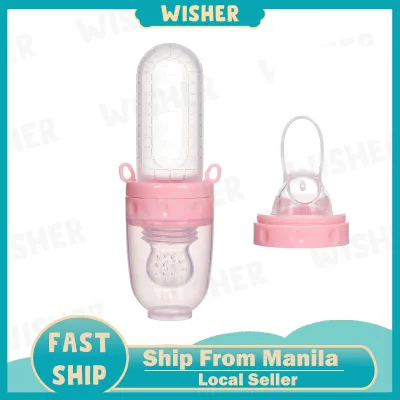
When evaluating any baby food feeder kit set, safety must always be your primary concern. The primary function of these feeders is to act as a barrier against choking, which means the physical design of the feeding pouch is critical. You should carefully inspect the size of the anti-choking holes in silicone pouches or the weave of mesh bags. The openings must be small enough to prevent any large food particles or seeds from passing through, yet large enough to allow juices and finely pureed textures to flow when the baby squeezes or chews the pouch.
Products mentioned in this guide
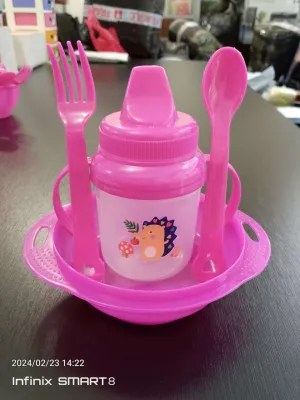
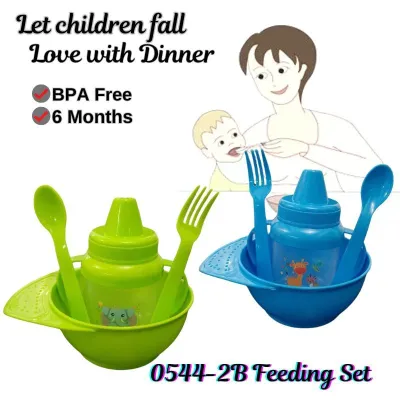
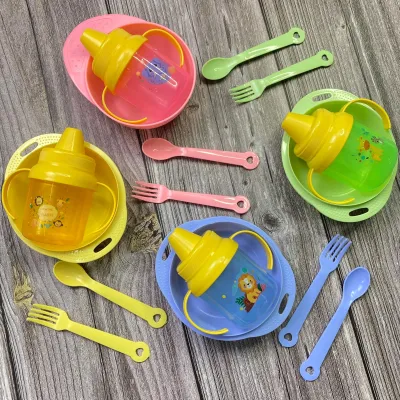
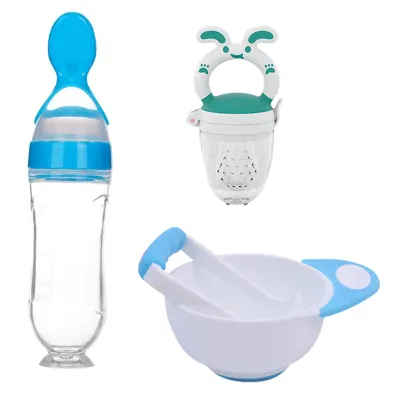
Prices are valid at publication and may change. Please refer to the product page for the latest price.
Another indispensable safety feature is the protective shield or guard located between the pouch and the handle. This wide barrier prevents your baby from inserting the feeder too far into their mouth, reducing the risk of gagging or choking. When browsing different models, look for a guard that is wide, sturdy, and integrated seamlessly into the feeder’s frame so that it cannot slide or detach during use.
Chemical safety is just as important as physical safety. Because these products spend significant time in your baby’s mouth, you must verify that all components are free from harmful chemicals. Look for explicit, verified claims on the product packaging or the manufacturer’s official specifications indicating that the materials are food-grade, BPA-free, phthalate-free, and lead-free. Avoid products with vague labeling or those that do not clearly state their material composition.
Finally, you must inspect the structural integrity of the feeding pouch and its attachment mechanism. The pouch must lock securely into the collar of the feeder so that a baby’s strong tugging or chewing cannot pull it loose. Before making a purchase, check how the pouch attaches to the ring and ensure that the material is highly tear-resistant, with reinforced rims that resist stretching or tearing over time.
Material Choices: Silicone vs. Mesh Feeders
One of the biggest decisions you will face when selecting a baby food feeder kit set is choosing between silicone and mesh pouches. Both materials have distinct characteristics, and understanding their differences will help you choose the option that best suits your baby’s oral motor skills and your daily routine.

Silicone feeders have become highly popular due to their durability and ease of maintenance. Made from flexible, food-grade silicone, these pouches are gentle on tender gums and highly resistant to wear. They are exceptionally easy to clean because food residue washes off the smooth surface quickly, and they do not easily retain odors or stains from vibrant foods like squash or carrots. Additionally, silicone pouches are excellent for holding slightly thicker purees, chilled fruits, or even frozen breast milk chips, providing soothing relief for teething babies during warm afternoons.
Mesh feeders, on the other hand, are made from a soft, woven fabric bag. Many parents prefer mesh because it is incredibly soft and conforms easily to the shape of the baby’s mouth, making it highly comfortable for early eaters. Mesh is particularly well-suited for very juicy fruits, such as ripe mangoes, watermelons, or papayas, as it filters out seeds and tough fibers while letting the sweet juice pass through. However, mesh bags are notoriously difficult to clean, as tiny food fibers can easily become trapped in the weave, often requiring vigorous scrubbing and more frequent replacements to maintain hygiene.
To make an informed choice, always cross-reference material claims with the visible product labels and the manufacturer’s care instructions. If you prefer a low-maintenance option that can be sanitized repeatedly without degrading, silicone is often the practical choice. If your priority is a highly flexible, traditional texture for filtering juicy local fruits, a mesh feeder may be worth the extra cleaning effort.
Ergonomics and Ease of Use for Parents and Babies
A baby food feeder kit set is only useful if your baby can comfortably hold it and you can easily operate it. The physical design of the handle plays a major role in encouraging self-feeding and supporting your baby’s developing motor skills.
When assessing the handle, look for shapes and textures that accommodate a baby’s palmar grasp, which is the way infants naturally grip objects with their whole hand. Round, loop-shaped, or textured handles are ideal because they allow small fingers to wrap around securely without slipping. Some kits feature handles with soft-grip rubberized coatings, which provide extra traction when coated in slippery fruit juices or baby drool.
While the handle must be easy for the baby to hold, the locking mechanism must be completely secure against curious little fingers. Evaluate how the feeder snaps or locks shut. High-quality kits utilize double-lock systems, child-proof latches, or screw-on collars that require a specific twisting or pinching motion that only an adult can perform. This prevents the baby from accidentally opening the compartment, which could lead to a messy spill or, more seriously, exposure to large chunks of food.
Additionally, consider the overall weight and balance of the feeder when it is fully loaded with food. A feeder that is too heavy or top-heavy can cause wrist fatigue for a young infant, leading to frustration and dropped toys. Opt for lightweight, balanced designs that allow your baby to guide the feeder to their mouth smoothly and independently.
Cleaning, Maintenance, and Hygiene Standards
In a warm and humid tropical climate, maintaining strict hygiene standards for baby gear is essential to prevent the growth of bacteria, mold, and mildew. Because baby food feeders come into direct contact with saliva and wet food, they require meticulous cleaning after every single use.
When shopping for a baby food feeder kit set, look for a design that allows for complete disassembly. You should be able to easily separate the silicone or mesh pouch, the locking collar, the handle, and the protective cap. Avoid designs with permanently joined parts, deep hidden crevices, or hollow handles where water and food particles can become trapped, as these areas are breeding grounds for mold.
Do not assume that all feeders are universally dishwasher-safe or heat-resistant. Always consult the specific manufacturer’s manual to verify if the components can withstand high-temperature sterilization, steam bags, or top-rack dishwasher cycles. Some materials may warp or degrade if exposed to boiling water for too long, while others are specifically designed to handle rigorous sanitizing routines.
After washing, establishing a proper drying routine is critical. Mesh bags and silicone pouches must be allowed to air-dry completely in a well-ventilated, clean area before reassembly or storage. Moisture trapped inside a closed feeder can quickly lead to unpleasant odors and mold development, rendering the feeder unsafe for your baby’s next meal.
Building Your Shortlist: Key Evaluation Checklist
To help you narrow down your options and find the perfect baby food feeder kit set, use this practical checklist to compare different products on the market:
- Developmental Alignment: Verify that the product's recommended age range matches your baby's current developmental stage. Most feeders are rated for babies aged six months and older who can sit up with minimal support and have good head control.
- Kit Component Value: Assess the practical value of the accessories included in the kit. A set that includes multiple pouch sizes (small, medium, and large) to grow with your baby, travel caps to keep the feeder clean on the go, and extra replacement tips often provides better value for your money than buying standalone items.
- Price Comparison: Compare the price in ₱ across different brands, ensuring that any premium cost is justified by durable materials, extra accessories, or superior ease of cleaning rather than just brand name recognition.
- Clear Instructions: Ensure the packaging includes clear, accessible usage instructions, sterilization guidelines, and safety warnings in a language you and your baby's caregivers can easily understand.
Frequently Asked Questions (FAQ)
At what age can I start using a baby food feeder?
Most babies are ready to use a baby food feeder around six months of age, which aligns with the general recommendation for introducing solid foods. Before introducing a feeder, look for physical signs of readiness, such as your baby being able to sit up with minimal support, holding their head steady, and showing active interest in what you are eating. It is also important that they have lost the tongue-thrust reflex, which naturally pushes foreign objects out of their mouth. Always check the manufacturer’s minimum age recommendation on the specific product packaging and consult your pediatrician before starting solids.
Can a baby food feeder replace regular spoon-feeding?
No, a baby food feeder should not replace traditional spoon-feeding or hand-feeding. Feeders are excellent supplementary tools designed for safe flavor exploration, self-feeding practice, and soothing sore, teething gums. However, relying solely on a feeder can limit your baby’s oral motor development. To learn how to chew, swallow, and manage different food consistencies safely, babies need direct exposure to varied textures from a spoon or through baby-led weaning. Use the feeder as a fun, interactive addition to a diverse feeding routine rather than the primary method of meal delivery.
How often should I replace the feeder tips or mesh bags?
You should inspect the feeding pouches before every single use for any signs of wear and tear. Silicone tips should be replaced immediately if you notice discoloration, cloudiness, stretching, micro-tears, or if the material feels sticky or thin. Mesh bags generally require more frequent replacement because the fabric can fray, trap stubborn stains, or retain food odors over time. As a general rule, follow the manufacturer’s guidelines for replacement intervals, but always prioritize visual and tactile checks; if a pouch looks worn or damaged, discard it immediately to ensure your baby’s safety.

Community discussion
Share your experience or ask a question. Comments are reviewed before publication.