
Starting your baby on solid foods is a memorable milestone that marks a major shift in their development. As you transition from milk to purees and soft finger foods, having the right tools can make this phase smoother and less messy. A high-quality baby feeding meal set is designed specifically to accommodate a baby’s developing motor skills, sensitive gums, and small portion requirements. Choosing the right set involves looking closely at material safety, physical design, and how well the pieces fit into your daily household routine.
By focusing on practical features rather than aesthetic trends, you can find a set that supports self-feeding while keeping cleanup manageable. The ideal feeding set should offer reliable stability to prevent spills, ergonomic shapes that fit tiny hands, and materials that can withstand frequent washing and sanitizing. Understanding what to look for before making a purchase will help you avoid unnecessary items and select a set that truly serves your baby’s needs.
Assessing Readiness and Portion Requirements for First Solids
Before purchasing a baby feeding meal set, it is essential to understand your baby’s developmental stage and how it dictates their feeding needs. Manufacturers print age recommendations on their packaging, typically starting at six months. While these guidelines are helpful starting points, you should also assess your baby’s physical readiness. A baby who can sit upright with minimal support and has good head control is physically ready to begin exploring solids, which influences the type of dishes they will require.
Products mentioned in this guide
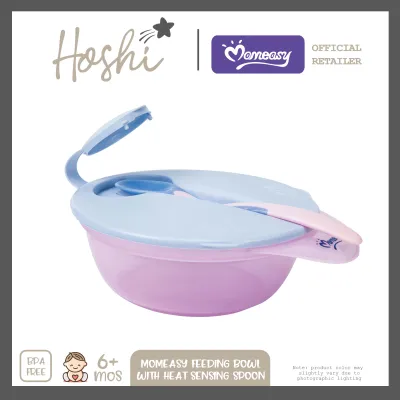
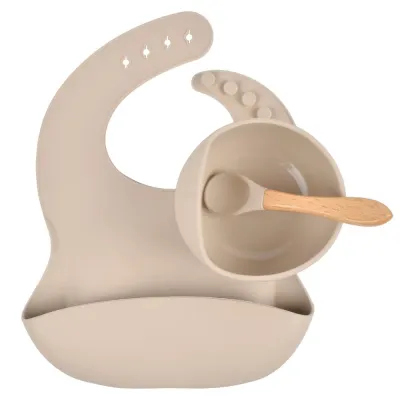
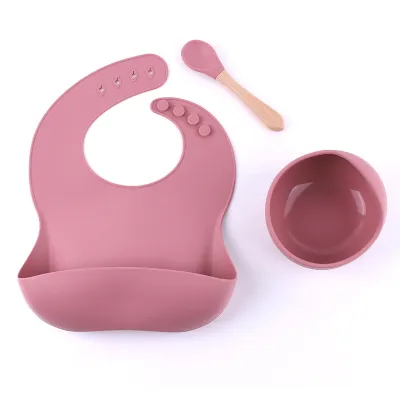
![[Same Day Ship] 3Pcs/Set Baby Dinnerware Anti-hot Wheat Training Plate Baby Feeding Bowl Set Tableware Plates with Spoon and Fork](https://img.lazcdn.com/g/p/9cda1e044dc592f7b066dd13eb7d6311.jpg_400x400q80.jpg_.webp)
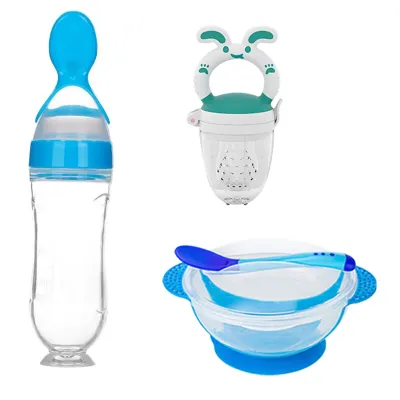

Prices are valid at publication and may change. Please refer to the product page for the latest price.
During the initial weeks of weaning, portion sizes are incredibly small. Your baby may only consume a few teaspoons of pureed vegetables, fruits, or soft rice mash per meal. Consequently, you do not need large, deep bowls that swallow up tiny portions. Instead, look for compact bowls that allow you to present small amounts of food clearly. Avoid relying on unverified volume markings on the side of the bowl; instead, focus on the physical dimensions of the dish to ensure it fits comfortably on your baby’s high chair tray.
As your baby transitions from being spoon-fed to attempting self-feeding, the physical design of the dishes becomes highly important. Look for bowls with a generous depth and plates with raised, curved rims. These design features provide a vertical wall against which your baby can push their spoon. Without a raised rim, early scooping attempts often result in food being pushed off the edge of the plate and onto the tray or floor. A well-designed rim guides the food onto the utensil, encouraging independence and reducing frustration.
Verifying Material Safety and Care Specifications
Ensuring the safety of the materials that come into contact with your baby’s food is a top priority for any parent. When evaluating a baby feeding meal set, look for clear, official labels on the packaging or in the user manual. Verify that the product is explicitly labeled as food-grade and free from potentially harmful chemicals. Look for statements confirming the set is BPA-free, PVC-free, and phthalate-free. In the warm and humid climate of the Philippines, where moisture can encourage microbial growth, choosing non-porous materials like food-grade silicone or high-quality plastics is highly beneficial.

You must also verify the manufacturer’s stated temperature limits to ensure the set is compatible with your preferred cleaning and heating methods. If you plan to warm purees in the microwave or sanitize the dishes in a steam or UV sterilizer, check the product specifications first. Not all materials can withstand high temperatures without warping, degrading, or releasing odors. Look for the maximum temperature threshold, which is often embossed on the bottom of the dishes or detailed in the instruction leaflet.
Over time, even the most durable feeding sets will show signs of wear and tear. Regular inspection of your baby’s dishes and utensils is necessary to maintain a safe feeding environment. Look closely for deep scratches, rough edges, discoloration, or a sticky texture, which can indicate that the material is beginning to degrade. Deep scratches can also harbor food particles and bacteria, making them difficult to clean thoroughly. If you observe any of these signs of material degradation, stop using the item immediately and replace it.
Evaluating Base Stability and Utensil Ergonomics
One of the biggest challenges of starting solids is managing the inevitable mess. A baby feeding meal set with a reliable suction base can significantly reduce spills by keeping the bowl or plate firmly anchored. However, suction performance is highly dependent on the surface of your high chair tray. Suction cups require a completely smooth, clean, and non-porous surface to create a secure vacuum seal. If your high chair tray has a textured, matte, or wooden finish, the suction base may not stick effectively, allowing your baby to easily lift and toss the dish.
The design of the utensils is another critical factor in supporting your baby’s self-feeding journey. Babies use a palmar grasp, using their entire fist to hold objects. Therefore, look for spoons and forks with short, thick handles that are easy for small hands to grip. Textured surfaces, such as raised silicone ridges or non-slip patterns, help prevent the utensils from slipping out of soapy or food-covered hands. Avoid long, thin handles, which are designed for parents to feed babies rather than for babies to feed themselves.
Additionally, pay close attention to the size and material of the utensil heads. The spoon bowl should be shallow and small enough to fit comfortably inside your baby’s mouth without overloading it. Soft, flexible silicone edges are highly recommended because they are gentle on sensitive, teething gums and prevent accidental injury if your baby jabs themselves. Avoid forks with sharp, rigid tines; instead, opt for rounded, soft tines that can pierce soft foods like steamed squash or bananas without posing a safety hazard.
Matching the Set to Your Daily Feeding Routine
When choosing a baby feeding meal set, it is easy to be tempted by large, multi-piece bundles that include plates, bowls, cups, bibs, and multiple utensils. While these sets can offer good value, you should weigh their convenience against your household’s storage space and cleaning routine. If you do not have a dishwasher, washing numerous pieces by hand after every meal can quickly become exhausting. A simpler, two-piece set consisting of a single suction bowl and a soft spoon is often more practical for the first few months of weaning.
If your family travels frequently or dines out at restaurants, look for travel-friendly design features. Bowls that come with secure, spill-proof lids are incredibly useful for prepping meals at home and carrying them safely in your diaper bag. Compact, nesting designs where the cup and utensils fit inside the bowl can save valuable space. These portable features ensure you can maintain your baby’s feeding routine even when you are away from home.
Finally, consider the color and aesthetic design of the feeding set. While pastel shades are popular, they are highly susceptible to staining from brightly colored foods like carrots, squash, and tomato purees. Choosing darker, warmer tones can help mask these inevitable stains, keeping the set looking clean and presentable over time. Some parents also find that high-contrast colors help babies visually distinguish their food from the plate, which can encourage interest in eating.
Frequently Asked Questions (FAQ)
Do I need a complete meal set or just individual pieces for starting solids?
A complete meal set can be a cost-effective option if you plan to use all the included components, such as the cup, bib, and divided plate, as your baby grows. However, during the first few weeks of starting solids, your baby only needs a single small bowl and a soft spoon. If you want to minimize clutter or are working with a tight budget, purchasing these core pieces individually is a highly practical approach.
How do I know if a suction base will stick to my high chair tray?
Suction bases rely on a tight vacuum seal, which can only form on completely flat, smooth, and non-porous surfaces like polished plastic, glass, or smooth metal. If your high chair tray has a textured, grainy, or wooden finish, air will seep under the suction cup, causing it to fail. To verify compatibility, check the texture of your tray beforehand, or test it with a household suction cup if you are unsure.
When should I replace my baby's feeding meal set?
You should replace your baby’s feeding set if you notice visible signs of wear, such as deep scratches, persistent odors, discoloration, or if the material becomes sticky or brittle. These changes indicate material degradation, which can compromise hygiene and safety. Always follow the manufacturer’s recommended lifespan guidelines and inspect the items regularly before each meal.
Community discussion
Share your experience or ask a question. Comments are reviewed before publication.