
A complete baby skincare bundle for daily bath and moisturizing needs should include a gentle, tear-free head-to-toe wash, a lightweight daily moisturizing lotion, and a targeted barrier cream or soothing oil. These core products work together to cleanse without stripping natural oils, lock in essential moisture, and protect high-friction areas from irritation. In tropical climates like the Philippines, selecting a bundle that balances effective hydration with lightweight, non-greasy formulations is key to keeping a baby’s skin comfortable and healthy.
Identifying Your Baby's Daily Skincare Needs
Newborn skin is structurally different from adult skin, as it is up to thirty percent thinner and still developing its natural protective barrier. This delicate state makes infants highly susceptible to rapid moisture loss, environmental irritants, and friction. Understanding these developmental differences is the first step in selecting a safe and effective daily skincare routine.
As babies grow into older infants, their physical activity increases significantly. They begin to crawl, drool, and sweat more, which introduces new cleansing challenges. The daily skincare routine must transition from ultra-gentle, minimal cleansing to a routine that effectively removes sweat and dirt without stripping the developing skin barrier.
Products mentioned in this guide
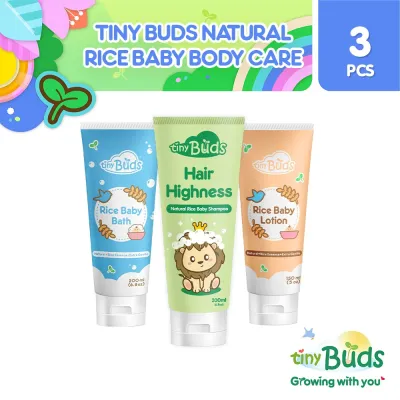
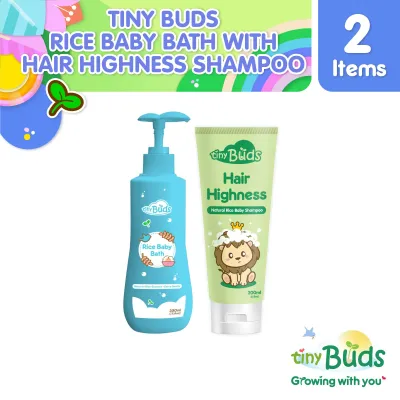
Prices are valid at publication and may change. Please refer to the product page for the latest price.
Every baby has a unique skin profile that caregivers must observe closely. Some infants naturally have dry, flaky patches, while others maintain balanced hydration levels. Identifying these baseline conditions helps caregivers choose whether they need deeply emollient creams or lightweight, water-based lotions for daily maintenance.
Environmental factors play a massive role in baby skincare, especially in the tropical climate of the Philippines. The year-round high humidity and elevated temperatures often lead to excessive sweating. This environment can easily trap moisture in skin folds, leading to heat rash, clogged pores, and localized irritation.
Because of the heat, heavy ointments can sometimes clog pores and exacerbate sweat-related rashes. Caregivers must select products that offer breathable hydration, ensuring the skin barrier is protected without being suffocated by heavy layers. Balancing effective cleansing with lightweight moisture is essential for tropical baby care.
Essential Product Categories for Bathing and Moisturizing
A fundamental component of any baby skincare bundle is a safe, mild cleanser. Caregivers often debate between a unified head-to-toe wash and separate shampoo and body wash formulations. For most infants, a single head-to-toe wash is highly practical, minimizing bath time handling and reducing exposure to multiple ingredient lists.

The ideal cleanser should be soap-free and tear-free to preserve the skin’s natural pH. Soap-free cleansers use mild surfactants that clean the skin without disrupting its natural acidic mantle. A tear-free formula ensures that accidental contact with the eyes does not cause pain or irritation, keeping bath time a positive experience.
Moisturizing immediately after a bath is crucial for locking in hydration before the skin dries out. The choice between lotions, creams, and oils depends on the baby’s skin type and the current weather. Lotions are lightweight, water-rich, and absorb quickly, making them excellent for daily use in warm, humid conditions.
Creams are thicker and contain more lipids, making them suitable for localized dry patches on the elbows, knees, or cheeks. Baby oils are excellent for locking in moisture when applied directly to damp skin right after a bath, or for gentle baby massages, but they should be used sparingly in hot weather to prevent sweat retention.
Beyond basic washing and moisturizing, a complete bundle should address high-risk areas prone to friction and moisture buildup. The diaper area, neck creases, and thigh folds are constantly exposed to moisture, friction, and enzymes from waste, making them prime targets for irritation.
A reliable diaper rash cream containing zinc oxide or a gentle, plant-based friction balm creates a physical shield on the skin. This barrier prevents wetness and friction from breaking down the delicate outer layer of the skin, keeping these sensitive areas dry and comfortable throughout the day.
Evaluating Pre-Packaged Options Like a Tiny Buds Bundle Set
Many parents turn to curated sets, such as a Tiny Buds bundle set, to simplify their shopping. These pre-packaged options often group essential items together, saving caregivers the time and effort of researching and purchasing each product individually.
Before purchasing any skincare bundle, it is vital to scrutinize the ingredient list against pediatric safety guidelines. Avoid products containing artificial dyes, parabens, phthalates, and harsh sulfates like sodium lauryl sulfate (SLS). Opt for formulations that highlight natural, plant-derived ingredients and gentle, food-grade preservatives.
While many parents enjoy a pleasant scent on their baby, heavy synthetic fragrances are a common trigger for skin irritation and allergic contact dermatitis. If a bundle includes scented products, ensure the fragrances are mild, hypoallergenic, or derived from safe, natural extracts, especially if your baby has sensitive skin.
Commercial bundles sometimes mix full-sized items with travel-sized samples. Caregivers should check the volume of each product to ensure the set aligns with their baby’s actual daily usage rates. Additionally, verify the expiration dates on all bundled items, as buying in bulk is only cost-effective if the products can be safely used before they expire.
To determine if a bundle offers genuine savings, compare the total package price in ₱ against the cumulative cost of buying each item separately. Sometimes, purchasing individual, full-sized products tailored specifically to your baby’s needs is more economical than buying a pre-packaged set that includes items you may not use frequently.
Monitoring Skin Signals and Adjusting the Routine
A baby’s skin is dynamic and can react differently to products over time or as the seasons change. Caregivers must remain observant, watching for subtle changes in skin texture, color, and comfort level after introducing a new skincare bundle.
Applying too much moisturizer or using products that are too heavy for the tropical climate can lead to product buildup. This often manifests as milia—tiny, harmless white bumps—or clogged pores and heat rashes in areas where sweat accumulates, such as the neck, chest, and back.
If a baby is sensitive to an ingredient in the bundle, the skin will typically show clear signs of distress. Look for localized redness, dry or peeling patches, small red bumps, or hives. Increased fussiness, crying during product application, or scratching are also strong indicators of discomfort or itching.
If any sign of irritation or allergic reaction occurs, immediately discontinue the use of all products in the bundle. Wash the affected area gently with lukewarm water to remove any remaining residue, and temporarily revert to a minimalist routine using only water and a soft cloth until the skin heals.
While mild dryness or minor heat rashes can often be managed with routine adjustments, certain symptoms require professional evaluation. Consult a pediatrician or a qualified dermatologist if the skin redness persists for more than a few days, if the skin cracks, bleeds, or oozes, or if the baby shows signs of a systemic allergic reaction.
Frequently Asked Questions (FAQ)
Is it necessary to buy a branded bundle set instead of individual products?
Pre-packaged bundle sets offer convenience and often a lower initial cost per item, making them excellent starter kits for new parents. They ensure that all products in the routine are formulated to work together without clashing ingredients. However, curating individual items is highly preferable if your baby has known allergies, extremely sensitive skin, or specific dermatological conditions that require specialized, fragrance-free therapeutic formulas.
How do I patch-test a new baby skincare bundle before full application?
To perform a patch test, apply a small, pea-sized amount of a single product from the bundle onto a clean, clear area of the baby’s skin, such as the inner forearm or behind the ear. Observe the area for 24 to 48 hours. Look for visual signals of a failed test, such as redness, swelling, tiny bumps, or itching. If any of these signs appear, wash the product off immediately and do not use it again; if the skin remains clear, you can proceed with normal application.

Community discussion
Share your experience or ask a question. Comments are reviewed before publication.