
Choosing the right skincare for your baby requires matching their specific skin type—whether normal, dry, sensitive, or temporarily sun-exposed—with the correct product formulation. Biolane offers a range of baby washes, moisturizing oils, and protective sunscreens, but the key to healthy skin lies in observing your baby’s daily skin condition and verifying product labels carefully. Because infant skin is significantly thinner and more delicate than adult skin, it loses moisture quickly and is highly susceptible to environmental irritants. By understanding how to identify your baby’s unique skin needs and matching them with the appropriate product category, you can establish a safe, nurturing daily routine that supports their developing skin barrier.
Identifying Your Baby's Current Skin Condition
Before selecting any skincare product, it is essential to observe your baby’s skin under different conditions. Normal baby skin is typically smooth, soft, and even-toned, requiring only basic hygiene and light hydration to maintain its natural balance. Dry skin, on the other hand, often presents as rough patches, fine flaking, or mild scaling, particularly on the cheeks, elbows, and knees. Sensitive skin is highly reactive, showing quick redness, dry spots, or irritation when exposed to new environments, fabrics, or skincare formulations. Sun-exposed skin may appear flushed, warm to the touch, or dry after spending time outdoors, signaling an immediate need for soothing care and future protection.
Environmental factors in the Philippines play a significant role in shaping your baby’s skincare needs. The tropical climate brings high humidity and intense heat, which can lead to excessive sweating and conditions like heat rash, commonly known as bungang-araw. Conversely, spending extended periods in air-conditioned rooms can strip moisture from your baby’s skin, leading to localized dryness even in a humid climate. This unique combination of environmental stressors means that a baby’s skin needs can change rapidly, requiring caregivers to adapt their skincare choices based on daily observations.
Products mentioned in this guide
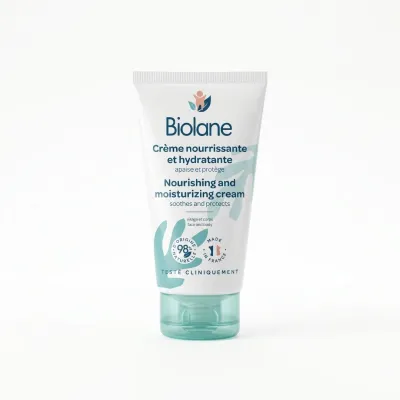
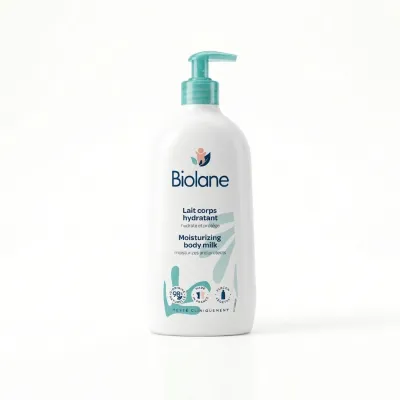
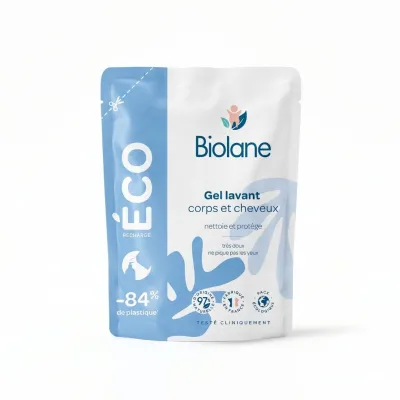
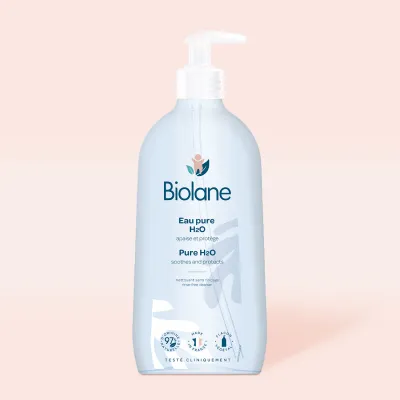
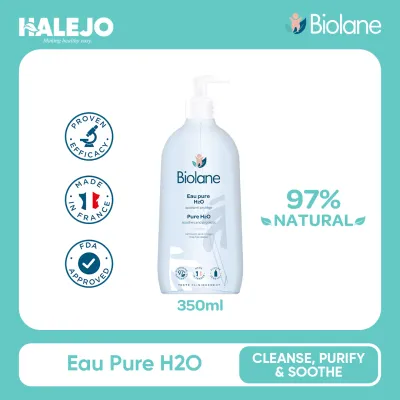
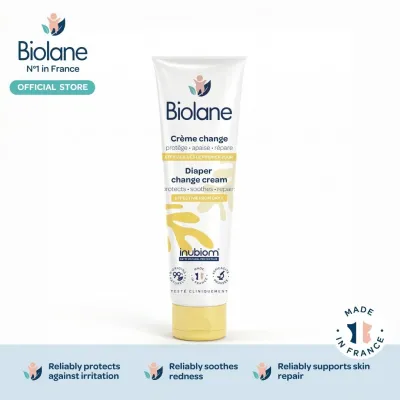
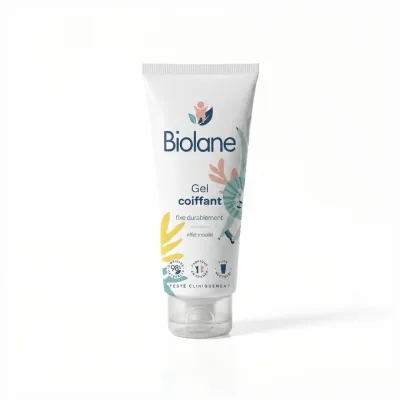
![Biolane Skin Freshening Fragrance 200ml – Alcohol-Free Citrus Floral Mist for Babys Daily Refresh [EXPIRY DATE 02/2028]](https://img.lazcdn.com/g/p/d16702dad629bdfdea90db6aa1451e24.jpg_400x400q80.jpg_.webp)
Prices are valid at publication and may change. Please refer to the product page for the latest price.
While daily skincare products are excellent for maintaining healthy skin, some conditions require immediate medical attention rather than over-the-counter solutions. If you observe signs of infection, such as oozing yellow crusts, extreme redness, swelling, warmth, or if your baby seems in pain or is constantly scratching, these are clear indicators of a deeper issue. Widespread rashes, persistent cradle cap that looks inflamed, or severe eczema flare-ups should always be evaluated by a pediatrician or a pediatric dermatologist. Using cosmetic or over-the-counter products on compromised skin without professional guidance can worsen the condition or delay proper treatment.
Matching Biolane Product Categories to Specific Skin Needs
Biolane’s product lineup is designed to address various aspects of infant hygiene and skin protection, categorized generally into daily cleansers, moisturizing oils, and sun protection. Each category serves a specific function in supporting the skin barrier, and choosing the right format depends entirely on your baby’s current skin condition. For instance, a lightweight lotion might be perfect for daily maintenance of normal skin, whereas a rich, lipid-replenishing oil is better suited for targeted dry areas.

When browsing these products, always check the manufacturer’s packaging for the stated age range and intended use. Many baby skincare products are formulated to be safe from birth, but certain specialized items, such as sunscreens or intensive treatments, may have specific age restrictions or usage guidelines. Verifying these details on the label ensures that you are applying a product that is developmentally appropriate for your baby’s skin.
It is important to match the product format to your baby’s specific skin concern rather than relying solely on brand reputation or general recommendations. A product that worked exceptionally well for another baby might not suit yours if their skin types differ. By focusing on the specific needs of your baby’s skin barrier—whether it requires gentle cleansing, deep lipid replenishment, or physical UV protection—you can make an informed decision that promotes long-term skin health.
Cleansing Options for Daily Baths
Daily baths are a fundamental part of baby care, especially in warm, tropical climates where sweat and dust accumulate quickly. When choosing a baby wash, look for key claims on the product label such as “soap-free,” “tear-free,” and “pH-balanced.” Soap-free cleansers are formulated with mild surfactants that effectively remove dirt and sweat without stripping away the natural oils that protect your baby’s delicate skin. A pH-balanced formula helps maintain the skin’s natural acidic mantle, which acts as a barrier against harmful bacteria and environmental irritants.
After bathing your baby, gently pat their skin dry with a soft, clean towel instead of rubbing, and observe how their skin reacts. If the skin looks flushed, feels tight, or develops dry, rough patches shortly after drying, the cleanser may be too harsh, or the bath routine itself may need adjustment. Healthy, well-cleansed skin should feel soft, supple, and comfortable to the touch without any immediate signs of irritation or dryness.
To support the effectiveness of your chosen cleanser, it is equally important to manage bath frequency and water temperature. While it may be tempting to bathe your baby multiple times a day to keep them cool in hot weather, excessive bathing can dry out their skin. Limit baths to once a day, and keep the water lukewarm rather than hot. Hot water rapidly depletes the skin’s natural moisture barrier, making even the gentlest cleanser less effective at maintaining hydration.
Hydration and Massage Oils for Dry Skin
Baby oils and leave-on moisturizers play distinct roles in managing dry skin and supporting the skin barrier. Skincare oils are highly effective at locking in moisture and are ideal for infant massage, which can help soothe your baby and promote better sleep. However, oils work differently than lotions; while lotions introduce water and hydrating agents into the skin, oils act as an occlusive barrier that prevents existing moisture from evaporating.
For the best results, apply baby oil to slightly damp skin immediately after a bath. This technique helps seal in the surface moisture before it has a chance to evaporate into the air. If you are using the oil for a relaxing massage, ensure your hands are clean and warm, and apply the oil using gentle, rhythmic strokes. Always refer to the specific product instructions on the packaging to determine if the oil is designed to be left on the skin or if any excess should be gently wiped away with a soft cloth.
It is crucial to avoid applying oils, heavy creams, or any leave-on moisturizers to broken skin, weeping eczema, or active rashes. Applying occlusive products over compromised skin can trap heat, sweat, and bacteria, potentially leading to secondary infections or worsening inflammation. If your baby has an active rash or open skin, keep the area clean and dry, and consult your pediatrician before applying any moisturizing products.
Sun Protection for Outdoor Exposure
Protecting your baby’s skin from ultraviolet (UV) radiation is a critical aspect of outdoor care, particularly in regions with high sun exposure. Before purchasing or applying any baby sunscreen, verify the minimum age requirement stated on the product label. Pediatric guidelines generally recommend keeping infants under six months of age out of direct sunlight entirely, as their skin is too thin to process sunscreen ingredients safely. For babies in this age group, physical shade and protective clothing are the primary means of sun defense.
For babies older than six months, look for sunscreens that utilize physical or mineral filters, such as zinc oxide or titanium dioxide. These ingredients sit on top of the skin’s surface and physically reflect UV rays away from the body, making them less likely to cause irritation compared to chemical filters that absorb UV light. Additionally, if you plan to spend time near water or if your baby is active and sweating, check the packaging for water-resistance ratings and follow the instructions for reapplication intervals closely.
Remember that sunscreen should always be used in combination with other physical sun barriers. Dress your baby in lightweight, tightly woven clothing that covers their arms and legs, and use a wide-brimmed hat to shade their face, ears, and neck. Utilize stroller canopies, umbrellas, or natural shade whenever you are outdoors, and try to limit outdoor activities during peak sun hours, typically between 10:00 AM and 4:00 PM, when UV rays are strongest.
Verifying Product Suitability and Safety Before Use
Before introducing any new skincare product to your baby’s daily routine, it is essential to perform a thorough safety check. Start by reading the ingredient list on the back of the packaging. Look for potential allergens, artificial fragrances, parabens, or alcohol, which can dry out or irritate sensitive baby skin. Familiarizing yourself with these ingredients helps you identify any components that your baby may have reacted to in the past.
Performing a standard patch test is a highly effective way to verify compatibility before applying a product to larger areas of your baby’s body. To conduct a patch test, apply a small, pea-sized amount of the product to a clean, discreet area of skin, such as the inner forearm or behind the ear. Observe the area closely over the next 24 to 48 hours for any signs of reaction, including redness, swelling, tiny bumps, or itching. If no reaction occurs, the product is generally safe to integrate into your baby’s routine.
Additionally, always inspect the physical condition of the product packaging before use. Check that the safety seal is intact, the bottle or tube is not damaged or leaking, and the expiration date is clearly legible. Using expired skincare products can be risky, as the active ingredients and preservatives can degrade over time, potentially leading to bacterial contamination or skin irritation. If a product has changed in color, consistency, or scent, discontinue use immediately, even if it has not reached its expiration date.
When to Discontinue Use and Seek Professional Advice
Even when using gentle, high-quality baby skincare products, individual sensitivities can still occur. It is important to monitor your baby’s skin closely whenever you introduce a new product or change their routine. If you notice any immediate or gradual signs of an adverse reaction—such as sudden redness, swelling, hives, dry patches that worsen, or if your baby becomes unusually fussy and scratches at their skin—stop using the product immediately and wash the area with lukewarm water.
Sometimes, mild skin issues like dry patches or cradle cap may persist despite consistent, gentle care. If you have been using a product as directed for a week or two and see no improvement, or if the skin condition appears to be spreading or worsening, do not continue to apply more product in hopes of a better result. Over-treating compromised skin can lead to further irritation and delay proper healing.
In these situations, consulting a pediatrician or a pediatric dermatologist is the safest course of action. A healthcare professional can accurately diagnose the underlying cause of your baby’s skin issues and recommend targeted medical treatments or specialized therapeutic skincare regimens. They can also help you identify specific triggers to avoid, ensuring your baby’s skin remains healthy, comfortable, and well-protected.
Frequently Asked Questions (FAQ)
Can I mix different Biolane products during a single bath routine?
It is highly recommended to follow the manufacturer’s suggested sequence for cleansing and moisturizing rather than mixing different products together. Use cleansers first to wash your baby’s skin, rinse them off thoroughly with lukewarm water, and then apply leave-on products like oils or lotions after patting the skin dry. Avoid mixing different products in the same container or diluting them with water, as this can alter the chemical formulation, compromise the preservative system, and reduce the overall safety and effectiveness of the products.
How long should I wait to see if a new skincare product works for my baby?
When introducing a new skincare product, you should monitor your baby’s skin for any immediate adverse reactions, such as redness, swelling, or hives, within the first 24 to 48 hours. If no negative reactions occur, allow at least one to two weeks of consistent daily use to evaluate the product’s positive effects, such as improved hydration, smoother skin texture, or reduced flakiness. If your baby’s skin condition does not improve after this period, or if any signs of irritation develop at any point, discontinue use and consult a healthcare professional.
Community discussion
Share your experience or ask a question. Comments are reviewed before publication.