
Setting up a nursery is one of the most exciting milestones of preparing for a new baby, yet walking into a baby store or browsing online marketplaces can quickly feel overwhelming. A complete baby furniture set provides the structural foundation of your newborn’s room, transforming an empty space into a safe, organized, and functional sanctuary. For parents in the Philippines, planning this space requires a thoughtful balance of safety, comfort, and climate-conscious choices. High humidity, tropical temperatures, and varying home layouts—from compact city condominiums to spacious suburban houses—all influence which furniture pieces will serve your family best.
Instead of purchasing every decorative item available, focusing on a core selection of high-quality, essential furniture pieces ensures your budget is spent wisely. A functional newborn room does not require endless gadgets; rather, it relies on a few well-designed items that work together to streamline daily caregiving routines. By understanding what a complete set should include and how to evaluate each piece, you can create a space that keeps your baby safe while making late-night feedings and diaper changes as seamless as possible.
The primary goal of a baby furniture set is to support the three main activities of early infancy: sleeping, diapering, and feeding. When these three functions are anchored by reliable, ergonomically sound furniture, the entire room becomes easier to navigate. Investing in pieces that adapt as your child grows also ensures that your nursery remains functional well beyond the newborn stage, providing excellent long-term value.
Products mentioned in this guide
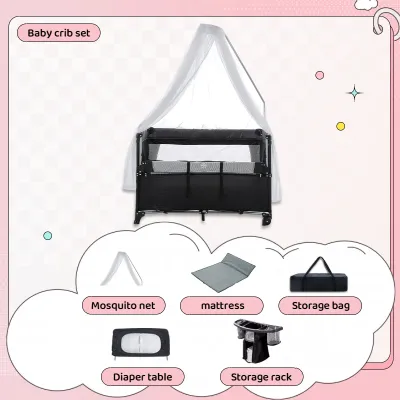
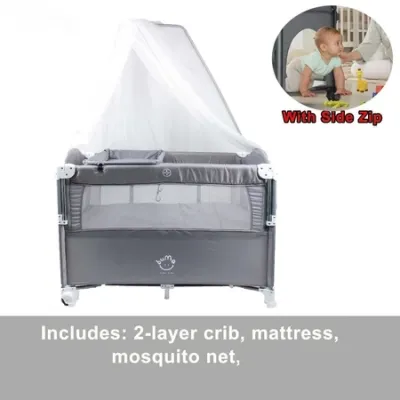
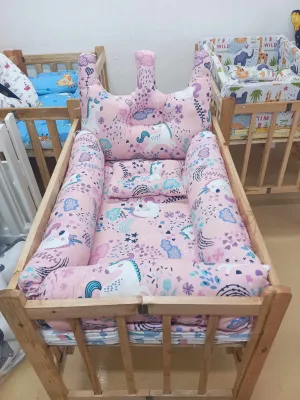

Prices are valid at publication and may change. Please refer to the product page for the latest price.
Identifying the Core Components of a Baby Furniture Set
A complete baby furniture set is built around a primary trio of nursery furniture: the crib, the changing station, and caregiver seating. Each of these pieces serves a distinct, indispensable purpose in your daily routine. The crib provides a dedicated, secure environment for independent sleep, which is crucial for your baby’s development and safety. The changing station, whether a dedicated table or a dresser combination, serves as the central hub for diaper changes, dressing, and daily hygiene tasks. Finally, caregiver seating, such as a glider or rocker, offers a comfortable spot for feeding, soothing, and bonding during the day and night.
These specific pieces are designed to support the physical demands of caregiving. During the first few months, you will lift, carry, soothe, and change your baby dozens of times a day. Without properly designed furniture, these repetitive movements can quickly lead to physical strain, particularly in the lower back, shoulders, and neck. A changing table at the correct height prevents constant bending, while a supportive chair reduces fatigue during long feeding sessions, allowing you to focus entirely on your baby’s comfort.
When planning your nursery, you will face the choice between purchasing a pre-bundled baby furniture set or selecting individual pieces. Pre-bundled sets are highly popular because they offer immediate visual cohesion. The wood finishes, paint colors, and design details match perfectly, creating a polished look with minimal effort. Bundled sets can also be highly cost-effective, as retailers often offer a package discount compared to buying each item separately, potentially saving you thousands of pesos (₱) on the total cost. This convenience is especially valuable for busy parents who want to complete their nursery shopping in a single transaction.
However, selecting individual pieces offers greater flexibility, which is often necessary for unique or smaller room layouts. If you are working with a compact bedroom or a shared nursery space, a standard three-piece set might feel too bulky or fail to fit the room’s dimensions. Mixing and matching individual items allows you to customize the size, style, and functionality of each piece to suit your specific home. For instance, you might pair a compact convertible crib with a larger, independent dresser that fits perfectly into an alcove, ensuring that every square meter of your space is utilized efficiently.
Evaluating the Crib for Safety and Longevity
The crib is the undisputed centerpiece of the nursery and the only place where your baby will be left unattended for sleep. Consequently, verifying its safety features and structural integrity is your highest priority. When evaluating crib options, start by checking the manufacturer’s specifications for slat spacing. To prevent a baby’s head or limbs from becoming trapped, the distance between the slats must be no more than 6 centimeters (approximately 2.3 inches). Ensure that all slats are securely fastened and show no signs of splitting or warping.

Mattress fit is another critical safety dimension that requires careful verification. The mattress must fit snugly within the crib frame, leaving no gaps along the sides or corners. A simple way to test this is the “two-finger rule”: if you can fit more than two fingers between the edge of the mattress and the crib frame, the mattress is too small, posing a dangerous entrapment hazard. Additionally, check the manufacturer’s specified weight limits for both the crib and the mattress support platform to ensure they can safely accommodate your growing child.
To maximize your investment, look for convertible crib designs that offer adjustable mattress heights and long-term adaptability. Most quality cribs feature three or four mattress height positions. For a newborn, the mattress is set to the highest level, allowing you to lay your baby down gently without straining your back. As your baby learns to sit up, crawl, and eventually stand, you must lower the mattress to prevent them from climbing or falling out. A convertible crib can later transition into a toddler bed, a daybed, or even a full-sized headboard and footboard, extending its usability for several years.
Before assembling your chosen crib, perform a thorough check of its materials and finishes. In the warm, humid climate of the Philippines, furniture materials must be resilient and safe. Ensure the crib is finished with non-toxic, lead-free, and water-based paints or stains that comply with international safety standards. Avoid drop-side cribs entirely, as their moving parts pose severe safety risks and have been widely banned. Once assembled, shake the crib gently; it should feel completely stable and rigid, with no wobbling, squeaking, or loose joints that could compromise your baby’s safety.
Selecting a Changing Table and Storage Solutions
A well-designed diapering station is essential for maintaining order and hygiene in the nursery. When selecting a changing table, safety must be your primary focus. Look for units that feature sturdy safety rails on all four sides to prevent the baby from rolling off. The changing surface should also include secure strap anchors to hold a contoured changing pad firmly in place. Additionally, because changing tables can become top-heavy when in use, ensure the unit comes with robust anti-tip hardware so you can secure it firmly to the wall.
You will need to decide between a dedicated changing table and a dresser-topper combination. A dedicated changing table often features open shelving underneath, providing quick, visual access to baskets of diapers, wipes, and blankets. This open design is lightweight and easy to move if you decide to rearrange the room. However, a dresser-topper combination offers exceptional space efficiency and longevity. By placing a secure, removable changing topper on top of a standard chest of drawers, you create a functional diapering station that easily transitions into a standard dresser once your child outgrows diapers.
Efficient storage layout planning is vital for keeping daily essentials organized and safe. When changing a diaper, you must keep one hand on your baby at all times to prevent falls. This means your storage must be arranged so that diapers, wipes, rash creams, and clean clothes are within your immediate arm’s reach, yet completely out of your baby’s reach. Utilizing top drawers or open shelves directly adjacent to the changing surface allows you to retrieve items smoothly without turning your back or letting go of your child.
In tropical environments, storage solutions must also protect clothing and linens from humidity and dust. Closed dresser drawers are highly effective at keeping baby garments clean and dry. Consider using fabric drawer organizers to categorize tiny items like onesies, socks, mittens, and swaddles, which can easily get lost in deep drawers. Keeping these items organized saves valuable time during hectic diaper changes and helps you keep track of what clothing sizes your baby is currently wearing.
Choosing a Baby Chair or Glider for Feeding and Soothing
A comfortable, supportive chair is an absolute necessity for the nursery, as you will spend countless hours here feeding, burping, and rocking your newborn. When evaluating seating options, prioritize ergonomic support for your own body. Look for a chair that offers excellent lumbar support to relieve lower back pressure, as well as padded armrests at a comfortable height to support your arms while holding or nursing your baby. A high backrest or headrest is also beneficial, allowing you to rest your head during late-night or early-morning feeding sessions.
Fabric selection is another crucial factor, as spills, spit-up, and diaper leaks are common occurrences in any nursery. Review the manufacturer’s care labels and choose fabrics that are highly durable, stain-resistant, and easy to spot-clean. In the Philippines, where high humidity and warm temperatures are common, breathable fabrics are highly recommended. Heavy, heat-retaining materials like thick velvet or synthetic microfibers can quickly become uncomfortable. Instead, opt for breathable cotton blends, performance linen, or high-quality faux leather that can be wiped clean with a damp cloth.
Before finalizing your purchase, carefully consider the physical footprint of the chair and the clearance required for its movement. Gliders, rockers, and recliners require extra space to function properly without hitting walls or other furniture. Measure your nursery layout to ensure there is ample clearance behind the chair for reclining and in front of it for rocking or extending a footrest. The chair’s mechanism should operate smoothly and silently; any loud squeaks or sudden movements can easily startle a sleeping baby or disrupt a peaceful feeding session.
Planning Nursery Space and Verifying Material Safety
Creating a safe nursery layout involves more than just choosing the right furniture; it requires strategic spatial planning to eliminate potential hazards. When mapping out the room, position the crib far away from windows. This protects your baby from direct sunlight, drafts, and the extreme danger of window blind cords, curtains, or screens, which can pose strangulation or fall risks. Additionally, ensure the crib is placed well away from electrical outlets, baby monitor cords, wall-mounted shelves, heavy picture frames, and air conditioning units.
Upon delivery of your baby furniture, conduct a meticulous inspection of every component before beginning the assembly process. Examine the wood panels, metal frames, and hardware for structural integrity. Check for any splinters, rough edges, cracked wood, or peeling paint that could harm your baby’s sensitive skin. Ensure that all necessary hardware, including screws, bolts, and brackets, is present and matches the manufacturer’s parts list. If you discover any damaged or missing parts, contact the retailer immediately and delay assembly until you have the correct, undamaged components.
Finally, carefully review the manufacturer’s warnings and care instructions to maintain the safety and longevity of your furniture. In humid climates, wood furniture requires proper care to prevent mold growth and warping. Avoid placing furniture in direct contact with damp walls, and ensure the nursery has adequate air circulation. Clean the furniture using only the recommended methods—usually a dry or slightly damp microfiber cloth—and avoid harsh chemical cleaners that could degrade the non-toxic finishes. Allowing the assembled furniture to sit in a well-ventilated room for several days before your baby’s arrival helps any manufacturing odors dissipate, ensuring a clean, safe environment for your newborn.
Frequently Asked Questions (FAQ)
Is it better to buy a bundled baby furniture set or individual pieces?
Purchasing a bundled baby furniture set is highly beneficial if you prioritize design consistency, convenience, and cost savings. Bundles ensure that all pieces match perfectly in style and finish, and they often come with package discounts that make them more economical than buying items individually. However, buying individual pieces is the better choice if you have a small or uniquely shaped nursery. Mixing and matching allows you to select specific dimensions that fit your floor plan perfectly, giving you the flexibility to customize your storage and seating to match your home’s exact needs.
When should I start setting up the baby furniture in the nursery?
It is highly recommended to start setting up your baby furniture during the second trimester or early third trimester, ideally between 28 and 32 weeks of pregnancy. This timeline ensures that you have ample time to handle shipping delays, inspect delivered items, and complete the assembly without the physical strain of late-pregnancy fatigue. Setting up the furniture early also allows several weeks for the room to be thoroughly ventilated, ensuring that any new-furniture odors or paint fumes have completely dissipated before your newborn arrives home.

Community discussion
Share your experience or ask a question. Comments are reviewed before publication.