
Setting up a nursery in the Philippines requires balancing space, safety, and long-term utility. Buying a coordinated nursery furniture set that bundles a baby crib and a changing table is one of the most efficient ways to establish a functional room. It ensures that the two most critical pieces of furniture match in design, height, and material quality, while often offering a more predictable footprint than sourcing items individually. However, finding the right set involves evaluating how these pieces fit into your specific home layout, withstand tropical humidity, and meet international safety standards.
A matching set simplifies decision-making by eliminating the need to coordinate wood stains, paint finishes, and structural styles across different brands. By selecting a bundle, you can focus your energy on preparing other essentials, knowing that the core sleep and changing zones of your nursery are fully compatible and visually cohesive.
Defining Your Nursery Layout and Space Requirements
Before browsing online marketplaces or visiting local showrooms, you must obtain precise measurements of your designated nursery space. Use a reliable metal tape measure to record the length, width, and height of the room. It is essential to map out these dimensions, noting the locations of all windows, electrical outlets, light switches, and air conditioning units.
Products mentioned in this guide
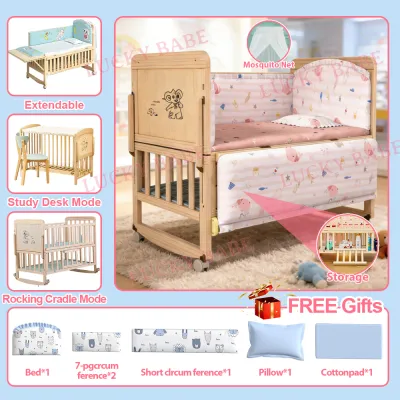
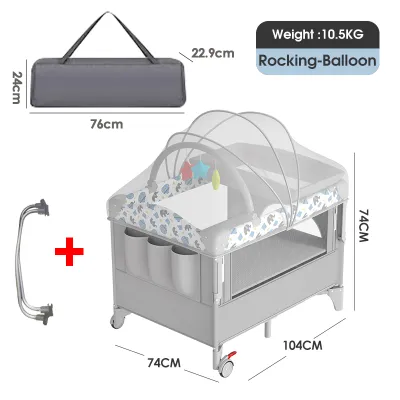
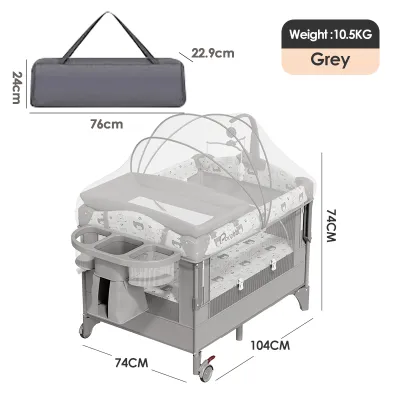
Prices are valid at publication and may change. Please refer to the product page for the latest price.
When planning the layout, you must account for the clearance required by doors and drawers. Measure the swing radius of the entry door, closet doors, and any existing furniture drawers to ensure they can open fully without colliding with the new crib or changing table. Leaving a walking clearance of at least 60 to 90 centimeters between major furniture pieces is highly recommended to allow caregivers to move freely and safely, especially during late-night feedings or diaper changes.
The placement of the crib requires careful consideration of environmental hazards. Position the crib far away from windows to prevent the baby from reaching window blinds, curtain cords, or window screens, which can pose strangulation or fall risks. In tropical climates, you must also ensure the crib is not placed directly beneath an air conditioning unit or a wall-mounted fan, as direct drafts can disrupt the baby’s sleep, and loose fixtures pose a structural hazard.
Deciding between a combined multi-in-one unit and separate freestanding pieces depends heavily on your room’s dimensions. A combined crib with an attached changing table at one end is an excellent space-saving solution for compact bedrooms or shared master bedrooms. If you have a more spacious nursery, opting for separate freestanding pieces allows for greater layout flexibility, enabling you to place the changing table closer to a bathroom or diaper disposal bin while keeping the crib in a quiet, low-traffic corner of the room.
Evaluating Crib and Changing Table Configurations
Nursery furniture sets come in several structural configurations, each offering distinct advantages for daily caregiving routines. The most common design is the attached changing table, where the changing surface is built directly onto one side or the foot of the crib frame. This setup minimizes the overall footprint of the furniture, making it highly suitable for smaller homes or apartments where floor space is limited.

However, attached configurations have limitations that you should consider before purchasing. The changing surface on an attached unit is often slightly smaller than a standard standalone changing table, which may limit the size of the changing pad you can use. Additionally, because the two pieces are physically joined, you cannot rearrange them independently if you decide to reconfigure the room layout in the future.
An alternative configuration is a detached set that pairs a standalone crib with a matching dresser featuring a removable changing topper. This setup offers exceptional long-term utility because the dresser can continue to be used as standard bedroom furniture long after your child has outgrown diapers. When the diapering stage ends, you simply unscrew the changing topper from the back of the dresser, leaving a clean, flat surface with no visible screw holes or damage.
When evaluating any changing surface, you must verify its depth and weight capacity to ensure it can safely accommodate standard changing pads. Most high-quality changing tables are designed to fit a standard pad measuring approximately 40 to 43 centimeters wide and 80 to 86 centimeters long. Check the manufacturer’s specifications to ensure the changing area has a weight limit of at least 11 to 15 kilograms, which safely covers the weight of an average toddler.
Storage accessibility is another critical factor to assess when comparing different furniture sets. During a diaper change, safety guidelines dictate that you must keep one hand on your baby at all times to prevent falls. Therefore, any shelves, drawers, or cubbies on the changing table must be easily reachable with your single free hand. Open shelving units allow for quick, unobstructed access to diapers, wipes, and creams, whereas drawers keep items neatly tucked away and protected from dust but require smooth-gliding hardware to open effortlessly with one hand.
Finally, consider the convertible features of the crib itself to maximize your investment. Many modern cribs are designed as 3-in-1 or 4-in-1 systems that transition from a standard infant crib to a toddler bed, a daybed, and eventually a full-sized bed headboard. Investing in a convertible set ensures that the furniture grows alongside your child, saving you the expense of purchasing entirely new bedroom sets as they transition through different developmental stages.
Safety Standards and Material Checks to Verify Before Buying
Safety must be your absolute priority when selecting nursery furniture. Because the baby product market includes a wide variety of imported and locally manufactured items, you must actively verify that any set you consider complies with international safety standards. Do not rely solely on marketing claims; instead, look for specific certifications on the product packaging, user manuals, or official manufacturer specifications.
Begin by inspecting the spacing of the crib slats to prevent dangerous entrapment hazards. The distance between individual slats must be no more than 6 centimeters, which is roughly the width of a standard soda can. If the slats are spaced too far apart, there is a risk that a baby’s limbs or head could become wedged between them, leading to serious injury.
Ensure that the crib features a completely fixed-side design. Drop-side cribs, which allow one side of the crib to slide down for easier access to the baby, have been widely banned by international safety organizations due to numerous hardware failures that created dangerous gaps. A safe, modern crib must have solid, immovable sides on all four walls, relying instead on adjustable mattress heights to make reaching your newborn easier.
The fit of the crib mattress is another critical safety check that you must perform once the furniture is assembled. There should be no significant gaps between the edge of the mattress and the inner walls of the crib frame. You can verify this by performing the simple two-finger test: if you can fit more than two fingers between the mattress and the crib side, the mattress is too small for the crib, creating a dangerous gap where a baby could become trapped or suffocate.
In the humid climate of the Philippines, material selection and finishes require extra scrutiny to prevent health hazards. High humidity can cause low-quality engineered woods, such as cheap particleboard, to swell, warp, and degrade over time, potentially releasing harmful chemical fumes. Look for nursery sets constructed from solid hardwoods like sustainably sourced pine, rubberwood, or high-grade, moisture-resistant medium-density fiberboard (MDF).
Furthermore, verify that all paints, stains, and varnishes used on the furniture are certified non-toxic, lead-free, and phthalate-free. Babies frequently chew on crib rails when teething, making safe finishes absolutely essential. Look for certifications such as Greenguard Gold or compliance with EN71-3 (European safety standards for toy and nursery product finishes) to ensure the furniture does not emit harmful volatile organic compounds (VOCs) into your baby’s sleeping environment.
For the changing table, safety features must include robust physical barriers and secure restraint systems. The changing surface should have raised safety rails on all four sides, or at least three sides if the unit is designed to sit flush against a wall. Additionally, the changing table must feature a built-in safety strap with a reliable buckle to help secure the baby during changes, though you must remember that a strap is never a substitute for active parental supervision.
Building Your Shortlist: Budget, Warranty, and Retailer Checks
Once you understand your space constraints, preferred configurations, and safety requirements, you can begin building a shortlist of potential furniture sets. Establishing a realistic budget is the first step in this process. In the Philippines, nursery furniture sets can range from budget-friendly local wood fabrications starting around ₱10,000 to premium imported designer sets that can exceed ₱35,000.
When planning your budget, remember to account for essential accessories that are rarely included in the base price of the furniture set. You will need to purchase a firm, high-quality crib mattress, waterproof mattress protectors, fitted crib sheets, a contoured changing pad, and multiple washable changing pad covers. Factoring these additional costs into your initial budget prevents unexpected expenses later on.
Before finalizing any purchase, carefully review the retailer’s warranty terms and return policies. A reputable furniture manufacturer should offer a warranty that covers structural defects, joint failures, and hardware malfunctions for at least one to two years. Because wooden furniture can occasionally sustain damage or lose hardware during transit, ensure the retailer has a clear, hassle-free return or replacement policy for items that arrive damaged or incomplete.
Cross-referencing user reviews on local e-commerce platforms and social media groups is an invaluable way to gauge the real-world quality of a furniture set. Look for recurring feedback regarding the ease of assembly, the clarity of the instruction manual, and the overall stability of the furniture once built. Be cautious of sets that have multiple complaints about soft wood that dents easily, misaligned pre-drilled holes, or strong chemical odors that persist for weeks after unboxing.
Finally, confirm the delivery options, shipping fees, and lead times with the retailer. Large nursery furniture sets are heavy and bulky, often requiring specialized delivery services. If you live in a high-rise condominium or a provincial area, verify that the delivery service can transport the boxes directly to your door. Because shipping times can vary significantly, especially for imported items, it is wise to order your nursery set at least two to three months before your baby’s due date to allow ample time for delivery, assembly, and airing out the furniture.
Frequently Asked Questions (FAQ)
Is it better to buy a matching nursery set or separate pieces?
Buying a matching nursery furniture set is generally highly beneficial if you prioritize design consistency, convenience, and cost savings. Bundled sets are typically priced lower than purchasing the crib and changing table individually from the same manufacturer, and they guarantee that the wood stains and paint finishes match perfectly. This approach also saves significant time, as you only need to coordinate delivery and assembly for a single order.
On the other hand, purchasing separate pieces offers greater flexibility if you have a highly irregular room layout or a limited initial budget. Buying separate items allows you to stagger your purchases, perhaps buying the crib first and waiting to purchase a changing solution later. It also allows you to mix and match different styles, such as pairing a vintage-style crib with a modern, minimalist dresser, to create a more customized, eclectic nursery design.
Can I use a regular dresser as a changing table?
Yes, you can safely use a standard household dresser as a changing table, provided you take several essential safety precautions. The dresser must be at a comfortable working height for diaper changes, typically between 85 and 105 centimeters, and it must be wide and deep enough to accommodate a standard changing pad securely. The surface must be completely flat, and the dresser itself must be highly stable and sturdy.
To make a regular dresser safe for diapering, you must securely attach a contoured changing pad to the top surface using the pad’s safety straps and screws, or use a secure wooden changing topper designed for dressers. Most importantly, you must install a heavy-duty anti-tip wall anchor to secure the dresser to the wall. Babies can easily pull open drawers or lean on them, which can cause an unanchored dresser to tip forward, posing a severe crushing hazard.
What type of mattress is required for a standard crib?
A standard baby crib requires a mattress that is exceptionally firm, flat, and specifically sized to fit the crib frame with no significant gaps. Unlike adult mattresses, which prioritize plush comfort, a baby’s mattress must be firm to support their developing spine and reduce the risk of suffocation or Sudden Infant Death Syndrome (SIDS). When you press down on the mattress, it should snap back immediately and not conform to the shape of your hand.
Always verify the dimensions of both the crib and the mattress before purchasing to ensure a perfect fit. Perform the two-finger gap test along all sides of the mattress once it is placed inside the crib. Additionally, look for mattresses that feature a waterproof, easy-to-clean cover or pair the mattress with a high-quality, breathable waterproof protector to safeguard the core from diaper leaks, spit-up, and humidity-induced mold.
Community discussion
Share your experience or ask a question. Comments are reviewed before publication.