
Finding the correct diaper pad for baby care routines starts with matching the pad to your specific changing table. Rather than relying on assumed standard sizes, the safest approach is to measure your furniture’s usable surface, check the manufacturer’s specified limits, and select a pad shape that aligns with the table’s edges and strap placements.
In the Philippines, where nursery setups range from compact wooden dressers to imported multi-functional changing stations, taking precise measurements is essential. High tropical humidity can also affect how materials sit and wear over time, making a secure, well-ventilated, and flush fit even more critical. This guide walks you through the exact steps to ensure a secure, gap-free fit for your nursery, helping you create a safe and comfortable space for daily diaper changes.
Why an Exact Fit Matters for Changing Table Safety
Using an ill-fitting diaper pad poses several safety and practical risks that can compromise your baby’s security during changes. If a diaper pad is too large for the changing table, it can overhang the edges. This overhang creates an unstable, tilting surface that can easily slip or slide when your baby wiggles or rolls. Even a minor shift can startle a baby or, in worse cases, cause the pad to slide off the table entirely.
Products mentioned in this guide
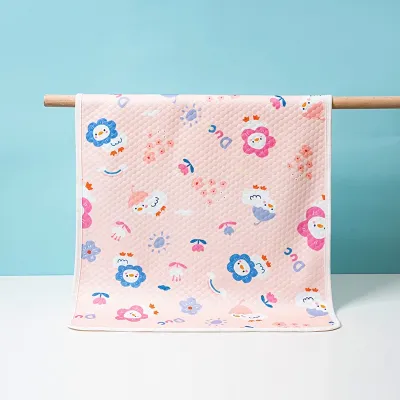
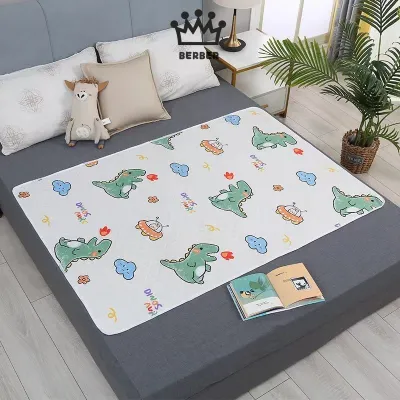
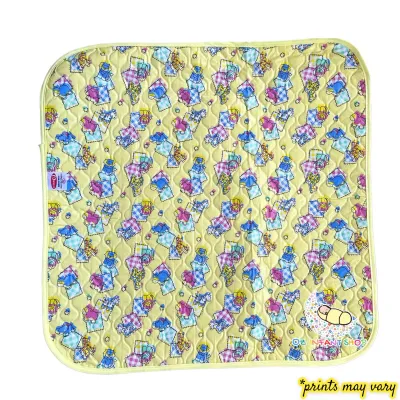
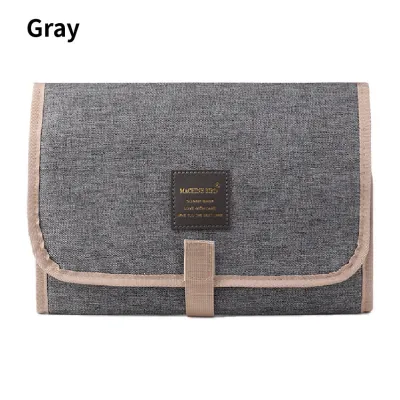
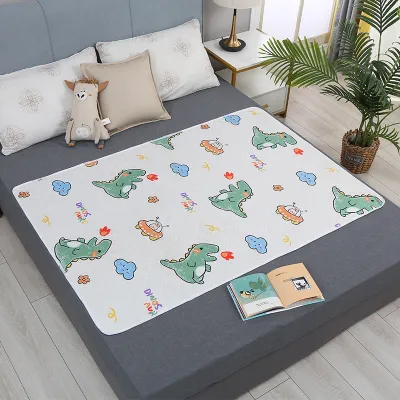


Prices are valid at publication and may change. Please refer to the product page for the latest price.
Conversely, a diaper pad that is too small leaves dangerous gaps between the pad and the raised safety rails of the table. These gaps can trap a baby’s active hands, feet, or limbs, leading to painful pinches or entrapment. Furthermore, an undersized pad is prone to sliding around during use, making it difficult to maintain a stable grip while cleaning your baby.
To prevent these hazards, always prioritize the changing table manufacturer’s specific size and weight recommendations. Changing tables are engineered with specific centers of gravity and structural limits. Using a pad that exceeds these dimensions or fails to align with the designated safety boundaries can compromise the structural integrity of the entire changing station.
How to Measure Your Changing Table for a Perfect Fit
Measuring your changing table is a straightforward process that requires a standard measuring tape and a few minutes of close attention. To begin, measure the inner usable length and width of the changing surface. It is crucial to exclude any raised safety rails, wooden lips, or decorative contoured frames from this measurement. You only want to measure the flat, recessed area where the diaper pad will actually lie flat.

Next, evaluate the depth and surface shape of the changing area. Some tables feature a deep, recessed well, while others are completely flat with shallow safety borders. Knowing these dimensions helps you determine whether you need a flat pad or a contoured pad. A pad that is too thick for a shallow table may elevate the baby too close to the top of the safety rails, reducing their effectiveness.
You must also locate and measure the distance between any pre-drilled strap holes or anchor points on the furniture. Many changing tables include slots designed for safety straps to pass through and anchor directly to the wooden frame. Measuring the distance between these slots ensures that the straps on your chosen diaper pad will align perfectly without being bent, twisted, or rendered useless.
Finally, always consult the furniture’s user manual or the manufacturer’s safety label. This label is often located on the underside of the table or on the back panel. It provides the official maximum pad dimensions and weight limits recommended for safe operation. Keep these specifications on hand when browsing online marketplaces or local baby boutiques to avoid purchasing an incompatible model.
Evaluating Pad Shapes and Manufacturer Specifications
When shopping for a diaper pad for baby, you will encounter various shapes, primarily flat and contoured designs. Flat pads are highly versatile and work well on wide, flat dresser tops, but they rely entirely on the table’s outer barriers to keep the baby centered. Contoured pads feature raised sides—either two-sided or four-sided—that cradle the baby gently. However, these contoured edges require a precise fit within the table’s boundaries; if the pad is too wide, the contoured sides will compress and buckle, creating an uneven and unsafe surface.
Relying on generic size labels like “standard” or “universal” is a common pitfall. There is no single universal standard for baby furniture. Imported changing tables may use metric measurements, while locally crafted wooden dressers often follow custom dimensions. Always verify the exact physical measurements listed on the pad’s product label rather than trusting a generic category name.
Carefully check the pad’s product label for dimensions, strap compatibility, and age or weight limits. Ensure that the pad’s safety straps are designed to route properly through or around your changing table’s specific frame. If the straps cannot be securely anchored to the furniture, the pad can easily slide during a diaper change, defeating the purpose of the safety harness.
Step-by-Step Fit and Safety Check Before Every Use
Once you have selected and placed your diaper pad, perform a quick visual and physical inspection before placing your baby on it. Start by checking for any overhang or gaps. The pad should lie completely flat and flush against the changing table surface, with no curling at the corners or bunching along the sides.
Next, test the stability of the pad by applying firm downward and lateral pressure with your hands. Try to slide the pad from side to side and front to back. A properly fitted pad should remain firmly in place and not shift or slide across the wood. If the pad moves easily, recheck the safety straps or consider adding a non-slip grip mat underneath, provided it is approved by the manufacturer.
Verify that the safety strap is securely anchored to the changing table frame and functions smoothly. The strap should buckle easily and adjust to hold your baby securely without being too tight or restricting their breathing.
If you notice the pad shifting, buckling, or failing to sit flush at any point, stop using it immediately. In the warm, humid climate of the Philippines, materials can warp or soften over time. Regularly inspect both the wooden table and the pad’s core to ensure they remain structurally sound and dry.
Sizing for Small Spaces and Multi-Function Furniture
In many Filipino homes, space is at a premium, leading parents to choose compact nurseries, fold-down changing units, or multi-functional dresser-top changing stations. When dealing with fold-down or wall-mounted changing tables, you must measure the usable surface when the unit is fully deployed. These space-saving units often have very strict depth and thickness limits to ensure they can fold back up and latch securely.
Always check the weight capacities and dimension limits for portable or multi-purpose furniture setups. If you are converting the top of a standard bedroom dresser into a changing station, ensure the dresser is deep enough to support the entire length of the diaper pad without any front or back overhang.
Additionally, ensure there is adequate clearance around the changing area. You need enough physical space to stand comfortably, reach for wipes and diapers, and move freely without bumping into the table or accidentally pulling the diaper pad out of alignment.
Frequently Asked Questions (FAQ)
Can I use a standard pad on a custom-built changing table?
Custom-built furniture is highly popular in the Philippines, often crafted from beautiful local hardwoods to fit specific nursery layouts. If you have a custom changing table, you must measure the inner surface carefully and check for strap anchor points. Custom tables often do not conform to standard retail dimensions, meaning they may require specific flat pads or custom-cut foam solutions to avoid leaving dangerous gaps along the edges.
What should I do if the diaper pad is slightly smaller than the table surface?
An undersized diaper pad can easily slide around, creating gaps where a baby’s fingers, toes, or limbs can get pinched or trapped. Do not attempt to fill these gaps with makeshift solutions like rolled-up towels, blankets, or extra foam inserts, as these can easily shift and create suffocation or tripping hazards. Instead, search for a pad that matches the manufacturer’s specified dimensions to ensure a secure, flush fit.

Community discussion
Share your experience or ask a question. Comments are reviewed before publication.