
Selecting a crib with a foam set is one of the most critical decisions you will make when preparing your baby’s nursery. Because infants spend the majority of their first year asleep, their developing respiratory systems and bodies are highly sensitive to their immediate environment. A safe sleep space requires a mattress that is exceptionally firm, structurally sound, and free from harmful chemical emissions. To make an informed purchase, you must look beyond attractive designs and marketing slogans. Evaluating a crib foam set involves analyzing physical material properties, verifying official safety certifications, and conducting hands-on inspections. By understanding exactly what to look for on product labels and how to test the foam yourself, you can establish a secure, healthy, and comfortable sleeping environment for your little one.
Understanding Material Safety for Crib Foam Sets
The physical composition of a crib foam set directly influences both your baby’s physical safety and their long-term health. Unlike adult mattresses, which prioritize plush comfort, infant foam mattresses must prioritize structural support. Understanding the balance between density, breathability, and chemical composition is the first step in selecting a safe product.
Foam density and firmness are the primary defenses against sleep-related hazards. When a baby sleeps, a soft surface can conform to their face, blocking their airway if they roll onto their stomach. High-density foam provides a rigid, flat surface that keeps the infant’s spine aligned and prevents their head from sinking. When reviewing product specifications, look for high-density polyurethane foam or specialized elastomeric polymers designed specifically for nursery use.
Products mentioned in this guide
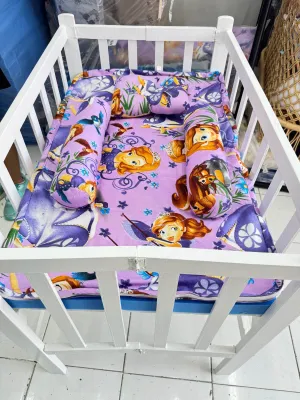
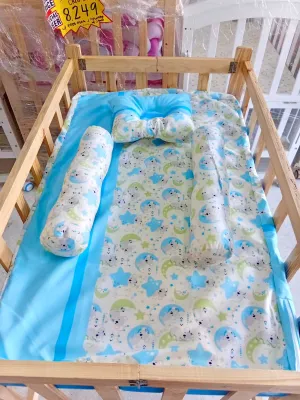
Prices are valid at publication and may change. Please refer to the product page for the latest price.
In tropical climates like the Philippines, breathability is another critical factor to evaluate. High heat and humidity can cause heat retention within synthetic foam, leading to infant discomfort, night sweats, and an increased risk of overheating. To mitigate this, check the manufacturer’s specifications for open-cell foam technology or integrated airflow channels. These design features allow warm air to escape and fresh air to circulate, keeping the sleep surface cool and dry.
Chemical off-gassing is another major concern with synthetic foam products. Polyurethane foam is manufactured using organic compounds that can release volatile organic compounds (VOCs) into the air, a process known as off-gassing. In a closed nursery, these gasses can accumulate and irritate a baby’s sensitive airways. Checking the product documentation for low-VOC specifications ensures that the foam has been processed to minimize these emissions before reaching your home.
How to Verify Safety Certifications and Compliance Labels
With many nursery products available on online marketplaces, distinguishing between genuine safety claims and misleading marketing is essential. Manufacturers of high-quality crib foam sets subject their products to rigorous independent testing and proudly display these certifications. Knowing how to locate and verify these labels protects your family from substandard or counterfeit goods.

Start by examining the physical product packaging, the user manual, and the permanent tags sewn into the foam cover. Legitimate safety certifications are never just printed on a removable cardboard box; they are typically detailed on a permanent “law tag” sewn directly into the mattress seam. This tag lists the materials used, the manufacturer’s registration number, and the specific safety standards the product meets.
When you encounter certification logos such as CertiPUR-US, OEKO-TEX Standard 100, or Greenguard Gold, do not take them at face value. Counterfeit labels are common on unbranded products sold online. To verify a claim, note the manufacturer’s name or the specific certification license number provided on the product tag. Visit the official online database of the certifying organization and search for the manufacturer to confirm that their certification is active and valid.
Additionally, pay close attention to local compliance marks required for consumer products in the Philippines. Imported nursery furniture and foam sets should carry verifiable import clearance details or local standards compliance marks. You can cross-reference these registration numbers with the Department of Trade and Industry (DTI) or Bureau of Philippine Standards (BPS) databases to ensure the product has been legally imported and cleared for safety.
Red Flags and Materials to Avoid in Nursery Furniture
Equally important to knowing what to look for is knowing what to avoid. Certain materials and manufacturing shortcuts pose immediate risks to an infant’s health and safety. Recognizing these red flags during your shopping process allows you to reject unsafe products before they enter your home.
The first major red flag is the presence of unverified chemical flame retardants. Historically, foam products were treated with halogenated flame retardants to meet flammability standards, but research has linked these chemicals to developmental concerns. Modern, safe crib foam sets achieve flame resistance through physical barriers or naturally flame-resistant materials rather than chemical additives. Carefully read the law tag to ensure it explicitly states that the product contains no added chemical flame retardants.
Another warning sign is a strong, persistent chemical odor upon opening the product packaging. While a mild “new foam” smell is common and should dissipate quickly, a pungent, sweet, or eye-irritating chemical odor indicates inadequate curing during manufacturing. This means the foam is actively releasing high levels of VOCs. If a foam set continues to smell strongly after a few days of airing out, it is best to return the product.
Finally, avoid any crib foam set that lacks clear labeling, material origins, or manufacturer contact information. Reputable brands provide transparent details about where their foam is poured, what materials are used, and how to contact their customer service team. A product that arrives in plain plastic wrapping with no sewn-in tags or brand identification carries a high risk of being made from industrial-grade foam not intended for infant sleep.
How to Inspect the Foam and Crib Before First Use
Even after purchasing a certified, high-quality crib with a foam set, you must perform a physical inspection before placing your baby down to sleep. Manufacturing variations or shipping damage can compromise the safety of the set. A systematic pre-use check ensures the physical setup is completely secure.
Begin by performing a manual firmness test. Press your hand firmly into the center of the foam mattress and then release it. The foam should immediately spring back to its original flat shape without leaving any visible indentation or handprint. Next, press along the edges and corners of the mattress; they should remain firm and supportive under pressure, preventing the baby from rolling into the side rails.
Next, measure the fit of the foam mattress within the crib frame to prevent entrapment. Place the mattress inside the crib and attempt to slide your fingers between the edge of the mattress and the crib rails. There should be no gap wider than two fingers, which is approximately 3 centimeters. If you can easily fit more than two fingers into the gap, the mattress is too small for the crib frame, creating a dangerous space where a baby’s head or limbs could become trapped.
Lastly, prepare the foam set by airing it out in a dedicated space. Remove all plastic packaging and place the foam mattress in a dry, well-ventilated room away from direct tropical sunlight, which can break down the polyurethane structure. Allow the foam to air out for the exact timeframe recommended by the manufacturer, which is typically between 24 to 72 hours. This step ensures any residual manufacturing odors are fully dissipated before use.
Frequently Asked Questions (FAQ)
Is it safe to use a second-hand crib foam set?
Using a second-hand crib foam set is generally not recommended for infant sleep. Over time, polyurethane foam naturally degrades, losing the firm structural support required to prevent suffocation. Additionally, older foam sets may have been exposed to high humidity, leading to internal mold or mildew growth that is not visible from the outside. They may also lack modern safety certifications or have missing law tags, making it impossible to verify their chemical safety.
What should I do if the new foam set has a strong chemical smell?
If your new foam set has a noticeable odor, place it in a well-ventilated, unoccupied room with active airflow for a few days. Most safe, certified foams will lose this temporary scent within 24 to 48 hours. However, if the strong chemical smell persists past the manufacturer’s recommended airing-out period, or if it causes physical irritation, stop using the product immediately. Contact the retailer or manufacturer to arrange a return, as persistent odors indicate improper curing.
Are waterproof covers on crib foam sets safe for infants?
Yes, waterproof covers are highly beneficial because they prevent liquid spills, diaper leaks, and sweat from seeping into the foam, which can cause mold and bacterial growth. However, you must verify that the waterproof cover fits the mattress tightly with no loose fabric that could pose a suffocation risk. Additionally, check the material tags to ensure the waterproof lining is made from safe, non-toxic materials like food-grade polyurethane rather than PVC or vinyl, which can release harmful phthalates.

Community discussion
Share your experience or ask a question. Comments are reviewed before publication.