
Choosing a safe crib railing protector requires looking beyond aesthetics to evaluate the physical structure, chemical composition, and attachment security of the materials your baby will inevitably chew on. As infants reach the developmental milestone of pulling themselves up to stand, they frequently use the crib rail to balance. During teething phases, this wooden or painted rail often becomes a makeshift teething toy. A high-quality protector shields your baby’s sensitive gums from splinters and paint chips while preventing damage to the furniture.
However, introducing any accessory into a sleeping environment requires strict adherence to pediatric safety standards. Parents must balance the need for physical protection with the absolute necessity of chemical safety and suffocation prevention. By understanding the physical properties of foam, silicone, and fabric, you can make an informed decision that keeps your child’s sleep space secure and non-toxic.
Understanding Safety Risks and Standards for Crib Rail Covers
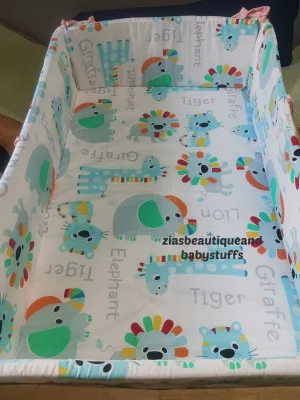
Before selecting a crib rail cover, it is vital to distinguish between safe, firm rail protectors and banned soft crib bumpers. Traditional crib bumpers, which line the inner sides of the crib slats, are widely discouraged or legally banned in many regions due to their association with suffocation, entrapment, and Sudden Infant Death Syndrome (SIDS). Safe crib railing protectors, by contrast, are low-profile, firm barriers designed to wrap tightly around the top rail only, leaving the slats clear for maximum airflow.
Products mentioned in this guide

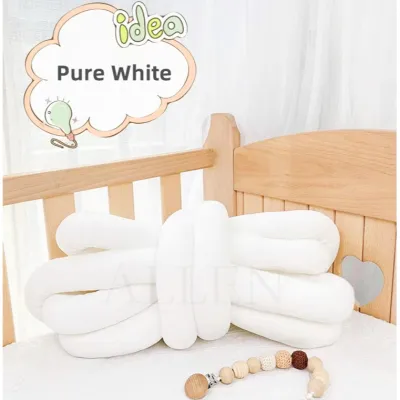
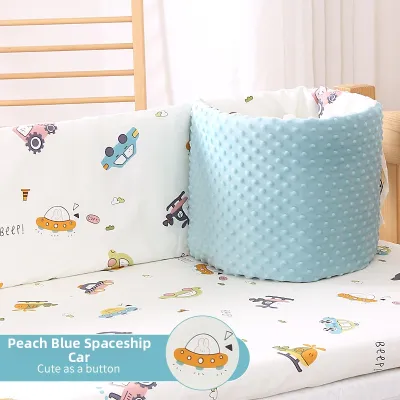
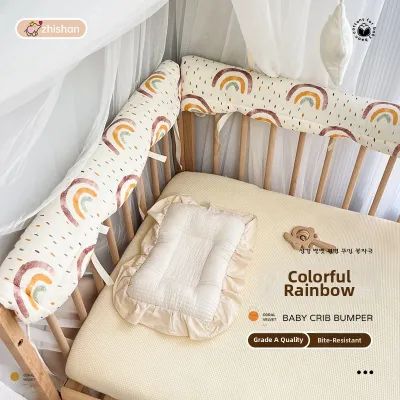
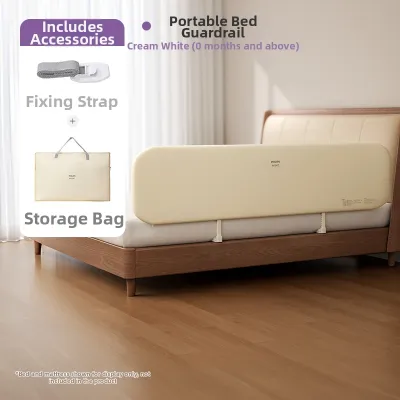
Prices are valid at publication and may change. Please refer to the product page for the latest price.
Choking hazards represent another significant risk when evaluating these products. Any protector that features small detachable parts, loose buttons, decorative bows, or peeling adhesive strips should be avoided. Teething infants exert surprising pressure with their gums and emerging teeth, which can easily shear off poorly secured components or weak materials, turning them into immediate choking hazards.
Entanglement and strangulation risks must also be carefully managed. Rail covers that rely on long, dangling fabric ties or loose cords to stay in place pose a severe threat if a baby manages to untie them. A safe protector must feature a fastening system that remains completely out of the child’s reach or secures so tightly that it cannot be unraveled by curious fingers.
Finally, parents should be wary of products that lack basic safety labeling or material disclosures. If a manufacturer does not clearly state what materials are used or fails to provide safety warnings, the product should not be placed in a child’s sleeping environment. Transparent labeling is the first indicator of a manufacturer’s commitment to safety standards.
Evaluating Common Materials: Foam, Silicone, and Fabric
Different materials offer distinct structural and chemical safety profiles, each requiring specific checks before use. In tropical climates like the Philippines, high humidity and warmth can also affect how these materials wear over time, making durability and moisture resistance key factors in your decision.

When comparing foam, silicone, and fabric, parents must look past generic marketing claims and inspect the physical packaging for verified safety marks. Each material has unique vulnerabilities to wear, moisture retention, and chemical off-gassing that dictate its suitability for a teething infant.
Foam Protectors
Foam rail guards provide excellent impact absorption, protecting active babies from bumps and bruises if they fall against the wooden rail. However, because foam is a synthetic polymer, chemical safety is a primary concern. Parents should check product labels for recognized third-party certifications, such as the CertiPUR-US mark or low volatile organic compound (VOC) certifications, which verify that the foam is manufactured without harmful ozone depleters, heavy metals, or formaldehyde.
Physical firmness is equally critical when choosing a foam protector. The foam must be dense and rigid enough to maintain its shape under pressure; soft, pillowy foam can conform to a baby’s face if they press against it, creating a suffocation hazard. A firm foam guard should resist deep compression when squeezed between your fingers.
Additionally, inspect the outer skin and seams of the foam protector. Teething babies can easily bite chunks out of low-density or unskinned foam. Avoid any foam covers that have exposed, crumbly textures or weak seams that could split under the pressure of sharp baby teeth, as swallowed foam pieces can cause intestinal blockages or choking.
Silicone and Plastic Guards
Silicone is highly favored for its durability, water resistance, and ease of cleaning, making it exceptionally well-suited for humid environments where mold and bacteria thrive. When shopping for silicone or plastic guards, look for explicit packaging statements confirming the material is food-grade, BPA-free, phthalate-free, and lead-free. Because babies chew directly on these guards, the material must meet the same chemical safety standards as baby bottles and teething toys.
The attachment mechanism of silicone guards requires close inspection. Many models use food-grade adhesive strips or a friction-fit channel that snaps over the rail. Parents must ensure that the adhesive is strong enough to resist peeling by an infant, and that the guard itself cannot be pried off. A loose silicone guard can trap a baby’s fingers or mouth underneath, leading to pinches or skin irritation.
Lastly, physically examine the guard for manufacturing defects before installation. Check for sharp edges, rigid points, or small plastic end-caps that could break off during heavy use. The guard should have smooth, rounded contours and a slightly yielding texture that cushions the gums without offering any catch points for tiny fingers.
Fabric and Teething Rail Covers
Fabric covers offer a soft, traditional look and are easily machine-washable, which is highly beneficial for managing drool. To ensure chemical safety, verify that the fabric carries independent textile certifications on the product tag, such as the Oeko-Tex Standard 100 or the Global Organic Textile Standard (GOTS). These certifications guarantee that the fabric is free from harmful levels of toxic dyes, pesticides, and flame retardants.
Fit and tension are the most critical safety factors for fabric covers. The cover must wrap tightly around the rail with a wrinkle-free fit. Avoid covers with long, dangling ties; instead, look for options that utilize secure hook-and-loop fasteners or short, heavy-duty snaps that sit on the outward-facing side of the crib, completely out of the baby’s reach.
Breathability is also essential, particularly in warm, tropical climates. Heavy, densely padded fabric covers can trap heat and restrict airflow if a baby sleeps with their face pressed directly against the rail. Opt for lightweight, breathable cotton or padded mesh fabrics that allow air to circulate freely while still providing a protective barrier for the wood.
How to Verify Non-Toxic Claims and Product Safety
Navigating the marketing language on baby products can be challenging, as terms like “natural,” “eco-friendly,” and “non-toxic” are not strictly regulated. To protect your baby, always cross-reference these claims with visible, verifiable third-party testing marks on the product packaging or the manufacturer’s official documentation. Legitimate manufacturers will readily display their compliance with international safety standards.
Avoid purchasing unbranded items or buying from unknown online sellers on major online marketplaces. These products often bypass rigorous safety checks and may contain high levels of lead, phthalates, or banned chemical flame retardants. Investing in established brands that provide clear material disclosures and accessible customer service is a safer approach for items that go directly into your baby’s mouth.
It is also important to understand that the absence of a strong chemical odor does not guarantee that a product is safe. While some volatile organic compounds (VOCs) emit a noticeable “new plastic” smell, many highly toxic chemicals, including certain phthalates and heavy metals, are completely odorless. Relying on a sniff test is insufficient; only formal certification and transparent material labeling can confirm that a crib rail protector is truly non-toxic.
Safe Installation and Ongoing Maintenance
Even the safest material can become a hazard if it is installed incorrectly or neglected. Always follow the manufacturer’s included instructions to the letter during installation. Never attempt DIY modifications, such as adding extra ribbons, household zip-ties, or metal hardware to secure a loose cover, as these makeshift fasteners can introduce sharp edges, choking hazards, or strangulation risks.
Establish a weekly routine to inspect the crib railing protector for signs of wear and tear. Look closely for bite marks, loose threads, fraying seams, or weakening adhesives. Because babies use their body weight to pull themselves up, check that the fastening straps or adhesive bonds remain tight and have not stretched or slipped over time.
In humid climates, moisture management is a critical maintenance step. Drool can easily seep under foam, silicone, or fabric covers, creating a damp, dark environment between the protector and the wooden rail. This trapped moisture can lead to rapid mold and bacterial buildup, which poses respiratory risks to your infant. Remove the covers regularly to wipe down the wooden rail, wash fabric covers, and sanitize silicone guards, ensuring the entire sleep area remains dry and hygienic.
Frequently Asked Questions (FAQ)
Are crib bumper pads the same as railing protectors?
No, crib bumper pads and crib railing protectors serve entirely different purposes and have different safety profiles. Bumper pads are thick, soft cushions that line the inside of the crib slats to prevent a baby from bumping their head or limbs against the wood. Because of their soft, pillow-like structure, bumper pads pose a severe risk of suffocation and SIDS and are widely banned. Railing protectors, however, are firm, low-profile guards that wrap tightly around the top horizontal rail of the crib. They are designed specifically to protect a teething baby’s gums and prevent them from chewing on the wood or paint, without blocking airflow through the slats.
At what age or developmental stage should I remove the crib railing protector?
As a general rule, you should remove the crib railing protector as soon as your baby is able to stand confidently and begins attempting to climb out of the crib. At this developmental milestone, any rail cover—especially thicker foam or padded fabric options—can serve as a foothold, giving the child the extra height needed to climb over the rail and fall. Always consult the manufacturer’s packaging for specific age, weight, or developmental limits, and prioritize removing the guard if it begins to facilitate climbing behavior.

Community discussion
Share your experience or ask a question. Comments are reviewed before publication.