
As babies transition from crawling to pulling themselves up and cruising, the sharp corners of coffee tables, TV consoles, and low shelves present immediate physical hazards. Corner edge protectors are a standard addition to any baby-proofing checklist, designed to cushion impacts and prevent painful cuts or bruises. However, because infants and toddlers naturally explore their environment by mouthing and chewing on objects, these safety devices can introduce unexpected risks if they are not selected, installed, and maintained with care.
In warm, humid tropical environments like the Philippines, high moisture levels can also compromise adhesive strength, making it easier for curious hands to peel these protectors away and place them in their mouths. Evaluating the chemical safety of the materials, understanding the physical risks of choking, and establishing a strict maintenance routine are essential steps to ensure your baby-proofing efforts remain truly safe. This guide provides a practical framework for evaluating material safety, checking adhesive security, and maintaining a secure home environment for your growing child.
Understanding the Safety Risks of Corner Edge Protectors
While the primary goal of a corner edge protector is to cushion a baby against impact injuries, caregivers must remain aware of secondary hazards. The most immediate physical risk is choking. If a protector becomes loose due to weakened adhesive or material degradation, a baby can easily pull it off. Teething infants possess surprisingly sharp incisors and strong jaw pressure, allowing them to bite off small pieces of soft or brittle materials, which can quickly block their small airways.
Products mentioned in this guide
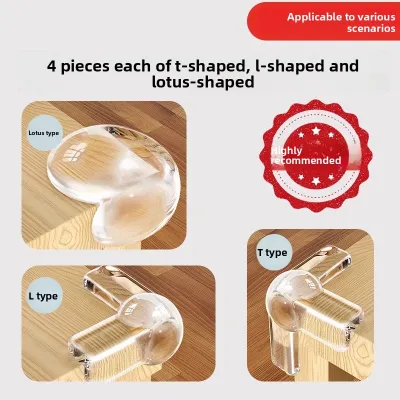

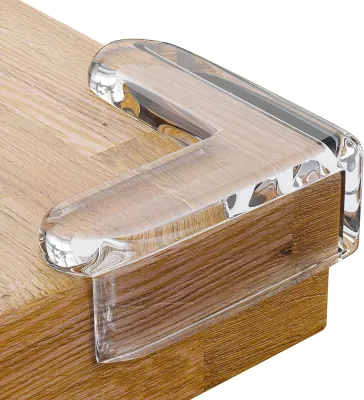
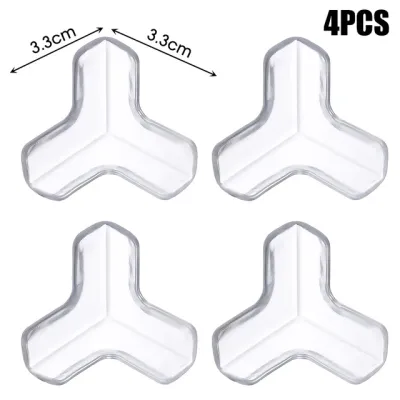
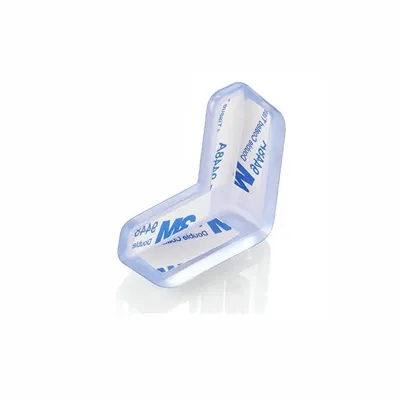
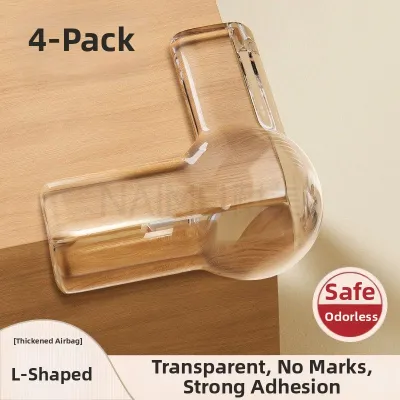
Prices are valid at publication and may change. Please refer to the product page for the latest price.
Beyond physical choking hazards, chemical toxicity is a significant concern when babies mouth or chew on these guards. Many household plastics and synthetic rubbers contain chemical additives to make them flexible, durable, or flame-retardant. If these materials are not specifically formulated for safety, chewing on them can cause harmful substances to leach out and be ingested. Because babies have developing systems, minimizing exposure to untested or industrial-grade plastics is a critical safety priority.
Skin irritation and allergic reactions represent another potential hazard. The adhesives used to mount the protectors, as well as the chemical compounds within the materials themselves, come into direct contact with your baby’s sensitive skin. In warm climates, sweat and moisture can accumulate behind or around the protector, exacerbating skin sensitivity and potentially leading to localized rashes. Ensuring that both the mounting adhesive and the guard material are hypoallergenic and free of harsh chemical residues helps mitigate these dermatological risks.
Finally, it is vital to remember that no baby-proofing device can replace active caregiver supervision. Edge protectors are designed to minimize the severity of accidental bumps, but they do not make an environment entirely hazard-free. Regular supervision remains the most effective way to prevent injuries and to intervene immediately if a baby begins to pull at or chew on a protective guard.
Evaluating Material Safety for Mouthing and Chewing
When shopping for a corner edge protector, you must carefully read product labels and packaging to verify chemical safety. Look for explicit manufacturer declarations indicating that the product is BPA-free, phthalate-free, lead-free, and heavy-metal-free. Many high-quality baby-proofing products are tested against established toy safety standards, such as the European EN 71 standard or the American ASTM F963. While you should treat these certifications as items to verify rather than absolute guarantees of safety, they provide a helpful baseline for identifying products designed with child safety in mind.

Different materials offer distinct characteristics regarding durability, impact absorption, and oral safety:
- Food-Grade Silicone: This is widely considered one of the safest materials for babies who tend to mouth objects. Food-grade silicone is highly durable, chemically inert, and resistant to biting and tearing. It does not degrade easily under humid conditions and does not require plasticizers to remain flexible, making it an excellent choice for long-term safety.
- PVC (Polyvinyl Chloride): Often used for clear, transparent corner guards because it blends seamlessly with furniture. While highly durable and easy to clean, standard PVC can contain phthalates to make it soft. If you choose PVC protectors, it is critical to verify that the manufacturer explicitly labels them as non-toxic and phthalate-free.
- NBR (Nitrile Butadiene Rubber): This dense, spongy foam is highly effective at absorbing heavy impacts. However, NBR foam is susceptible to bite damage. Teething babies can easily scrape off chunks of NBR foam with their teeth, making it a higher risk for choking unless the manufacturer specifies a high-density, bite-resistant formulation.
- EVA (Ethylene-Vinyl Acetate) Foam: Lightweight and soft, EVA foam is commonly used for budget-friendly edge guards. Like NBR, it is easily damaged by chewing and tearing, meaning it requires constant monitoring and is generally less suitable for babies who are actively teething.
Caregivers should also learn to identify warning signs of unsafe materials. A strong, pungent chemical odor (often referred to as off-gassing) immediately upon opening the packaging is a primary red flag, indicating the release of volatile organic compounds. Additionally, avoid materials that feel greasy or oily to the touch, crumble easily when pinched, or have peeling outer layers. These physical traits suggest poor material stability and a higher likelihood of chemical leaching or physical degradation.
Adhesive and Installation Safety Checks
The safety of a corner edge protector is heavily dependent on how securely it is mounted to your furniture. Most protectors rely on double-sided pressure-sensitive tapes or adhesive gels. In tropical climates with high humidity, standard adhesives can soften, lose their tackiness, and slide out of place. This not only ruins your furniture’s finish but also makes it incredibly easy for a baby to peel the protector off. Look for high-quality, temperature-resistant acrylic adhesives that are formulated to withstand moisture and warmth.
To ensure a secure attachment that a baby cannot easily pull off, follow a meticulous installation process:
- Clean the Surface: Thoroughly clean the furniture corner to remove dust, oils, polish, and moisture. Use a mild soap solution or a small amount of rubbing alcohol, making sure to test a hidden area of the furniture first to ensure the cleaner does not damage the finish.
- Dry Completely: Ensure the surface is entirely dry before applying the adhesive, as trapped moisture will ruin the bond.
- Apply Firm Pressure: Press the protector firmly onto the corner for at least 30 seconds to activate the pressure-sensitive adhesive.
- Allow to Cure: Let the adhesive cure undisturbed for the manufacturer-recommended time—typically 24 hours—before allowing your baby near the furniture. Keeping the baby away during this curing phase prevents early stress on the bond.
Eventually, you will need to remove the protectors as your child grows. Safe removal techniques help prevent damage to your furniture and ensure no harmful adhesive residue is left behind. Using a hairdryer on a low, warm setting can help soften the adhesive, allowing you to gently peel the guard away. You can also slide a piece of dental floss or a plastic scraper under the guard to break the bond. If you are dealing with antique wood, delicate veneers, or specialized finishes, stop and consult the furniture manufacturer for specific removal instructions to avoid stripping the surface or using harsh chemical solvents that could leave toxic residues.
Inspection and Maintenance Routine for Baby-Proofing
Baby-proofing is not a one-time task; it requires an ongoing inspection and maintenance routine to remain effective. Establish a weekly schedule to physically inspect every corner edge protector in your home. Walk through each room and perform a quick “tug test” on each guard to ensure the adhesive is still holding firm. Pay close attention to low-lying furniture that your baby interacts with daily, as these areas experience the most wear and tear.
During your weekly checks, look closely for visual and physical signs of degradation. Inspect the protectors for bite marks, deep scratches, tears, or crumbling edges. If you notice that a protector has become loose, or if the edges are starting to peel away from the furniture, it must be addressed immediately. A partially detached protector is an open invitation for a baby to pull, play with, and eventually mouth the object, significantly increasing the risk of choking.
Cleaning your edge protectors is also vital for maintaining a hygienic environment, especially since babies may place their mouths directly on them. Wipe down the guards regularly using a clean cloth dampened with warm water and mild, baby-safe dish soap. Avoid using harsh household chemical sprays, bleach, or alcohol-based disinfectants directly on the protectors. These strong chemicals can degrade materials like NBR foam or silicone, making them sticky, brittle, or prone to crumbling, while also leaving behind chemical residues that are unsafe for oral contact.
If an inspection reveals any damage, or if the adhesive has failed, remove the protector immediately. Do not attempt to patch a torn foam guard or re-secure a loose protector with standard household tape, glue, or hot melt adhesives, as these temporary fixes do not provide reliable safety and can introduce new chemical hazards. Replace the damaged guard with a fresh, high-quality, non-toxic protector to maintain a secure environment for your child.
Frequently Asked Questions (FAQ)
Can babies choke on foam corner protectors?
Yes, babies can choke on foam corner protectors. Soft foam materials, such as low-density NBR or EVA foam, are easily damaged by a teething baby’s sharp front teeth. If a baby repeatedly bites or chews on a foam guard, they can tear off small chunks. These detached foam pieces present an immediate choking hazard if swallowed. To minimize this risk, caregivers should regularly inspect foam protectors for bite marks and consider transitioning to firmer, highly durable materials like food-grade silicone if their baby shows a persistent habit of chewing on furniture corners.
Are transparent silicone edge guards safer than colored ones?
Transparent silicone edge guards are not inherently safer than colored ones, as safety depends primarily on the quality and purity of the silicone material itself. However, transparent guards offer a practical safety advantage: they are less visually distracting to babies. Colored protectors can attract a baby’s attention, encouraging them to pull, pick at, or chew on the guard. By using clear, transparent guards, you make the safety device less noticeable, reducing the likelihood of oral contact. Regardless of color, always verify that the product is certified as food-grade, non-toxic, and free of lead and phthalates.
What should I do if my baby bites off a piece of the edge protector?
If your baby bites off a piece of an edge protector, immediately check their mouth and gently sweep out any loose pieces with your finger. If the baby is coughing, choking, struggling to breathe, or turning blue, perform infant first aid for choking and seek emergency medical help immediately. If they have swallowed a small piece without choking, monitor them closely for any signs of discomfort, vomiting, or changes in bowel movements, and consult your pediatrician or a qualified healthcare professional for guidance. When seeking medical advice, bring the remaining product packaging or a sample of the material to show the doctor exactly what was ingested.
Community discussion
Share your experience or ask a question. Comments are reviewed before publication.