
When choosing baby bottles and feeding accessories, understanding the material composition of the nipple is essential for your child’s comfort, developmental safety, and overall feeding success. The jollibaby nipple range is designed to offer parents a choice between two primary materials: food-grade silicone and natural rubber latex. Each option presents distinct physical characteristics, tactile sensations, and durability profiles to accommodate different infant feeding preferences, developmental stages, and household cleaning routines.
Manufacturers provide both materials because infants are highly selective about what they latch onto during their first year of life. Factors such as the elasticity of the material, how closely it mimics the mother’s breast, and how easily milk flows can determine whether a baby accepts a bottle. By offering both silicone and latex, Jollibaby ensures that parents can customize their bottle-feeding setup to match their baby’s unique oral anatomy and sucking strength.
There is no single “perfect” material that suits every household. A family living in a highly humid tropical environment may prioritize a material that resists moisture-related degradation, while another family might prioritize a ultra-soft texture to help a newborn transition from direct breastfeeding. The ideal choice depends on a careful evaluation of your baby’s age, latch style, teething status, and your preferred sterilization and maintenance routine.
Products mentioned in this guide
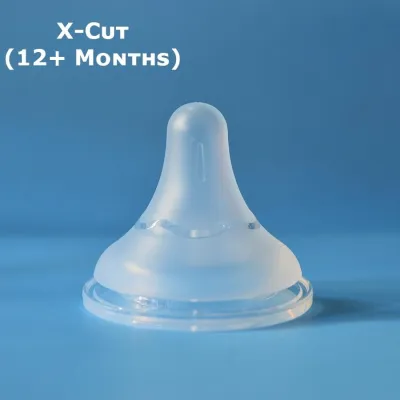
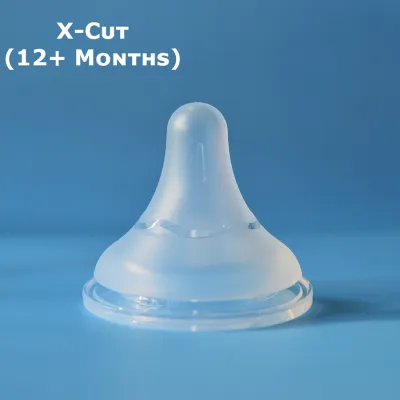
Prices are valid at publication and may change. Please refer to the product page for the latest price.
Silicone Nipples: Durability, Clarity, and Heat Tolerance
Food-grade silicone is a highly popular synthetic material used in modern baby bottle nipples due to its exceptional purity, structural stability, and longevity. Unlike natural materials, silicone is non-porous, which makes it highly resistant to absorbing milk fats, soap residues, and strong odors. This material maintains its crystal-clear transparency over months of use, giving parents a clean, hygienic visual cue during assembly and feeding.
The firmness of a silicone jollibaby nipple provides a stable, consistent flow rate that does not easily distort under the pressure of strong infant suction. This structural integrity is highly beneficial for maintaining a predictable feeding pace, preventing the nipple from collapsing during active feeding sessions. However, because silicone is naturally firmer than latex, some breastfed infants may require a brief adjustment period of several days to get used to the texture and resistance of the material when transitioning to bottle-feeding.
From a maintenance perspective, silicone is highly valued for its superior heat tolerance. In tropical climates like the Philippines, where high humidity levels promote rapid bacterial and mold growth on damp surfaces, frequent and thorough sterilization is a daily necessity. Silicone nipples can withstand high temperatures without warping, melting, or losing their physical properties. This makes them highly compatible with various sanitizing methods, including traditional boiling water, electric steam sterilizers, and modern UV sterilizing cabinets.
Before subjecting any silicone nipple to high-heat sterilization, always verify the specific temperature limits printed on the product packaging or the manufacturer’s instruction sheet. While silicone is generally robust, different product lines may incorporate plastic collars or specialized valves that have unique thermal thresholds. Checking these specifications protects the integrity of the anti-colic valves and ensures the nipple continues to seal perfectly against the bottle collar.
Latex Nipples: Softness, Flexibility, and Aging Signs
Natural rubber latex nipples are made from a plant-derived elastomer harvested from rubber trees. This organic material is characterized by its distinct golden-brown or amber color and its incredibly soft, flexible texture. The primary benefit of a latex jollibaby nipple is its ability to mimic the natural elasticity and warmth of human skin, providing a highly familiar and comforting sensation for newborns and breastfed babies who struggle with firmer synthetic alternatives.

Because latex is highly pliable, it stretches and molds easily to the shape of the baby’s mouth during suction. This flexibility allows for a highly natural, comfortable latch, making it an excellent option for infants with sensitive gums or those who exhibit bottle-rejection behaviors. The natural give of the material also means the baby can control the flow of milk with subtle jaw movements, closely replicating the mechanics of breastfeeding.
However, natural rubber latex is a porous material, which introduces specific care and durability considerations. Over time, latex naturally absorbs moisture, milk proteins, and fats, which can cause the material to discolor, expand, or retain persistent odors. In warm, humid environments, these organic properties mean that latex nipples degrade significantly faster than their silicone counterparts, requiring more frequent monitoring and replacement.
Parents must routinely inspect latex nipples for physical signs of aging and structural breakdown. As latex degrades, it typically becomes sticky to the touch, swells in size, or loses its original elasticity, failing to spring back when pulled. To maximize the lifespan of latex nipples, store them in a cool, dry cupboard away from direct sunlight, localized heat sources, and high-humidity zones, as UV light and moisture accelerate the natural decomposition of rubber.
How to Choose the Right Jollibaby Nipple for Your Baby
Selecting the appropriate material involves balancing your baby’s current physical development with their daily feeding behavior. Because baby feeding needs shift rapidly during the first year, parents should expect to reassess their nipple choices as their child reaches key milestones.
Matching Material to Feeding Stages
For newborns and infants in their first few months, the ultra-soft, forgiving texture of a latex nipple is often highly effective. It requires less jaw strength to compress, helping young infants establish a steady feeding rhythm without tiring quickly. This makes latex an excellent introductory material for early bottle-feeding or mixed-feeding routines.
As your baby grows and enters the teething stage, their oral behavior changes dramatically. Teething infants tend to bite, chew, and pull aggressively on bottle nipples to soothe their irritated gums. During this stage, switching to a durable silicone jollibaby nipple is highly recommended. Silicone’s high tensile strength resists punctures and tears from newly erupted baby teeth, ensuring the nipple remains intact and safe during vigorous chewing.
Observing Allergies and Sensitivities
Because natural rubber latex contains organic proteins, it can occasionally trigger allergic reactions in sensitive infants. When introducing a latex nipple for the first time, carefully monitor your baby during and immediately after feeding. Watch for localized signs of irritation, such as redness, a raised rash, swelling around the lips or gums, or unusual fussiness and rubbing of the mouth area.
If you observe any signs of a localized skin reaction or suspect a material sensitivity, stop using the latex nipple immediately. Thoroughly wash the baby’s face with clean water and transition to a hypoallergenic food-grade silicone nipple, which is completely free of natural rubber proteins. If the skin irritation, redness, or fussiness persists, consult a qualified pediatrician or healthcare professional for a proper clinical assessment and guidance.
Cleaning, Sterilizing, and Safety Checks by Material
Maintaining strict hygiene standards is vital to protect your baby’s developing immune system. Because silicone and latex react differently to heat, moisture, and cleaning agents, tailing your maintenance routine to the specific material is crucial for safety.
Verifying Sterilization Methods
Always read the manufacturer’s instructions on the Jollibaby packaging to identify the approved sterilization methods and temperature limits for your specific nipple model. Silicone nipples are highly versatile and can typically undergo boiling, steam sterilization, or UV sanitization without issue. Their non-porous surface ensures they dry quickly, minimizing the risk of moisture retention.
Latex nipples, conversely, require much gentler handling. Excessive heat, prolonged boiling, or exposure to UV light can cause natural rubber to warp, soften prematurely, or develop micro-fissures. Many manufacturers recommend sterilizing latex nipples by placing them in boiling water that has been removed from the heat source for a limited number of minutes, rather than boiling them actively on a stovetop. Avoid using harsh chemical sterilizing tablets or unapproved solutions, as these can degrade the natural rubber fibers and leave chemical residues that are unsafe for your baby.
Recognizing Wear and Tear
Regardless of the material you choose, performing a thorough safety inspection before every single feeding session is a critical habit. A simple visual and physical check ensures the nipple remains structurally sound and safe for your baby to use.
- The Pull Test: Firmly grasp the bulb of the nipple and pull it in multiple directions. Inspect the base, the anti-colic valve, and the feeding hole for tiny splits, micro-tears, or structural thinning.
- Visual Inspection: Look for changes in clarity or color. Silicone should remain clear; cloudiness or yellowing can indicate buildup or wear. Latex should be inspected for swelling, severe darkening, or a dull finish.
- Tactile Check: Feel the material with clean fingers. If the nipple feels sticky, tacky, unusually soft, or fails to return to its original shape immediately, it has degraded.
Any nipple that shows signs of tearing, stickiness, structural distortion, or an enlarged feeding hole must be discarded immediately. A damaged nipple poses a serious choking hazard if a fragment tears off during feeding, and an enlarged hole can cause milk to flow too quickly, increasing the risk of choking or gas. To prevent feeding disruptions, keep a spare pack of fresh nipples stored safely in your pantry, allowing you to replace a worn-out nipple instantly without delay.

Community discussion
Share your experience or ask a question. Comments are reviewed before publication.