
A safe toddler pillow must prioritize firm support, low loft, and high breathability to align with your child’s physical development and protect their sleep environment. Unlike adult bedding, which is often plush and oversized, a toddler-specific pillow is designed to keep the head and neck in a neutral position without obstructing the airway. In tropical climates like the Philippines, where high humidity and warm nights are common, selecting the right materials is also essential to prevent overheating and moisture buildup. Rather than relying on marketing buzzwords, parents must evaluate observable physical features, check manufacturer age recommendations, and verify safety labels directly on the product tag.
When Is Your Toddler Ready for a Pillow?
Introducing a pillow too early can introduce unnecessary risks to your child’s sleep space. For the first year of life, infants require a completely flat, clear surface free of any loose bedding, blankets, or pillows to maintain a safe sleep environment. Pediatric sleep safety guidelines generally suggest waiting until a child is at least two years old before introducing a pillow, though individual readiness varies.
Observing your child’s behavior during sleep and rest periods is often the most reliable way to gauge whether they are physically prepared for this transition. Look for clear physical signs that your toddler’s shoulders have outgrown the flat mattress surface. If you notice your child consistently resting their head on a folded blanket, a stuffed toy, or even their own arm to find comfort, they may benefit from the subtle elevation of a toddler pillow.
Products mentioned in this guide
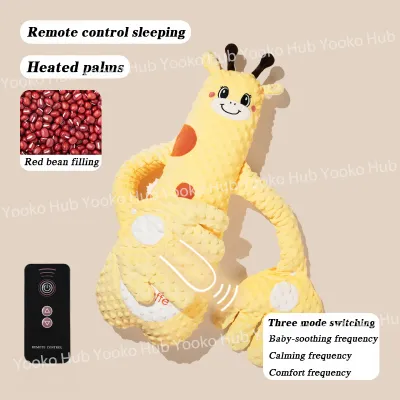
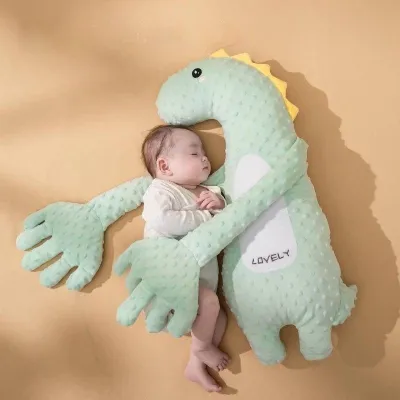
Prices are valid at publication and may change. Please refer to the product page for the latest price.
Another common indicator is when their shoulders are significantly wider than their head, causing their neck to tilt uncomfortably when they lie on their side. Transitioning from a crib to a toddler bed or a larger mattress is another natural milestone where a pillow might be introduced. However, if your child is still sleeping soundly on a flat mattress without showing signs of discomfort, there is no need to rush the transition.
Before introducing any new bedding, it is wise to consult your pediatrician, especially if your child has specific health conditions, developmental delays, or respiratory concerns like asthma or allergies. A healthcare professional can provide personalized guidance based on your child’s growth trajectory and physical needs. Always prioritize their professional advice over general age recommendations or product marketing.
Core Design Features of a Safe Toddler Pillow
When evaluating a toddler pillow, the physical dimensions and structural integrity are the most critical factors to consider. The primary goal of a toddler pillow is to support the natural curve of the neck and keep the spine in a neutral alignment. To achieve this, the pillow must have a very low loft, which refers to its thickness. A loft of around two to three inches is typically recommended, as anything thicker can force the toddler’s head forward, straining their neck muscles and potentially compressing their airway.

Firmness is equally important when assessing structural safety. A safe toddler pillow must be firm enough to resist deep indentation when your child rests their head on it. If a pillow is too soft, your child’s head can sink into the material, which increases the risk of suffocation if they turn onto their stomach. You can perform a simple compression test by pressing your hand firmly into the center of the pillow; it should quickly spring back to its original shape rather than retaining a deep impression.
The overall size of the pillow must be proportional to your toddler’s body and their sleeping space. Standard toddler pillows typically measure around 13 by 18 inches, which is significantly smaller than a standard adult pillow. This compact size ensures that the pillow fits securely within a toddler bed or crib without bunching up against the sides or creating dangerous gaps where a child’s head could become trapped.
Before making a purchase, always check the manufacturer’s packaging and product documentation for specific age, weight, and developmental guidelines. Do not assume a pillow is safe simply because it is labeled “for kids” or features a cartoon character. Verify that the product is explicitly rated for toddlers and matches your child’s current developmental stage, and always follow the manufacturer’s instructions for safe use and supervision.
Material Safety and Breathability Considerations
In warm and humid environments, the materials used in your toddler’s pillow play a vital role in their comfort and safety. High humidity can lead to excessive sweating during the night, which not only disrupts sleep but also creates a breeding ground for mold, mildew, and dust mites. Therefore, prioritizing highly breathable and moisture-wicking fabrics is essential for maintaining a hygienic and comfortable sleep environment.
Look for pillow covers made from natural, breathable fibers such as organic cotton or bamboo-derived fabrics. These materials allow air to circulate freely, helping to regulate your child’s body temperature and keep their skin dry throughout the night. Avoid synthetic covers that trap heat and moisture, as these can lead to heat rashes and discomfort, particularly during the warmer months.
The fill material inside the pillow also requires careful inspection. Hypoallergenic fills, such as microfiber or specially treated natural fibers, are excellent choices for toddlers who may be prone to allergies or sensitive skin. Ensure that the product label explicitly states that the materials are resistant to dust mites and allergens, and verify that the entire pillow—or at least its removable cover—is fully machine washable to facilitate regular cleaning.
Rather than relying on generic marketing claims like “all-natural” or “chemical-free,” look for verifiable safety and emission certifications printed directly on the product tag. Certifications from recognized independent organizations indicate that the materials have been tested for harmful substances and volatile organic compounds. Always check the physical tag on the pillow to confirm these certifications, as online product descriptions can sometimes be outdated or inaccurate.
Red Flags and Hazards to Avoid
Understanding what to avoid is just as important as knowing what features to look for when selecting a toddler pillow. One of the most common mistakes is allowing a toddler to use a standard adult pillow. Adult pillows are designed for much larger skeletal structures and are far too thick and soft for a young child. Using an adult pillow can cause severe spinal misalignment and poses a significant suffocation risk if the child’s face becomes buried in the plush material.
Avoid pillows that feature decorative embellishments, loose threads, buttons, or drawstrings. While these details may look appealing in a nursery setting, they present serious choking and strangulation hazards. Similarly, check the zipper construction carefully; a safe toddler pillow should feature a recessed zipper or a protective fabric flap that covers the zipper pull to prevent it from scratching your child’s skin or being opened and swallowed.
The type of fill material can also present hidden dangers if the outer casing becomes damaged. Avoid pillows filled with loose feathers, down, or small synthetic beads. If the seams of the pillow tear or degrade over time, these loose materials can easily escape, posing a severe choking or inhalation hazard to a curious toddler. Opt for pillows with solid, bonded, or securely encased fills that cannot easily escape the inner cover.
Lastly, steer clear of pillows that are marketed as “therapeutic” or “orthopedic” unless they have been specifically recommended by your child’s pediatrician. These products often feature unusual shapes, contours, or elevated sections that may not align with your child’s natural sleeping positions and could inadvertently restrict their movement or compromise their airway during sleep.
Verifying Safety Labels and Maintaining the Pillow
Ensuring the ongoing safety of your toddler’s pillow requires regular inspection and proper maintenance. When you first purchase a pillow, take the time to read the physical product tag carefully. This tag contains essential information regarding material composition, care instructions, and safety standards. Keep this tag attached or store the information in a safe place so you can refer to the manufacturer’s specific washing and drying guidelines.
Regular washing is crucial to prevent the accumulation of sweat, drool, dead skin cells, and environmental allergens. In humid climates, pillows must be dried thoroughly after washing to prevent the growth of mold and mildew deep within the fill. If the manufacturer’s instructions allow, tumble dry the pillow on a low heat setting, or air-dry it in a well-ventilated area with direct sunlight, ensuring that no dampness remains before placing it back on your child’s bed.
Inspect the pillow regularly for signs of wear and tear, such as frayed seams, thinning fabric, or clumping fill. If the fill material begins to clump or shift, creating uneven lumps and flat spots, the pillow will no longer provide the consistent, flat support your child needs. Any visible damage to the outer casing or seams is an immediate signal to replace the pillow to prevent exposure to the inner fill.
As a general rule, even well-maintained toddler pillows should be replaced every one to two years, or sooner if they lose their shape and firmness. Over time, the structural integrity of the materials will naturally degrade, reducing the level of support provided to your child’s neck and spine. Regular replacement ensures that your toddler always sleeps on a clean, supportive, and safe surface.
Frequently Asked Questions (FAQ)
Can a toddler safely use a regular adult pillow?
No, a toddler should not use a regular adult pillow. Adult pillows are designed for mature skeletal structures and are far too thick and soft for a toddler’s developing neck and spine. Using an adult pillow can force a toddler’s head forward at an unnatural angle, straining their neck muscles and potentially compressing their airway. Additionally, the excessive softness and large size of adult pillows create a significant suffocation hazard if the toddler rolls over or buries their face in the fabric.
Are memory foam pillows safe for toddlers?
Memory foam pillows require careful evaluation before use. Standard memory foam is highly dense and tends to retain heat, which can lead to overheating and discomfort, particularly in warm, humid climates. If you choose a memory foam pillow, ensure it is specifically designed for toddlers, featuring a very low loft and open-cell or ventilated construction to promote airflow. Always check the physical product tag for certified low-emission standards to verify that the foam does not release harmful volatile organic compounds.

Community discussion
Share your experience or ask a question. Comments are reviewed before publication.