
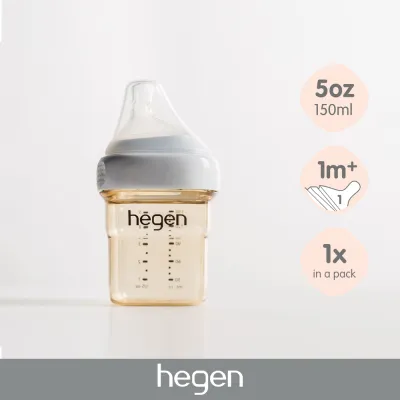
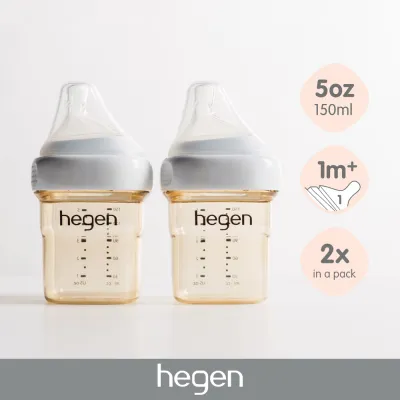
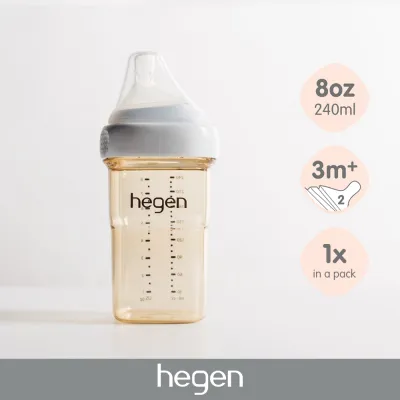
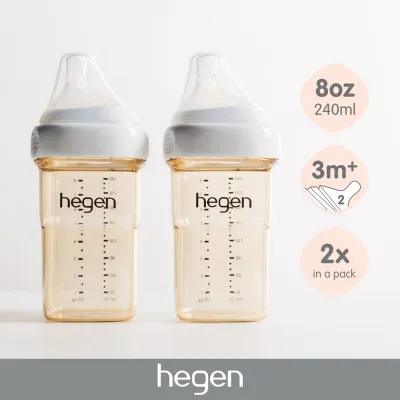
The Hegen feeding bottle is primarily made of Polyphenylsulfone, commonly known as PPSU. This medical-grade thermoplastic combines the lightweight convenience of plastic with the high heat resistance and durability often associated with glass. For parents navigating infant care in the Philippines, choosing the right bottle material involves balancing safety, durability, and daily practicality. While PPSU has become a popular choice for modern nurseries, understanding how it compares to traditional glass and flexible silicone baby bottles is essential for making an informed decision that suits your family’s lifestyle, budget, and feeding routine.
Understanding PPSU: The Material Behind Hegen Feeding Bottles
Polyphenylsulfone (PPSU) is a high-performance polymer widely utilized in medical devices and aerospace components due to its extreme durability and ability to withstand repeated sterilization. Unlike standard plastics, PPSU does not easily degrade when exposed to high temperatures, making it highly resilient against structural wear. It naturally exhibits a distinct honey-colored or amber tint, which is a characteristic of the raw material itself rather than an added dye. This lightweight material offers parents a shatterproof alternative to glass, reducing the anxiety of accidental drops during late-night feeds or outdoor trips.
To ensure you are using genuine PPSU products, always inspect the bottle packaging and the base of the bottle itself. Manufacturers typically stamp material identification codes or recycling symbols on the bottom of the container. For PPSU, you will often find the abbreviation “PPSU” or the plastic recycling code “7” molded directly into the plastic. Verifying these markings helps confirm that you are getting the specific material properties you expect, rather than a standard polypropylene (PP) or polyethersulfone (PES) alternative.
Products mentioned in this guide
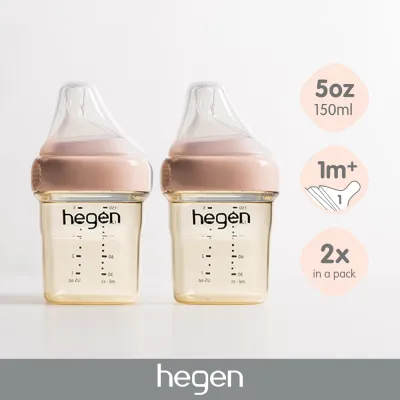
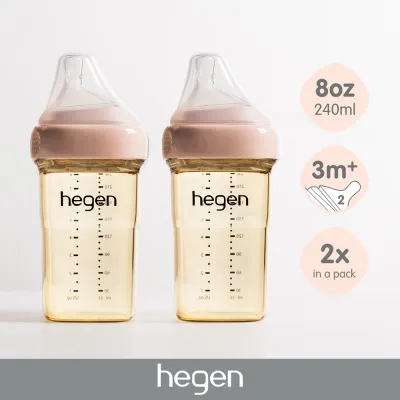
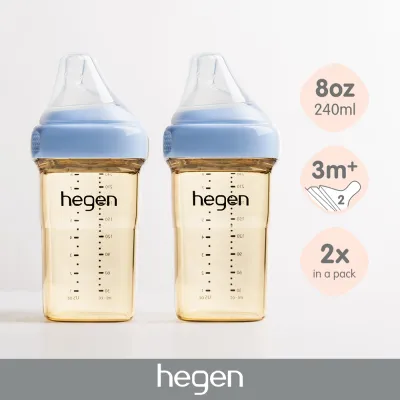
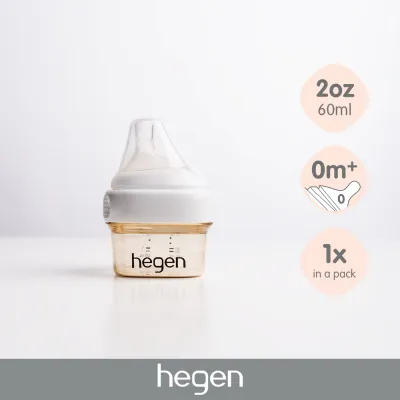
Prices are valid at publication and may change. Please refer to the product page for the latest price.
Before introducing any new bottle to your sterilization routine, it is crucial to verify the manufacturer’s stated temperature limits and approved sanitizing methods. While PPSU can generally withstand high temperatures, different components of the bottle—such as the silicone teat, the collar, or the storage lid—may have lower heat thresholds. Always consult the product manual to confirm whether the bottle is compatible with steam sterilizers, boiling water, or ultraviolet (UV) sterilization systems. Operating within these specified limits prevents premature warping, cloudiness, or structural degradation of the feeding system.
PPSU vs. Glass Baby Bottles: Durability, Weight, and Daily Use
When comparing PPSU to traditional glass baby bottles, weight and ergonomics play a significant role in daily comfort. Glass bottles are inherently heavier, which can tire a caregiver’s wrist during long feeding sessions or night feeds. Furthermore, as your baby grows and begins to develop the fine motor skills required for self-feeding, the heavy weight of glass can make it difficult for tiny hands to grasp and tilt the bottle independently. PPSU, being exceptionally lightweight, allows for easier handling and supports your baby’s developmental milestones when transitioning to independent holding under close caregiver supervision.

Physical durability and safety risks are another critical point of comparison. Glass is highly scratch-resistant and maintains its crystal-clear appearance over years of use, but it carries a constant risk of chipping, cracking, or shattering upon impact. Even a minor drop on hard tile floors can result in micro-cracks that compromise the bottle’s integrity. PPSU is virtually shatterproof, making it a safer option for active households or travel. However, because it is still a polymer, PPSU is more susceptible to surface scratches from abrasive cleaning brushes than glass. Caregivers must regularly inspect glass bottles for chips and PPSU bottles for deep scratches, as damaged surfaces can harbor bacteria.
Heat retention and cleaning routines also differ between these two materials. Glass bottles tend to heat up and cool down faster during temperature transitions, which can be convenient when warming expressed breast milk or formula. PPSU has slightly different thermal properties, requiring parents to monitor warming times carefully. When it comes to cleaning, glass is naturally non-porous and resistant to grease or residue buildup. PPSU also resists staining well compared to standard plastics, but it requires gentle cleaning tools—such as silicone brushes or soft sponges—to maintain its smooth interior surface and prolong its usable lifespan.
PPSU vs. Silicone Baby Bottles: Flexibility, Cleaning, and Feeding Experience
Silicone baby bottles have gained popularity due to their soft, squeezable texture, which contrasts sharply with the rigid structure of PPSU. The flexibility of a silicone bottle body is often designed to mimic the natural feel of breastfeeding, providing a tactile experience that some infants find comforting. However, this squeezability requires careful handling. If a baby or caregiver squeezes a flexible silicone bottle too firmly during a feed, it can cause an unexpected rush of milk or formula, potentially leading to choking or messy spills. PPSU bottles maintain a rigid, stable shape, ensuring a consistent flow rate controlled entirely by the baby’s sucking action and the teat design.
Maintenance and hygiene routines present distinct challenges for each material, particularly in warm and humid tropical climates. Silicone is a highly porous material compared to PPSU, meaning it has a greater tendency to absorb food pigments, oils, and strong odors over time. If breast milk or formula sits in a silicone bottle for an extended period, or if the bottle is not dried thoroughly in a well-ventilated area, it can develop a stubborn smell or a cloudy film. PPSU’s dense, non-porous molecular structure makes it highly resistant to odor absorption and staining, allowing for easier maintenance and a more consistent neutral scent after washing.
Regardless of the material you choose, components like teats, valves, and flexible bodies degrade at different rates than rigid plastic frames. Silicone parts are highly susceptible to wear from biting, stretching, and repeated heat exposure. Caregivers should regularly check the manufacturer’s guidelines for replacing silicone components, which often recommend swapping out teats every few months or at the first sign of stickiness, tearing, or structural softening. While a PPSU bottle body may last significantly longer, the accompanying silicone parts must be monitored closely and replaced promptly to ensure feeding safety and hygiene.
How to Choose the Right Bottle Material for Your Family's Lifestyle
Selecting the ideal bottle material depends heavily on your family’s daily routine, budget, and your baby’s developmental stage. For families who are frequently on the go, travel often, or rely on daycare services, lightweight and shatterproof materials like PPSU offer unmatched convenience and peace of mind. You can pack multiple PPSU bottles into a diaper bag without adding excessive weight or worrying about breakage during transit. Conversely, if your feeding routine is primarily centered at home and you prefer a material that can be used continuously across multiple children without scratching, glass remains a highly sustainable and classic choice.
Budget considerations are another practical factor to weigh. Premium materials like PPSU and high-grade silicone generally require a higher initial investment in ₱ compared to standard polypropylene bottles. However, because PPSU is highly durable and can withstand hundreds of sterilization cycles without losing its structural integrity, it often reduces the need for frequent replacements. When calculating the long-term cost, parents should balance the upfront price of the bottles against the expected lifespan of the material and the cost of replacement teats.
Ultimately, no single material is universally superior for every infant. It is essential to cross-reference the chosen bottle’s age recommendations, flow rates, and safety warnings on the product label before purchase. Monitor how your baby responds to the bottle’s weight, shape, and flow. If you notice signs of feeding discomfort, persistent gas, or difficulty latching, consult a pediatrician or a lactation specialist to help guide your feeding strategy and ensure your baby’s developmental needs are met.
Frequently Asked Questions (FAQ)
Can I sterilize PPSU, glass, and silicone bottles using the same methods?
Sterilization compatibility depends strictly on the manufacturer’s specifications for each specific brand and material. While PPSU, glass, and high-grade silicone are generally highly heat-resistant, they may react differently to different sterilization methods such as boiling water, electric steam, or ultraviolet (UV) light. For instance, some manufacturers warn that prolonged UV exposure can accelerate the aging or discoloration of certain plastics and silicone, while glass remains unaffected. Always consult the product manual or packaging to verify the maximum temperature thresholds and approved sterilization methods for every individual component of your feeding system.
How often should I replace PPSU or silicone baby bottles?
The replacement timeline for baby bottles depends on visible and physical signs of wear rather than a strict calendar date, though manufacturers often provide general guidelines. For PPSU bottles, inspect the container regularly for cloudiness, deep scratches, cracks, or stubborn stains that do not wash away; these imperfections can harbor bacteria and indicate it is time for a replacement. For silicone bottles and components, look for signs of degradation such as stickiness, tearing, discoloration, or a change in flexibility. If any bottle or teat shows signs of structural compromise, discard it immediately to ensure safe feeding.

Community discussion
Share your experience or ask a question. Comments are reviewed before publication.