
Selecting the right baby bottle material is one of the first major decisions you will face when preparing for your newborn’s arrival. With options ranging from traditional glass to modern plastics and flexible silicone, finding the most practical and secure choice requires understanding how these materials behave under daily use. A reliable bottle setup is not defined by a single material type, but rather by how well it resists chemical leaching, withstands frequent sterilization, and fits into your specific feeding routine.
To make an informed decision, you must evaluate the physical properties of each material alongside your household’s lifestyle. Newborns require frequent feedings, meaning the bottles you choose will undergo constant washing, heating, and handling. By verifying manufacturer specifications, checking for certified food-grade labels, and monitoring the physical condition of each bottle, you can ensure a hygienic and reliable feeding experience for your baby.
Comparing Common Baby Bottle Materials
Glass baby bottles have long been favored by parents seeking a highly stable and chemically inert material. Because glass is non-porous, it does not absorb odors, colors, or flavors from breast milk or infant formula, which is a distinct advantage when preparing feeds. It also boasts excellent heat tolerance, allowing it to withstand high-temperature sterilization methods without degrading. However, glass is inherently heavy and fragile, presenting a clear breakage risk if dropped on hard tile floors or during travel.
Products mentioned in this guide
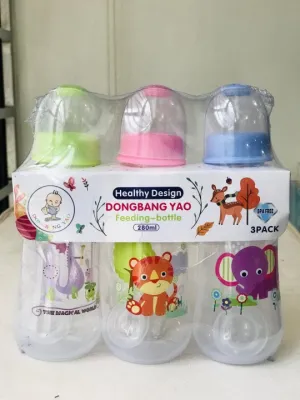
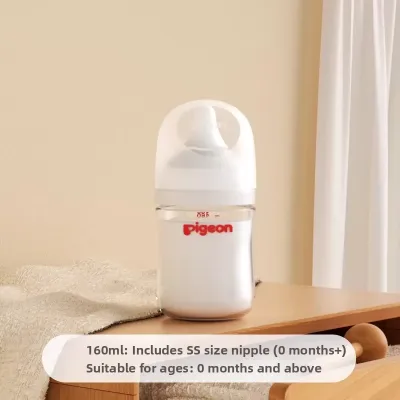
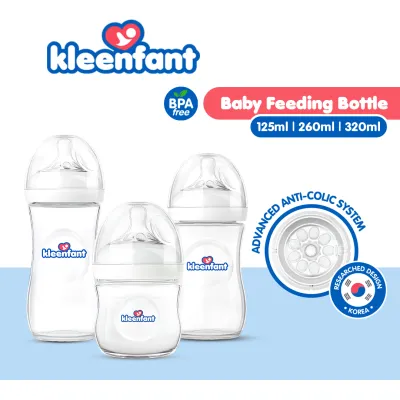
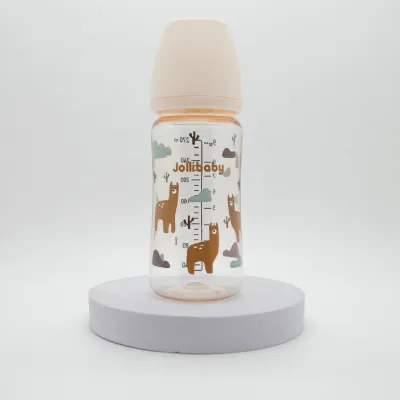
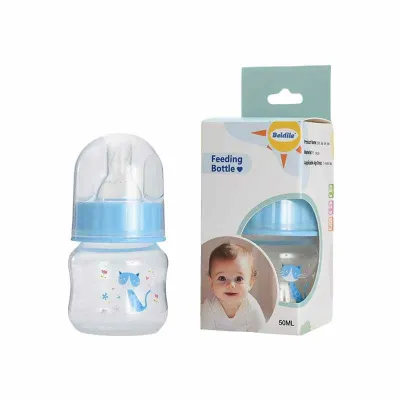
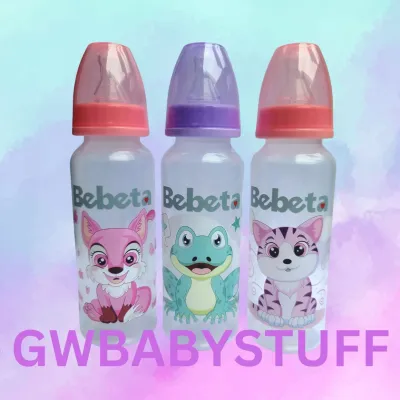
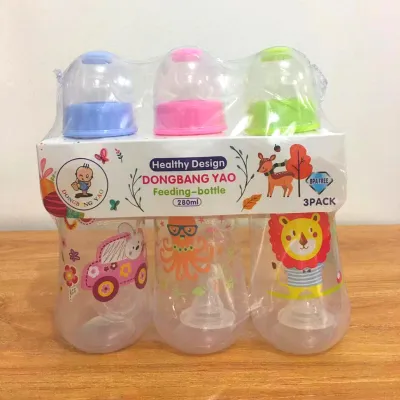
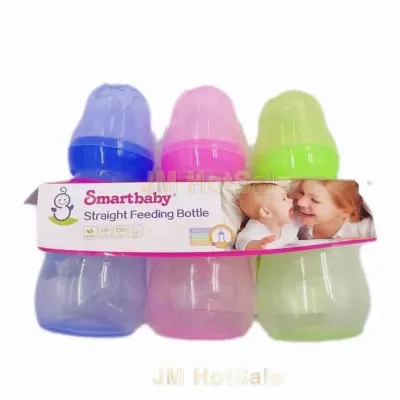
Prices are valid at publication and may change. Please refer to the product page for the latest price.
Plastic baby bottles offer a lightweight and shatterproof alternative that is highly convenient for feeding on the go. When exploring plastic options, you will encounter various types, such as polypropylene (PP), polyethersulfone (PES), and polyphenylsulfone (PPSU). While plastic is highly durable and easy for both parents and growing babies to hold, it is susceptible to scratching over time. It is critical to inspect plastic bottles for clear “BPA-free” and “BPS-free” labels to ensure they do not contain harmful bisphenol compounds.
Silicone baby bottles represent a newer category, combining the lightweight durability of plastic with a soft, flexible texture. Made from food-grade silicone, these bottles are highly resistant to shattering and offer a tactile feel that some babies find comforting during transition periods. The pliable nature of silicone also allows for unique bottle designs, including squeezable bodies that can assist with paced feeding. However, silicone can be more expensive upfront, and its soft surface may attract dust or lint more easily than glass or rigid plastic.
Assessing Safety and Health Considerations for Newborns
When evaluating safety, chemical leaching is a primary concern for parents of newborns, whose developing systems are highly sensitive. To minimize exposure to unwanted chemicals, always verify that the manufacturer explicitly declares the use of food-grade or medical-grade materials. Look for official compliance markings on the packaging, which indicate that the product has undergone testing to meet established safety standards. Avoid purchasing unbranded or generic bottles from unverified online marketplaces, as these may lack proper material certifications.

Heat tolerance is another crucial safety factor, particularly because newborn bottles require rigorous sterilization to eliminate harmful pathogens. Each material reacts differently to high temperatures, and exceeding these limits can cause chemical migration or structural damage. For instance, while glass can easily endure boiling water, certain plastics may warp or release microplastics if subjected to temperatures beyond their rated limits. Always consult the manufacturer’s manual to identify the maximum safe temperature for warming and sterilizing your specific bottle model.
Regularly inspecting your baby’s bottles for signs of wear and tear is essential to maintaining a safe feeding setup. Over time, the abrasive action of bottle brushes and the heat of sterilization can create micro-scratches on the inner walls of plastic bottles. These tiny crevices can harbor bacteria and milk residue, which are difficult to clean thoroughly, especially in warm, humid tropical climates. Glass bottles do not scratch easily, but they must be checked constantly for hairline cracks, chips around the rim, or cloudiness that indicates material fatigue.
Matching Bottle Materials to Your Daily Feeding Routine
Your daily routine and lifestyle should heavily influence the bottle material you choose to purchase. If you travel frequently, commute, or rely on daycare providers, the lightweight and shatterproof qualities of plastic or silicone are highly practical. Carrying multiple glass bottles in a diaper bag can become heavy and carries the constant risk of an accidental drop. Conversely, if the bottles will primarily remain at home under close adult supervision, the durability and easy sanitization of glass may outweigh its weight disadvantages.
Cleaning and sterilization workflows also vary significantly depending on the material you select. In tropical environments where humidity is high, ensuring bottles dry quickly and thoroughly is vital to prevent mold and bacterial growth. Glass and silicone dry relatively quickly and are generally compatible with steam, boiling water, and UV sterilizers. However, some plastics can degrade rapidly when exposed to UV light, causing them to become brittle or discolored. You must match your cleaning equipment to the material limits specified in the bottle’s care guide.
Budget considerations involve looking beyond the initial purchase price to evaluate the long-term cost of ownership. Standard plastic bottles made of PP are often the most affordable option initially, sometimes costing under ₱200 per bottle, but they require frequent replacement. High-performance plastics like PPSU and medical-grade silicone bottles carry a higher upfront cost, often exceeding ₱800 per bottle, but their enhanced durability means they last much longer. Glass bottles represent a mid-to-high initial investment that can theoretically last indefinitely, provided they do not chip or break.
Verifying Product Labels and Manufacturer Guidelines
To ensure you are using baby bottles safely, establish a habit of verifying product labels and markings before your first use. Turn the bottle over to inspect the base for molded recycling codes, material acronyms (such as PP or PPSU), and safety symbols. Reputable manufacturers will clearly print these details directly on the product, along with country-of-origin and batch codes. If a bottle lacks these basic markings or features poorly translated safety warnings on the packaging, it is best to avoid using it for newborn feeding.
Cross-referencing your sterilization equipment with the bottle manufacturer’s official care guide is a critical step in preventing accidental damage. Do not assume that a sterilization method that works for one brand is safe for another, even if they are made of the same general material. For example, some silicone bottles feature plastic collars or venting valves that have much lower heat thresholds than the silicone body itself. Disassembling all parts and checking the individual temperature limits of each component will protect the structural integrity of the bottle.
Additionally, verify that the nipple size and flow rate match your newborn’s developmental stage as specified in the product documentation, and consult a pediatrician or lactation consultant if you encounter persistent feeding challenges. Recognize clear stop-use conditions and replace compromised bottles immediately to protect your newborn’s health. Stop using any bottle if you notice warping, persistent odors that survive thorough washing, or faded measurement markings that make accurate formula preparation difficult. For glass bottles, any chip, deep scratch, or crack is an immediate signal to discard the item.
Frequently Asked Questions (FAQ)
Can I mix different bottle materials for my newborn?
Yes, you can safely mix different bottle materials in your newborn’s feeding rotation, provided each bottle meets safety standards and is kept in good condition. Many parents find it practical to use glass bottles at home for easy cleaning and transition to lightweight plastic or silicone bottles when traveling. If you choose to mix materials, ensure your baby accepts the different weights and shapes, and carefully track the specific sterilization and warming instructions for each bottle type to avoid damaging them.
How often should I replace plastic baby bottles compared to glass?
Plastic baby bottles generally require replacement every three to six months, or sooner if they show signs of scratching, cloudiness, or warping from repeated heating. The soft nature of plastic makes it highly susceptible to physical wear, which can compromise hygiene. In contrast, glass bottles do not have a set expiration date and can be used indefinitely if they remain free of chips, cracks, and deep scratches. However, you must inspect glass bottles daily and discard them immediately at the first sign of structural damage.
Community discussion
Share your experience or ask a question. Comments are reviewed before publication.