
Choosing the right diapering system is one of the most significant decisions new parents face, balancing baby comfort, daily convenience, and environmental impact. Among the various options available, the traditional gauze lampin remains a highly favored choice for eco-conscious families, particularly in warm and humid tropical climates. This lightweight, open-weave fabric offers a unique combination of breathability, rapid drying times, and long-term durability that modern synthetic alternatives struggle to match. By understanding the structural characteristics and practical applications of gauze, parents can make an informed decision that supports both their baby’s skin health and their household’s sustainability goals.
What Makes Gauze Fabric Unique for Cloth Diapers
To understand why gauze is so highly regarded, it is essential to look at its physical construction. Gauze is characterized by a loose, open weave where the warp and weft threads are spaced further apart than in standard woven fabrics. This structural design creates a highly porous material that allows air and moisture to pass through with minimal resistance. In its single-layer form, gauze is incredibly light and airy, but it lacks the density required to absorb significant amounts of liquid. To make it functional for diapering, manufacturers either layer the fabric or weave it into multi-layer structures, commonly referred to as double-gauze or multi-layer woven gauze.
It is important to distinguish traditional gauze from other popular diapering fabrics like muslin. While both are lightweight cotton fabrics, muslin typically features a slightly tighter, denser plain weave and is often used for swaddles or lightweight blankets. Gauze lampin, on the other hand, maintains a more open, breathable structure specifically optimized for airflow and quick moisture dispersion. When shopping for these diapers, parents should always verify the exact material composition on the product label. While many associate gauze exclusively with cotton, some modern options incorporate bamboo rayon or synthetic polyester blends. Checking these labels ensures you select a fabric that aligns with your preferences for absorbency, softness, and environmental impact.
Products mentioned in this guide

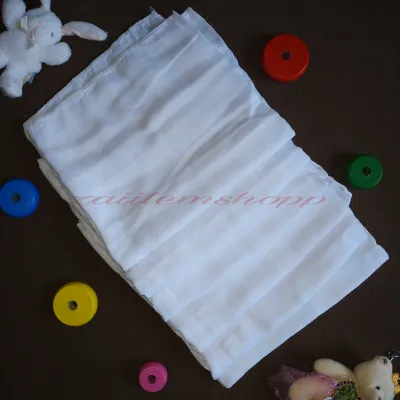
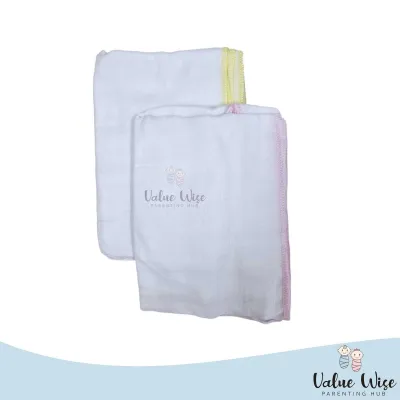
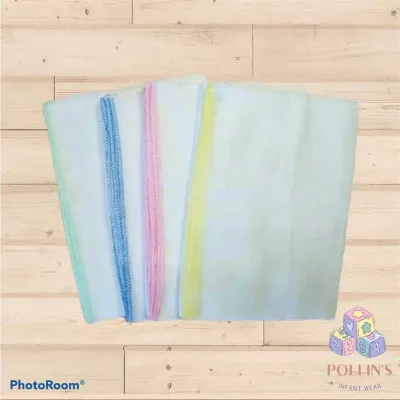
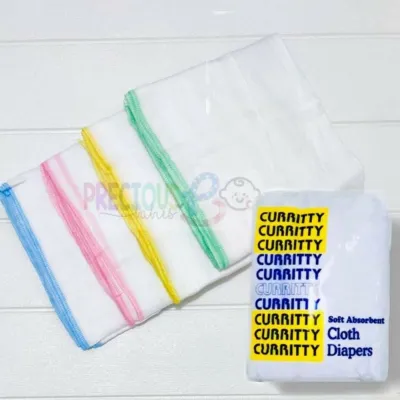
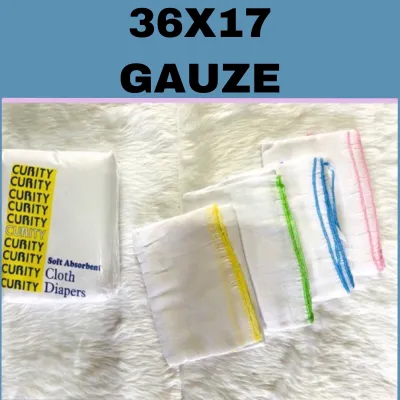
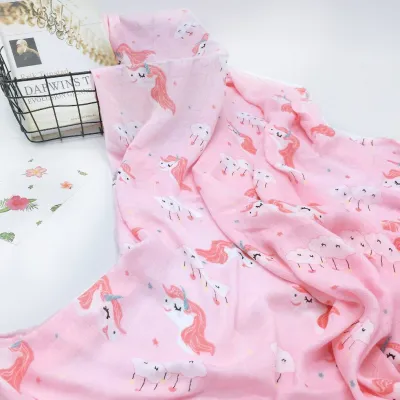
Prices are valid at publication and may change. Please refer to the product page for the latest price.
Practical and Environmental Benefits of Gauze Lampin
The primary reason eco-conscious parents in tropical regions like the Philippines prefer gauze lampin is its exceptional breathability. In hot, humid weather, trapping moisture against a baby’s delicate skin can quickly lead to discomfort, heat rashes, and skin irritation. The open weave of gauze promotes continuous air circulation, helping to keep the diaper area cool and dry. This natural ventilation is a significant advantage over synthetic pocket diapers or disposable options that rely on plastic barriers to prevent leaks but often trap heat in the process.

Another practical benefit is the fabric’s rapid drying time. Because gauze consists of thin, loosely woven layers, it releases moisture very quickly when hung to dry. In humid climates where laundry can take days to dry on a clothesline, gauze lampin dries in a fraction of the time required for thick, multi-layered microfiber or bamboo inserts. This quick-drying capability reduces the need for electric clothes dryers, thereby lowering household energy consumption and utility costs. For families looking to minimize their carbon footprint, line-drying these highly breathable diapers is an easy and effective way to practice sustainable household management.
From an environmental perspective, the long-term reusability of gauze diapers offers a powerful alternative to single-use disposables. A single baby can go through thousands of disposable diapers before potty training, contributing massive amounts of non-biodegradable waste to local landfills. Gauze lampin can be washed and reused hundreds of times, and its durable construction means it can often be passed down to younger siblings or repurposed as household cleaning cloths later in its lifecycle. This dramatic reduction in household waste is a key driver for families committed to eco-friendly living.
Realistic Limitations to Consider Before Buying
While gauze lampin offers numerous benefits, parents must also consider its practical limitations to determine if it fits their daily routine. The most notable trade-off is its lower inherent absorbency compared to thicker, denser fabrics. Because gauze is lightweight, a single flat diaper may not hold enough liquid for older babies or heavy wetters. To address this, caregivers must learn to fold the diaper strategically to concentrate the fabric layers where absorption is needed most, or pair the gauze with additional absorbent inserts or boosters.
There is also a distinct learning curve associated with using traditional flat gauze diapers. Unlike modern all-in-one cloth diapers or disposables that feature simple hook-and-loop or snap closures, flat gauze lampin must be folded manually and secured around the baby. This requires mastering specific folding techniques, such as the origami fold or the kite fold, and using safe diaper fasteners or pins. While many parents find this process becomes second nature after a few days of practice, it does require more time and effort during diaper changes, which may be a consideration for busy families or alternative caregivers.
Additionally, the loose, open weave of gauze can make solid waste containment more challenging. Liquid stool, especially in breastfed newborns, can easily pass through the loose fibers or cause deep staining on the fabric. To simplify cleanup and protect the diaper, many parents choose to use a reusable or disposable diaper liner on top of the gauze. This liner catches the solid waste, allowing for easy disposal or rinsing while keeping the underlying gauze diaper cleaner and easier to wash.
What to Check When Buying Gauze Cloth Diapers
When purchasing gauze cloth diapers, careful inspection of product specifications is essential to ensure long-term satisfaction. First, always check the fabric composition label. Natural fibers like 100% organic cotton or bamboo-cotton blends are highly recommended for their superior absorbency, softness, and skin compatibility. Be cautious of synthetic blends that may feel soft initially but can reduce the fabric’s overall breathability and lead to moisture retention issues over time.
Next, pay close attention to the edge finishing of the diapers. Because gauze has a loose weave, the edges are highly prone to fraying when subjected to repeated, heavy-duty washing cycles. Look for diapers with high-quality serged (overlocked) edges or tightly sewn hems. Avoid options with raw or loosely stitched borders, as these will quickly unravel in the washing machine, rendering the diaper unusable. Investing in well-finished edges ensures the diaper can withstand the rigors of frequent laundering.
Finally, review the manufacturer’s recommended sizing, weight ranges, and folding instructions. Flat gauze diapers come in various square or rectangular dimensions, and choosing the right size is crucial for achieving a secure, leak-free fit without creating unnecessary bulk around your baby’s waist and thighs. Always verify the manufacturer’s guidelines to ensure the diaper is appropriate for your baby’s current developmental stage and weight, and follow their safety instructions regarding fastening methods to prevent accidental pin pricks or skin pinching.
Basic Washing and Care Rules for Gauze Diapers
Proper maintenance is key to preserving the absorbency, softness, and hygiene of gauze diapers over their lifespan. Before using new natural-fiber gauze diapers for the first time, they must undergo a pre-washing process. This involves washing and drying the diapers several times to strip away natural plant oils, starches, and manufacturing residues. Pre-washing allows the cotton or bamboo fibers to shrink slightly, tightening the weave and significantly increasing the fabric’s initial absorbency.
When establishing a regular washing routine, always consult the manufacturer’s care label for specific water temperature limits and approved detergent types. While cotton gauze is generally robust, using excessively hot water can cause premature wear, while water that is too cold may not thoroughly sanitize the fabric. Use a gentle, residue-free detergent that is free from optical brighteners, synthetic fragrances, and enzymes that could irritate your baby’s sensitive skin. If skin irritation or persistent diaper rash occurs, stop using the current detergent and consult a pediatrician or qualified healthcare professional.
It is absolutely critical to avoid using fabric softeners, dryer sheets, or harsh chemical additives when laundering gauze diapers. These products work by leaving a thin, waxy coating over the fabric fibers to make them feel softer. However, this coating acts as a water barrier, drastically reducing the diaper’s absorbency and causing liquids to run off the surface rather than being absorbed. To maintain the natural softness of gauze without compromising its function, consider line-drying the diapers in the sun, which also acts as a natural, eco-friendly bleaching agent to help fade stubborn stains.
Frequently Asked Questions (FAQ)
Can a gauze lampin be used overnight?
A standard, thin gauze lampin alone is typically insufficient to contain liquid for long overnight sleep periods without leaking. Because babies sleep for extended hours, they require a diaper with a much higher absorbency capacity. To use gauze diapers safely and effectively overnight, you should pair them with high-absorbency inserts, such as hemp or bamboo boosters, or use the gauze lampin as a highly breathable outer layer over a dedicated overnight absorbent core. Always ensure that any added layers do not compromise the fit of the diaper; a snug but comfortable fit around the legs and waist is essential to prevent leaks and ensure your baby can move safely and comfortably throughout the night.
How many layers of gauze are best for a newborn?
The ideal number of layers for a newborn depends on your baby’s individual wetting frequency and the specific folding technique you use. Newborns urinate frequently but in very small volumes, meaning they do not require the heavy, bulky absorbency needed for older infants. Generally, folding a standard flat gauze diaper to create four to six layers in the wet zone provides an excellent balance of absorbency and trimness. It is best to start with the manufacturer’s baseline folding recommendations and adjust the number of layers based on your observations of leak frequency, fit, and your baby’s comfort. If you notice frequent leaks despite a secure fit, you can easily add a small booster or adjust your fold to concentrate more fabric layers where they are needed most.

Community discussion
Share your experience or ask a question. Comments are reviewed before publication.