
Choosing the right diapering system for your baby is one of the most practical decisions you will make as a parent. With various modern options available, transitioning away from single-use disposables to reusable alternatives can feel overwhelming. The traditional cotton cloth square, known locally in the Philippines as the lampin, has evolved into highly sophisticated, leak-proof systems designed to save money and protect sensitive skin.
The ideal cloth diaper system for your family depends entirely on your daily priorities: convenience, budget, or drying speed. If your primary goal is convenience and ease of use for other caregivers, All-in-One (AIO) diapers are the most straightforward option. If you want a balance of customizable absorbency, faster drying times, and moderate cost, Pocket diapers are highly versatile. For parents on a strict budget who need the fastest possible drying times in humid tropical weather, modern Flat diapers—the direct evolution of the traditional lampin—paired with a waterproof cover offer the most efficient and economical solution.
Understanding how these systems differ in their physical construction, laundry demands, and long-term costs will help you build a diaper stash that fits your household routine without causing unnecessary stress.
Products mentioned in this guide
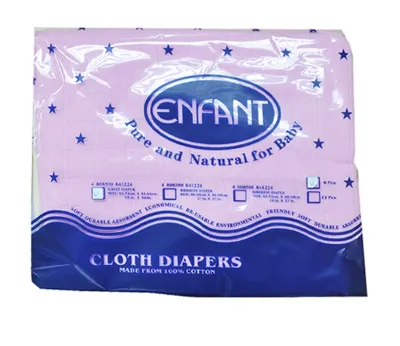
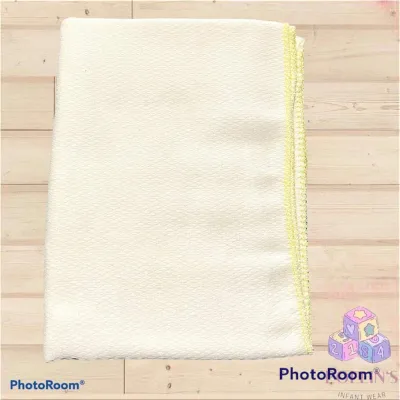
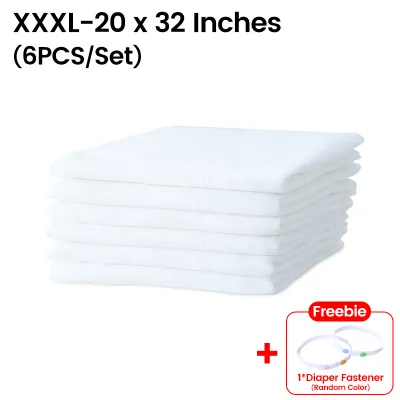
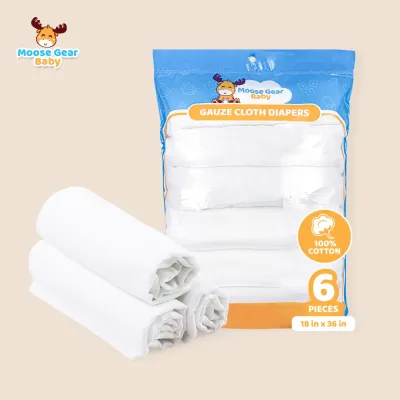

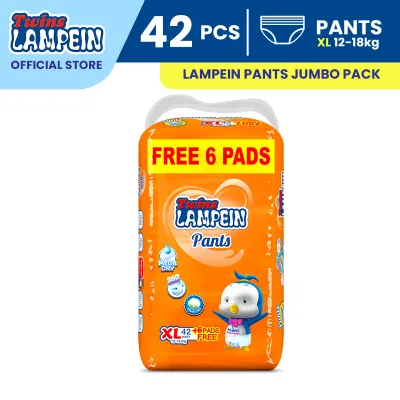
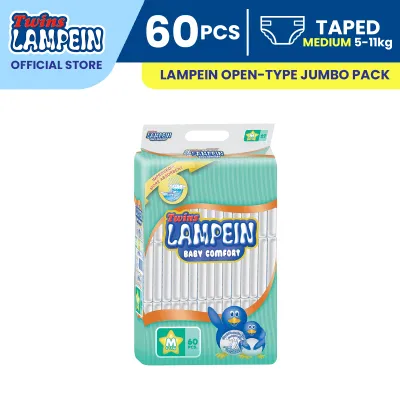
Prices are valid at publication and may change. Please refer to the product page for the latest price.
Understanding the Mechanics: Pocket, All-in-One, and Flat Lampin Options
To make an informed choice, you must first understand how each diaper system is constructed. Every cloth diaper requires two basic components to work: a waterproof outer layer to keep wetness inside, and an absorbent inner layer to soak up liquid. How these two layers are integrated determines the category of the diaper.
Pocket diapers feature a waterproof outer shell (usually made of polyurethane laminate, or PUL) sewn to an inner lining of stay-dry fabric, such as microfleece or microsuede. This construction creates an opening or “pocket” at the back or front of the diaper. You insert absorbent pads, known as inserts, into this pocket before putting the diaper on your baby. The stay-dry inner lining sits directly against the baby’s skin, drawing moisture away into the hidden insert below.
All-in-One (AIO) diapers are designed to mimic the simplicity of a disposable diaper. In an AIO, the absorbent layers are sewn directly into the waterproof outer shell. There is no need to stuff inserts or fold fabric before use. You simply adjust the snaps to fit your baby, put the diaper on, and toss the entire unit into the laundry bin once it is soiled. This design represents the most integrated and user-friendly structure on the market.
Flat diapers represent the classic, time-tested approach to diapering. A flat is a large, single-layer square of woven fabric, typically made of cotton, bamboo, or hemp. This is the modern version of the traditional Filipino lampin. Because a flat diaper is not waterproof on its own, it must be folded around the baby, secured with a diaper fastener or safety pins, and covered with a separate, wipeable waterproof diaper cover. Alternatively, flats can be folded into a simple rectangle (called a pad fold) and laid directly inside the waterproof cover.
Ease of Use and Assembly: The Daily Learning Curve
The daily effort required to prepare and change diapers plays a significant role in whether parents stick with cloth diapering long-term. Each system presents a different workflow during daily diaper changes and laundry preparation.

All-in-One diapers offer the gentlest learning curve. Because they require zero assembly, they are the ultimate “grab-and-go” option. This makes AIOs highly practical for sleep-deprived night changes, busy mornings, or when leaving your baby with grandparents, babysitters, or daycare providers who may be intimidated by complex folding or stuffing routines. The simplicity of an AIO minimizes the risk of assembly mistakes that could lead to leaks.
Pocket diapers require a dedicated preparation step after every wash cycle. Once the diapers are dry, you must manually stuff the absorbent inserts back into the pockets before they can be used. While this stuffing process only takes a few seconds per diaper, preparing a large batch of 20 to 30 diapers can become a tedious chore. However, once stuffed, putting a pocket diaper on a baby is just as quick and easy as putting on an AIO or a disposable.
Flat diapers have the steepest learning curve for beginners. Mastering folds like the “origami fold” or the “angel fold” requires patience and practice, especially with an active, wriggling infant. Securing the fabric snugly around the baby’s hips and legs takes physical coordination. While pad-folding a flat diaper inside a cover removes the need for complex folding, flats remain the most hands-on option, requiring the caregiver to actively participate in shaping the diaper to the baby’s body.
Laundry and Drying: Managing Routines in Humid Weather
In the Philippines, local weather patterns heavily influence the success of a cloth diapering routine. High relative humidity, seasonal monsoon rains (habagat), and limited indoor drying space can make washing and drying a major bottleneck for families.
Flat diapers are the absolute champion when it comes to laundry efficiency. Because they consist of a single layer of fabric, they wash clean very easily. Water and detergent can penetrate the fibers thoroughly, reducing the risk of detergent buildup or trapped bacteria. More importantly, flats dry incredibly fast. On a sunny day, they can dry on a clothesline (sampayan) in under two hours. Even during rainy seasons or when dried indoors with a simple electric fan, flats dry quickly, preventing the sour smell, mildew, and ammonia buildup that can occur when wet fabric sits damp for too long.
All-in-One diapers present the greatest challenge in humid climates. Because their thick absorbent layers are permanently sewn together, air cannot easily circulate through the center of the diaper. Consequently, AIOs take the longest time to dry. In humid weather, an AIO can take over 24 hours to line-dry completely. If you do not have a reliable clothes dryer or a highly ventilated indoor drying area, maintaining a large stash of AIOs during the wet season can be difficult and may require you to purchase more diapers to cover the slow drying turnaround.
Pocket diapers offer a practical middle ground. After washing, you separate the insert from the waterproof shell. The pocket shells, made of thin polyester and PUL, dry on the line in a matter of minutes. The inserts, which are separate layers of microfiber, bamboo, or hemp, take a moderate amount of time to dry. Because the absorbent material is not attached to the waterproof cover, air can circulate around both sides, allowing them to dry significantly faster than AIOs.
Absorbency and Fit: Meeting Your Baby’s Needs
As babies grow, their wetting patterns and body shapes change. A diaper must provide reliable absorbency and a snug, gap-free fit to prevent leaks and protect the baby’s delicate skin from irritation.
Flat diapers offer a highly customized fit. Because you fold the fabric yourself, you can adjust the width of the crotch, the snugness around the thighs, and the rise of the waist to match your baby’s exact proportions. This custom fit is highly effective at containing liquid messes. Furthermore, flats made of natural cotton or bamboo are highly breathable, allowing air to circulate and reducing the risk of diaper rash. However, because flats do not have a built-in stay-dry layer, your baby will feel the wetness immediately unless you add a separate fleece liner.
Pocket diapers excel in absorbency customization. If your baby is a heavy wetter or needs a diaper that can last through a long night’s sleep, you can easily slide extra inserts into the pocket. For example, you can combine a fast-absorbing microfiber insert on top with a high-capacity, slow-absorbing hemp insert underneath. The stay-dry inner lining of the pocket diaper also keeps wetness away from your baby’s skin, which is highly beneficial for babies prone to skin irritation from prolonged moisture exposure.
All-in-One diapers have a fixed absorbency capacity. While some AIO designs feature a small pocket or snaps to attach extra boosters, they generally offer less flexibility than pocket diapers. If your baby outgrows the built-in absorbency of an AIO, adding extra inserts can make the diaper excessively bulky, which can affect the fit around the legs and potentially cause leg gaps where urine can leak out.
Additionally, caregivers must pay close attention to fabric safety. Synthetic microfiber inserts, which are highly common and affordable, must never be placed directly against a baby’s skin. Microfiber is designed to strip moisture so rapidly that it can cause severe drying, chafing, and painful rashes. If you use microfiber inserts, they must always be stuffed inside a pocket diaper shell or placed underneath a natural fabric barrier.
Cost and Value: Budgeting for Your Cloth Diaper Stash
Building a cloth diaper collection requires an upfront financial investment. To diaper a baby full-time, you will generally need a stash of 20 to 30 diapers, depending on how frequently you plan to wash them.
+-------------------------------------------------------------------------+
| Relative Cost Hierarchy of Cloth Diaper Systems                         |
+---------------------------------+---------------------------------------+
| Diaper Type                     | Upfront Cost Level                    |
+---------------------------------+---------------------------------------+
| Flat Diapers (Modern Lampin)    | Lowest (Highly Budget-Friendly)       |
| Pocket Diapers                  | Mid-Range (Moderate Investment)       |
| All-in-One (AIO) Diapers        | Highest (Premium Investment)          |
+---------------------------------+---------------------------------------+
Flat diapers represent the most budget-friendly entry point. Because the fabric squares are inexpensive to manufacture, you can purchase a large quantity of flats for a fraction of the cost of other systems. You only need to purchase a few waterproof covers (typically 4 to 6 covers are sufficient, as they can be wiped clean and reused multiple times before washing). This makes flats an incredibly economical choice for families looking to minimize their initial expenses.
Pocket diapers sit in the mid-range of the cost spectrum. They are typically sold as a set containing one shell and one or two inserts. While more expensive than flats, they are widely available in bulk packs and local brands, making them a highly popular choice for parents seeking a balance of convenience and affordability.
All-in-One diapers are the most expensive option per unit. Because of their complex construction and integrated premium materials, buying a full stash of 24 AIOs requires a substantial upfront investment. While they offer unmatched convenience, the high cost per diaper can be a barrier for budget-conscious families.
When evaluating long-term value, consider durability. Flat diapers have no built-in elastics or laminated waterproof barriers to wear out. A high-quality cotton flat can survive hundreds of hot washes and be passed down to multiple siblings. Waterproof covers and pocket shells, which contain delicate elastics and polyurethane laminates, can degrade over time if exposed to high heat or harsh chemicals. AIOs, which must undergo the entire wash and dry process as a single unit every time, tend to experience wear and tear faster than separate components.
Side-by-Side Comparison Matrix
To help you visualize how these three popular systems compare across key decision factors, review the summary table below.
| Feature | Pocket Diapers | All-in-One (AIO) | Flat Diapers (Modern Lampin) |
|---|---|---|---|
| Assembly Time | Moderate (Requires stuffing after washing) | None (Ready to use immediately) | High (Requires folding and securing) |
| Drying Speed | Moderate (Shells dry fast; inserts take longer) | Slow (Thick, integrated layers dry slowly) | Very Fast (Single-layer fabric dries rapidly) |
| Absorbency Customization | High (Can mix and match various inserts) | Low to Moderate (Fixed built-in capacity) | Moderate (Can fold extra layers into wet zones) |
| Upfront Cost | Moderate | High | Low |
| Best For | Parents wanting customizable absorbency | Daycare, babysitters, and night changes | Budget-conscious parents in humid climates |
The Decision Framework: Which System Fits Your Lifestyle?
No single cloth diaper system is perfect for every family. The best approach is to evaluate your living situation, your daily schedule, and your laundry resources to determine which option aligns with your household.
Choose Pocket Diapers if:
- You want a dry-feeling barrier against your baby's skin without purchasing extra liners.
- You want the ability to customize absorbency easily for heavy wetters or overnight use.
- You have a moderate budget and do not mind spending 15 to 20 minutes stuffing diapers after laundry day.
- You want a diaper that is easy for secondary caregivers to use once it has been pre-stuffed.
Choose All-in-One Diapers if:
- Convenience is your absolute priority, and you want a system that functions exactly like a disposable diaper.
- Your baby will be cared for by daycare staff, grandparents, or nannies who prefer a simple, snap-and-go routine.
- You have a flexible budget that can accommodate a higher upfront investment.
- You own a mechanical clothes dryer or have a highly ventilated, sunny outdoor area that can handle slow-drying fabrics.
Choose Flat Diapers (Modern Lampin) if:
- You are working with a tight budget and want to minimize your initial financial outlay.
- You live in an area with high humidity or frequent rainy seasons where fast line-drying is essential to prevent mildew.
- You prefer natural, highly breathable fibers directly against your baby’s skin to minimize the risk of heat rash and irritation.
- You want a highly durable diaper stash that can easily be reused for future children without worrying about elastic degradation.
- You enjoy the hands-on aspect of learning custom folds to achieve a perfect, leak-proof fit.
The Mix-and-Match Strategy
Remember that you do not have to commit exclusively to one diaper style. Many experienced parents find that a hybrid stash works best. For example, you might use highly economical flat diapers at home during the day when you can change the baby frequently, and keep a small collection of pre-stuffed pocket diapers or AIOs in your diaper bag for outings, travel, or stress-free nighttime changes.
Practical Tips for Transitioning to Cloth Diapers
To ensure a smooth transition to cloth diapering and avoid common beginner pitfalls, keep these practical, low-risk guidelines in mind:
- Prepping New Diapers: Before using your diapers for the first time, they must be washed. Synthetic materials (like microfiber inserts and polyester pocket shells) only need a single wash with detergent to remove manufacturing residues. Natural fibers (such as cotton flats, bamboo, and hemp inserts) contain natural plant oils that inhibit absorbency. These materials must be washed and dried 3 to 5 times before their first use to reach their full absorbent capacity.
- Establish a Simple Wash Routine: A reliable wash routine is key to preventing odors and rashes. Start with a short, cool pre-wash or rinse cycle without detergent to flush away waste. Follow this with a long, warm or hot main wash cycle using a standard, enzyme-rich laundry detergent. Ensure the diapers are rinsed thoroughly to remove all soap residue. Avoid using fabric softeners, as they leave a waxy coating on the fibers that causes the fabric to repel liquid, leading to immediate leaks.
- Use Cloth-Safe Rash Creams: Traditional diaper rash creams containing zinc oxide or petroleum jelly can create a waterproof barrier on cloth diapers that is extremely difficult to wash out, leading to repelling issues. If your baby needs a rash cream, look for products explicitly labeled "cloth-safe," or place a reusable fleece or flushable paper liner inside the diaper to protect the fabric from the cream.
- Verify Manufacturer Guidelines: Always check the specific care labels and documentation provided by the manufacturer of your diapers. Different brands have specific temperature limits for washing and drying to protect the polyurethane laminate (PUL) waterproof layer and preserve the elastics. If a baby develops a persistent, unexplained rash, stop using cloth diapers temporarily and consult a pediatrician or pediatric dermatologist to rule out yeast infections or contact allergies.
Frequently Asked Questions (FAQ)
Can I mix different types of cloth diapers in my stash?
Yes, mixing different diaper systems is highly recommended for beginners. Purchasing a small variety of flats, pockets, and All-in-Ones allows you to test each system in real-world conditions before investing heavily in a full stash. Many families find that using flats at home during the day and switching to pocket diapers for outings or nighttime provides the perfect balance of affordability and convenience.
Do I need to change cloth diapers more often than disposables?
Generally, yes. To maintain optimal skin health and prevent ammonia buildup, cloth diapers should be changed every 2 to 3 hours, or immediately when soiled with solid waste. While disposable diapers contain chemical gelling agents that mask wetness for long periods, cloth diapers rely on physical fabric absorbency. Regular changes keep your baby comfortable and minimize the risk of diaper rash.
How do I handle solid waste when using cloth diapers?
For babies who are exclusively breastfed, their waste is completely water-soluble and can go directly into your washing machine without pre-rinsing. Once your baby starts eating solid foods or formula, the waste must be removed before the diaper goes into the wash. You can easily shake or scrape solid waste into the toilet, or use a handheld bidet sprayer to rinse the diaper over the toilet bowl. Using flushable or reusable liners can also simplify this process by catching the solid waste for quick disposal.
Community discussion
Share your experience or ask a question. Comments are reviewed before publication.