
A 6-layer muslin blanket is a versatile baby bedding option made by stitching six individual sheets of open-weave muslin fabric together. This construction creates a thicker, weightier blanket that retains the signature breathability of muslin while offering enhanced warmth and absorbency. For parents navigating tropical climates, air-conditioned nurseries, or seasonal transitions, understanding how this multi-layered fabric behaves is key to selecting the right bedding for a baby’s comfort and safety.
How 6-Layer Muslin Compares to Lighter Options
Muslin is celebrated for its open, plain-weave structure, which allows air to flow freely. When manufacturers stack six of these lightweight sheets together, they create a unique microclimate. The layers trap small pockets of air between them, providing natural insulation. However, because each individual layer is incredibly thin and porous, the overall structure remains significantly more breathable than a single sheet of heavy, tightly woven cotton or synthetic fleece.
The primary difference between a 6-layer blanket and its lighter 2-layer or 4-layer counterparts lies in weight and drape. A standard 2-layer swaddle is highly packable, sheer, and designed primarily for wrapping newborns or providing a minimal shield against a light breeze. A 4-layer blanket offers moderate warmth, often serving as a versatile stroller cover. In contrast, the 6-layer version has a distinct, comforting weightiness. It drapes securely over the body, providing a tactile sensation that many babies find soothing, though it takes up more space in a diaper bag.
Products mentioned in this guide
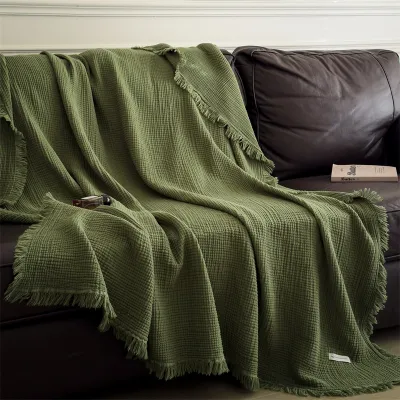
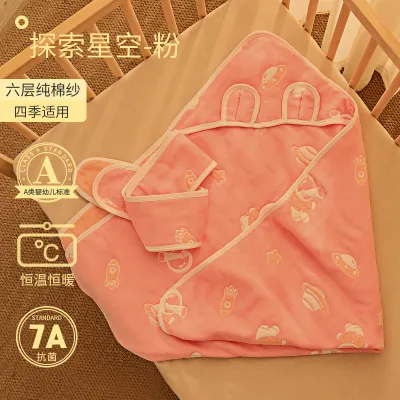
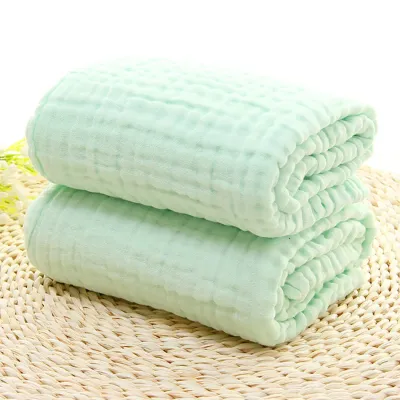
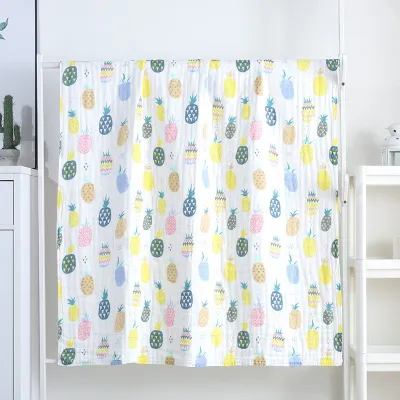
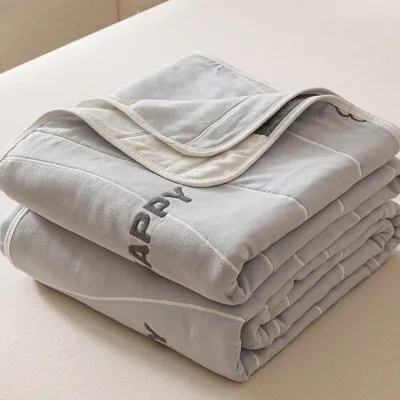
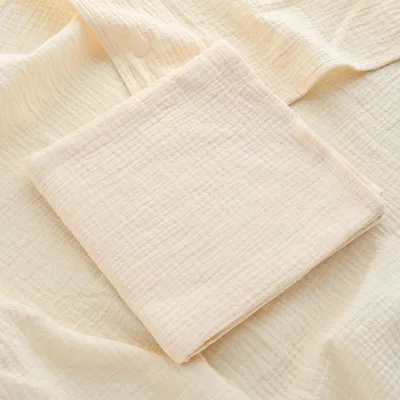
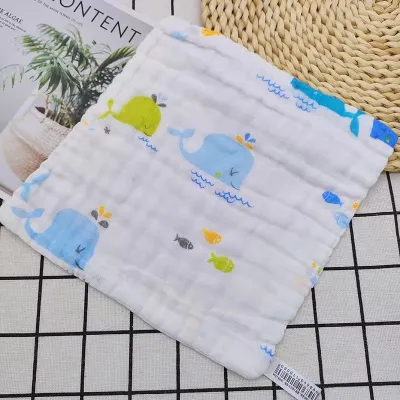
Prices are valid at publication and may change. Please refer to the product page for the latest price.
Because there is no universal standard for yarn thickness or weave density, parents should physically assess the blanket whenever possible. Two blankets labeled as “6-layer” can feel remarkably different. One made with fine, high-twist yarns will feel light and airy, while another made with thicker, low-twist yarns will feel dense and exceptionally warm. Checking the loft—the thickness or fluffiness of the combined layers—helps you gauge how much insulation the blanket will actually provide in your specific home environment.
When to Choose a 6-Layer Muslin Blanket for Your Baby
In tropical regions like the Philippines, indoor and outdoor temperatures can vary dramatically. While a 6-layer muslin blanket might be too warm for an un-air-conditioned room during the middle of the day, it is often the ideal weight for air-conditioned nurseries where temperatures are kept consistently cool. It also serves as an excellent transitional blanket when your baby outgrows the need for swaddling but still benefits from the comforting weight of a soft cover during supervised sleep or rest periods.

Caregivers must rely on physical cues from the baby rather than relying solely on room thermometers or fixed temperature charts. To check if your baby is comfortable, gently place your hand on the back of their neck or their chest. If the skin feels hot, damp, or flushed, or if you notice sweating or rapid breathing, the baby is likely overheating, and you should remove the blanket or switch to a lighter alternative. Conversely, if their chest feels cool to the touch, they may require an additional layer or a slightly warmer sleep environment.
Safety must always dictate how and when you introduce blankets to the sleep space. According to safe sleep guidelines, loose blankets should not be placed in a crib with an infant who cannot easily move them. For very young infants, swaddles or wearable sleep sacks are the standard recommendation. A 6-layer blanket is best reserved for older babies who have developed the mobility to push covers away from their faces, or for supervised uses such as stroller rides, tummy time on the floor, or nursing covers.
What to Check on the Label Before Buying
Before purchasing a blanket from an online marketplace or local boutique, examine the fabric composition tag carefully. Most muslin blankets are made from 100% cotton, which is highly absorbent, durable, and becomes softer with every wash. You will also find bamboo-derived rayon or bamboo-cotton blends. Bamboo blends often feel silkier and cooler to the touch initially, but they may require more delicate washing care. Choosing the right fiber blend depends on whether you prioritize maximum durability or immediate, silky softness.
Do not rely solely on descriptive marketing terms like “organic” or “hypoallergenic” printed on the front of the packaging. Instead, look for recognized, independent textile certifications on the label. Certifications such as OEKO-TEX Standard 100 or the Global Organic Textile Standard (GOTS) indicate that the fabric has been tested for harmful substances and meets strict environmental and safety criteria. Verifying these independent labels ensures that the materials coming into direct contact with your baby’s sensitive skin are verified safe.
Size is another critical factor to verify on the product label. Muslin blankets come in various dimensions, ranging from small security blankets to large toddler-sized throws. A blanket measuring around 110 cm by 110 cm is highly versatile, serving well as a stroller canopy, a clean surface for tummy time, or a cozy wrap. Ensure the dimensions match your intended use; a blanket that is too large can bunch up excessively, creating a potential hazard, while one that is too small will quickly be outgrown.
Washing and Drying Guidelines for Multi-Layer Muslin
Proper maintenance is essential for preserving the structural integrity of a multi-layer blanket. Always consult the manufacturer’s specific care label before the first wash. Because six layers of fabric are stitched together, water and laundry detergent can easily become trapped within the inner layers if the blanket is not rinsed thoroughly. Use a gentle, baby-safe detergent and avoid fabric softeners, which can coat the fibers and reduce the natural absorbency of the muslin.
The physical characteristics of muslin change naturally after washing. You should expect some shrinkage and a distinct puckering or “waffle” texture to develop as the threads contract. This puckering is actually desirable, as it increases the blanket’s softness and loft. However, keep an eye out for severe distortion, uneven shrinkage between the layers, or seam separation. If the stitching along the edges begins to unravel, stop using the blanket immediately to prevent loose threads from wrapping around your baby’s fingers or toes.
Drying a 6-layer blanket requires extra attention, particularly in humid tropical climates. The dense, multi-layered structure holds moisture much longer than a single-layer swaddle. Line drying in a well-ventilated area under direct sunlight is highly effective for natural sanitization, but you must ensure the inner layers are completely dry before folding and storing the blanket. Storing a damp blanket in a closet can quickly lead to mildew growth and unpleasant odors, which can irritate your baby’s respiratory system.
Frequently Asked Questions (FAQ)
Can a 6-layer muslin blanket be used in hot weather?
While muslin is naturally breathable, a 6-layer construction traps significantly more body heat than a single- or double-layer blanket. In hot, humid weather without air conditioning, a 6-layer blanket is generally too warm for safe sleep. In these conditions, it is safer to use a single-layer muslin swaddle, a lightweight wearable sleep sack, or simply dress your baby in a light cotton onesie without any top covers. Save the 6-layer blanket for air-conditioned rooms or cooler rainy days.
How do I know if my baby is too warm under a 6-layer blanket?
You can determine if your baby is overheating by checking their core temperature rather than their extremities. It is normal for a baby’s hands and feet to feel slightly cool to the touch. Instead, place your hand on their chest or the back of their neck. If these areas feel hot, sweaty, or damp, or if the baby has flushed cheeks and is breathing rapidly, they are too warm. Immediately remove the blanket and allow them to cool down in a well-ventilated space.

Community discussion
Share your experience or ask a question. Comments are reviewed before publication.