
Quick Answer: Matching the Cup to Your Baby's Weaning Stage
Choosing the right cup for your baby during the weaning journey depends heavily on their current developmental stage and physical milestones. While the interactive whale spray sippy cup offers high engagement and novelty for older toddlers, traditional straw cups and 360-degree cups are generally more appropriate for early weaning stages. These traditional options focus on building foundational oral motor skills, such as proper tongue positioning and lip sealing, which are critical when transitioning away from bottles or breastfeeding.
The whale spray sippy cup, which features a playful mechanism that sprays a small stream of water when the child sips, serves as an excellent motivational tool. However, it is best introduced after your child has already mastered basic drinking mechanics. For infants just starting their weaning journey around six months of age, simpler designs like open cups or straw cups remain the recommended starting point. Ultimately, the best cup is not a single universal product, but rather the one that matches your child’s current physical capabilities and your immediate hydration goals.
Developmental Milestones and Cup Requirements by Stage
The transition from breast or bottle to a cup is a complex physical process that unfolds over several months. To support this journey safely, parents should view weaning as a series of three distinct developmental phases, each requiring different cup characteristics. Introducing the wrong type of cup too early can hinder oral development or lead to persistent swallowing habits that are difficult to correct later.
Products mentioned in this guide
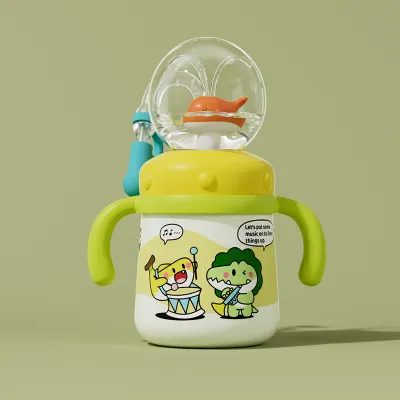
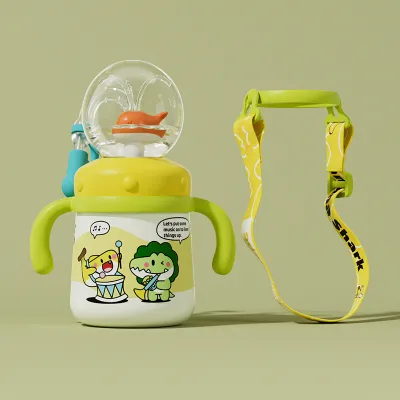
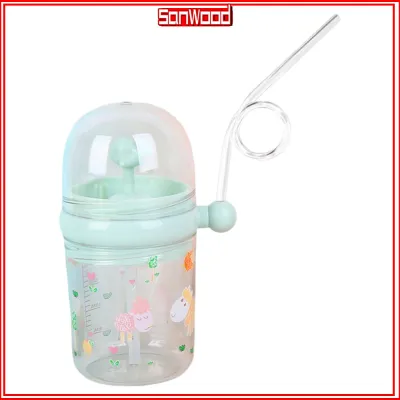
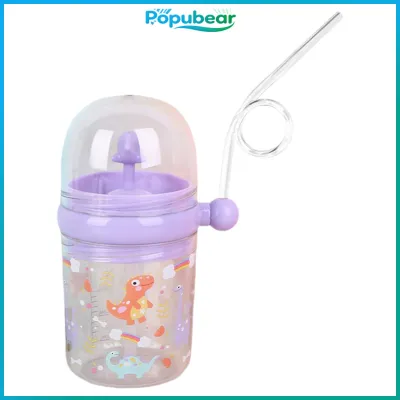
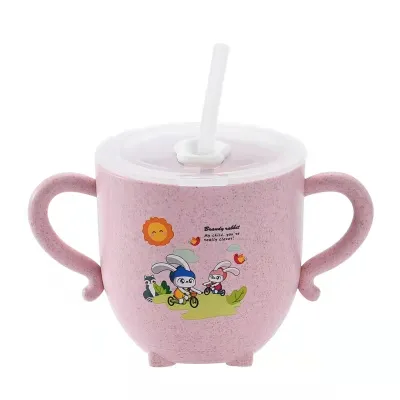
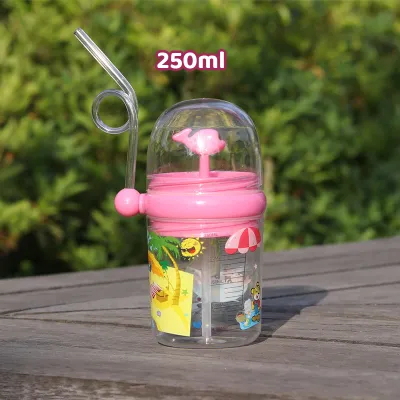
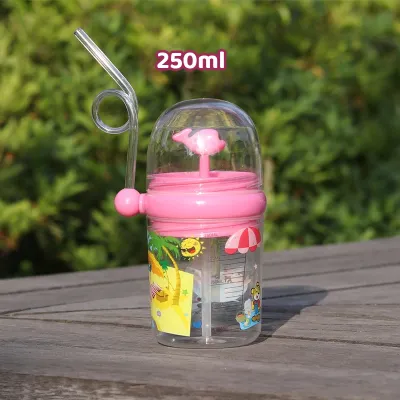
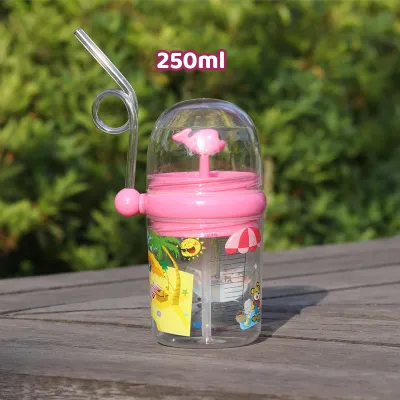
Prices are valid at publication and may change. Please refer to the product page for the latest price.

Early Introduction (Around 6 Months)
At approximately six months of age, infants begin their complementary feeding journey. At this stage, their oral motor skills are still dominated by the suckle reflex, where the tongue moves forward and backward to extract liquid. The primary developmental goal of this phase is to introduce the concept of sipping, which requires the infant to draw liquid into the mouth without relying on a deep sucking motion.
During this early introduction, infants are learning to coordinate their breathing with swallowing. Cup designs for this stage must have a slow, manageable flow rate to prevent choking or sputtering. Many pediatric feeding specialists recommend starting with tiny, open cups held by a caregiver, or weighted straw cups that allow the infant to drink from any angle. These choices help the infant learn to seal their upper lip against a rim or straw, initiating the transition to mature swallowing patterns.
Active Transition (9 to 12 Months)
Between nine and twelve months, infants develop greater trunk stability, hand-eye coordination, and finger dexterity. This is the phase where they transition from passive recipients of liquids to active participants who want to hold their own cups. Their oral motor skills are evolving rapidly; the tongue begins to retract during swallowing, and the jaw becomes more stable.
Cups used during this active transition should encourage independent holding while continuing to support oral development. Straw cups are particularly beneficial during this period because they promote tongue retraction and strengthen the cheeks and lips. Parents should look for cups with sturdy, easy-to-grip handles that allow the baby to practice bringing the cup to their mouth independently. Minimizing spills is also a practical priority during this stage as babies experiment with tipping and shaking their cups.
Toddler Independence (12+ Months)
By the time a child reaches twelve months and enters toddlerhood, they are ready to master independent drinking. At this stage, the child should be transitioning away from bottles entirely to protect their developing teeth and palate. Their oral motor skills are now advanced enough to handle more complex drinking patterns, including the mature swallow where the tongue tip elevates against the roof of the mouth.
Toddlerhood is the ideal time to introduce advanced cup designs, such as 360-degree cups and standard open cups. These designs require the child to tilt the cup, control the flow of liquid using their upper lip, and coordinate a clean swallow without spilling. While interactive cups can be introduced during this phase to make drinking water more appealing, they should remain secondary to cups that reinforce these mature, independent drinking habits.
Evaluating the Whale Spray Sippy Cup: Engagement vs. Practicality
The whale spray sippy cup has gained significant popularity as an interactive option designed to make hydration fun. This cup typically features a cartoon whale situated inside the lid or chamber; as the child sips water through the straw, the air pressure or suction causes a tiny stream of water to spray out of the whale’s blowhole. Understanding both the developmental benefits and the practical maintenance requirements of this design is essential before adding it to your weaning toolkit.
In a tropical climate like the Philippines, keeping active toddlers hydrated is a daily priority. The high humidity and warm temperatures mean children lose fluids quickly through sweat, and convincing a busy toddler to sit still and drink plain water can be a constant challenge. The primary benefit of the whale spray sippy cup is its high engagement factor. The playful spraying action transforms a routine task into an interactive game, which can successfully motivate stubborn toddlers to consume more water throughout the day.
However, this interactive feature comes with notable practical limitations that parents must weigh carefully. The very mechanism that makes the cup engaging can also serve as a major distraction. Toddlers may focus entirely on making the whale spray water rather than actually swallowing the fluid, leading to play-drinking, spitting, or water being sprayed onto their clothes and surroundings. This can turn a hydration session into a messy cleanup chore, making it less suitable for use outside the home or during quiet meal times.
The most critical consideration when evaluating a whale spray sippy cup is its cleaning complexity. The internal spray mechanism, small tubes, and pressure valves create numerous tiny, enclosed spaces where water can easily become trapped. In a humid environment, these dark, damp chambers are highly susceptible to the rapid growth of black mold and bacterial biofilm. If these components are not thoroughly cleaned and dried after every single use, the child risks inhaling or ingesting harmful pathogens.
Before purchasing or using a whale spray cup, parents must carefully read the manufacturer’s disassembly and cleaning instructions. Ensure that every single component of the spray mechanism can be completely detached, scrubbed with a small brush, and left to dry in a well-ventilated area. If the design features sealed chambers or non-removable parts that cannot be visually inspected and cleaned, it is safest to discontinue use. Parents should also inspect the cup daily for any signs of discoloration, musty odors, or persistent moisture within the spray assembly.
Traditional Alternatives: Straw, Spout, and 360-Degree Cups
To make an informed decision, it is helpful to compare the interactive whale spray design against traditional weaning cups. These classic alternatives have been refined over decades to support specific stages of oral motor development while addressing the practical needs of busy households.
Straw and Spout Cups for Early Transition
Straw cups are widely regarded by pediatric feeding experts as one of the best tools for early weaning. When a baby drinks from a straw, they must wrap their lips tightly around it and draw liquid back using active muscle coordination in their cheeks and tongue. This action promotes tongue retraction, which is the backward movement of the tongue that replaces the infantile suckling reflex. Using a straw cup helps build the muscle tone necessary for clear speech development and efficient chewing.
Spout cups, particularly those with hard plastic spouts, are a traditional transition tool but come with developmental trade-offs. The rigid shape of a hard spout often forces the baby’s tongue to remain flat and forward, mimicking the bottle-feeding motion. Prolonged use of hard spout cups can interfere with natural palate development and dental alignment, potentially leading to speech issues or an open bite. If you choose to use a spout cup during the early transition, opt for soft, flexible silicone spouts and plan to transition your child to a straw or open cup as soon as they show stable swallowing coordination. Always check the manufacturer’s age guidelines and material safety labels to ensure the cup is free from BPA and other harmful chemicals.
360-Degree and Open Cups for Toddler Independence
The 360-degree cup is an innovative bridge between spill-proof sippy cups and standard open cups. These cups feature a circular lip with a silicone valve that seals completely when not in use. When the toddler places their lips anywhere on the rim and sips, the pressure releases the seal, allowing liquid to flow. This design is highly beneficial because it teaches the child to drink from a rim using a natural lip-sealing motion without the risk of major spills, making it an excellent choice for active toddlers and car rides.
Open cups represent the ultimate milestone in a child’s drinking development. Drinking from an open cup requires advanced hand-eye coordination to tilt the cup at the correct angle, control the flow rate, and swallow without choking. While open cups are undeniably messy in the beginning, practicing with small amounts of water in a durable, weighted silicone cup helps toddlers build confidence and motor control. Transitioning to an open cup by eighteen months is highly recommended to ensure healthy oral development and independent self-feeding habits.
Side-by-Side Comparison of Key Features
The following table provides a direct comparison of the whale spray cup and traditional alternatives across key developmental and practical dimensions.
| Cup Type | Best Weaning Stage | Primary Oral Motor Benefit | Cleaning Complexity | Spill Risk |
|---|---|---|---|---|
| Whale Spray / Interactive | Toddler Independence (12+ Months) | Encourages hydration through play; minimal developmental training | High; requires detailed disassembly of spray parts | Low to Moderate (depending on play) |
| Straw Cup | Early Transition to Independence (6+ Months) | Promotes tongue retraction and lip strength | Moderate; requires straw brush cleaning | Low (with spill-proof valves) |
| 360-Degree Cup | Active Transition to Independence (9+ Months) | Teaches rim drinking and upper lip sealing | Low to Moderate; easily disassembled silicone valve | Very Low |
| Open Cup | Early Introduction & Toddler Independence (6+ Months) | Teaches complete flow control and mature swallowing | Very Low; simple open vessel | High; requires active supervision |
Note: Always check the manufacturer’s product label for specific age recommendations, material certifications, and detailed care instructions before introducing any cup to your child.
Decision Framework: Which Cup Should You Choose?
Selecting the right cup does not require buying every option on the market. By assessing your child’s current development and your daily routine, you can choose the most practical and beneficial tool for your household.
Choose the Whale Spray Cup If:
- Your child is an older toddler (typically 12 to 18+ months) who has already mastered basic drinking skills but resists drinking plain water.
- You live in a warm, humid environment where encouraging frequent hydration is a primary daily concern.
- You have the time and patience to meticulously disassemble, clean, and thoroughly dry the complex spray components after every single use to prevent mold growth.
Choose a Straw or 360-Degree Cup If:
- Your baby is in the early or active transition stages of weaning (6 to 12 months) and needs to develop foundational oral motor skills.
- You require a reliable, everyday cup that minimizes spills during meals, travel, or independent play.
- You prefer a straightforward cleaning routine that does not involve intricate internal mechanisms or hard-to-reach chambers.
Verify First If:
- Your child has any known oral motor delays, physical swallowing difficulties, or dental concerns; in these cases, consult a pediatric speech-language pathologist or pediatrician before introducing interactive or specialized cups.
- The interactive spray mechanism of your current cup shows any signs of trapped black spots, persistent moisture, or a musty smell that cannot be resolved through standard cleaning. If these signs are present, stop using the cup immediately to protect your child's health.
Frequently Asked Questions (FAQ)
Do interactive spray cups affect oral motor development?
While interactive spray cups are excellent motivational tools for hydration, they should not be used as the primary cup for teaching foundational drinking skills. These cups focus more on play and engagement rather than reinforcing the specific lip-sealing and tongue-retraction mechanics taught by standard straw or open cups. For optimal oral motor and dental development, use interactive cups as a fun, secondary option for outdoor play or hot afternoons, while relying on straw and 360-degree cups for daily meals and core skill building.
How should I clean complex spray mechanisms to prevent mold?
To prevent the growth of mold and bacteria in complex spray mechanisms, you must fully disassemble the cup after every use according to the manufacturer’s official care instructions. Use a small, specialized cleaning brush to scrub inside the spray nozzle, tubes, and air valves with warm, soapy water. Rinse all components thoroughly and lay them out to air dry completely in a well-ventilated area before reassembling. If any part of the spray assembly is permanently sealed and cannot be opened for cleaning, or if you notice persistent black residue that cannot be removed, discontinue use of the cup immediately to ensure your child’s safety. Always refer to the product’s official packaging for specific washing, boiling, or sterilizing limits.

Community discussion
Share your experience or ask a question. Comments are reviewed before publication.