
Transitioning from breast or bottle feeding to a cup is a major milestone in your baby’s weaning journey. In the warm, humid climate of the Philippines, keeping your baby hydrated with water or breast milk is essential, making a reliable cup a daily necessity. To choose the right weighted straw cup, you must prioritize physical safety, ease of cleaning, and developmental suitability over decorative extras.
Decoding the Weighted Straw Mechanism and Flow Rate
The defining feature of a weighted straw cup is the heavy anchor at the bottom of the straw. This weighted ball uses gravity to ensure the tip of the straw remains submerged in liquid, allowing your baby to drink successfully from almost any angle, whether sitting upright or reclining. For a baby transitioning from a bottle, this mechanism prevents them from sucking in air when they instinctively tilt the cup upward.
When evaluating different cups, pay close attention to the straw’s inner diameter and the manufacturer’s flow-rate specifications. A straw that is too wide may deliver liquid too quickly, causing a young baby to choke or sputter, while a straw that is too narrow can frustrate them. Look for flow rates designed specifically for your baby’s current developmental stage.
Products mentioned in this guide
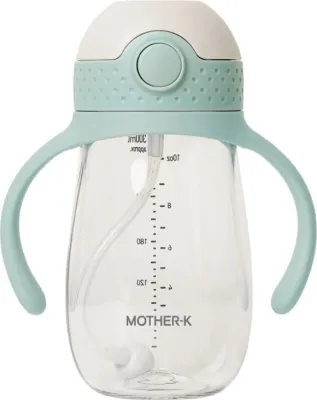
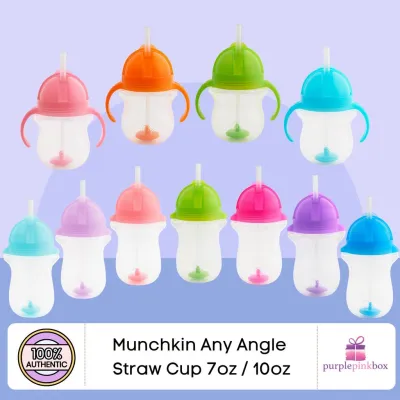
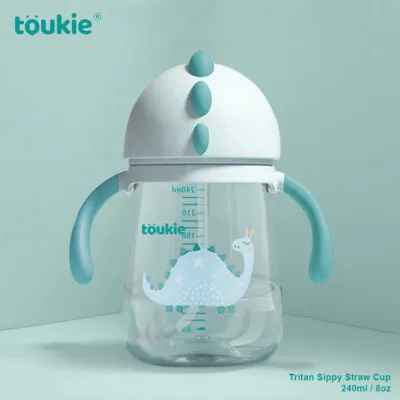
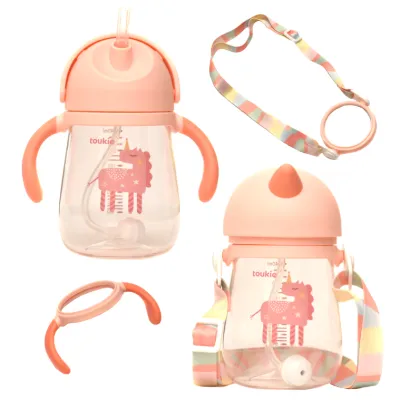

Prices are valid at publication and may change. Please refer to the product page for the latest price.
Equally important is how the weight itself is constructed. Inspect the sealing mechanism where the weight meets the silicone straw. It should be completely enclosed in baby-safe material, with no exposed metal or deep crevices where moisture can linger. In humid environments, poorly sealed weights can trap water, leading to rapid mold growth or rust, which poses a serious health risk.
Evaluating Material Safety and Heat Tolerance Labels
Your baby’s health depends on the chemical safety of the plastics and silicones used in their feeding gear. Always examine the product packaging for explicit declarations that the cup is free from Bisphenol A (BPA), polyvinyl chloride (PVC), and phthalates. These harmful chemicals can leach into liquids, especially when the cup is exposed to warm temperatures or acidic juices.

The cup body and straw are typically made from silicone, polypropylene (PP), or polyphenylsulfone (PPSU). Food-grade silicone is highly flexible, gentle on developing gums, and exceptionally heat-resistant, making it ideal for the straw. For the cup body, PP is lightweight and affordable but may degrade faster under high-heat sterilization. PPSU is a premium alternative that offers superior drop resistance and can withstand frequent high-temperature sterilization without clouding or cracking.
Rather than relying on vague marketing slogans on online marketplaces, verify the physical product labels for age-specific recommendations and recognized safety standards. Look for official certification marks relevant to your region or international standards (such as EN 14350 or FDA compliance) printed directly on the box. If a product lacks clear material labeling or age guidelines, it is best to choose an alternative.
Matching Capacity and Handle Ergonomics to Developmental Stages
A cup that is too heavy or bulky will discourage your baby from practicing self-feeding. For early weaning, typically around six months of age, a smaller capacity of 120 ml to 180 ml is ideal. These smaller cups are lightweight and hold just enough water or breast milk for a single session without tiring your baby’s arms. As your baby grows into an active toddler, you can transition to larger capacities of 240 ml or more.
Handle design plays a crucial role in developing fine motor skills. Look for dual, easy-grip handles that are ergonomically curved for tiny hands. Removable handles offer excellent versatility, allowing you to convert the cup into a bottle-like shape as your child’s grip strength improves.
Additionally, evaluate the physical stability of the cup’s base. A wide, weighted, or rubberized bottom prevents the cup from easily tipping over when placed on a high chair tray or dining table. This stability is particularly helpful during the messy early stages of weaning when babies are still learning to control their movements.
Assessing Cleaning Complexity and Sterilization Limits
In a warm climate, milk and juice residues can quickly become breeding grounds for bacteria. Before purchasing, check the manufacturer’s instructions regarding cleaning complexity. Some cups require specialized, ultra-thin straw brushes to clean the inside of the tube and the weighted ball. If you prefer using a dishwasher, verify that all components are labeled as top-rack dishwasher safe.
To ensure thorough sanitation, choose a cup design that can be completely disassembled. The straw, weighted ball, collar, lid, and handles should all separate easily. Avoid designs with permanently fused parts or deep, unreachable crevices around the valve, as these areas are highly susceptible to mold accumulation.
Always cross-reference the material specifications with your preferred sterilization method. While silicone and PPSU can generally withstand boiling water, steam sterilizers, and UV sterilizers, some PP plastics may warp or degrade under intense UV exposure or extreme heat. Operating outside the manufacturer’s recommended temperature limits can compromise the structural integrity of the leak-proof seals, leading to premature leaks.
Non-Essential Features That Do Not Improve Core Performance
It is easy to get distracted by flashy features that add cost without improving functionality. For instance, highly complex, multi-part leak-proof valves often restrict the flow of liquid so much that the baby must suck with extreme force, leading to frustration. A simple, well-designed cross-cut valve in the silicone straw is usually sufficient to prevent spills while maintaining an easy flow.
Similarly, elaborate cartoon designs, bright novelty shapes, and bundled accessories like matching straps do not contribute to your baby’s developmental progress. Over time, printed patterns may peel or fade after repeated sterilization, and complex shapes can make the cup harder to grip and clean.
Instead of spending extra on these non-essential features, allocate your budget toward high-quality base materials like PPSU and the availability of replacement parts. Because babies frequently bite down on silicone straws, having access to affordable, manufacturer-approved replacement straws is far more valuable than a bundled novelty accessory.
Frequently Asked Questions (FAQ)
When is the right time to introduce a weighted straw cup?
Most babies are ready to try a weighted straw cup around six months of age, coinciding with the start of solid foods. Look for key developmental milestones, such as the ability to sit upright unassisted in a high chair, good head control, and the motor skill to grasp and bring objects to their mouth. Always check the manufacturer’s age recommendations on the packaging, as some cups are specifically designed with firmer straws or faster flows suited for older infants.
How do I know when to replace the straw or weight ball?
Inspect the cup’s components daily during cleaning. You should replace the silicone straw immediately if you observe physical damage, such as deep bite marks, tears, persistent cloudiness, or stubborn discoloration that does not wash away. Additionally, check the weight ball’s seal; if it appears loose, cracked, or shows signs of trapped moisture inside the weight, discard it to prevent choking hazards or mold exposure. Most manufacturers recommend replacing the silicone straw every two to three months for optimal hygiene.

Community discussion
Share your experience or ask a question. Comments are reviewed before publication.