
Choosing the right diaper for an active toddler is a balancing act between secure fit, reliable absorbency, and skin comfort. As toddlers transition from crawling to walking, running, and climbing, their physical movements put unique stresses on diaper seams and waistbands. A diaper that worked excellently during infancy may suddenly sag, leak, or cause chafing once your child becomes highly active. In the Philippines, this challenge is amplified by tropical heat and high humidity, which make breathability and prompt moisture management essential for preventing diaper rash.
To find the most suitable option among popular brands like Unilove XL, Pampers, Huggies, and Equator, parents must look beyond generic marketing claims. The key to making an informed decision lies in understanding how to read diaper packaging, verifying specific structural features, and conducting simple home tests. By focusing on observable design elements rather than brand reputation alone, you can identify which diaper matches your toddler’s unique body shape and activity level.
Key Performance Features to Verify for Active Toddlers
When evaluating diapers for a toddler who is constantly on the move, the internal construction of the diaper is far more important than any “super absorbent” label on the box. Parents should look for specific mentions of absorbency core technology, such as Super Absorbent Polymer (SAP) gel beads or structured channel designs. Channel designs are particularly beneficial for active toddlers because they distribute liquid evenly across the core rather than allowing it to pool in one spot. This even distribution prevents the diaper from sagging heavily between the legs, which can restrict your child’s movement or cause them to trip while running.
Products mentioned in this guide
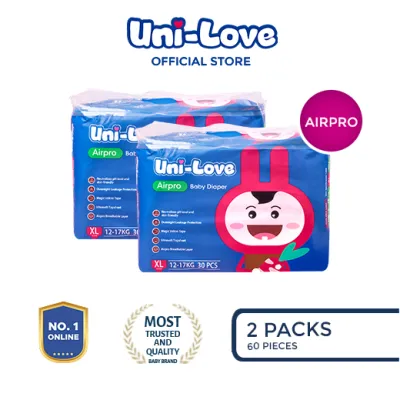
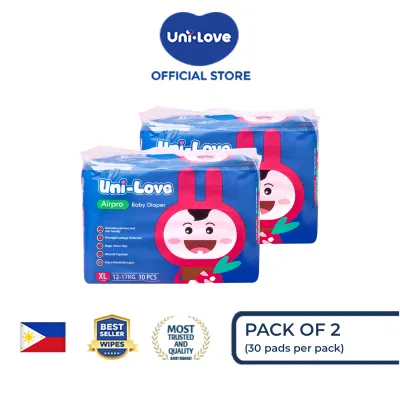
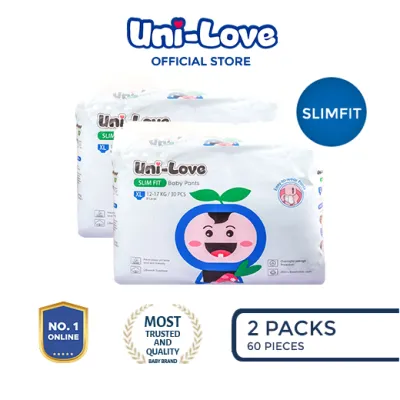
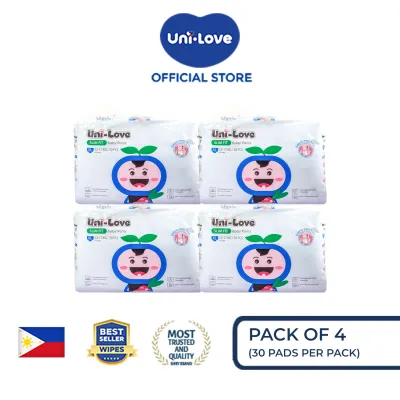
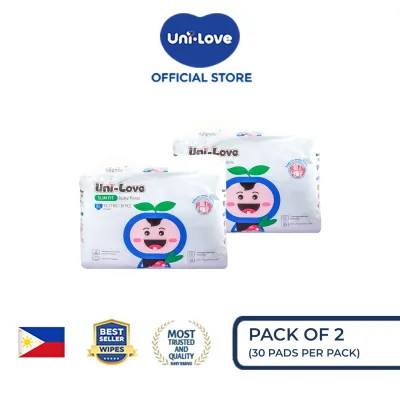
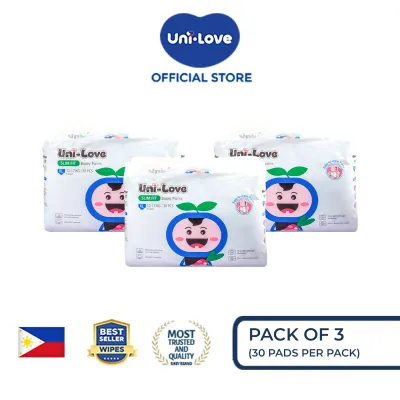
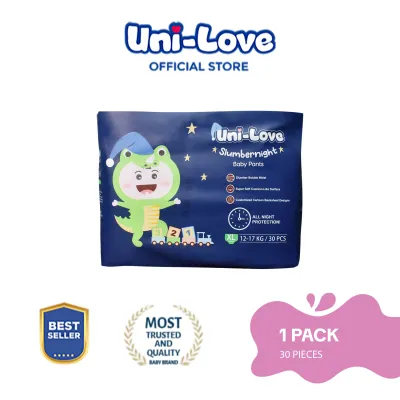
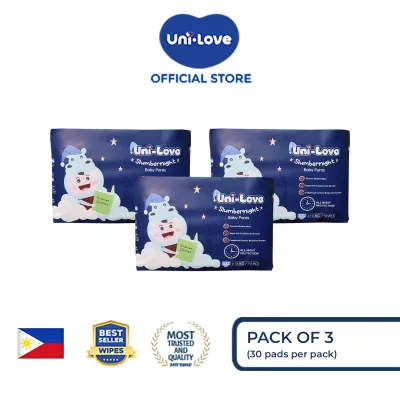
Prices are valid at publication and may change. Please refer to the product page for the latest price.
Another critical area to inspect is the design of the elastic waistband and leg cuffs. Active play requires a diaper that stretches and flexes with your toddler’s body without creating gaps. Look for packaging that highlights multi-elastic waistbands and double-layered leg ruffles, often referred to as leak guards. These elastic barriers must fit snugly against the skin to contain sudden bursts of urine during high-impact activities like jumping or climbing. If the elastic is too loose, gaps will form; if it is too tight, it can cause uncomfortable chafing and red marks.
In a warm, humid climate, managing skin health is a constant priority for parents. Trapped moisture inside a diaper quickly leads to skin irritation, diaper dermatitis, or heat rashes. When comparing brands, check the packaging for explicit breathability claims, such as micro-pore outer covers or breathable backing sheets that allow hot air to escape while keeping wetness locked inside. Additionally, look for clear wetness indicator lines on the outside of the diaper. These lines change color when wet, allowing you to monitor the diaper’s status at a glance and perform timely changes before moisture compromises your toddler’s skin barrier.
Brand Feature Checklist: What to Look For on the Box
Before purchasing any diaper brand in bulk, it is essential to understand that diaper sizing is not standardized across the industry. An extra-large (XL) diaper from one manufacturer may have a completely different weight range or physical cut compared to an XL diaper from another. Parents must always locate the specific weight chart printed on the side or back of the packaging and compare it directly to their toddler’s current weight. Relying solely on the letter size can lead to purchasing diapers that are either too tight or prone to frequent leaks.

Beyond sizing, diaper packaging contains valuable clues about the materials and features of the specific product line. Look for details regarding lotion-infused liners, hypoallergenic materials, or fragrance-free formulations, especially if your child has sensitive skin. The strength and design of the fastening tabs or the stretchiness of the pull-up waistband should also be verified on the box. Checking these specifications beforehand helps you avoid common pitfalls and ensures you select a variant tailored to your child’s immediate physical needs.
Unilove XL
When examining Unilove XL diaper packaging, parents should look closely at the descriptions of the absorbent core and the outer cover materials. Verify whether the packaging specifies a multi-layer absorption system or a quick-dry top sheet, which are designed to pull wetness away from the skin rapidly. It is also important to check the stated weight range for the XL size on the box to ensure your toddler falls comfortably within the manufacturer’s recommended limits.
Additionally, inspect the packaging for details regarding the waistband design and leak protection. Look for mentions of a 360-degree elastic waistband if you are purchasing the pants variant, or flexible stretch tabs if you are looking at tape diapers. The box should also indicate the presence of double-layered leak guards around the thighs. Verifying these structural features on the packaging helps confirm whether the diaper is built to withstand the twisting and stretching movements of an active toddler.
Pampers
Pampers offers several distinct product lines, such as Pampers Baby-Dry, Pampers Premium Care, and Pampers Pants, each featuring different materials and technologies. When evaluating Pampers in the XL size, parents must first identify which sub-line they are holding, as features like magic gel channels, air channels, or lotion-infused top sheets vary significantly between variants. Do not assume that all Pampers diapers share the same specifications; instead, read the feature list on the specific box you plan to buy.
Once you have identified the sub-line, verify the exact weight limits detailed on the packaging, as some premium variants may have slightly different sizing cuts than the standard lines. Pay close attention to the description of the fastening tabs or the waistband stretch. For tape diapers, look for claims of strong, re-adjustable tabs that maintain their grip even when exposed to baby oil or sweat. For pants variants, check for descriptions of easy-tear sides and a secure, wrap-around fit designed to prevent sagging during active play.
Huggies
Huggies diapers are available in multiple variations, including Huggies Dry, Huggies Ultra, and Huggies Pants. To evaluate these options effectively, parents should check the packaging for specific structural features like a pocketed waistband, which is designed to catch runny messes at the back, or specialized speed-dry layers. These features are highly beneficial for active toddlers who spend a lot of time sitting, climbing, or rolling on the floor.
Always confirm the exact weight range printed on the Huggies XL packaging, as their sizing cuts can run differently compared to other brands. Additionally, look for any skin-care related claims on the box, such as hypoallergenic materials, pH-balanced liners, or the absence of added fragrances and elemental chlorine. Verifying these details on the packaging ensures that the specific Huggies variant you choose aligns with both your toddler’s physical size and their skin sensitivity requirements.
Equator
Equator diapers are often positioned as a practical, value-focused option for families. When assessing Equator XL diapers, parents should carefully read the packaging to verify the core absorbency technology and the design of the leg cuffs. Look for descriptions of the distribution layer and whether the diaper utilizes standard pulp-based absorbency or a polymer blend, as this will give you an indication of how the diaper handles larger volumes of urine.
Because Equator is frequently chosen for its cost-effectiveness, it is highly recommended to compare the stated piece count on the box against the total retail price (₱) to determine the unit cost. Check the packaging for the recommended weight parameters for the XL size to ensure a proper fit. By verifying these basic structural claims and calculating the cost per piece directly from the packaging, you can make a clear assessment of the diaper’s overall value relative to its features.
Decision Framework: Choosing the Right Diaper for Your Child
To select the most suitable diaper brand for your active toddler, you must evaluate your child’s unique physical traits, skin sensitivity, and daily routine. No single diaper brand is a universal solution for every household, as a diaper that fits a slender, highly active toddler perfectly might cause leaks or red marks on a child with a rounder build or thicker thighs. By matching your toddler’s observable needs to the specific design strengths of each brand, you can establish a reliable diapering routine.
- Choose Unilove XL if your toddler has a rounder tummy or a stockier build, and you want to verify a highly elastic, soft waistband that stretches comfortably without leaving deep, red pressure marks on their skin during active play.
- Choose Pampers XL if your primary goal is to verify advanced channel technology that distributes wetness evenly across the diaper core, making it a strong candidate for long afternoon play sessions or extended outings where sagging must be minimized.
- Choose Huggies XL if your toddler is exceptionally active, climbs frequently, or is prone to back leaks, and you want to verify features like a pocketed waistband or highly secure fastening tabs that resist twisting and shifting.
- Choose Equator XL if you are looking to optimize your household budget for daytime diapering and want to verify a straightforward, functional design with reliable basic leak protection for frequent, routine changes.
Verify first if your toddler has highly sensitive skin or a history of diaper dermatitis. Before committing to any brand, parents must check the packaging to confirm that the diapers are fragrance-free, hypoallergenic, and free from potential irritants like elemental chlorine or harsh dyes. If your child frequently experiences redness in response to synthetic materials, prioritize variants that explicitly state they use breathable, cottony-soft materials and dermatologically tested liners.
Neither may fit if your toddler has outgrown the maximum weight limit of standard XL tape diapers, or if they have learned how to undo the fastening tabs during play. If you observe consistent leaks around the waist or thighs despite applying the diaper correctly, or if the diaper constantly shifts out of place during high-activity hours, it may be time to transition to pull-up pants or move up to an XXL size. Adjusting the style or size is often necessary as a toddler’s body shape changes during growth spurts.
How to Test Fit and Leak Protection at Home
Before purchasing a large bulk supply of a new diaper brand, it is highly recommended to perform a safe, observable fit and leak test at home using a single small pack. This allows you to evaluate how the diaper performs in real-world conditions on your toddler’s unique body shape. To conduct a proper fit check immediately after applying a fresh diaper, follow these step-by-step visual and physical checks:
- The Waistband Check: Slide two fingers comfortably inside the front and back of the waistband. The diaper should feel snug against your toddler's skin but should not pinch or leave deep indentations.
- The Leg Cuff Check: Run your finger completely around the leg openings to ensure that the inner and outer ruffles (the leak guards) are fully pulled out. If the ruffles remain tucked inward, they cannot perform their barrier function, and leaks will occur.
- The Alignment Check: Ensure the fastening tabs are secured symmetrically on the front landing zone. A crooked diaper indicates an uneven fit, which creates gaps on one side.
Once the diaper is applied, monitor your toddler’s comfort and the diaper’s performance over the next few hours of active play. Observe whether the diaper sags excessively when wet, shifts to one side, or restricts your child’s natural movements. During diaper changes, inspect your toddler’s skin carefully for any signs of friction, red marks around the thighs and waist, or residual dampness on the skin. If you observe persistent skin irritation, redness, or a rash developing, stop using that specific diaper brand immediately and consult a qualified pediatrician for guidance on skin care and suitable materials.
Frequently Asked Questions (FAQ)
When should I switch my toddler from standard diapers to pull-up pants?
You should consider switching your toddler to pull-up pants when they display clear developmental and physical signs of readiness. Common observable signs include your toddler refusing to lie down during diaper changes, attempting to stand up while you fasten tape tabs, or actively trying to peel off the tape tabs during play. Pull-up pants are designed to be pulled on like underwear, making changes much easier when your child is highly active or undergoing potty training. Before making the switch, always check the packaging of the pull-up variants from your chosen brands to ensure you select the correct weight range and absorbency level, as pants can sometimes fit differently than standard tape diapers.
How do I calculate the true cost per piece when buying diapers in bulk?
To calculate the true cost per piece when purchasing diapers in bulk, use a simple mathematical formula: divide the total price of the diaper pack (₱) by the exact number of diaper pieces contained inside the box or bag. For example, if a bulk pack costs ₱600 and contains 60 diapers, the cost per piece is ₱10. When shopping on online marketplaces or ecommerce platforms, remember to factor in any additional shipping fees or delivery charges to the total price before running your calculation. Additionally, always check the manufacturing or expiration dates printed on bulk packaging to ensure the materials remain in optimal condition, especially if you plan to store the diapers for several months.

Community discussion
Share your experience or ask a question. Comments are reviewed before publication.