
Finding the right diaper for your baby in the Philippines is a balancing act between comfort, skin health, and household expenses. With options like Pampers, EQ (often referred to as Equator), and Huggies lining the shelves of local supermarkets, making a choice can feel overwhelming. The tropical climate adds another layer of complexity, as high humidity and heat require excellent breathability to prevent diaper rash. Instead of relying on generic recommendations, the most effective approach is to understand how each brand’s specific features align with your baby’s unique body shape, developmental stage, and daily routine. By learning what to look for on the packaging and how to run simple home tests, you can confidently select a diaper that keeps your baby dry and your budget intact.
Key Factors to Evaluate Before Choosing a Diaper Brand
To make an informed decision, you must first establish objective criteria based on your baby’s daily comfort and physical reactions. The most immediate signals that a diaper is not performing well are observable physical changes. Frequent leaks around the thighs or waist indicate a poor fit or insufficient absorbency, while skin redness and chafing suggest that the material is either too rough or trapping too much moisture. Pay close attention to the red marks left by elastic bands; if these marks persist long after a diaper change, the diaper is likely too tight or the design does not suit your baby’s body shape.
When evaluating any diaper brand, focus on four core metrics: absorbency capacity, breathability, material softness, and the presence of a reliable wetness indicator. Absorbency is not just about how much liquid a diaper can hold, but how quickly it draws moisture away from the skin. Breathability is equally critical, especially in warm climates, as it allows air to circulate and heat to escape. Softness prevents friction-induced irritation, while a wetness indicator provides a clear visual cue for timely changes, reducing the risk of prolonged wetness exposure.
Products mentioned in this guide
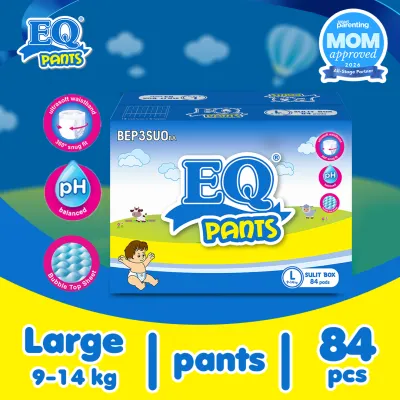
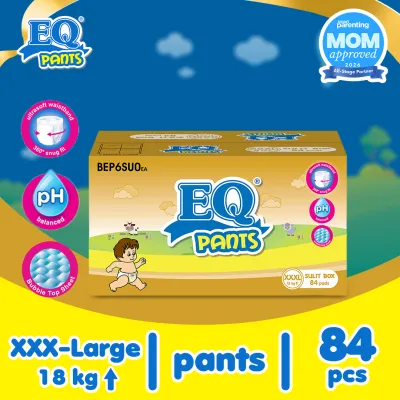
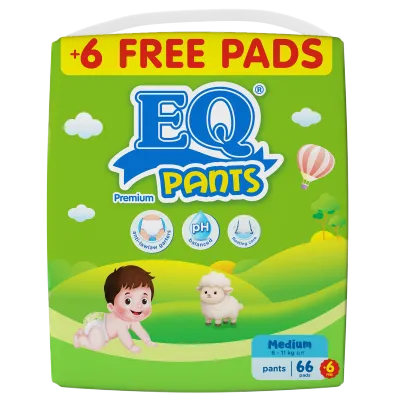
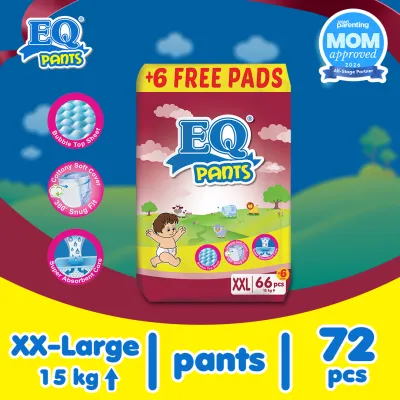
Prices are valid at publication and may change. Please refer to the product page for the latest price.
Your baby’s developmental stage and mobility level should also dictate your choice. A newborn spends most of the day lying down, requiring a diaper with a soft inner liner and an umbilical cord cutout to protect the healing navel. Once your baby begins to roll, crawl, or walk, their diaper needs change dramatically. Active infants require highly flexible waistbands and secure fastening tabs that stretch with their movements without slipping or causing friction.
Comparing Pampers, Equator, and Huggies: What to Check on the Label
Before purchasing a large box of diapers, take a moment to inspect the product packaging. Manufacturers print essential technical specifications directly on the label, which can help you bypass marketing hype and understand what you are actually buying. Look for diagrams explaining the diaper’s core technology, such as channel designs that distribute liquid evenly or specific absorbent polymers designed to lock wetness away. These structural details give you a realistic expectation of how the diaper will perform under pressure.

Always verify the manufacturer’s size and weight charts, as sizing is not standardized across brands. A “Medium” diaper in one brand may have a completely different weight range or physical dimension than a “Medium” in another. Keep in mind that these weight ranges are general guidelines; if your baby is near the upper limit of a size bracket, or if they have chubby thighs or a round tummy, you will often need to size up to ensure a proper fit and prevent leaks.
For babies with sensitive skin, look for specific certifications and testing labels on the packaging. Check for terms like “dermatologically tested,” “hypoallergenic,” or “fragrance-free.” Avoid diapers that list added perfumes or heavy dyes if your baby has a history of contact dermatitis or eczema, as these additives can trigger skin irritation when combined with heat and moisture.
Pampers: Features and Fit Guidelines
When examining Pampers diapers, you will find several sub-lines designed for different stages and budgets, such as Pampers Baby-Dry or Pampers Premium Care. Check the packaging to identify the specific absorbency layers used in each line. Some variants feature specialized magic gel channels designed to distribute wetness evenly, preventing the diaper from sagging when full. Look closely at the waistband design to see if it offers a full wrap-around stretch or if the elasticity is concentrated mainly on the fastening tabs.
For newborn sizes, verify whether the packaging indicates an umbilical cord cutout, which helps keep the sensitive navel area dry and free from friction. You should also look for the wetness indicator strip, which changes color to signal when a change is needed. Pay attention to the leg cuff design on Pampers packaging. The brand typically utilizes double-layer leg cuffs designed to hug the thighs gently. Inspect these cuffs when fitting the diaper on your baby; they should flare outward rather than tucking inward, creating a secure barrier against leaks.
Equator: Features and Fit Guidelines
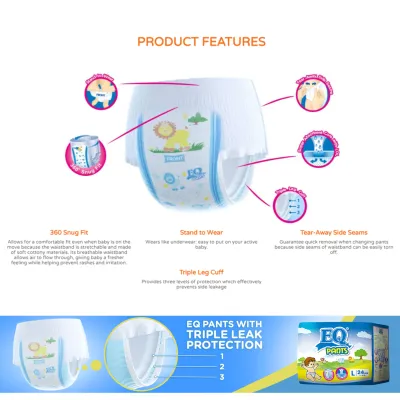
Equator diapers, widely known in the local market as EQ (including EQ Plus and EQ Dry), are designed with a focus on practical daily use. When evaluating EQ diapers, examine the packaging for details regarding the top sheet texture. Look for descriptions of a cottony-soft cover or a textured liner designed to keep moisture away from the skin. The breathability claims on the label are particularly important to check, as a highly breathable outer cover is essential for managing heat in tropical environments.
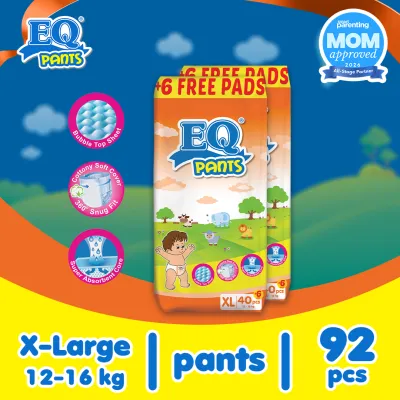
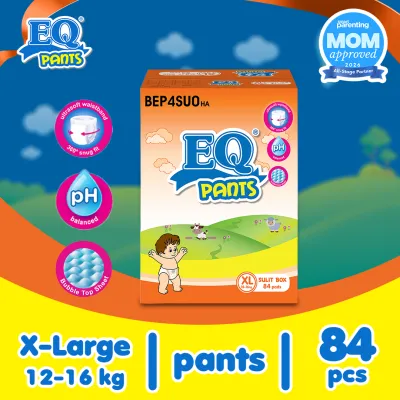
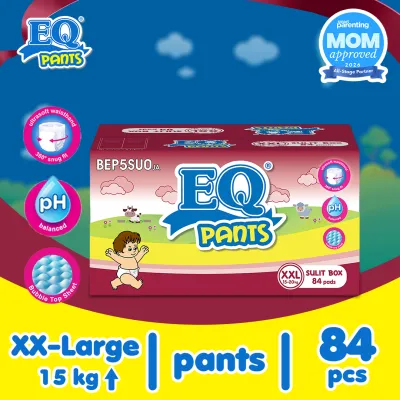
Compare the stated weight ranges on the EQ packaging with your baby’s current measurements. EQ diapers often feature a distinct physical cut that may fit babies with rounder builds differently than slimmer infants. Check the label for the specific dimensions of the waistband and leg openings to ensure they align with your baby’s shape. Look for specific design features listed on the packaging, such as the presence of a wide elastic waistband or specialized absorbent polymers. Some EQ variants emphasize a speed-wave crest or similar channel designs on the liner, which are intended to speed up liquid absorption and reduce contact time with the skin.
Huggies: Features and Fit Guidelines
Huggies offers a variety of product lines, ranging from standard options like Huggies Dry to premium selections like Huggies Ultra. When inspecting Huggies packaging, look for the presence of a pocketed waistband. This design feature is specifically engineered to trap runny messes at the back, helping to prevent the dreaded “blowout” that often occurs with newborns and infants who are not yet on solid foods.
Examine the label for skin-care claims and material specifications. Huggies often highlights the use of hypoallergenic materials or liners infused with natural extracts. If your baby has highly reactive skin, verify these claims on the packaging and check if the materials are free from elemental chlorine and natural rubber latex.
Evaluate the fastening tab design shown on the package. Huggies diapers frequently feature wide, stretchable grip tabs that can be refastened multiple times. This is particularly useful for adjusting the fit as your baby’s tummy expands and contracts throughout the day, ensuring the diaper remains secure without restricting movement or causing bulkiness under clothing.
How to Match Diaper Features to Your Baby's Daily Routine
Your baby’s daily schedule should heavily influence which diaper features you prioritize. For daytime use, especially when your baby is active and playing, a diaper with a slim profile and highly flexible side panels is ideal. This allows for unrestricted movement and prevents the diaper from bunching up between the legs. For nighttime use, however, your primary focus should be maximum absorbency capacity. Look for diapers specifically labeled for overnight protection or choose a size up for bedtime to accommodate longer sleep stretches without requiring a middle-of-the-night change that might wake your baby.
The warm and humid climate of the Philippines requires careful consideration of diaper breathability. High humidity traps moisture inside the diaper, creating a breeding ground for bacteria and yeast, which leads to diaper rash. When selecting a diaper, prioritize those with micro-pore outer covers that allow hot air to escape while keeping liquid contained. If you notice your baby’s skin feels damp or clammy during diaper changes, it is a clear sign that you need to switch to a brand with higher verified breathability.
Managing skin sensitivity requires a systematic approach. Before committing to a bulk purchase of any diaper brand, buy a small travel pack or a single sleeve to conduct a home trial. Use the new brand exclusively for two to three days while closely monitoring your baby’s skin. Look for any signs of friction, redness, or contact dermatitis, particularly around the waistband and leg cuffs. If the skin remains clear and healthy, you can safely transition to buying larger, more economical pack sizes.
Budgeting and Value: Calculating the Cost Per Diaper
To manage your household expenses effectively, you must look past the initial price tag on a pack of diapers and calculate the actual cost per unit. To do this, use a simple formula: divide the total price of the pack in Philippine Pesos (₱) by the number of diapers inside. For example, if a pack costs ₱450 and contains 50 diapers, the cost per diaper is ₱9.00. Performing this calculation allows you to make direct, objective comparisons between different pack sizes, such as standard bags, jumbo packs, and mega boxes, across Pampers, EQ, and Huggies.
To find the best value, regularly check authorized online marketplaces, official brand stores, and local supermarkets in the Philippines. These retailers frequently offer promotions, bundle deals, and subscription discounts that can significantly lower your cost per diaper. Buying in bulk during major online shopping events or utilizing supermarket loyalty programs can yield substantial savings over time, but only do this for brands you have already tested and verified to be compatible with your baby’s skin.
Be cautious of assuming that the cheapest diaper always offers the best financial value. If a lower-priced diaper has poor absorbency or a loose fit, you may find yourself changing your baby far more frequently throughout the day. Furthermore, frequent leaks lead to extra laundry, increased water and detergent usage, and potential damage to clothing and bedding. A slightly more expensive diaper that keeps your baby dry for longer periods can often turn out to be the more cost-effective choice in the long run.
Decision Framework: Which Brand Should You Try First?
To help you decide which diaper brand to test first, use this conditional decision framework based on your primary household needs and observations:
- Choose Pampers if: Your main priority is reliable overnight absorbency and a slim, flexible fit for an active baby who has outgrown frequent newborn blowouts.
- Choose EQ (Equator) if: Your primary focus is budget management and you need a dependable, cost-effective diaper for frequent daytime changes during active toddler play.
- Choose Huggies if: Your baby has highly reactive skin, is prone to back leaks or blowouts, and requires a diaper with a pocketed waistband and verified hypoallergenic materials.
- Verify First: If your baby is currently between sizes or has a unique body shape, do not buy in bulk. Purchase the smallest available pack of your chosen brand first to test the physical fit, checking that the leg cuffs seal gently and the waistband fastens securely without leaving deep red marks.
Community discussion
Share your experience or ask a question. Comments are reviewed before publication.