
Finding the right diaper pants for an active toddler who has graduated to size XXXL can be a trial-and-error process for many parents. While Unilove, Pampers, Huggies, and Equator all offer diaper pants in this extra-large size, there is no single brand that works perfectly for every toddler. Because sizing standards, absorbency levels, and pricing structures vary significantly by specific product line and retailer, declaring a universal winner is impossible. Instead, this guide provides a practical decision framework to help you evaluate fit, leak protection, and overall value based on your toddler’s unique build and your family’s budget.
Decoding XXXL Sizing and Weight Ranges
As toddlers grow, their body shapes change from round baby bellies to leaner, more active builds, making diaper fit highly individual. One of the most common mistakes is assuming that an “XXXL” label represents the same physical dimensions across all diaper brands. In reality, the weight ranges and age recommendations differ between Unilove, Pampers, Huggies, and Equator.
To avoid leaks and discomfort, you should always check the specific weight limits in kilograms printed on the diaper packaging rather than relying solely on the letter size. These weight ranges often overlap between sizes, meaning your toddler’s current weight might fall into two different categories. If your toddler is near the upper limit of a weight range or has a particularly round tummy or chunky thighs, sizing up is generally recommended to prevent constriction.
Products mentioned in this guide
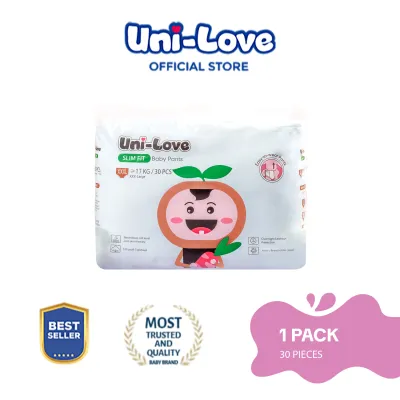
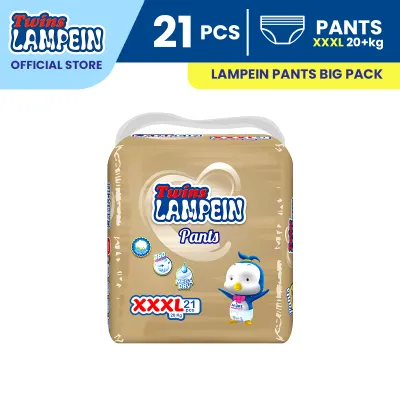
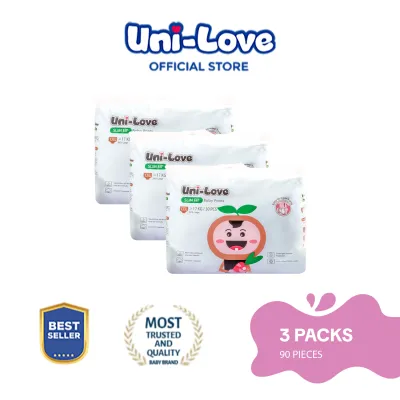
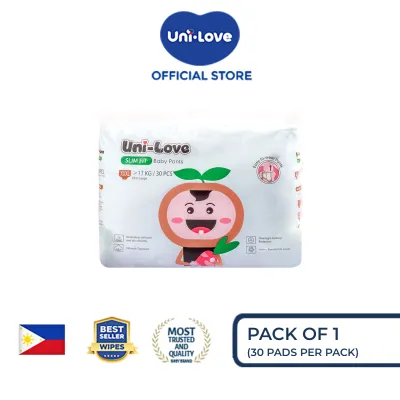
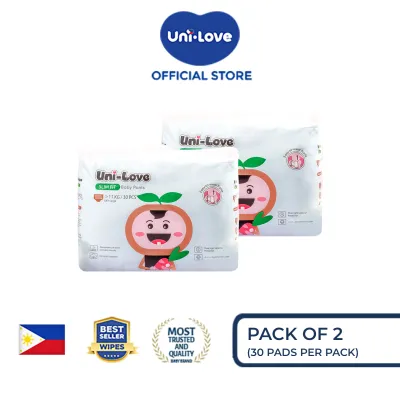
Prices are valid at publication and may change. Please refer to the product page for the latest price.
Beyond weight, physical measurements provide a much more accurate guide for diaper pants. Take a moment to measure your toddler’s waist and upper thighs using a soft measuring tape. You can then cross-reference these measurements with the brand’s specific size charts, which are often available on their official online store pages or product packaging.
This step is especially important in the Philippines, where high humidity can make tight-fitting elastic bands cause immediate skin irritation and heat rashes. A diaper that fits well should snuggly hug the waist and thighs without leaving deep red indentations after a few hours of wear.
Comparing Fit, Comfort, and Skin Sensitivity
Active toddlers spend their days running, climbing, and stretching, which puts a lot of stress on diaper waistbands and leg cuffs. When evaluating Unilove, Pampers, Huggies, or Equator, look closely at the design of the waistband. A high-quality diaper pant should feature a highly elastic, 360-degree stretchy waistband that moves with your child without digging into their skin.

Inspect the waistband for softness; it should feel like cotton underwear rather than stiff plastic. Leg cuffs are the primary defense against side leaks, especially when your toddler is sitting or crawling. Look for double-layered leg guards that gently hug the thighs.
When putting the diaper on, always run your finger along the inner leg cuffs to ensure they are flared outward rather than tucked inward. This simple adjustment can prevent friction marks and keep liquid contained during active play.
Skin sensitivity is another critical factor, particularly in warm, tropical climates where sweat can easily get trapped inside the diaper. To protect your toddler’s skin, check the product labels for terms like “hypoallergenic,” “dermatologically tested,” or “free from chlorine and parabens.”
Keep in mind that these claims should be verified by looking for official certification logos or testing details on the manufacturer’s website. The texture of the inner lining is just as important as the outer shell. Run your hand over the inside of the diaper pant before using it.
It should feel smooth and soft to the touch, with a textured pattern designed to channel wetness away from the skin quickly. If your toddler is prone to friction rashes, a softer, more pillowy inner sheet can significantly reduce skin irritation during long hours of wear.
Assessing Absorbency and Leak Protection
An XXXL diaper must be capable of handling a larger volume of liquid, especially as toddlers begin to hold their bladder for longer periods and release more urine at once. To evaluate how well Unilove, Pampers, Huggies, or Equator will perform, you need to look at the core absorption technology described on the packaging.
Most modern diaper pants utilize Super Absorbent Polymers (SAP) mixed with wood pulp or structured into thin, channel-based cores. Channel technology is particularly useful for active toddlers because it distributes liquid evenly across the diaper rather than letting it pool in one spot.
This prevents the diaper from sagging heavily between the legs, which can restrict your toddler’s movement and cause the outer material to tear. Look for product descriptions that highlight “3D absorbent cores” or “distribution channels” to identify brands that prioritize even wetness distribution.
Wetness indicators are a highly convenient feature to look for on XXXL diaper pants. These lines, which typically run down the center of the diaper and change color when wet, help you monitor when a change is needed without having to pull the waistband open.
For older toddlers who are starting to communicate their discomfort, a wetness indicator serves as an easy visual check for caregivers to maintain hygiene. It is also important to distinguish between daytime and overnight diapering needs.
During the day, your toddler needs a highly breathable, lightweight diaper pant that allows air to circulate and heat to escape. For overnight wear, however, absorbency is the top priority. Check if the specific product line you are considering is marketed for “overnight use” or “up to 12 hours of dryness.”
These lines usually feature a thicker absorbent core and reinforced leak guards to handle extended wear while your toddler sleeps. Using a dedicated overnight diaper can prevent middle-of-the-night wakeups and wet sheets.
Evaluating Value, Pack Sizes, and Pricing
While performance is crucial, diapering an active toddler can become a significant household expense, making value a key consideration. To accurately compare the cost of Unilove, Pampers, Huggies, and Equator, you should avoid comparing the total price of the pack.
Instead, calculate the price per piece by dividing the total cost of the pack by the number of diapers inside. This allows you to see exactly how much you are paying for each diaper change (₱). Keep a running log of these calculations to track which options fit best within your monthly budget.
When trying out a new brand or transitioning to the XXXL size, avoid buying large bulk boxes right away. Even if the price per piece is lower in bulk, you risk being left with dozens of unusable diapers if the fit is wrong or if your toddler’s skin reacts poorly to the material.
Start by purchasing the smallest available trial pack or travel pack. Once you have confirmed that the fit is correct and there are no signs of skin irritation, you can confidently transition to larger economy packs to save money.
To find the best deals, look for authorized brand stores on major e-commerce platforms or visit your local supermarkets. Buying from official stores ensures you are receiving genuine products rather than counterfeit items that may lack proper safety standards.
Many online marketplaces offer subscription discounts, bundle deals, or monthly sale events where you can purchase your preferred brand at a lower price per piece. Keep an eye out for these promotions to keep your diapering budget under control.
Decision Framework: Which Brand Fits Your Needs?
To help you navigate the choices between Unilove, Pampers, Huggies, and Equator in XXXL size, use this conditional framework based on your toddler’s specific needs and your household priorities.
Choose a budget-friendly standard line if your primary goal is finding an economical option for frequent daytime changes. These diapers are ideal for toddlers who are already showing signs of readiness for potty training and only need light coverage during the day.
Choose a premium, highly breathable line if your toddler has highly sensitive skin or is prone to heat rashes in tropical weather. Look for options that emphasize hypoallergenic materials, cottony-soft waistbands, and advanced air-circulation channels to keep the skin dry and cool.
Choose an overnight-specific line if your toddler is a heavy wetter who frequently wakes up with damp pajamas. These diapers feature reinforced absorbent cores and double leak guards designed to lock away moisture for extended periods.
Verify first if the specific diaper line you are purchasing is the brand’s standard or premium offering. Most major brands offer multiple product tiers under the same brand name. The performance, softness, and price per piece will vary significantly between these tiers, so always read the packaging details carefully.
Before committing to a large bulk purchase of any XXXL diaper pants, always buy a single small pack first. Test the diaper during both active daytime play and overnight sleep to observe how well it holds up against leaks, how easy it is to tear open at the sides for quick changes, and whether it leaves any red marks on your toddler’s skin.
Frequently Asked Questions (FAQ)
When should I transition my toddler to XXXL diaper pants?
You should consider transitioning your toddler to XXXL diaper pants when you notice consistent physical signs of poor fit. These signs include red, irritated marks around your toddler’s waist or thighs, frequent leaks despite proper application, or the diaper waistband sitting too far below the belly button. Additionally, if the diaper feels overly tight when fastening or if you struggle to pull the pants up over your toddler’s hips, it is time to cross-reference their weight with the guidelines on the next size up.
How can I prevent diaper rash when using XXXL pants overnight?
To prevent diaper rash during extended overnight wear, always ensure your toddler’s skin is completely clean and dry before putting on a fresh diaper. Applying a thin layer of a barrier cream can help protect the skin from moisture throughout the night. Make sure the diaper pants are not put on too tightly, as air circulation is essential for keeping the skin healthy. If your toddler develops a persistent rash that does not improve with regular diaper changes and barrier creams, consult a pediatrician for professional guidance.

Community discussion
Share your experience or ask a question. Comments are reviewed before publication.